Hyper Physicality: Trends from Milan Design Week 2024
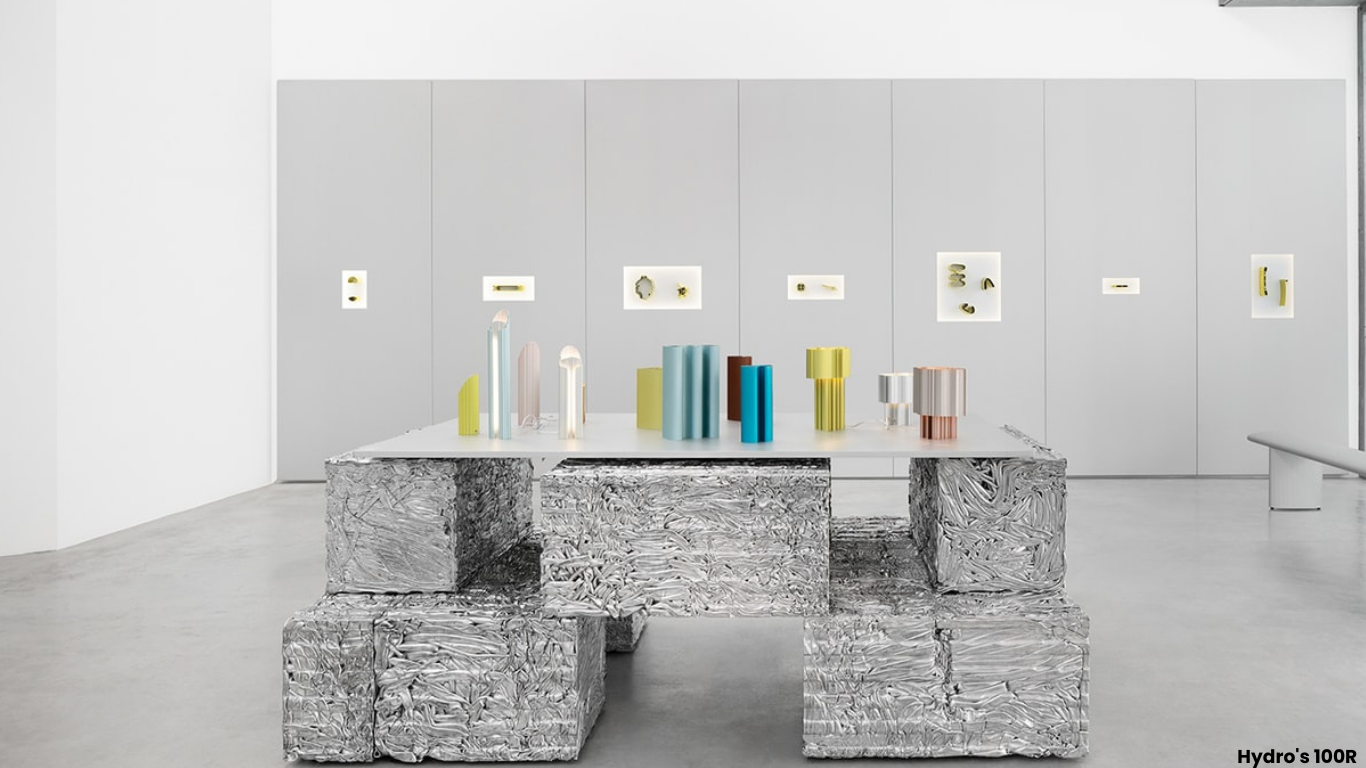
Perhaps the most palpable phenomenon was the pursuit of "hyper-physicality"- immersive, multi-sensory experiences and avant-garde installations designed to stimulate powerful emotional responses and engage visitors on a visceral level. In the age of digital overconsumption, designers seemed driven to create transcendent physical encounters that command presence and connect people more profoundly with their surroundings.
When visiting Milan during design week, one starts to immediately feel the hypercreativity and extreme dynamism surrounding the city, and this year it was more prominent than ever.
The sense of FOMO was in the air and did not elude the visitors. It could be seen in the long lines filled with young people on the lookout, ready to take the next frame that will gain hundreds of likes on TikTok. The search for dopamine-boosting projects that would arouse envy and hyper-FOMO were more present than ever. This may be attributed to the fact that only two years have passed since the lockdowns, the sense of freedom still feels quite elusive, and everyone is chasing it and its articulation through physicality – creating sentimental content with a distinct visual expression that engages a whole gamut of emotions.
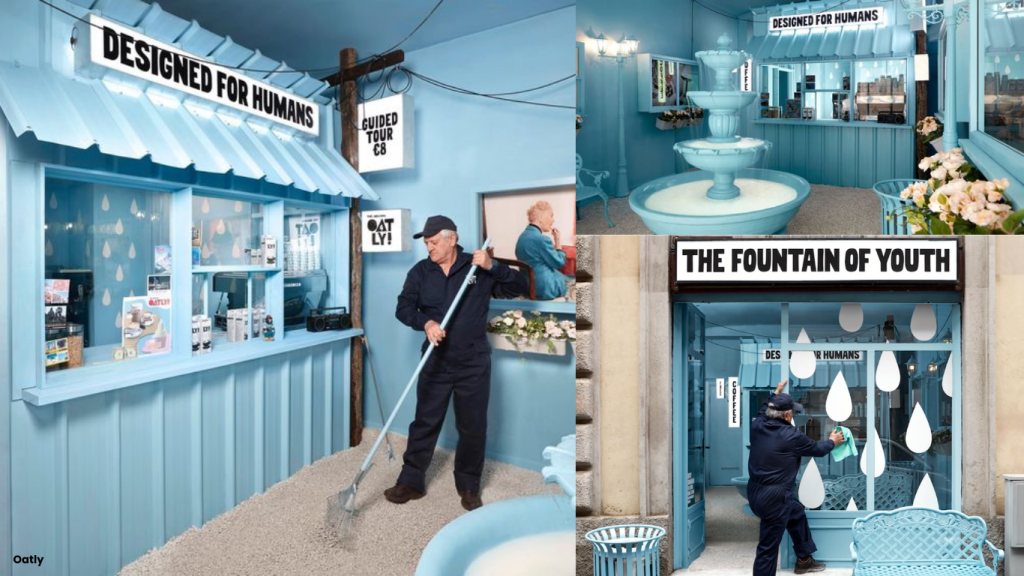
Oatley’s pop-up installation wrapped in blue invites visitors to sip a cup of coffee in this surreal courtyard-like space.
For over 60 years, Milan Design Week has been the premier global event showcasing the latest design trends and innovations. This year featured around 200 exhibitions throughout the city alongside the Salone Del Mobile trade fair. The result was a spectacular display fusing innovation, sustainability, and craftsmanship from leading companies and disciplines like fashion that have joined the fair over time such as : Gucci, Loewe, Armani and Dolce & Gabbana, and filmmakers and directors such as David Lynch, who created fascinating collaborations.
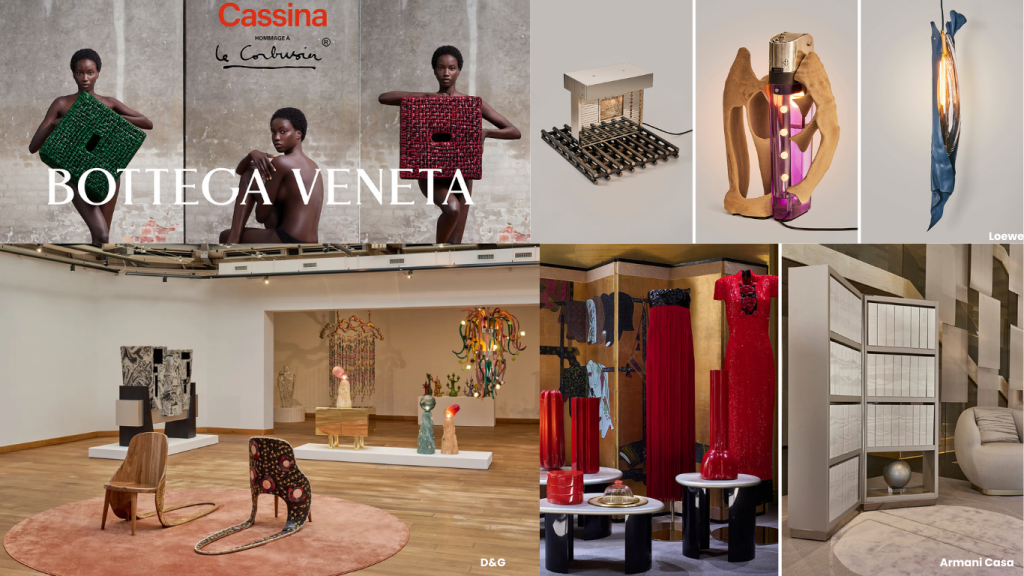
The 2024 Milan Design Week theme “Materia Natura” highlighted the critical role sustainability must play in the future of design. It focused on exploring the deep connection between matter and nature, underscoring that a conscious, sustainable design culture emphasizing environmental responsibility needs to be a guiding principle and a core value that is integrated into all creative processes.
Sustainability is a megatrend that has been developing over years and is undoubtedly here to stay as a fundamental factor shaping design going forward. ECAL design school’s exhibition exemplified this, showcasing students’ in-depth research using sustainable shape memory materials and cellulose sponge to reduce environmental impact in furniture design under guidance from the industrial design faculty.
While sustainability was the overarching emphasis, additional trends visible at Design Week that will likely influence design over the next two years included immersive experiences evoking emotions and senses, a retro futuristic aesthetic blending space-age and nostalgic elements, and the prominence of deep, dramatic color tones. However, these trends will need to be explored through the lens of sustainability for long-term relevance in a design world prioritizing environmental consciousness.
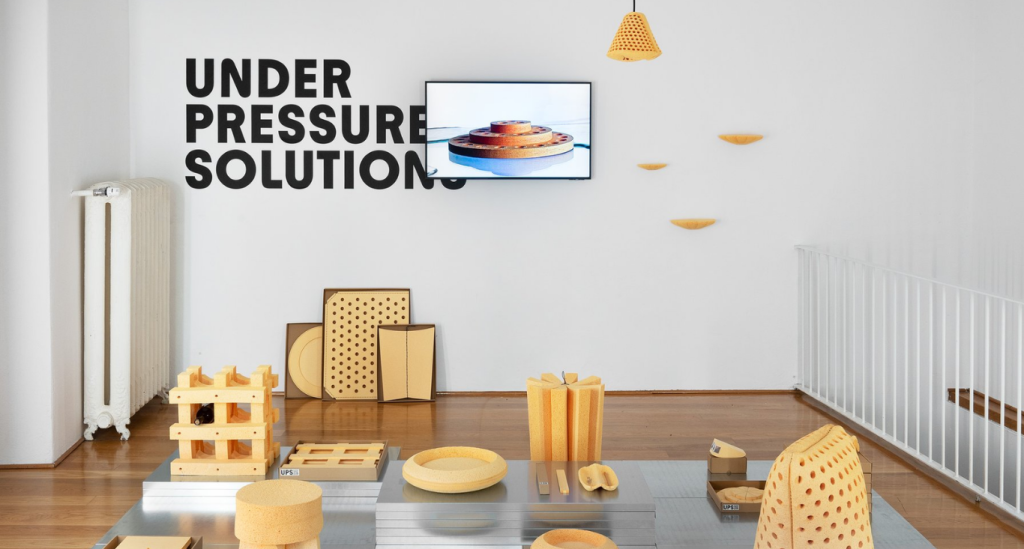
״The Milan Design Week 2024 theme was “Materia Natura”. The theme aimed to encourage designs that recognize responsibility for the environment and integrate sustainability principles in all stages of the creative process. One of the fascinating projects reflecting this theme was that of ECAL design school.״
Trend 1: Memorabilia, Sensoriality and Emotion
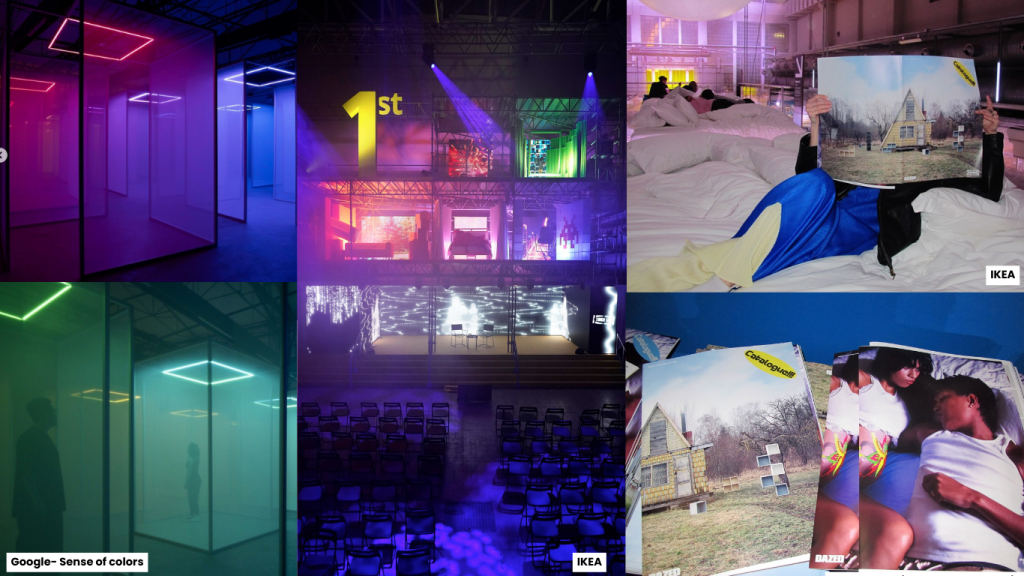
Several prominent exhibitions focused on evoking sensations and emotions through creativity, aiming to mentally and physically activate observers on topics like the human condition and our relationship with society and the environment. A notable example was IKEA’s interactive “1st” exhibition, which explored the emotional experience of leaving home for the first time – the dilemmas, responsibility, and mix of feelings involved in that major life transition. Designed as an exploratory playground, it showcased IKEA’s products amid the various emotions surrounding moving out of the family home.
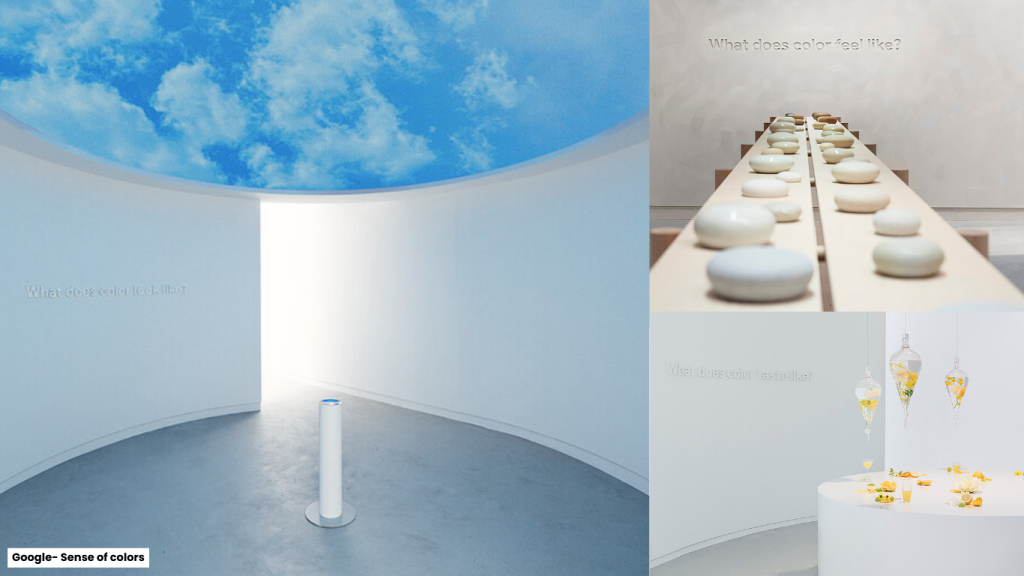
Another sensory-focused exhibition was Google’s experiential “Making Sense of Colors”. It explored human perception of color through synchronizing light, sound, and color installations. The exhibition aimed to amplify visitors’ sense of presence and connection by prompting questions like “How does color sound?” and “What does color smell like?” The merged sensory experience revealed color’s transformative essence on the mind and body.
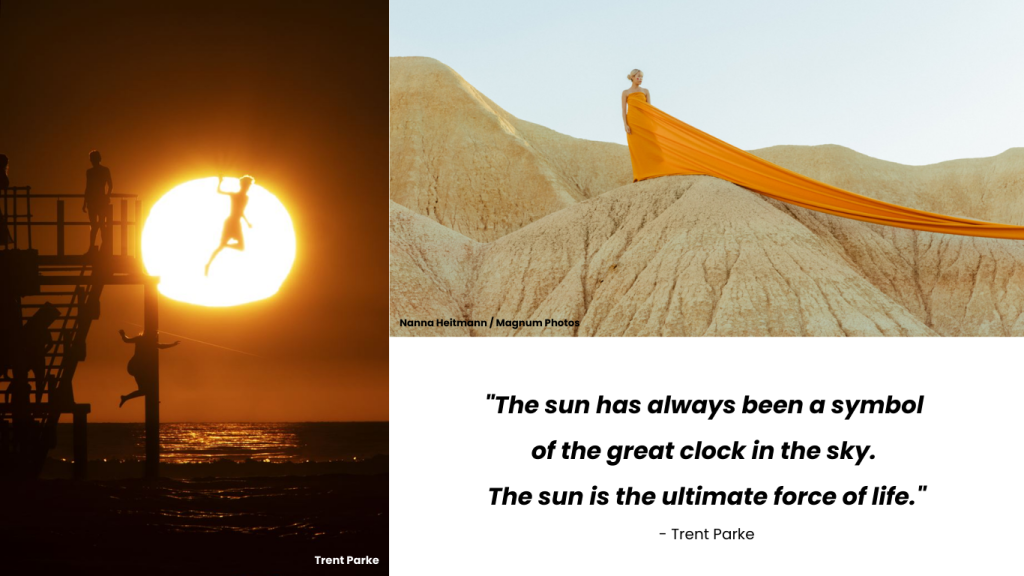
Continuing the sensory and emotional theme was the “Emotions of the Sun” exhibition, a collaboration between Magnum Photos and Veuve Clicquot champagne. It featured works by 8 photographers from around the world interpreting the sun’s emotional resonance, capturing everything from the bittersweet feelings of a summer’s end to the adventurous freedom associated with sunshine.
Trend 2: Futuristic Nostalgic: design with a sense of nostalgia
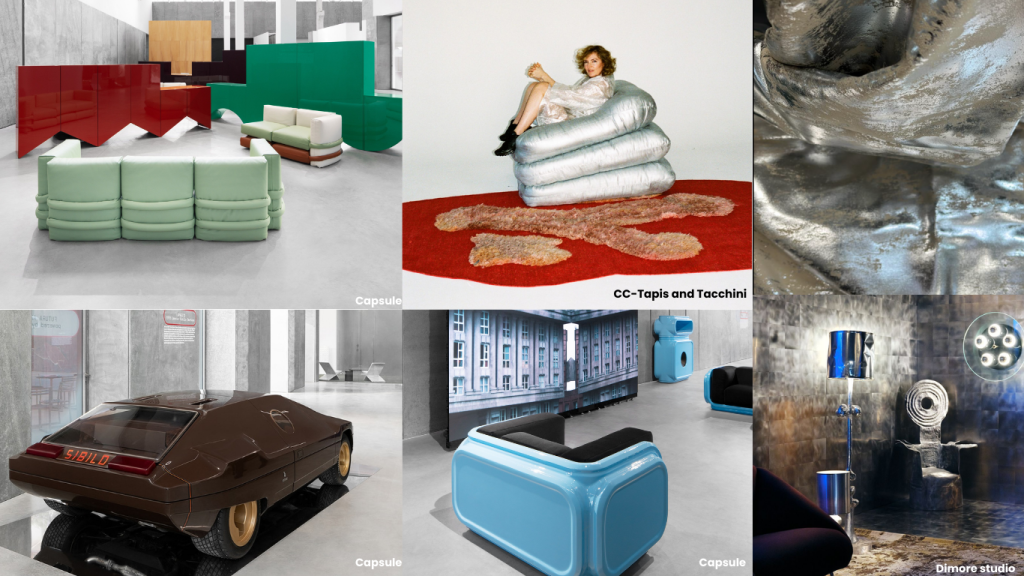
Another major trend blended futuristic, space-age aesthetics with nostalgic influences like the Futurism art movement. It featured vibrant metallic colors like silver and orange alongside pastel hues, combined with a computer-generated, amorphous look producing saturated colors and shapes evocative of CGI.
The pronounced motif of this trend was for the most part found in the huge spaceship-like lounging sofas, which could be seen in the collaboration between CC-Tapis and Tacchini who created unique spaces for the exhibition.
Another expression of the metallic and silver colors in the spaces and seating furniture could be seen in the design cooperative Spazio Maiocchi in Capsule Plaza. The furniture simulated the sensation that the visitor was in a spaceship and provided a unique glimpse into the future.
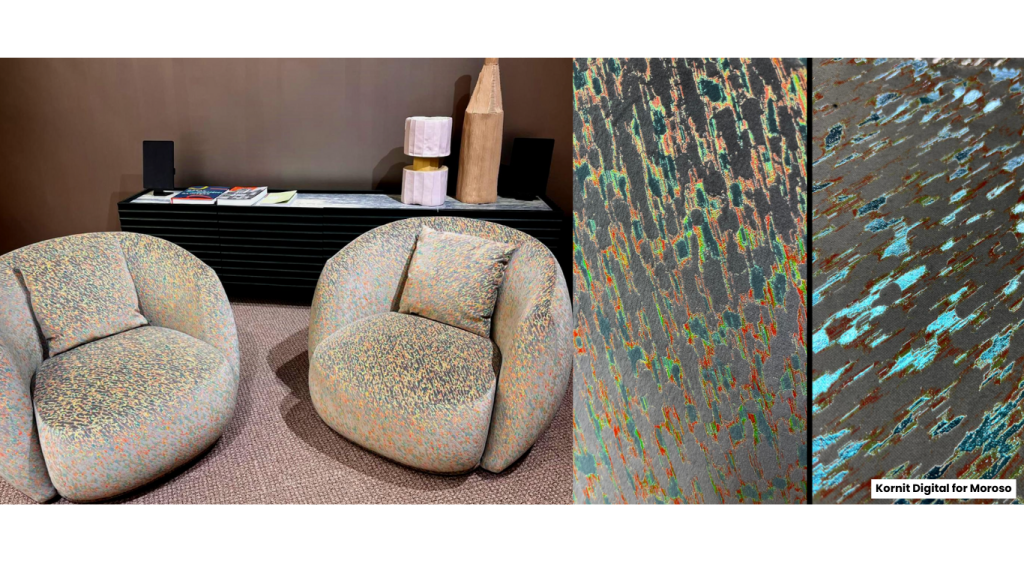
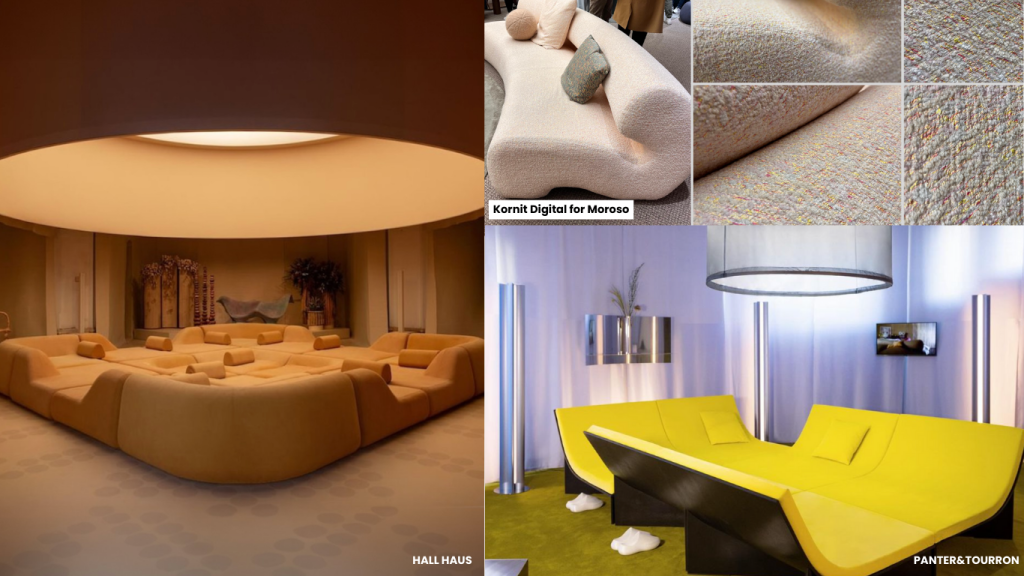
Additional captivating collaboration showcased unique textures and prints created by Kornit for Moroso. The prints featured various color tones that received metallic treatment and blended perfectly in the brand’s lounging sofas. The sofas themselves featured rounded lines that reflected the cosmic theme combined with textures simulating moon textures.
Trend 3: Red, Burgundy and Black
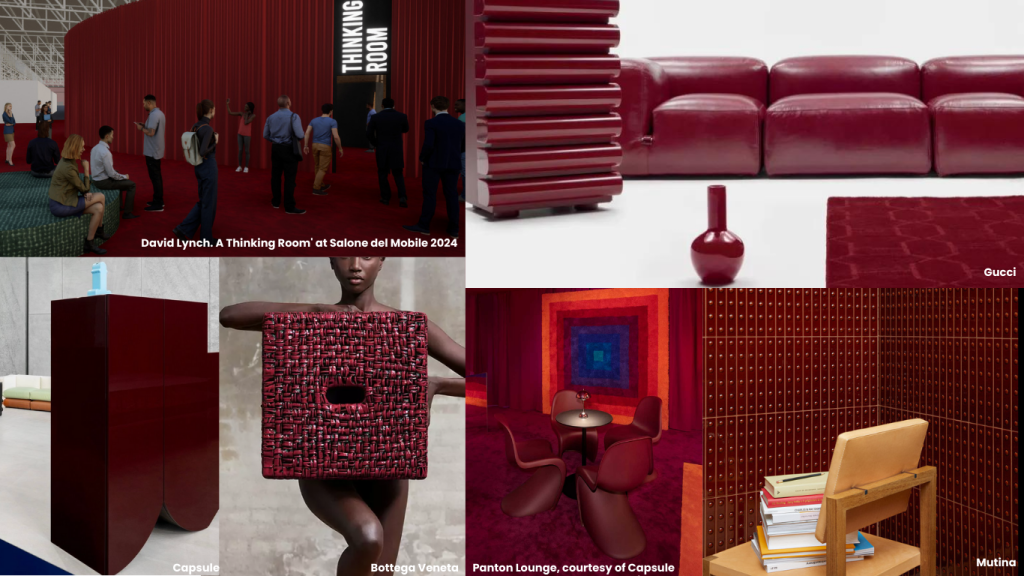
Rich burgundy and black tones were prominent, potentially reflecting the complex global mood. Burgundy featured in designs by Gucci, Mutina, Bottega Veneta and others, evoking drama and nostalgia. Black dominated spaces like David Lynch’s meditative installation using red curtains. The prevalence of black may have expressed the gloomy spirit surrounding issues like inflation and wars.
Further examples of the trend could be seen at Dimore Studio, with spaces and furniture only in black, tone to tone, creating a spectacular and intriguing view about choosing the color black and the important role it plays in our life.
Black sofas covered with nylon and cello tape by the Crosby Studios hot designer Harry Nuriev at Spazio Maiocchi posed a question about material, a textile that brings the visitor to reimagine the iconic Saratoga sofa through what Nuriev calls “transformism”, in order to imbue new aesthetic and material qualities into its eternal design. The exhibition drew its inspiration from the mundane and unpoetic.
Porsche showcased “The Art of Dreams” exhibition, an artistic installation using black nets created by the design collective Numen/For Use. Their artwork, “Lines of Flight”, refers to the act of fleeing, eluding and disappearing into the distance. This was created for the dreamers of the new and unknown, and speaks of an urge not for conflict but for difference, and for the nomadic quest for freedom in all its forms.

In summary, Milan Design Week offered a significant break from that talked-about smoke screen, at times providing moments that connected visitors to themselves and their surroundings. Considering the trends presented here, they can be viewed through a circular perspective: the sense of connection to senses and emotions that provides rare optimism and a comforting glimpse of the future, after which we return to reality and to the drama of the real world, over and over again.