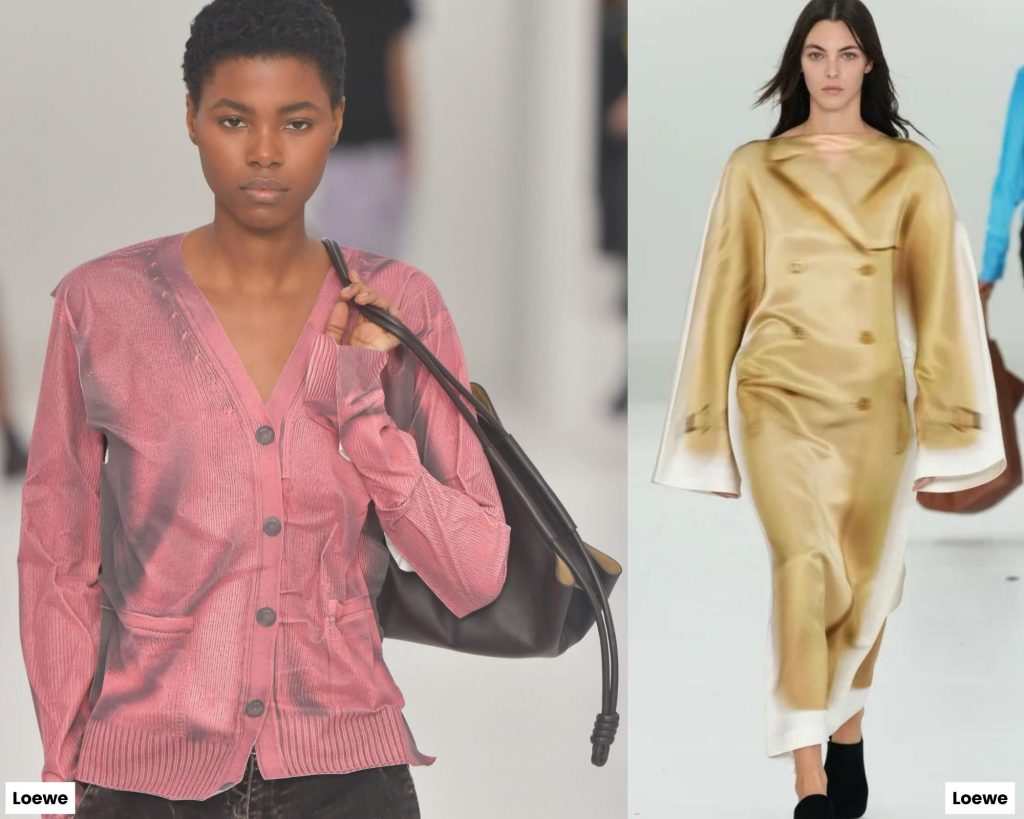
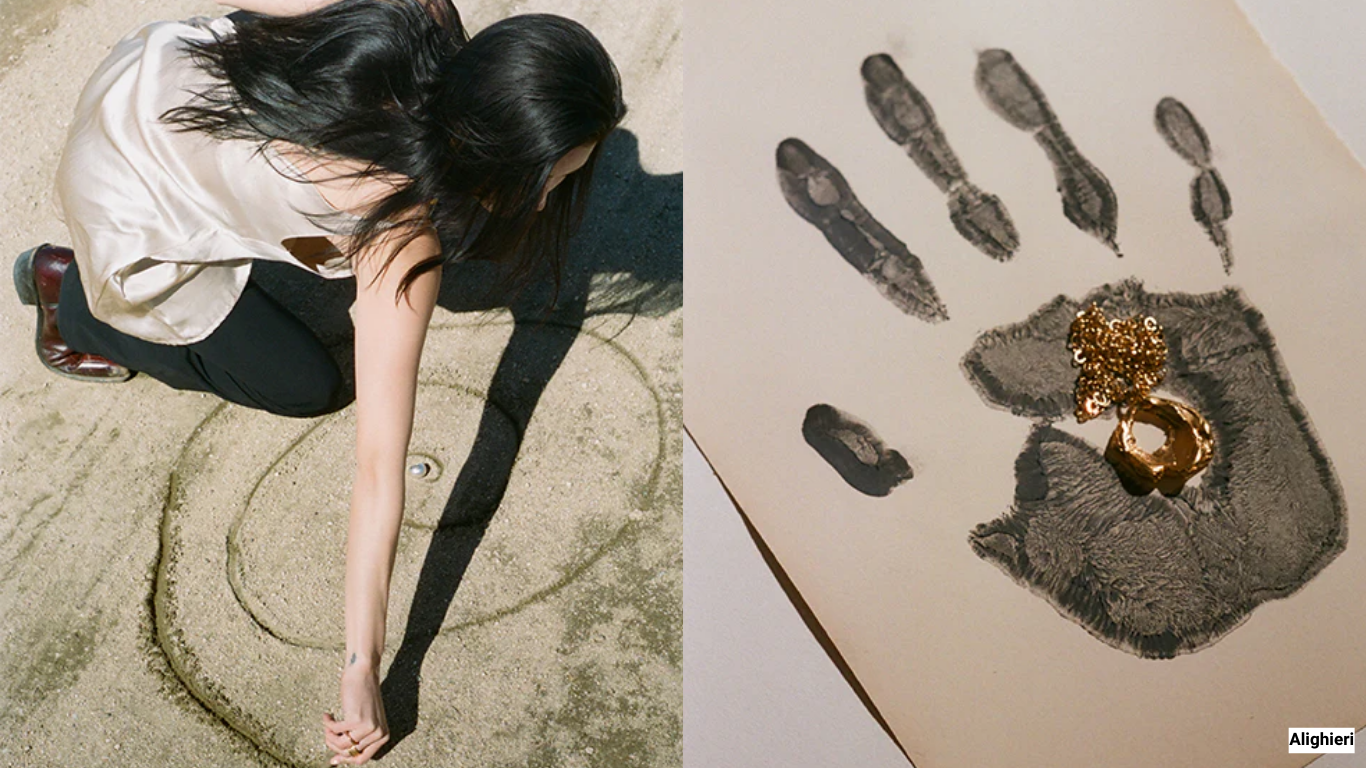
Is it real? The Intersection of Fashion and Tech

The ongoing debate about how technology affects our lives and the balance between its good and bad impact is perfectly described by Charlie Brooker, the creator of the acclaimed series Black Mirror, that has been dealing with that issue for six seasons now: “between delight and discomfort”. We need technology, we want it, but also struggle to handle its increasing power.
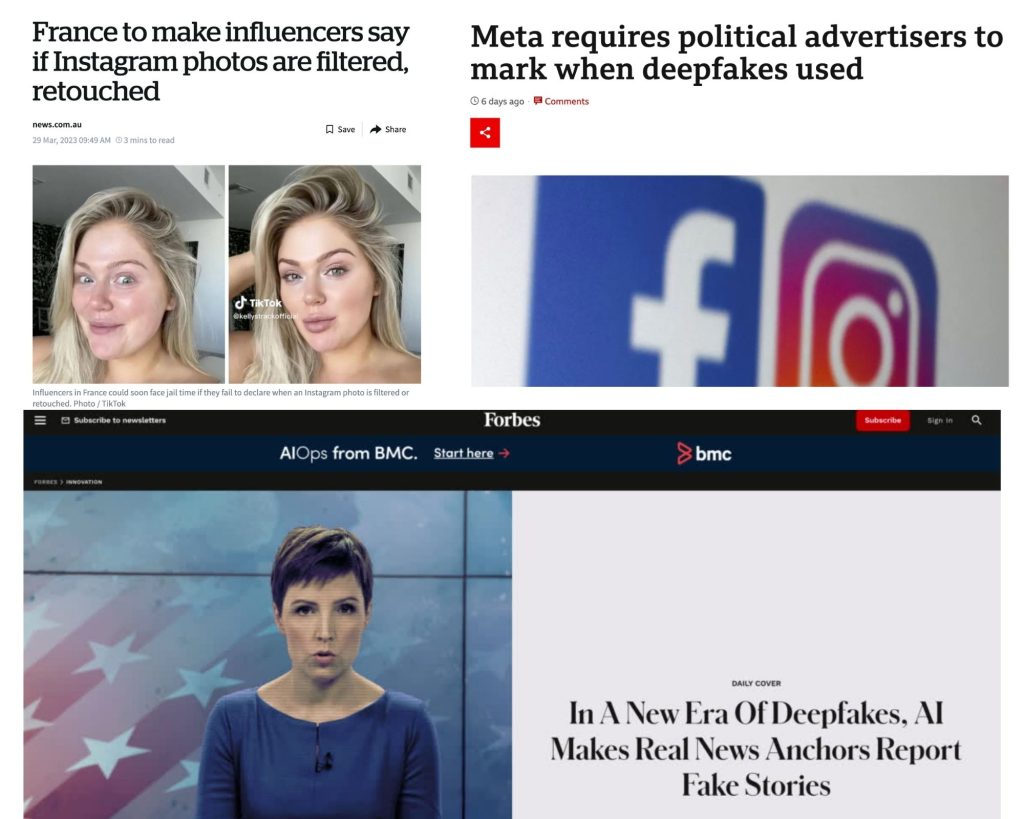 There’s one question that is going to be asked more and more frequently – is it real or is it fake? While the lines are getting blurry by the minute, the need for truth, authenticity, and real emotions grows stronger.
On the other side, the so-called “fake” – the metaverse, virtual worlds, and AI tools – are constantly expanding, and by now, we can say with certainty the future holds a combination of those two in every aspect of life – from fashion and entertainment to education.
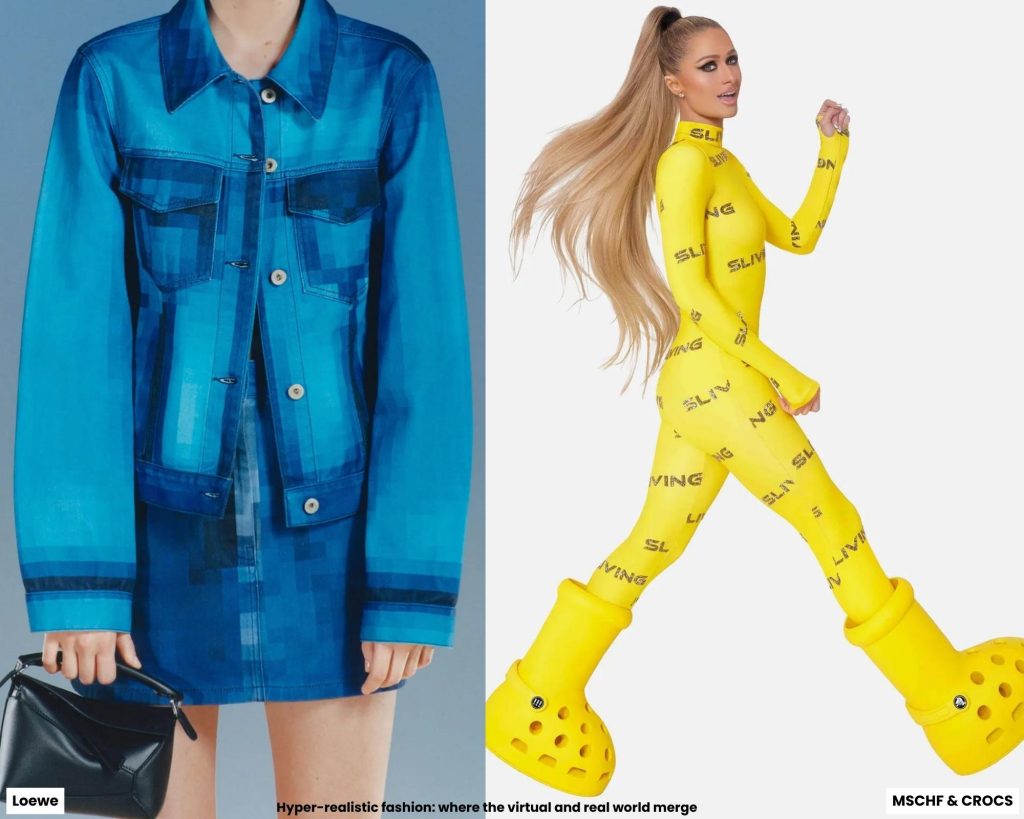
Welcome to a phygital world
One of the leading trends in recent years is “the combination of physical and digital for enhanced experiences,” as defined by Forbes. With a boost from tech and AI specifically, consumers are able to participate in immersive experiences like never before.
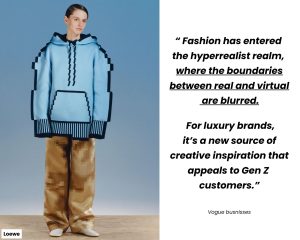
 While all things phygital are embedded in reality, an interesting evolution of the tension between physical and digital, or “real” and “fake” is the two trying to mimic each other. We can often spot fashion and other products trying to play tricks on us and make us question whether it’s real or CGI. The real world is imitating digital aesthetics, and the virtual world is emulating real life.
 So what does it all mean? Is it good or is it bad?
The dark side
One could argue that one of humanity’s greatest challenges in recent years is the battle for truth. Against the backdrop of social media’s global reach, spreading fake news for propaganda purposes is a true 21st-century pandemic, only made worse by one of the most interesting developments in tech – deepfake.
While there are more evil uses of deepfake, in porn and current events-related issues, for example, the growing elusiveness of the truth affects the fashion industry as well. Copyright infringement, intellectual property violations, and the overall lack of originality are thriving thanks to deepfake technology and other generative AI tools like ChaptGPT, Midjounrey, and Dall-E.
From the consumer side, deception is the real problem. It started with photoshopping and unattainable standards and extends to the inability to trust brands and make informed decisions.
The bright side
The good news is – fake can be a blessing. Let’s overlook the negative connotation and dive into the meaning as it relates to fashion – “fake” can equal “alternative.”
Sustainable future
The fashion industry’s negative environmental impact is one of the biggest liabilities of the business. Pollution, carbon emissions, and enormous amounts of waste are just a few of fashion’s very real contributions to the climate crisis. Using “fake” materials and virtual sources is a huge step in the right direction toward a more sustainable industry and reducing its most harmful effects.
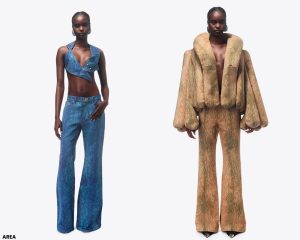 There are so many innovative options to implement it in fashionable and creative ways, and Kornit Digital’s cutting-edge technology is a perfect example. Using the most advanced and high-quality digital printing, provides the opportunity to create textiles with life-like textures of fur, leather, and even synthetic materials.
Digitally created textiles come with a bonus – a real space for designers to experiment on a small scale with minor consequences to the environment.
That freedom extends beyond alternative materials in real life – “the pinnacle of freedom is doing whatever you want without any material constraints,” Brown University’s Lindsay Caplan told The New Yorker regarding interior design imagery on social media, despite her reservations.”Nothing is unaffordable in a CGI dreamscape, and rent is never due.”
 With the freedom to explore and experiment comes a golden opportunity to make meaningful changes in brand identity, visibility, and reputation. And with every evolution comes regulation, which will be sure to expand and affect all stakeholders in fashion and tech.
 Immersive experiences
From concept stores to online shopping, artificial intelligence and technology expand opportunities for both personalized and immersive experiences. Cher’s dream closet app in Clueless is now a reality thanks to AI technology. Personal avatars, virtual dressing rooms, and even well-targeted ads offer consumers better shopping practices.
The next level of fashion ventures not only integrates tech for enhanced experiences on the runway, e-commerce sites, and in stores, but also immerses itself completely in virtual clothes and events in the metaverse, forming new “fake” spaces for people to express themselves and participate in ways they would have never been able to in the past.
The bottom line
Fake it so you make it
Utilize the benefits of technology for better processes and more creative freedom. Don’t get left behind because of fear or doubts about digital innovation, new mediums, and AI, find a way to harness it in your favor.
Stay authentic
Don’t lose your DNA to the overflow of technological opportunities. In a world of blurred lines and mixed realities, there’s one thing that never changes – the desire for authenticity. Stay true to your values and core principles, those should never be faked.
Get on board
The world is changing. The future is going to look and feel different. Like the internet revolution, so will AI affect and change how we communicate and work, and even introduce new jobs and innovations across every aspect of our lives, so embrace the change.