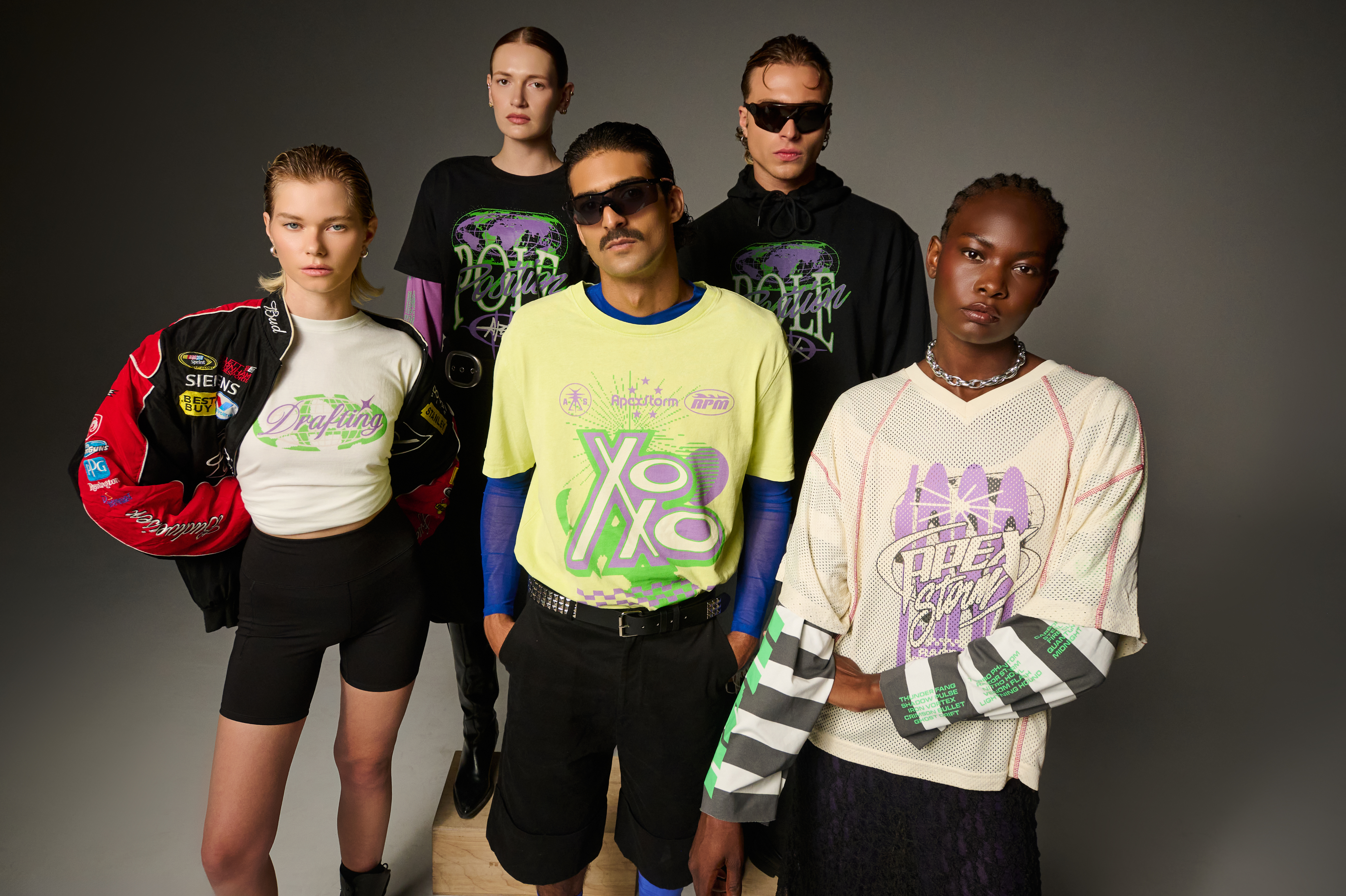
Kornit’s printing solutions allow you to produce apparel on-demand, eliminating the need for large quantities of inventory. By printing only what you need when you need it, you can significantly reduce excess stock and associated holding costs.
What is the advantage of on-demand production?
On-demand production minimizes the risk of overstocking or understocking, reduces storage costs, and ensures your products are always available to meet customer demand. It also allows you to respond quickly to changing market trends and customer preferences, promoting personalization and customization.
Is Kornit’s technology suitable for seasonal products and collections?
Absolutely. Kornit’s on-demand production is ideal for managing seasonal fluctuations. You can efficiently produce seasonal items without the risk of excess inventory at the end of the season.
Is a print-on-demand business profitable?
A print-on-demand business can be profitable with the right niche, quality designs, and effective marketing. Low startup costs make it accessible for many entrepreneurs. Here is some information on how to start a print on demand business.
How quickly can I get started producing on-demand with Kornit?
Implementation timelines vary depending on your specific needs and existing infrastructure. Our team will work closely with you to ensure a smooth and efficient onboarding process.
Can Kornit’s solutions integrate with my existing supply chain processes?
Yes, Kornit’s solutions are designed to seamlessly integrate into your current supply chain mechanisms. Our goal is to eliminate operational hurdles and enhance your existing processes.
DTG and Roll-to-Roll Printing Technologies
Do Kornit's digital printing solutions require manual pretreatment?
No. Kornit's single-step digital printing solutions integrate pretreatment directly into the printing
process across its DTG and Roll-to-Roll portfolio, eliminating the separate manual pretreatment stage
that slows down traditional printing workflows. Presto MAX PLUS further streamlines Roll-to-Roll
production with DuraTech™ enhancer for superior durability, while Atlas MATRIX uses Karbon
Technology to run cotton, polyester, and blends on a single system without the dye migration issues
that typically require extra treatment steps. The result: fewer production steps, fewer operators, faster
changeovers, and consistent output validated by QualiSet autonomous calibration — turning what used
to be a bottleneck into a profit center.
What type of ink is used in a direct-to-garment printer?
Kornit DTG printers use sustainable water-based pigment inks, which are designed to bond with fabric. These inks are safe for the environment and skin. Kornit Digital is fully dedicated to sustainable textile printing practices.
What is direct printing on fabric?
Direct printing on fabric is the process of applying designs directly onto textiles using specialized printers. This method allows for detailed and vivid prints on various fabric types.
What is required for DTF printing?
DTF printing requires a DTF printer, heat press, PET transfer film, adhesive powder, and special DTF inks.
Does digital printing last on shirts?
Yes, if applied with proper equipment, digital printing lasts well, especially when cared for properly. Prints made with Kornit’s printers can last for many years. To keep their brightness, wash in cold water and avoid harsh detergents or high-heat drying.
Screen Printing and Other Printing Technologies
What's the difference between pigment and reactive dye printing, and why does it matter for my business?
Reactive dyes chemically bond primarily to cellulosic fibers like cotton but require multi-step wet
processing, including steaming, washing, and drying, which consumes significant water, energy, and
production time. Kornit's water-based pigment ink technology enables printing on a broader range of
fabrics, including cotton, viscose, polyester, blends, leather, and more. Its single-step digital process
applies and fixes color with no pre- or post-washing required, helping reduce water and energy use
compared with conventional printing processes. Advanced ink sets like NeoPigment™ Robusto and Eco-
Rapid deliver vibrant colors and high durability, supported by recognized textile industry certifications,
including GOTS, bluesign®, and ECO PASSPORT. The result is high-quality digital printing across multiple
fabric types, with fewer production steps, greater operational efficiency, and reduced resource
consumption.
What is the difference between screen printing and digital printing?
Screen printing uses stencils and ink layers for designs, while digital printing applies ink directly to the fabric. Digital printing is faster, more eco-friendly, and more cost-effective for short-medium runs.
What materials are needed for screen printing?
Screen printing requires screens, ink, a squeegee, a printing press, and a heat source for curing the designs.
How does digital quality compare to screen printing?
In many cases, digital printing provides consistent results that meet or exceed screen quality for most applications. For example, Kornit MAX Technology delivers vibrant color, fine detail, and excellent durability.
Digital printing is too expensive. Why should I use it?
With no screens, no setups, minimal waste, and fast changeovers, digital lowers overall operational costs. It also maximizes profitability across a wide range of order sizes.
How many shirts can you screen print in an hour?
The number of shirts you can screen print in an hour depends on the setup, equipment, and complexity of the design. On average, a professional setup can handle 400-500 shirts per hour. Improved efficiency comes with experience and the right equipment.
How does Kornit technology support businesses shifting from screen to digital printing?
Kornit’s technology streamlines the transition from screen printing to digital by offering cost-effective, high-quality solutions for short to medium runs. It eliminates setup time, reduces waste, and lowers labor costs through automated processes, enabling faster turnarounds. This flexibility empowers businesses to create diverse, consistent designs and adapt swiftly to customer needs.More questions about screen printing are addressed on our Retail Mass Production page.
Kornit Printers & Capabilities
How does Kornit ensure the quality of printed garments?
How does Kornit ensure the quality of printed garments?
Kornit’s technology is renowned for its quality and consistency. We provide solutions that maintain high-quality standards throughout the production process, ensuring that your printed garments meet your brand’s specifications every time.
What Is the Difference Between Atlas MAX PLUS, Atlas MAX POLY, and Atlas?
Kornit Atlas Series – Comparison Table
Feature
Atlas MAX Plus
Atlas MAX Poly
Atlas
Primary Use Case
High-volume DTG on natural fibers with MAX effects
DTG on polyester and performance fabrics
Mid–high volume DTG for cotton and blends
Supported Fabrics
Cotton, cotton blends, denim, natural fibers, some synthetics
Kornit offers an All-Inclusive-Click (AIC) business model that allows businesses to access its premium digital printing technology with no upfront CAPEX investment. Learn more about AIC.
Which DTG printer is considered the best currently on the market?
The best DTG printer depends on your needs and production demands. Kornit’s Apollo is one of the most advanced mass-production DTG printers, while Atlas MAX POLY is perfect for printing on polyester.
Sustainability + General
Is DTG printing environmentally friendly?
DTG printing is environmentally friendly when done with printers that leverage water-based inks. This sustainable textile printing method produces less waste compared to other methods like screen printing.
Can Kornit help with my sustainability initiatives?
Yes, Kornit is committed to sustainability. By reducing excess inventory and waste, our solutions align with eco-friendly practices. Additionally, our green printing solutions further support your efforts to resonate with environmentally conscious consumers.
What environmental certifications apply to Kornit inks and printing processes?
Kornit’sink and printing processes carry a number of certifications and meet several environmental and safety standards.
Certification / Standard
What It Means / Relevance
OEKO‑TEX® ECO PASSPORT
Kornit Digital is granted the ECO PASSPORT certification — meaning its inks/auxiliaries meet strict safety and environmental criteria.
Global Organic Textile Standard (GOTS) (as ink/auxiliary approval)
Kornit’s inks/auxiliaries are approved under GOTS for use as inputs in GOTS-certified textile manufacturing.
Bluesign® (or “Bluesign-partner / approval”)
Kornit complies with Bluesign standards for chemicals/inks, a known textile-industry certification for chemical safety and ecological production.
Kornit inks are listed under ZDHC ChemCheck summary, indicating compliance with restricted-substance guidelines common in responsible textile supply chains.
Free of certain hazardous substances (heavy metals, formaldehyde, APE, animal by-products, etc.)
Kornit’s proprietary ink technology, NeoPigment™ inks, is water-based, non-toxic, and free from heavy metals, formaldehyde and other harmful chemicals.
Compliance with safety regulations (e.g., CPSIA for the US market)
For certain inks (e.g., for children’s wear), Kornit complies with CPSIA standards.
Kornit Support, Service & Contact Information
What ongoing support does Kornit offer?
Kornit provides comprehensive support and training to ensure you get the most out of our solutions. Our customer support team is always available to assist you with any questions or issues.
How do I get in touch with Kornit to learn more about what it can do for me?
We’d love to hear from you! Please fill out the form below to get in touch with our team. We’ll be happy to discuss your specific needs and provide more information on how Kornit can benefit your brand.