Screen Printing vs Embroidery: Which One Works Best

When a business decides to create personalized apparel, decision-makers have to choose from multiple options. Some of the popular choices that often come up are screen printing and embroidery.
Kornit Digital is the leader in direct to garment printing sector. While offering cutting-edge digital printing machines, it also explores other options. Understanding the differences between screen printing and embroidery is critical to making informed decisions about your production needs.
What Is Screen Printing?
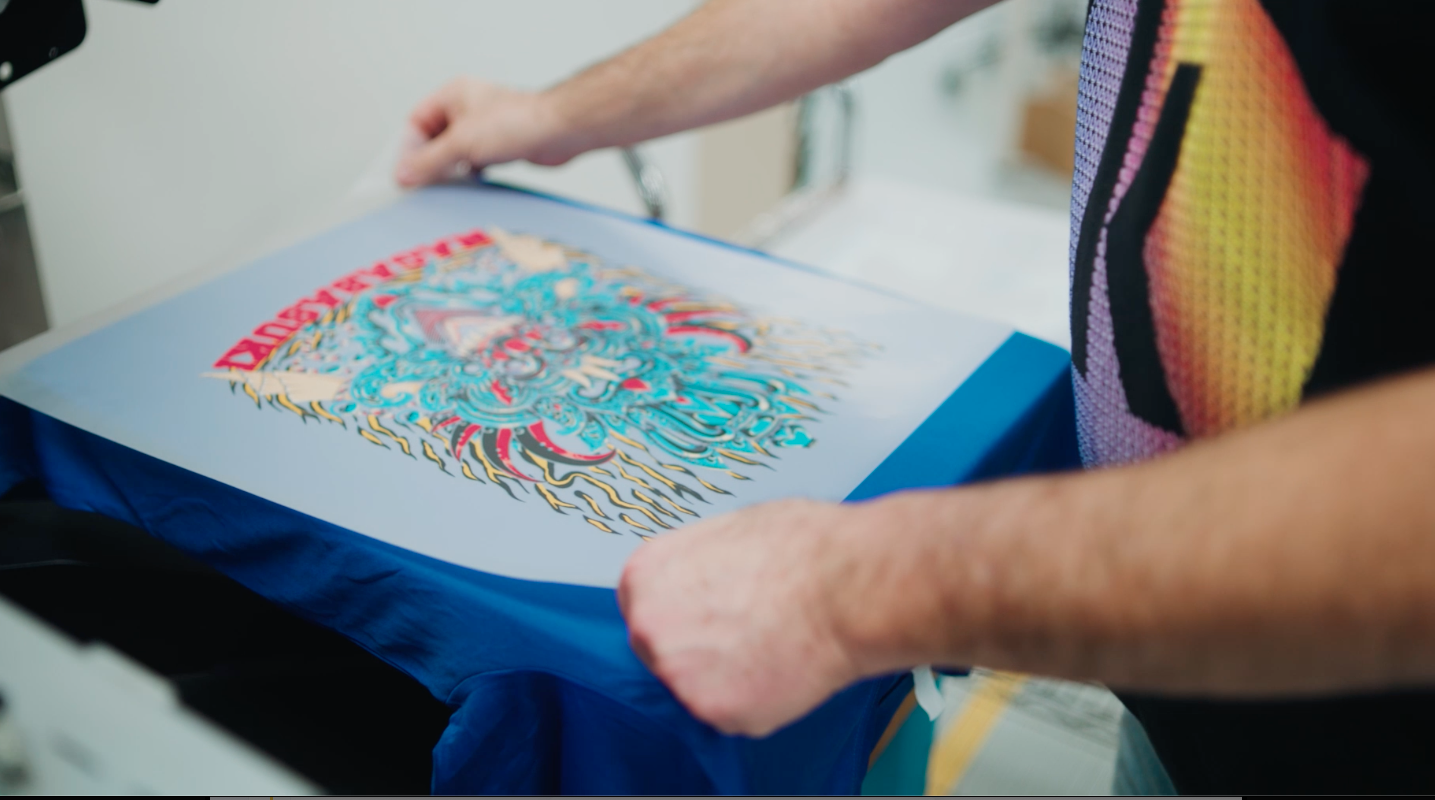
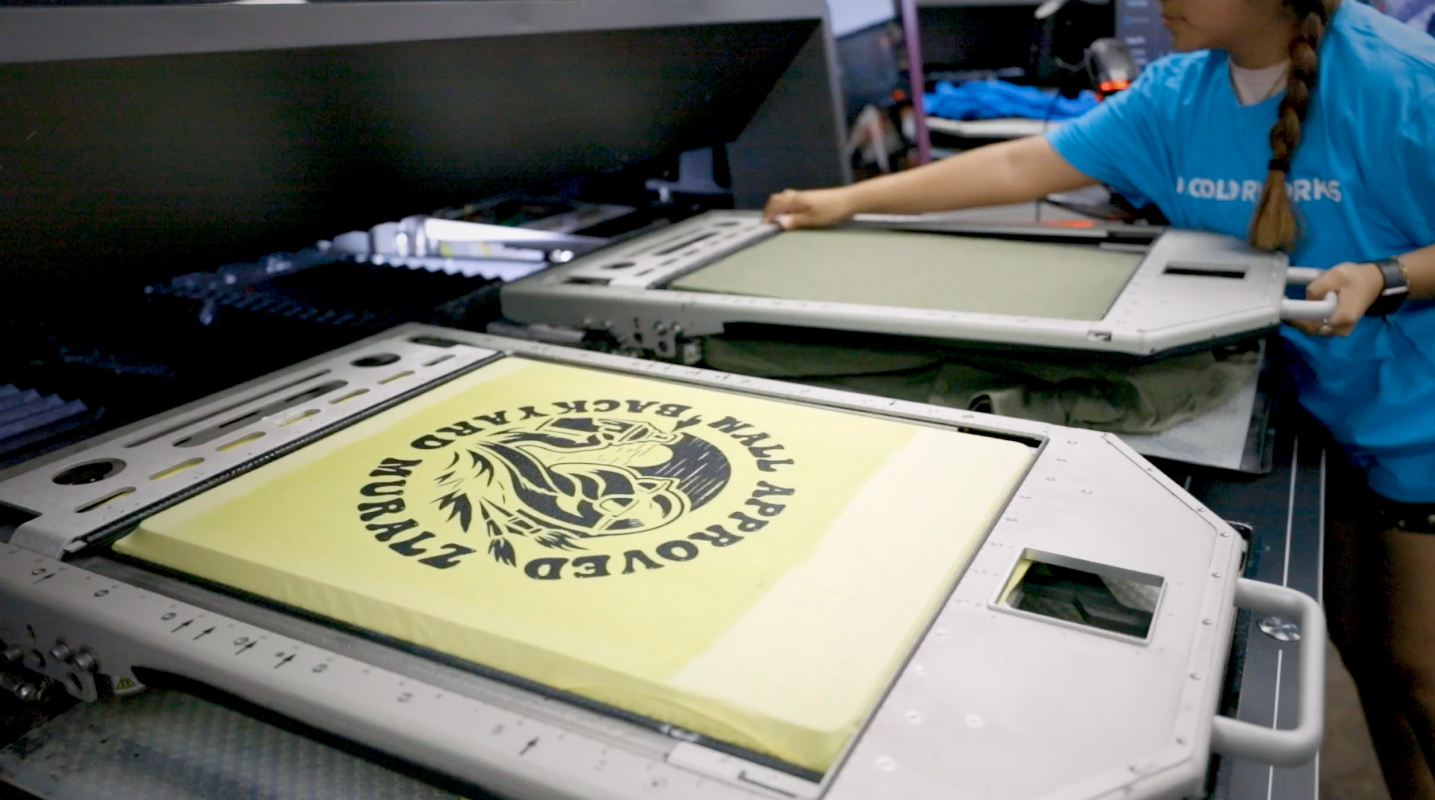
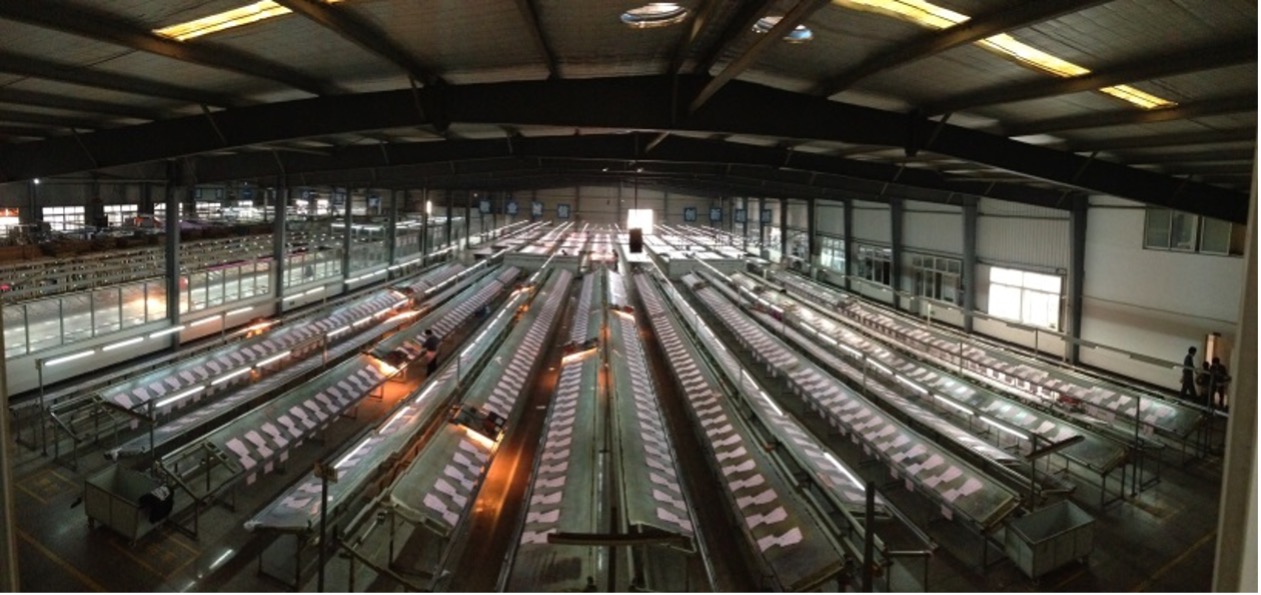
Screen printing is a traditional printing method that uses a mesh screen, stencil, and ink to transfer designs onto a surface, most commonly fabric. The process involves creating a stencil (or “screen”), applying ink through the mesh, and pressing it onto the material. Each color in a design requires its own screen, which makes multicolor printing more time-intensive.
This type of printing is a popular choice for producing b vibrant designs on apparel, promotional items, and more. However, the method involves a higher environmental footprint, particularly with the use of chemical inks and significant water consumption.
Screen Printing vs. DTG Printing
While screen printing has been a go-to method for decades, DTG printing offers a modern, sustainable alternative. Unlike screen printing, which involves creating stencils and layering inks, DTG printing uses advanced digital technology to print designs directly onto garments. DTG eliminates the need for screens, significantly reduces water usage, and uses eco-friendly inks.
Kornit takes a special approach to sustainable textile printing. With Kornit’s machines, you can create detailed designs without the environmental toll associated with traditional printing methods.
To learn more about the differences between these two methods, check out this in-depth guide on DTG printing vs. screen printing.
What Is Embroidery?
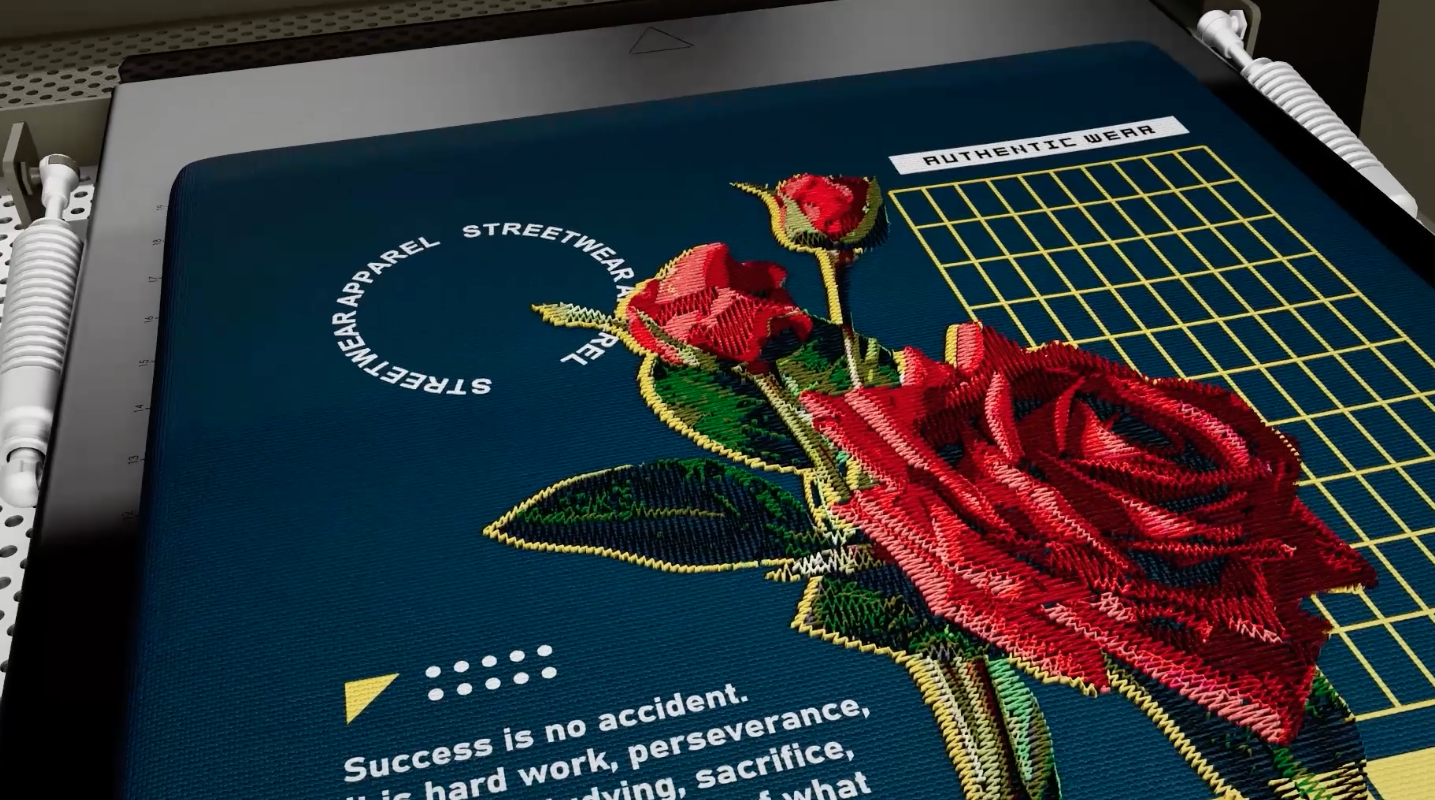
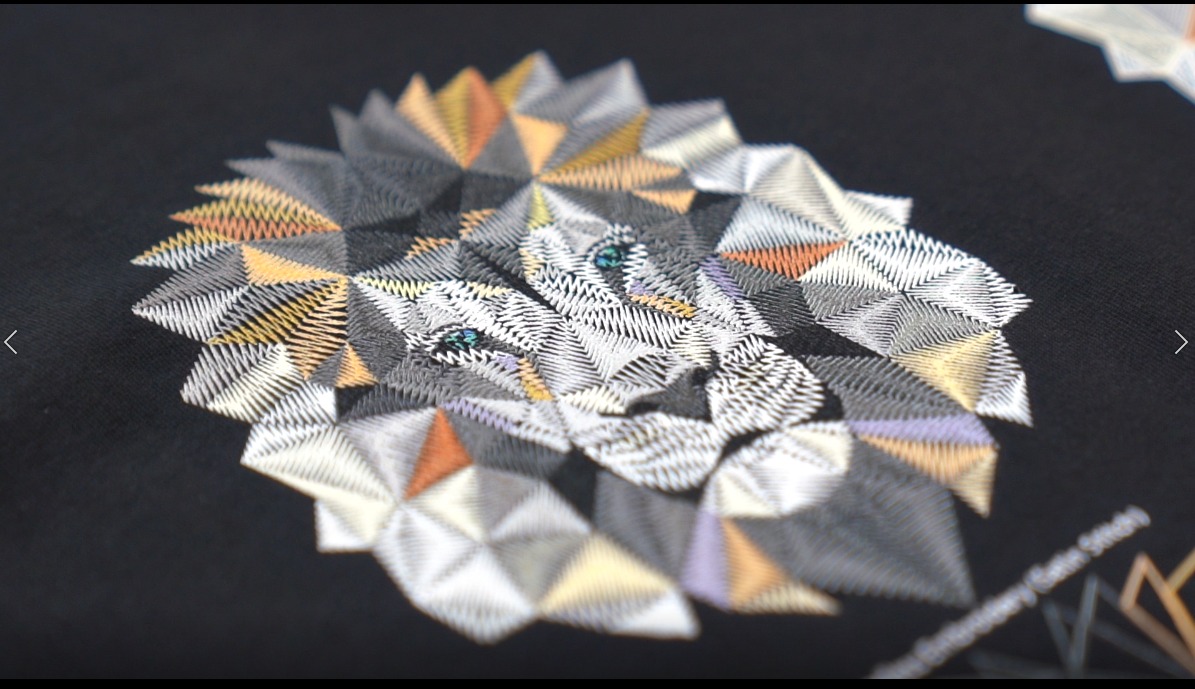
Embroidery is a decorative stitching technique that uses thread to create raised designs on fabric. This method dates back centuries and is known for its durability and premium appearance. Embroidery is commonly used for branding logos on uniforms, hats, and bags.
The process begins with a digital embroidery file that guides the stitching. Specialized embroidery machines use needles and thread to sew designs directly onto the fabric. While embroidery excels in quality and longevity, it may not be ideal for all designs, particularly highly detailed or intricate artwork.
How Does Embroidery Work?
Embroidery involves several steps:
- Design Digitization: The artwork is converted into a format that embroidery machines can read. This process defines the stitch type, direction, and order.
- Machine Setup: The fabric is hooped and positioned under the machine’s needles.
- Stitching: The machine sews the design onto the fabric using pre-selected thread colors.
Embroidery works best on thicker fabrics like cotton, denim, or canvas because these materials can withstand the tension of stitching without distortion.
Screen Printing vs. Embroidery
When deciding between screen printing and embroidery, you need to consider several factors. They are:
Durability
- Screen Printing: While screen printing offers vibrant designs, the ink can fade over time with frequent washing. High-quality inks and proper garment care can extend its lifespan.
- Embroidery: Embroidery is highly durable, as the thread is stitched directly into the fabric. This ensures long-lasting designs that resist fading or damage from wear.
Appearance
- Screen Printing: Screen printing creates a smooth, flat finish that works well for vibrant and detailed designs. It’s ideal for artwork with gradients and bold graphics.
- Embroidery: Embroidery adds texture and dimension to designs to give them a raised look. This method delivers a premium, professional aesthetic.
Design Complexity
- Screen Printing: This method is perfect for complex, detailed designs and gradient colors. It can handle intricate patterns and high levels of color blending.
- Embroidery: Embroidery works best for simple, bold designs. Complex or very small details may not translate as effectively due to stitching limitations.
Best Fabric Types
- Screen Printing: Versatile and compatible with most fabrics, screen printing works particularly well on cotton, polyester, and blends.
- Embroidery: Best suited for heavier, sturdy fabrics like denim and thick cotton. Delicate materials may not hold up well under the tension of stitching.
Cost
- Screen Printing: This method is usually more cost-effective for large orders, as setup costs (e.g., creating screens) are spread across multiple prints.
- Embroidery: Tends to be more expensive due to higher labor and material costs, especially for intricate designs or multiple thread colors.
Tactility
- Screen Printing: Designs often have a lightweight feel, though thicker ink layers can create a slightly stiff texture.
- Embroidery: Embroidered designs feel heavier due to the stitched threads, particularly in dense patterns.
Which One Is Right for Your Business?
Screen printing is best for custom t-shirts, large orders, and promotional items that require bold graphics. Meanwhile, embroidery is ideal for uniforms, hats, and products where a high-end appearance is a priority.
Choosing the Best Printing Method with Kornit
The choice between screen printing and embroidery depends on your business needs, design goals, and target audience. Kornit Digital provides a third, innovative option that combines the best of both worlds. Our DTG printing machines deliver high-quality designs with the added benefits of speed and sustainability.
By choosing Kornit, you can reduce environmental impact while meeting customer demands for personalized, on-demand printing.
Frequently Asked Questions about Screen Printing and Embroidery
What are four disadvantages of screen printing?
The four disadvantages of screen printing are:
- High setup costs for multicolor designs
- Significant environmental impact due to water and chemical use
- Limited suitability for short-run projects
- Ink can fade over time, reducing durability
Is screen print or embroidery better for polo shirts?
Embroidery is better for polo shirts, as it offers a professional, polished appearance and holds up well on thicker fabrics.
What is better than screen printing?
DTG printing offers a superior alternative to screen printing, providing beautiful designs with minimal environmental impact and no need for screens or stencils.