DTF Printing for On-Demand Apparel Fulfillment: Building the Right Production Mix
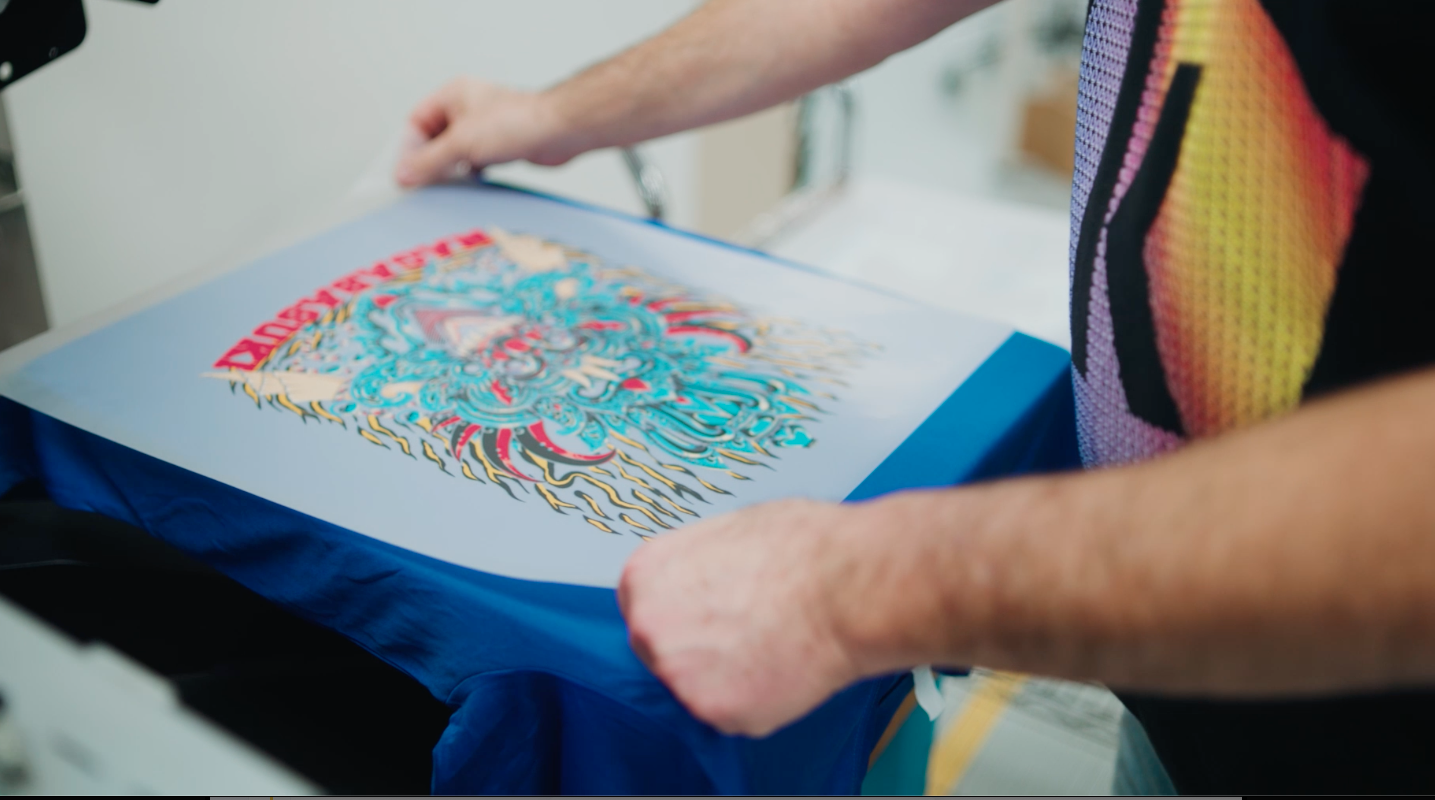
On-demand apparel production has become a serious business model for brands, retailers, and fulfillment companies. Customers want more designs, shorter runs, and faster delivery. At the same time, print businesses need to protect margins and keep production moving.
That creates a practical challenge.
No single decoration method is right for every job. DTG, DTF, and screen printing can all play a role. The question is how to use each one correctly.
For printing companies, DTF printing becomes especially interesting. It can support flexible order sizes and mixed fabric needs. It can also help producers expand their offering without forcing every job through the same workflow.
Key Takeaways
- DTF printing can support flexible, on-demand apparel fulfillment.
- DTG, DTF, and screen printing each have a clear production role.
- The strongest print businesses route each job to the method that protects speed and margin.
- Kornit Atlas MATRIX helps producers combine direct printing and advanced DTF capabilities in one industrial platform.
Why On-Demand Apparel Needs More Than One Print Method
On-demand apparel is built around variety. One order may include a full-color design on cotton T-shirts. Another may require performance apparel. A third may involve a small test drop before a larger launch.
While this variety is good for business, it can create pressure on production. If every order goes through the same method, the workflow can become slow or expensive.
That is why print businesses need a smarter production mix.
- Screen printing can still be the right choice for large repeat runs.
- DTG is strong for direct printing on garments with complex artwork.
- DTF can add flexibility for transfer-based production and broader fabric needs.
The best production model doesn’t use the same technology to solve every problem. It uses the right method for the right job.
Start with Order Routing, Not Equipment
Many businesses think about expansion by asking, “Which printer should we buy?”
That question matters, but it should not come first. The better starting point is order routing.
- Which jobs are slowing down production?
- Which jobs are being rejected?
- Which jobs are profitable but hard to fit into the current workflow?
A screen printer may be losing small orders with detailed graphics. A fulfillment company may struggle with mixed garments in the same campaign. A brand partner may want to test several designs before committing to volume.
These are routing problems.
Once the business understands where the pressure is coming from, it can decide where DTF fits. In some cases, DTF may support fabric flexibility. In others, DTG may be the better answer. For large and simple repeat orders, screen printing may still win.
A profitable production mix starts with knowing where each order belongs.
When DTG Is the Better Fit
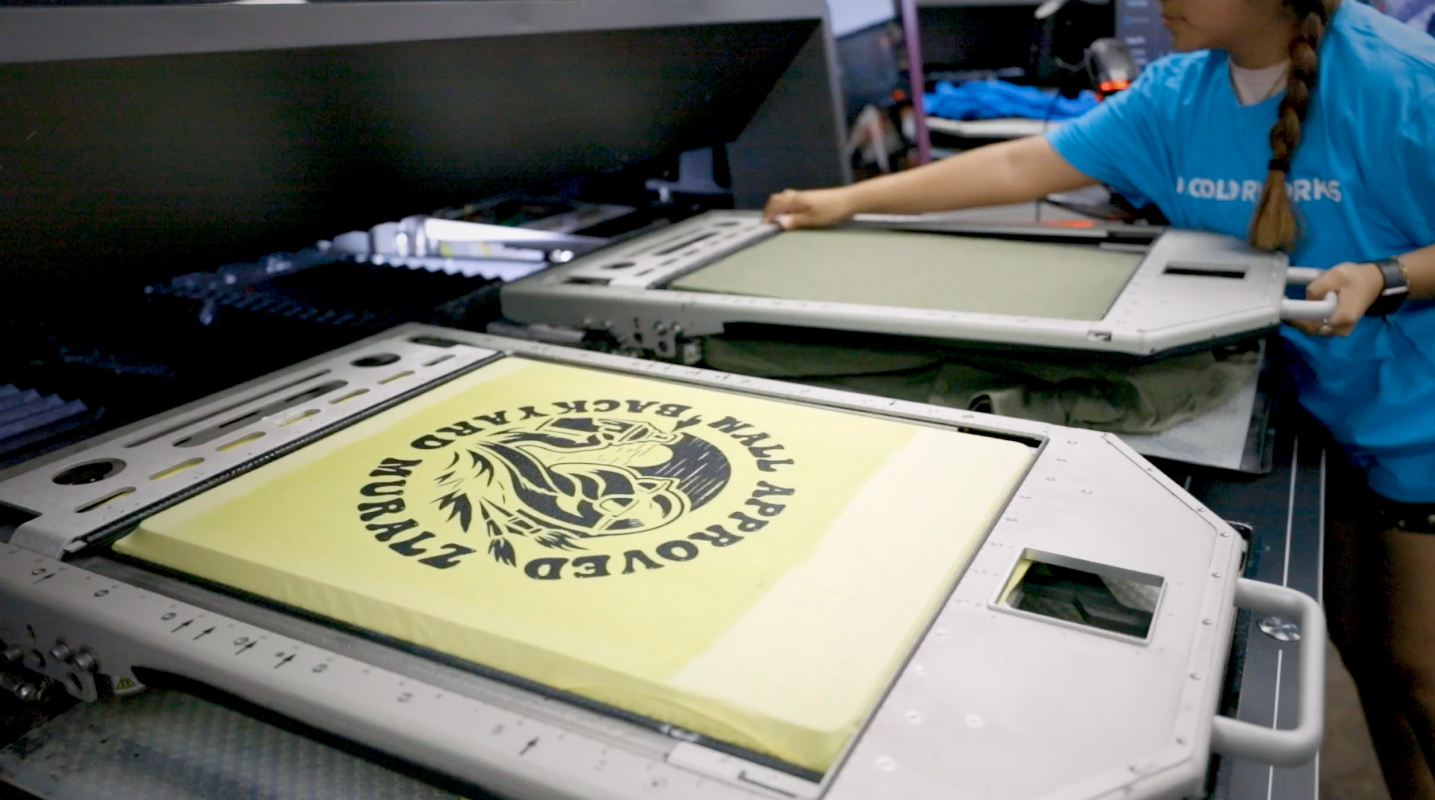
DTG printing is often the right fit when the design should be printed directly onto the garment.
It works especially well for full-color artwork, detailed graphics, and personalized items. It also helps when the business needs fast sampling or small-batch production.
For on-demand apparel, DTG is valuable because it removes many setup barriers. There are no screens to prepare for every design. This makes it easier to accept orders that would be difficult to price through traditional screen printing.
DTG can be a strong option for:
- Cotton-rich garments
- One-off or short-run orders
- Personalized products
For fulfillment businesses, this matters. A customer may order one printed T-shirt today and a different design tomorrow. DTG helps support that demand without turning every order into a setup project.
When DTF Printing Adds Value
DTF printing plays a different role.
Because the design is printed onto a film and then transferred, DTF can help producers handle jobs where transfer decoration makes sense. This can include mixed fabric orders, specialty placements, or products that aren’t ideal for direct printing.
For on-demand apparel fulfillment, DTF can be useful when the business needs more flexibility across garment types. It can also support production models where transfers are prepared separately and applied when needed.
This makes DTF valuable for:
- Mixed fabric programs
- Smaller apparel drops
- Transfer-based workflows
The benefit is flexibility. A producer can support more order types without sending every job through the same production path.
How DTF Supports On-Demand Fulfillment
On-demand fulfillment depends on speed and control. Orders need to move from online purchase to production quickly. Artwork needs to be prepared correctly while garments need to be decorated with consistent quality.
DTF can support this by giving producers another route for flexible decoration. It can help when order sizes are small or when product types change often.
Where Kornit Atlas MATRIX Fits
Kornit Atlas MATRIX is built for businesses that need industrial flexibility.
It brings together direct printing and advanced DTF capabilities in a unified platform. It also supports cotton, dark polyester, and blends. That is important because on-demand apparel rarely follows one simple pattern.
A producer may need to handle fashion T-shirts, sportswear, athleisure, and promotional apparel. Each category can have different fabric needs and different customer expectations.
Atlas MATRIX helps simplify that mix.
It supports a broader digital production strategy instead of creating separate islands of equipment. This gives producers more flexibility when deciding whether a job should run through DTG or DTF.
The Profit Angle
For print businesses, flexibility only matters if it supports profit.
DTF can help businesses accept orders they might otherwise reject. It can also help expand the product mix without depending on large minimum quantities.
But profitability still depends on execution.
The business needs to price jobs correctly. It needs to control labor and avoid reprints and production bottlenecks.
This is why DTF should be part of a production strategy, not just a service added to the website.
When DTG, DTF, and screen printing work together, the business can protect capacity and improve responsiveness. It can also serve more customer needs without adding unnecessary complexity.
The Bottom Line
DTF printing is helping reshape on-demand apparel fulfillment because it adds flexibility where many businesses need it most.
But the bigger opportunity is not DTF alone.
It is the ability to build a production mix that matches each job to the right process. DTG, DTF, and screen printing all have value when they are used correctly.
On-demand apparel is moving fast.
The print businesses that grow will be the ones that can move fast too, without forcing every order into the same production model.
Want to see how Kornit Atlas MATRIX can help you build a smarter digital production mix? Let’s talk.