Paper Printing and Textile Printing: A Powerful Tandem
The world of commercial printing is constantly changing. From sustainability concerns to emerging technologies, commercial printers must remain highly flexible. One of the ways to stay competitive is to explore other audiences, technologies, and strategies.
That’s where digital textile printing comes in.
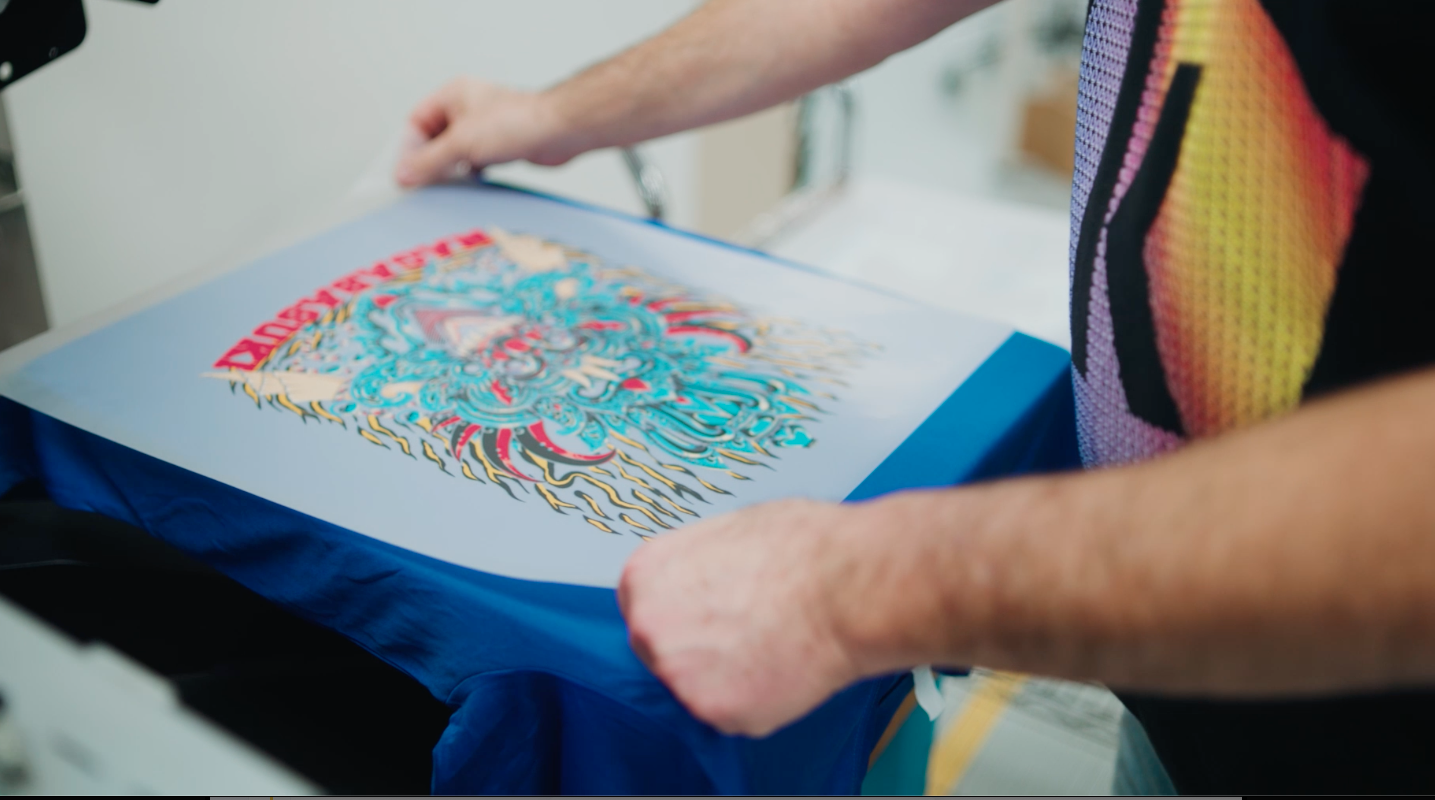
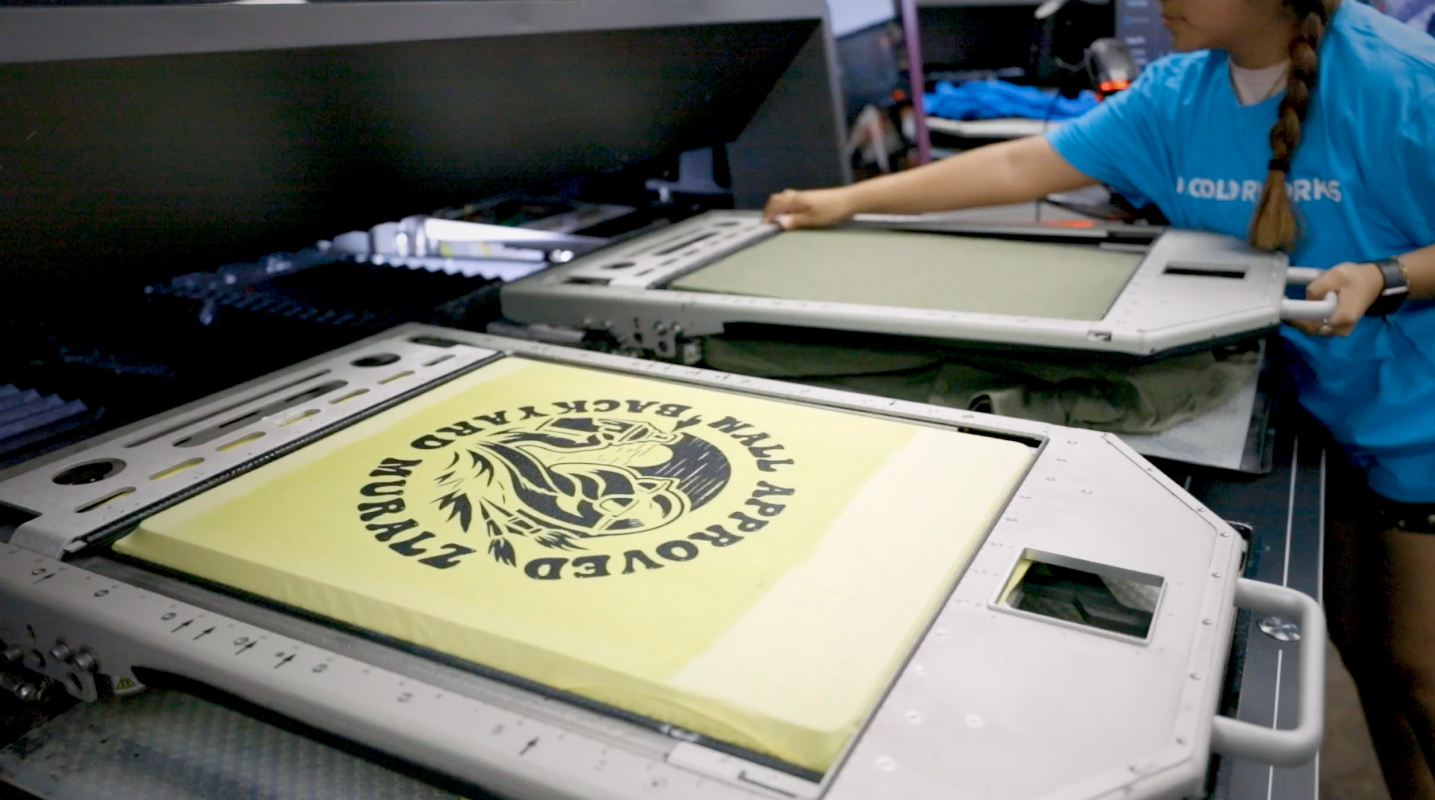
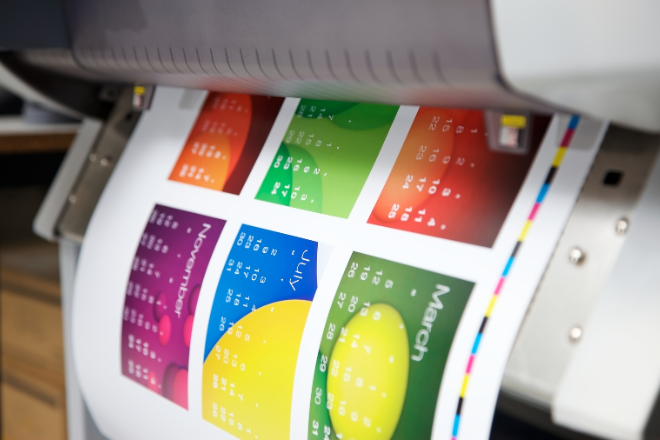
While it may seem like an entirely different niche at first, digital textile printing is simply a yang to commercial printing’s yin. By leveraging paper and textile printing together, commercial printers can achieve new business heights.
Why Commercial Printers Should Leverage Digital Textile Printing
Commercial printers are not insulated from these market shifts and consumer preferences. They now stand at the crossroads of an industry primed for innovation.
As one of the industry players, you can benefit from expanding your offer to digital textile printing solutions.
Here are just a few reasons why it can work.
High ROI
Investing in a digital textile printer represents a significant but justifiable expense. Demand for custom and limited-run textile print jobs, which command higher premiums than traditional paper printing orders grows quickly. This increases the ROI of implementing the new printing method.
The global digital textile printing market was worth $2.79B in 2023. It’s expected to grow at a CAGR of 13.1% between 2024 and 2032.
New Audience Segments
The customization culture, particularly prominent amongst younger demographics like Gen Z, underscores the potential for new customer bases. By expanding into textile printing, commercial printers can tap into innovative and growing markets.
New Revenue Streams
Textile printing opens new doors to revenue. From apparel and home textile markets to retail signage and event branding, the applications for digital textile printing are vast and varied. Printing companies that adopt diversified streams of income can balance and grow their businesses.
Sustainability
Digital textile printing, when compared to traditional methods, offers a more sustainable approach. It reduces water wastage, limits chemical usage, and minimizes the detrimental environmental impact.
The growing focus on eco-friendly practices favors the digital textile printing approach and helps commercial printers improve their brand image.
Opportunities for Expansion
Digital textile printing provides a foothold in markets where printed paper products have little to no reach. This market entry allows commercial printers to diversify and expand their service offerings to accommodate clients with broader needs.
Adopting Technological Revolution
Commercial printers that integrate digital textile printing are not just offering another service. They are adopting a technological revolution that brings their brands into the modern age. With the right marketing efforts, this shift can position your brand as a forward-thinking innovator.
Comprehensive Offer
By providing both paper and digital textile printing, commercial printers can become a one-stop shop for their clients. This convenience, along with complementary services, can strengthen client relationships and increase customer lifetime value (LTV).
The Demand for Digital Textile Printing
The 21st-century consumer, especially the Gen Z segment, is no longer satisfied with the mass-produced, one-size-fits-all solutions. The rise of fast fashion and custom design demands in the retail sector reflects a growing consumer appetite for individuality. This demand calls for solutions provided by digital textile printing.
Artistic and creative communities are also increasingly turning to custom-printed fabrics to express their visions. And it’s not just about personal expression. Functional and utilitarian textiles, such as those used in home furnishings and automotive interiors, are also benefiting from digital textile printing solutions.
Complement Paper Printing by Digital Textile Printing with Kornit Digital
The trajectory of commercial printing is undeniably shifting towards digital. By incorporating textile printing, print businesses can ensure they are not left behind. The power of paper may be enduring, but the dynamism of digital textile printing seems to be an integral part of the future.
Kornit Digital, the leading provider of digital textile printing solutions, offers commercial printers a seamless entry into the textile printing niche. Kornit’s printers combine reliability, quality, and efficiency, making them a preferable choice for the transition to the digital textile printing industry.
Let’s talk!