Top Alternatives to Screen Printing in 2026
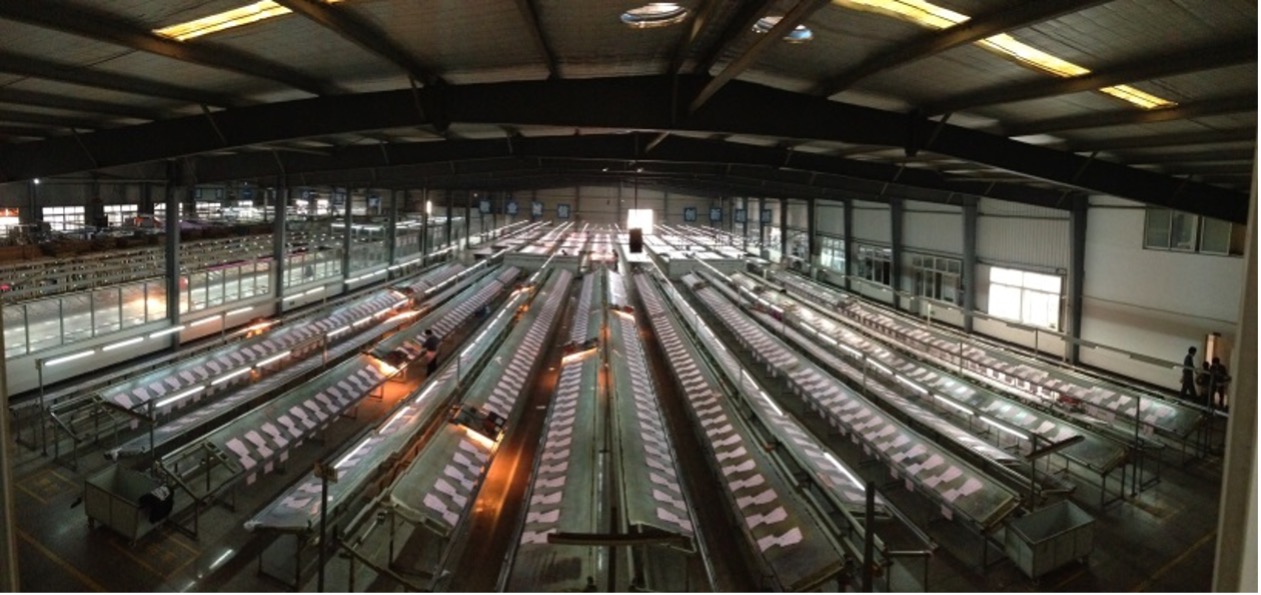
Screen printing is still one of the most trusted methods for high-volume apparel production. It delivers strong color and works well for simple designs. It also remains highly efficient when the same artwork needs to be printed thousands of times.
But the market has changed.
- Customers demand personalization.
- Brands want faster launches.
- Creators want full-color graphics.
- Retailers want shorter runs.
- Fulfillment teams want fewer bottlenecks
A growing share of orders no longer fits the traditional screen printing model.
In 2026, the best question is not whether screen printing is good or bad. The better question is this: when does screen printing make sense, and when is another method more profitable?
Key Takeaways
- Screen printing is still strong for large runs with simple artwork.
- DTG printing is one of the strongest alternatives to screen printing for short runs, complex designs, and fast turnaround.
- DTF printing is gaining attention because it supports a wide range of fabrics and transfer-based workflows.
- The best production model is often hybrid, with screen printing and digital working together.
Why Businesses Are Looking Beyond Screen Printing
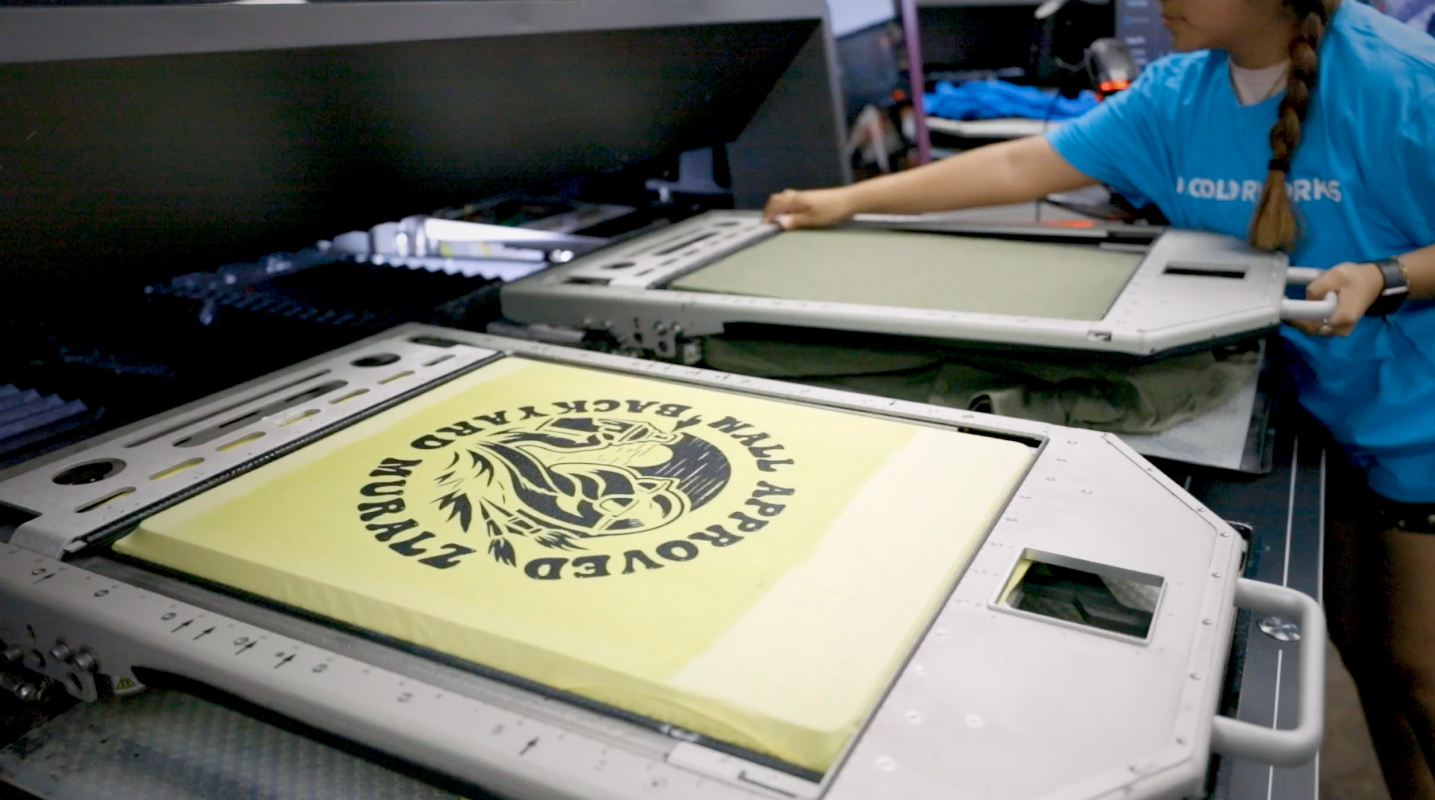
Traditional screen printing was built for repeatability. Once the screens are prepared, it can produce large volumes quickly. That’s why it still works well for bulk orders, simple logos, uniforms, and promotional apparel.
The challenge is setup.
Each color usually needs its own screen. Artwork may need separation. Screens must be prepared, registered, cleaned, and stored or reclaimed. For a large order, that setup cost makes sense. For a smaller order, it can make the job expensive before the first garment is printed.
This is where the market has shifted.
A customer may want 50 garments, not 500. They may want a detailed design with gradients and photographic artwork. They may need a sample today or want to test a drop before committing to a larger run.
For many print businesses, these jobs used to be hard to quote profitably. That is exactly why digital alternatives have become more important.
1. Direct-to-Garment Printing
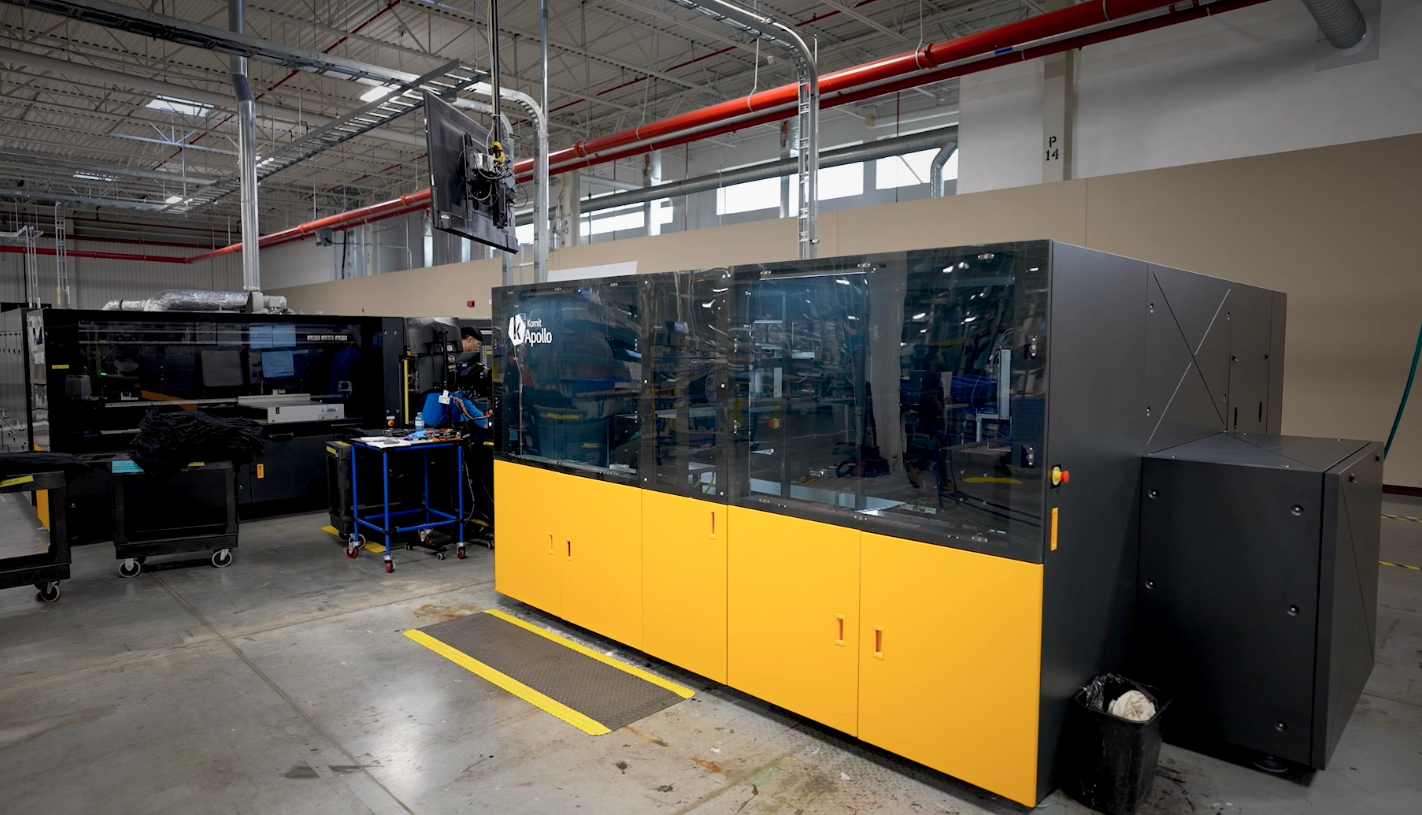
Direct-to-Garment printing, or DTG, is one of the most important alternatives to screen printing.
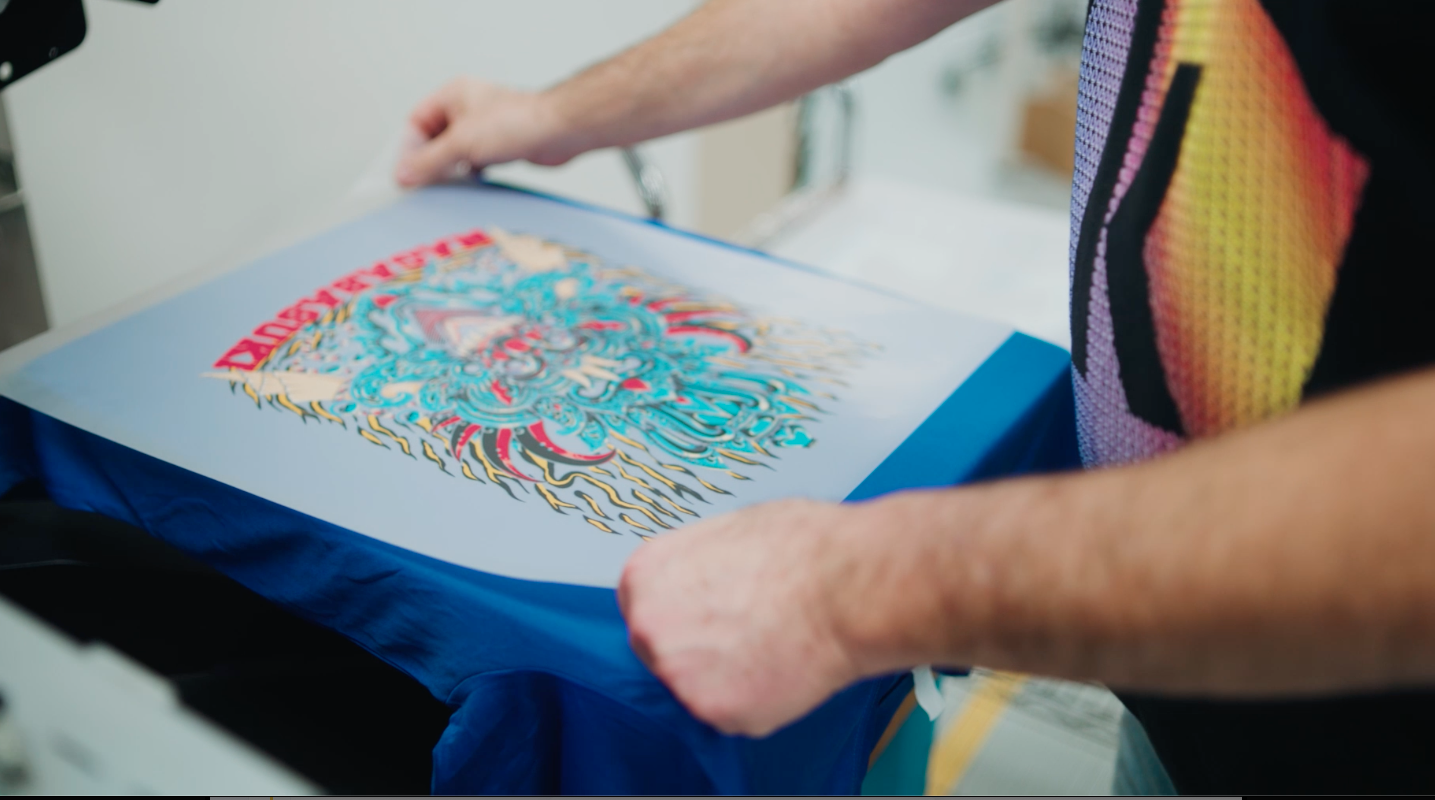
With DTG, the design is printed directly onto the finished garment. There are no screens to burn or no need to separate each color into a different stencil. The artwork moves from digital file to garment with far less setup.
This makes DTG especially useful for complex designs, smaller quantities, personalization, and fast approvals.
Here is how it worked for Fifth Column:
After nearly 50 years in traditional screen printing, Fifth Column moved into digital production with the Kornit Atlas MAX PLUS. The reason was not to abandon screen printing. It was to solve the gap between traditional production and modern demand.
Customers were asking for express orders. They wanted smaller quantities, more colors, and extra speed. What they didn’t want was to give up quality.
In a traditional workflow, a complex low-volume order could require several people and several production steps. With digital production, Fifth Column was able to collapse that process into a single-operator workflow.
That changes more than labor. It changes the business model.
Insert video here: https://www.youtube.com/watch?v=SyHmZBIhCOs&t=54s
DTG helps print businesses say yes to work that used to be too slow, too expensive, or too disruptive.
More about DTG vs Screen Printing.
When DTG Makes Sense
DTG is a strong fit when the job requires:
- Short runs or one-off production
- Detailed artwork with many colors
- Fast sampling and approval
- On-demand fulfillment and personalization
For screen printers, this can be an overflow strategy.
Digital can handle the small, complex, urgent jobs. Screen printing can stay focused on the large-volume work it does best. Together, they create a more flexible production floor.
2. Direct-to-Film Printing
Direct-to-Film printing, or DTF, has become one of the most talked-about apparel decoration methods. It works by printing a design onto a transfer film. Adhesive powder is applied and cured. The transfer is then heat-pressed onto the garment.
The appeal is clear.
DTF can support full-color artwork. It works across many fabric types but doesn’t require the same screen setup as traditional screen printing. It can also be useful for businesses that want to prepare transfers in advance and apply them when needed.
That makes DTF attractive for small runs, mixed orders, specialty placements, and fabric types that can be harder for other methods.
But DTF is not only a small-shop conversation anymore.
Industrial producers are also looking at transfer decoration as part of a broader digital strategy. Kornit Atlas MATRIX is important here because it brings advanced digital production into a more unified workflow. It supports cotton, polyester, and blends, while also offering advanced Direct-to-Film capabilities.
This matters because many producers want flexibility across garment types, order sizes, and applications. Atlas MATRIX supports that shift by combining digital direct printing, transfer decoration, and multi-fabric capability in one industrial solution.
In other words, DTF is not just an alternative to screen printing. In the right workflow, it becomes another tool for creating a broader digital offering.
More about DTF vs Screen Printing.
3. Sublimation Printing
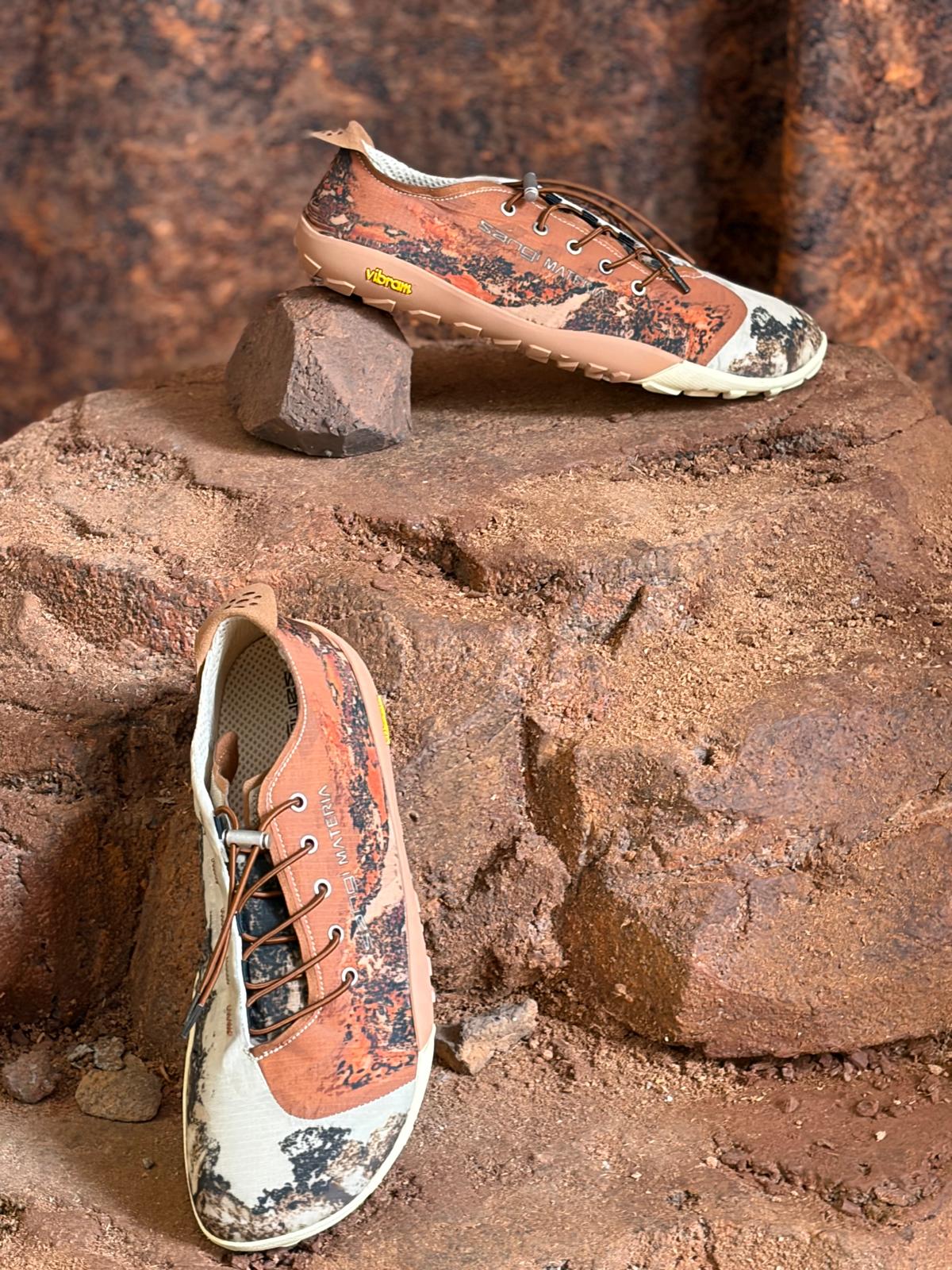
Sublimation is another common alternative to screen printing. It’s especially relevant for polyester apparel, sportswear, activewear, and all-over prints.
The process uses heat to turn dye into gas, bonding the artwork into the fabric. The result can be vivid and lightweight while durable. Because the design becomes part of the fabric, the hand-feel can be very soft.
But sublimation has limits.
It works best on polyester or polyester-coated materials. However, it’s not the natural choice for cotton. It is also usually better on light-colored garments.
For brands working in performance apparel, teamwear, or promotional products, sublimation can be a strong option. But it is not always flexible enough for every fashion or custom apparel use case.
4. Embroidery
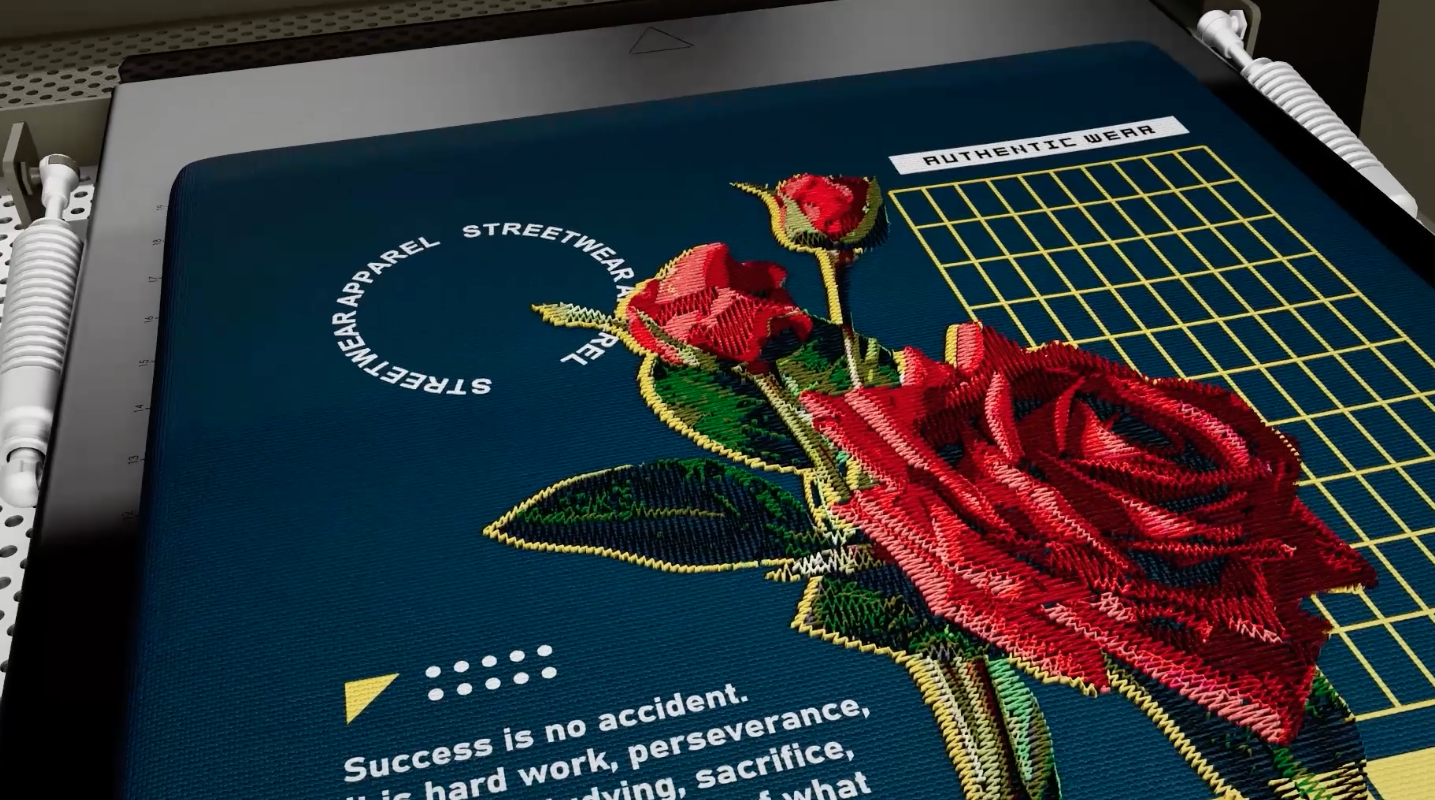
Embroidery is not a direct print method, but it is still one of the top alternatives to screen printing for certain products.
It gives garments a premium feel. It works well for logos. It is common on polos, caps, workwear, uniforms, and corporate apparel.
Embroidery can create a sense of durability and value that print methods don’t always provide.
But it is not ideal for every design.
Very detailed artwork, gradients, photographic images, and large soft graphics are usually better suited to DTG, DTF, or screen printing. Embroidery can also become heavy or uncomfortable when used across large areas.
More about Screen printing vs Embroidery.
5. Heat Transfer Vinyl
Heat transfer vinyl, often called HTV, is another alternative used in custom apparel.
It is common for names, numbers, simple graphics, small runs, and event apparel. It can work well when production is simple and the quantity is low.
The main benefit is accessibility.
Many businesses can start with a cutter and heat press. That makes it useful for local shops, personalization businesses, and fast-turnaround jobs.
But HTV is not always the right choice for scale.
Layering colors can add time. Large designs may feel heavier on the garment and less comfortable to the touch. It’s also less efficient for complex, high-volume production.
For a professional production environment, HTV is usually a niche tool rather than the main alternative to screen printing.
Screen Printing vs Alternatives: Quick Comparison
| Method | Best For | Main Advantage | Main Limitation |
|---|---|---|---|
| Screen Printing | Large runs, simple graphics | Low unit cost at scale | Setup time and color limits |
| DTG | Short runs, detailed artwork, POD | Minimal setup and high flexibility | Less efficient for very large, simple repeat runs |
| DTF | Transfers, mixed fabrics, full color | Broad fabric compatibility | Transfer feel and heat-press step |
| Sublimation | Polyester, sportswear, all-over print | Lightweight and vivid results | Limited fabric range |
| Embroidery | Logos, caps, uniforms | Premium texture and durability | Not ideal for detailed artwork |
| HTV | Names, numbers, simple custom jobs | Accessible and practical for small runs | Less efficient for complex scale and high-quality demands |
Choosing the Right Alternative in 2026
There is no single best alternative to screen printing. There is only the best method for the job.
For short runs, detailed designs, and fast approval cycles, DTG is often the strongest choice. For transfer workflows and mixed fabrics, DTF can be highly useful. For polyester sportswear, sublimation may be the right fit (even though DTG can work well too). For premium logos, embroidery still has a place. For simple personalization, HTV can work well.
But for industrial apparel producers, the bigger opportunity is not simply adding another method. It’s building a production model that can respond to demand without slowing down the business.
That is the promise of digital printing.
It helps producers accept more jobs, reduce setup friction, accelerate sampling, support complex designs, and open new revenue streams.
Screen printing built the custom apparel industry while digital production is helping define its next chapter.
Want to see how Kornit can help you expand beyond traditional screen printing? Let’s talk.