Dye Sublimation Printer: How Does It Work?

Follow the transformation from dye sublimation printing to the advanced capabilities of Kornit's digital printing tech, enhancing efficiency for your business.
Navigating the Shift: From Dye Sublimation to Digital Printing Mastery
Dye sublimation printing represents a sophisticated digital printing method that has gained significant traction in various industries due to its output quality.
Unlike many traditional printing methods, dye sublimation offers high durability. It’s ideal for a wide range of applications, from custom apparel and textiles to promotional products and signage.
As technology continues to evolve, dye sublimation printing stands out for its ability to produce vibrant, high-resolution images. Let’s take a closer look at the way a dye sublimation printer works and compare it to advanced digital printing technologies.
What Is Dye Sublimation Printing?
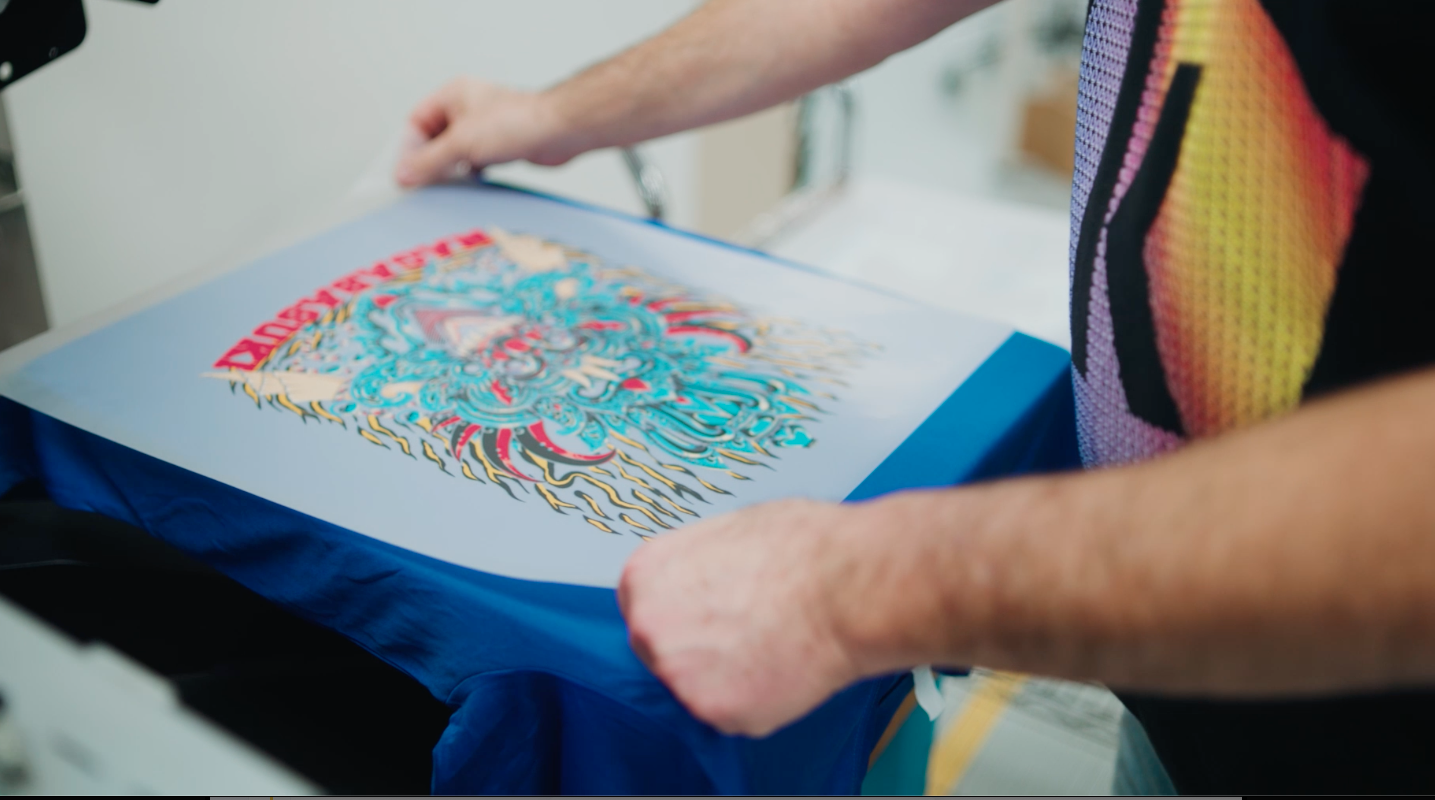
Dye sublimation is a process that transfers dye onto materials through a combination of heat and pressure. This results in the creation of fabric prints that are vibrant, detailed, and integrated into the fibers.
Unlike many other printing methods that leave an ink layer on the fabric’s surface, dyes from the sublimation process merge with the fabric.
The Science Behind the Process
The word ‘sublimation’ refers to a substance transitioning from a solid to a gaseous state without passing through a liquid phase. In dye sublimation printing, solid pigments are subjected to controlled heat, turning them into a gas that permeates and dyes the polyester fibers.
This process ensures that the print becomes an indistinguishable part of the fabric (instead of being on top of it). The result is a surface that maintains the fabric’s breathability and the dye’s true color under various conditions.
How Heat and Precision Join Forces
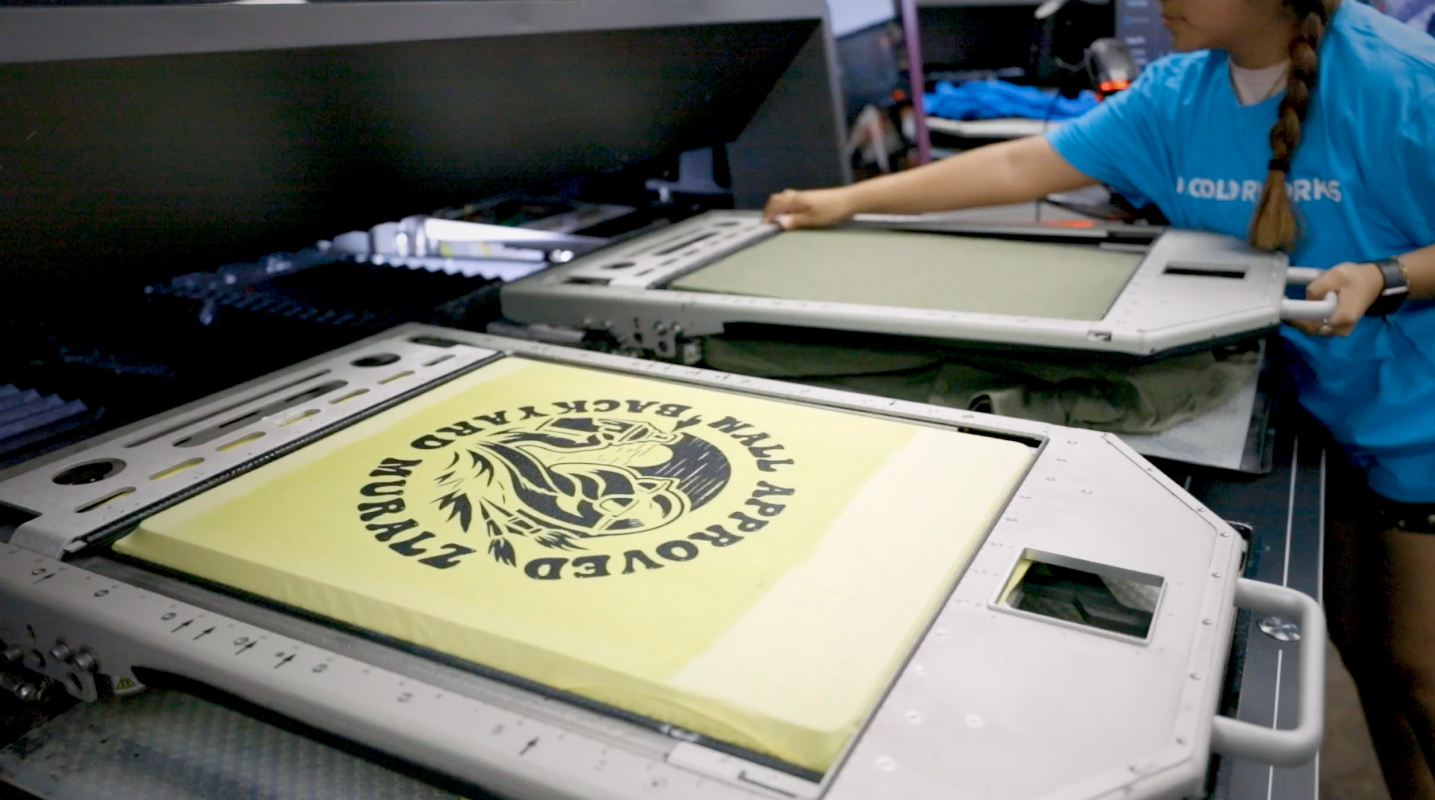
The key to the dye sublimation process lies in its precision and application of heat. In a sequence of specific time frames and temperatures, the printer’s cartridges release dye where needed on the transfer paper. The prepared fabric and transfer paper are then carefully aligned and fed into a press that heats them to a precise temperature. This allows the dyes to enter the material’s fibers.
Diverse Realms of Dye Sublimation Applications
Dye sub printers have many uses in various industries. For example, it can work for:
Custom Apparel Production
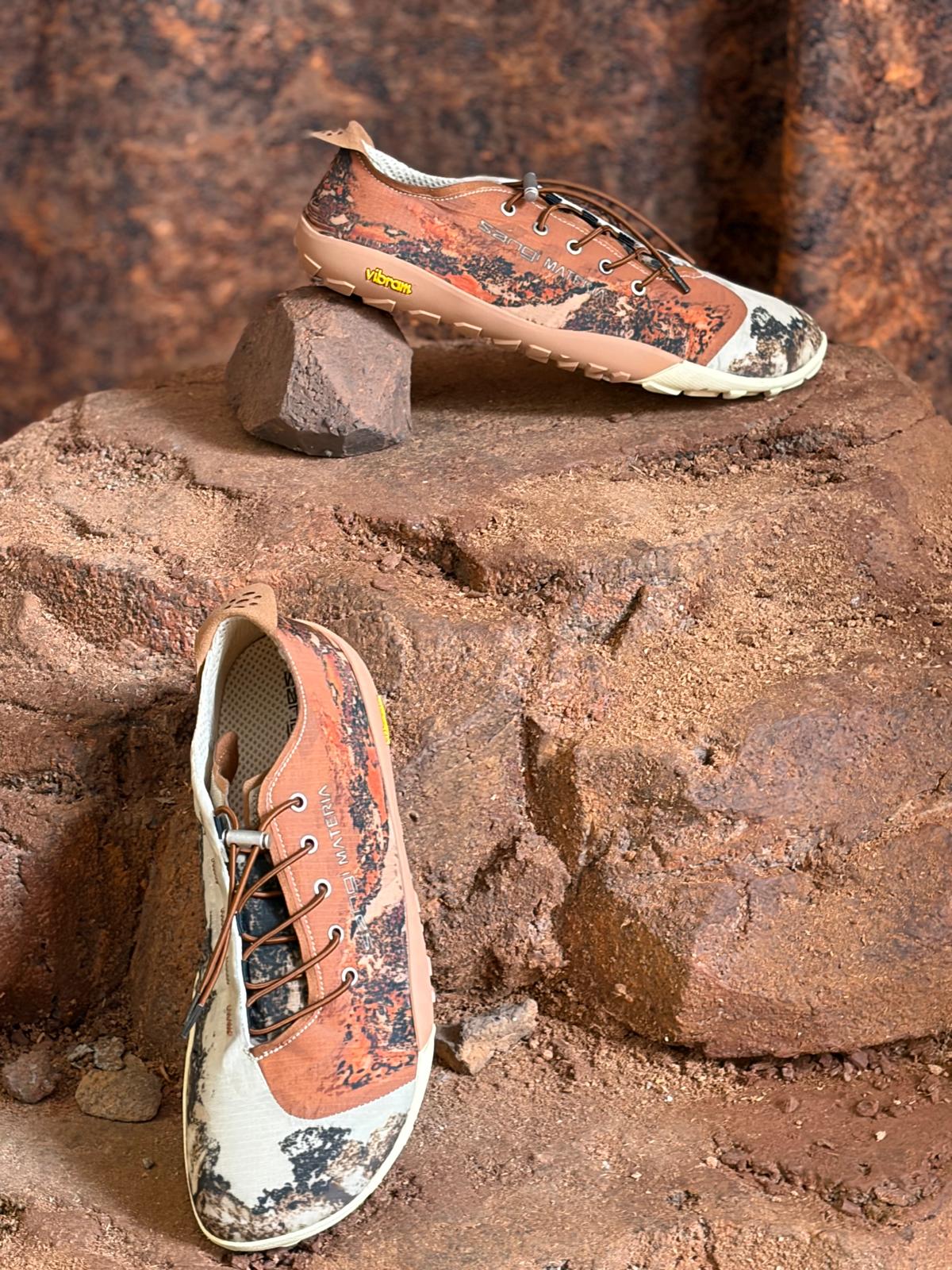
Designers can bring their most intricate designs to life, knowing that the prints won’t fade or peel. The process caters to custom orders, seasonal collections, and one-of-a-kind pieces.
Promotional Products
Dye sublimation makes it possible to add logos, messages, and images to an extensive range of goods, including mugs, phone cases, and bottle openers.
Signage and Banners
When businesses need their message to be larger than life, dye sublimation can be used for signage and banners. The process can ensure that even the most sizable displays remain crisp and colorful.
Photographic Printing
Photographers and artists appreciate the dye sublimation’s ability to translate their work onto canvases, metals, and other photo-appropriate surfaces with stunning detail and depth, bringing their images to life with unmatched quality and permanence.
Home Decor Manufacturing
From accent pillows to custom blankets, dye sublimation can provide value for home decor item manufacturers. The process achieves vibrant, detailed designs that can transform ordinary home accessories into bold statements.
Trade Show Displays
Trade shows and exhibitions demand attention-grabbing displays that reflect a company’s professionalism and creativity. Dye sublimation, with its ability to produce colorful, non-reflective graphics can help businesses make a lasting impression.
From Dye Sublimation to Digital Printing: A Comparative Analysis
While dye sublimation stands out for its precision and reliability, digital printing technologies, specifically those by industry leaders like Kornit, present new possibilities. Here is how dye sublimation compares to advanced digital printing.
Material Compatibility
One of the significant contrasts between dye sublimation and digital printing is the range of materials each process can accommodate.
Digital printing, especially when powered by Kornit’s innovations, goes beyond the constraints of polyester fabrics. It offers compatibility with a broader array of materials, including cotton and blends.
When you switch from dye sublimation to advanced digital printing, you can cater to new market segments.
Longevity
A comparative study of print durability emphasizes the robustness of digital prints. These digital outputs outdo traditional dye sublimation in longevity and fade resistance, This evidence is vital in industries where frequent usage and washings are the norm. For example, sportswear.
Production Speed
Since speed-to-market is more critical than ever, the advantage in production speed offered by Kornit’s digital printing solutions is especially noticeable.
By reducing steps and eliminating the extensive wait times required in sublimation, businesses experience faster turnaround times. This helps them to meet consumer demands and market trends with agility.
Cost Efficiency
The economics of printing production sees a shift with the adoption of digital printing. Lower energy consumption, minimal setup time, and reduced waste are pivotal elements contributing to the overall cost efficiency of digital production over dye sublimation.
This shift is not merely about cost reduction, but also about facilitating sustainable practices and aligning with an industry that is evolving to prioritize environmental responsibility.
The Versatility and Efficiency of Digital Printing: Why It Matters
The move towards digital printing signifies a paradigm shift in the printing landscape. Kornit’s digital solutions highlight the shift’s focus on versatility, efficiency, and quality.
The question for today’s businesses is not whether to transition to digital, but how soon they can do so to remain competitive.
Elevate Your Printing with Kornit’s Digital Solutions!
Kornit’s dedication to innovation and quality demonstrates a steadfast commitment to driving the printing industry forward.
By harnessing the potential of Kornit’s digital printing solutions, you can unlock a new era of printing capabilities that surpass the constraints of the traditional dye sublimation printer.