Why Leverage DTG Printing for Your Business

Direct-to-garment printing is reshaping the fashion industry. Uncover the potential benefits and drawbacks of DTG printing for your business before you dive in.
When it comes to business decision-making, higher revenue, sustainability, and customer satisfaction are always on the agenda. Business owners who are on the lookout for new solutions are currently evaluating the concept of direct-to-garment printing, also known as direct-to-fabric printing.
Understanding the advantages and limitations of this printing method is key to making the right adjustments to your business operations. Let’s take a closer look at DTG printing and its potential role in the success of your business.
What is DTG Printing?
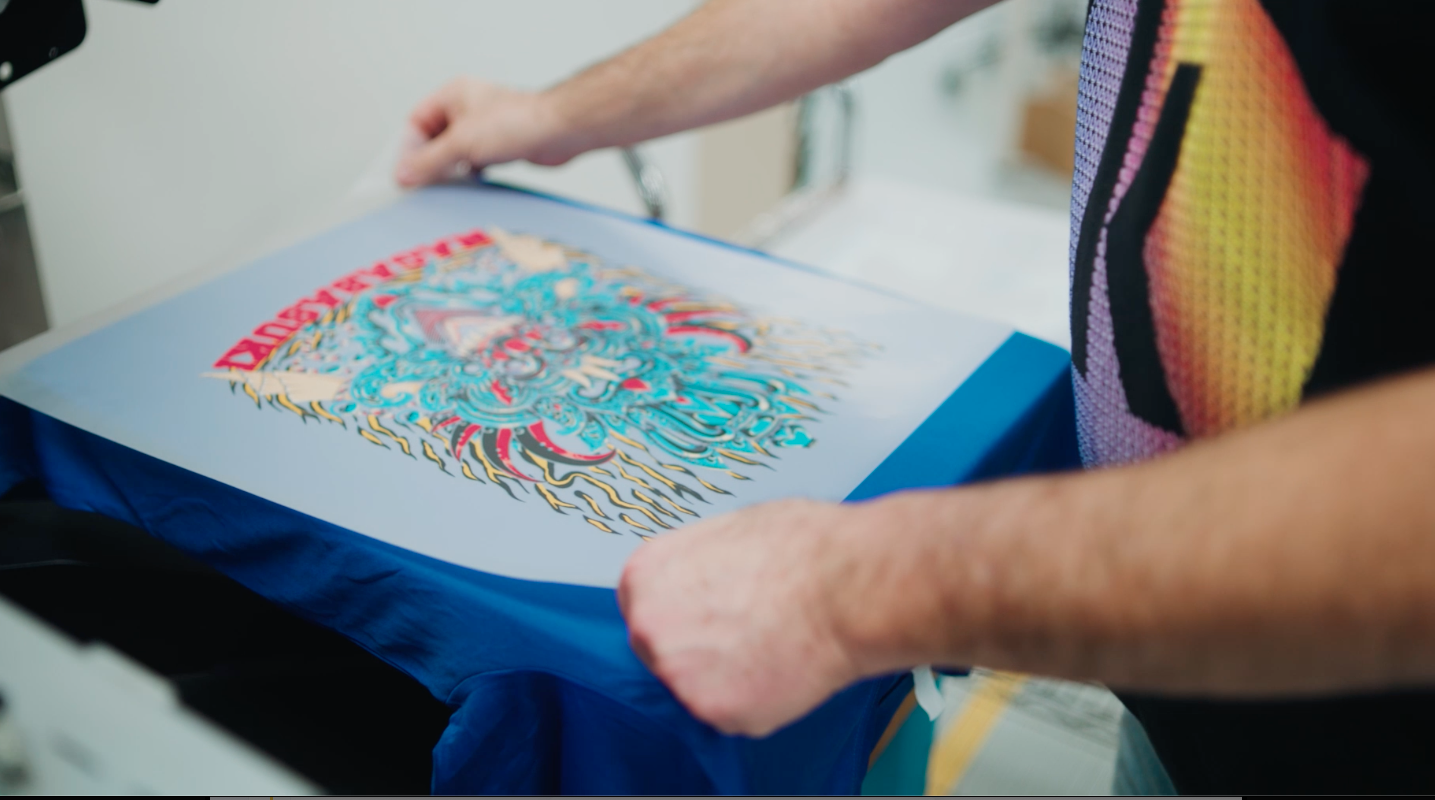
DTG printing is a relatively new method in the apparel printing industry that allows manufacturers to reproduce designs directly onto garments with the assistance of DTG printers.
These pieces of equipment are essentially high-quality inkjet printers, designed to print on fabric instead of paper.
The DTG approach grants entrepreneurs and designers more creative freedom and has the potential to be a game-changer for businesses that heavily depend on customized apparel.
How Does DTG Printing Work?
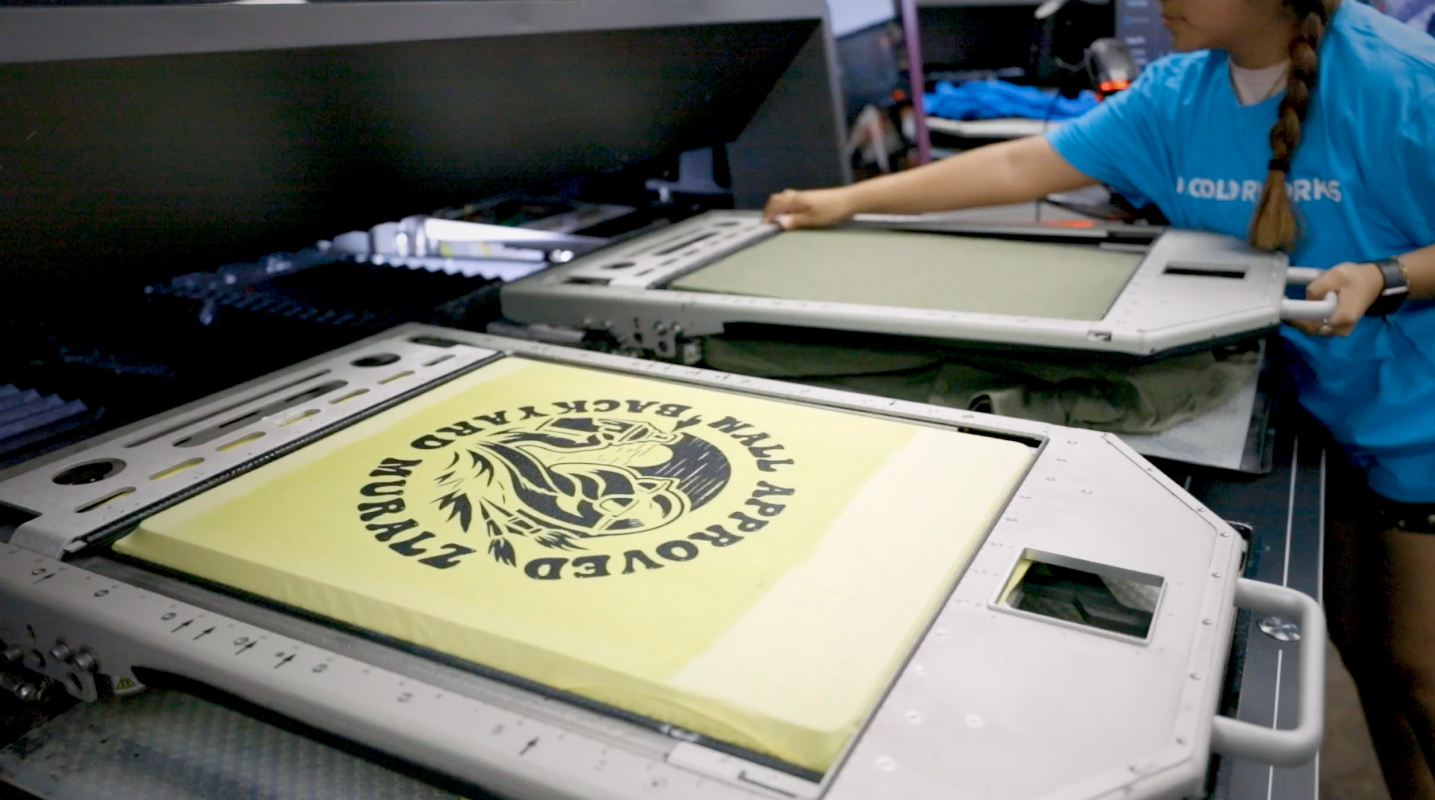
The process involves loading a garment onto a machine, much like you would load a sheet of paper into a regular desktop printer. However, instead of traditional inks, these printers use water-based inks, which are more environmentally friendly and provide a softer feel to the printed designs.
Advantages of DTG Printing
The main advantages of using direct-to-garment printing are:
Simple Operation
DTG printing machines are user-friendly. They don’t require extensive training or expertise to operate. This ease of use means operational and cost efficiency. A business owner doesn’t have to employ a specialist for the printing process
High Product Quality
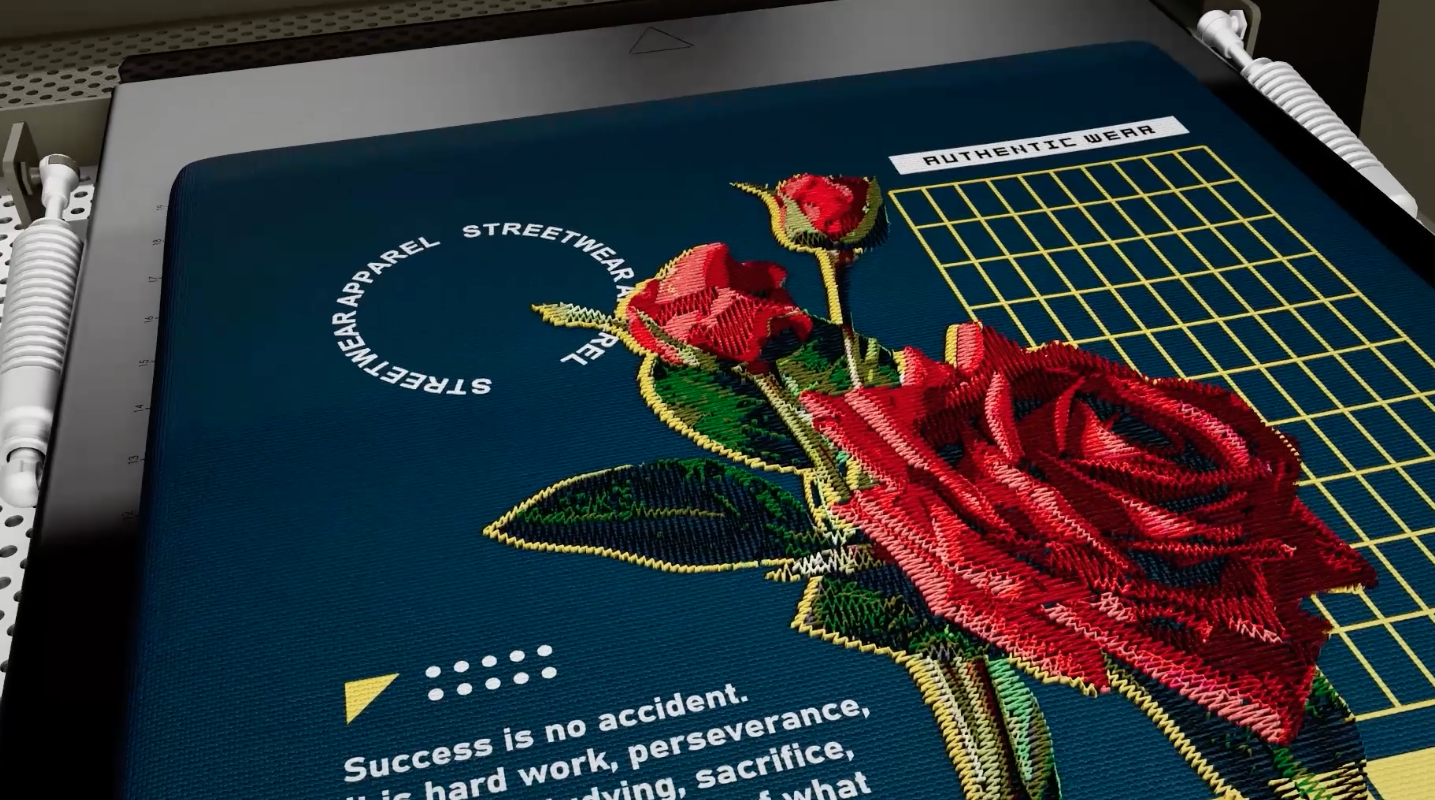
The level of detail and color variation achievable with DTG printing is impressive, allowing for complex and vivid designs on garments. These high-quality prints can enhance the appeal and value of the apparel.
Eco-Friendliness
The water-based inks used in DTG printing are more environmentally friendly than traditional screen printing methods. This sustainable printing option can be a major selling point for businesses looking to attract environmentally-conscious consumers.
Disadvantages of DTG Printing
While highly advantageous, DTG printing may have several downsides for some businesses. They are:
Fabric Limitations
DTG printing works best on 100% cotton fabrics and high-cotton blends. It does not yield the same results on polyester or other synthetic materials. This significantly limits its application in some sectors of the apparel industry.
Not for Mass Production
While direct-to-garment printing is ideal for small runs of custom or personalized items, it is not as efficient for large-scale production. This method can be relatively slow compared to traditional screen printing. So it could be less cost-effective for high-volume orders.
High Initial Investment
The upfront cost of a direct-to-garment printing machine and the related equipment can be substantial, particularly for a start-up. However, the high ROI of the print-on-demand methodology supported by DTG printing can offset this disadvantage.
Top Ways Direct-to-Garment Printers Are Making a Revolution
DTG printing is not merely a trend. It’s a significant shift in the apparel printing landscape. Here are a few ways DTG printers are revolutionizing the industry.
Streamline Personalization
Personalization is a growing trend in consumer expectations. DTG printing allows retailers to provide customized products quickly and efficiently. This caters to individual preferences and boosts customer satisfaction.
Cut Production Costs
Traditional screen printing often has high setup costs, making it expensive for small batches. DTG printing eliminates these setup fees, making it more affordable for small quantities of printed apparel.
Improve Customer Experience
The high level of detail and color range in DTG printing can lead to a more positive customer experience. It allows businesses to offer products that align closely with what customers see online or in promotional materials.
Encourage Creativity
The ability to print complex designs directly onto garments promotes creativity. This can lead to unique products that set a business apart from its competition, attracting customers who seek one-of-a-kind items.
Appeal to Generation Z
Young consumers increasingly value unique and sustainable products. DTG printing’s capacity for individualization and its eco-friendliness can help businesses appeal to the growing buying power of Generation Z.
Is DTG Printing Right for My Business?
Determining whether DTG printing is a good fit for your business requires a careful analysis of your market, product line, and production needs. If your business specializes in high-quality, custom apparel with a focus on personalization and a target customer range that values such differentiation, then DTG printing could be a worthwhile investment.
On the other hand, if your business centers on high-volume, generic products or materials that are not compatible with DTG printing, it may not be the most practical choice.
The decision to implement DTG printing into your business strategy requires a comprehensive understanding of the technology and an evaluation of the way it aligns with your brand and customer’s needs. It’s not a one-size-fits-all solution. However, for the right business, it has the potential to drive growth.