DTG Print vs DTF Print: Key Differences

Updated 20.07.2025
The world of commercial printing has witnessed dramatic technological advancements, each aiming to redefine efficiency. Two of them are DTG (Direct to Garment) printing and DTF (Direct to Film) printing.
The leading provider of DTG printers, Kornit Digital, has recently introduced direct-to-film technology and made it available to companies that want to leverage both options.
Let’s take a closer look at DTF vs DTG print.
Key Takeaways
-
DTG printing is ideal for small batches, light fabrics, and on-demand customization.
-
DTF printing offers more versatility across fabric types and is better suited for large orders.
-
DTF prints tend to last longer with proper curing (especially on dark or synthetic fabrics).
- Both methods offer eco-friendlier alternatives to traditional printing techniques.
What is DTG Printing?
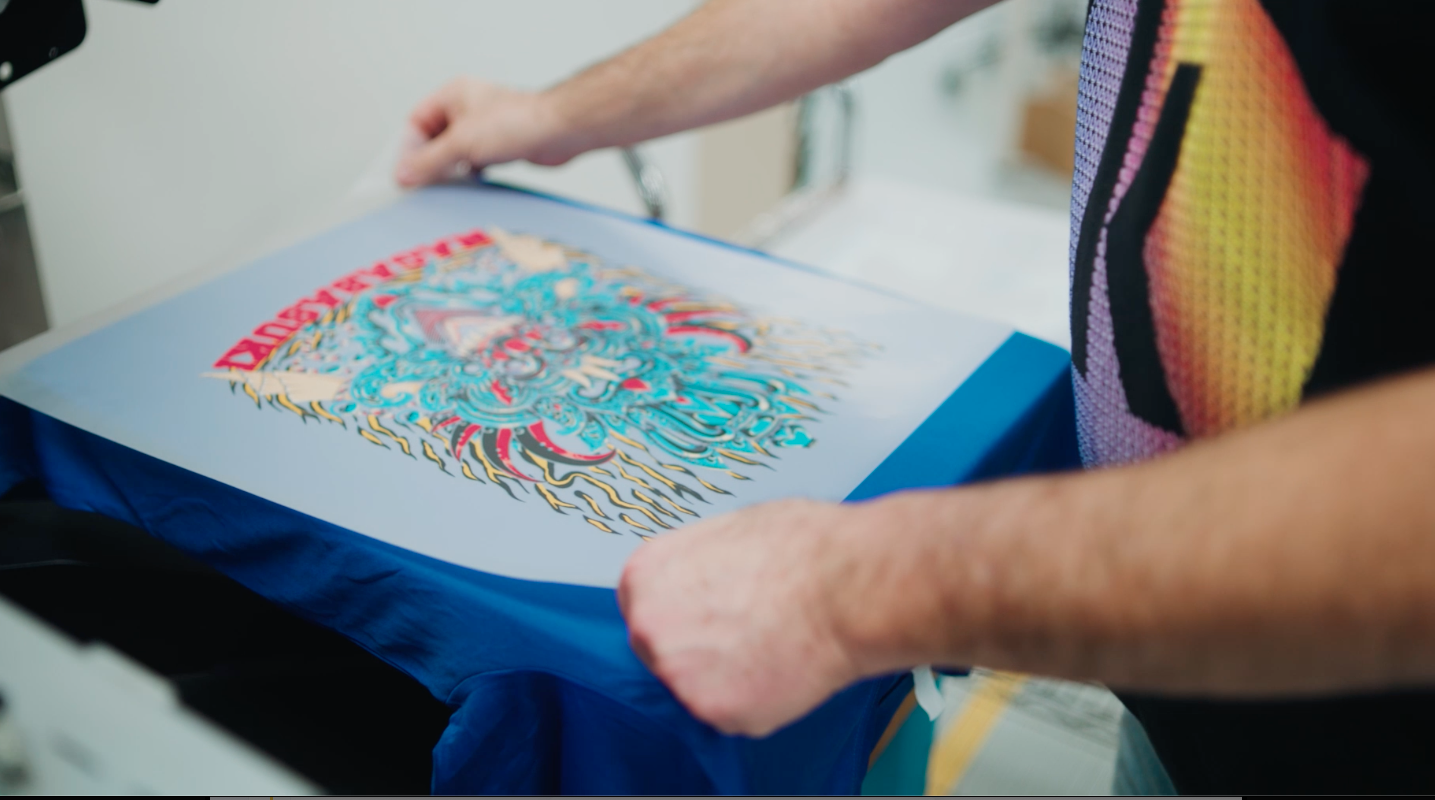
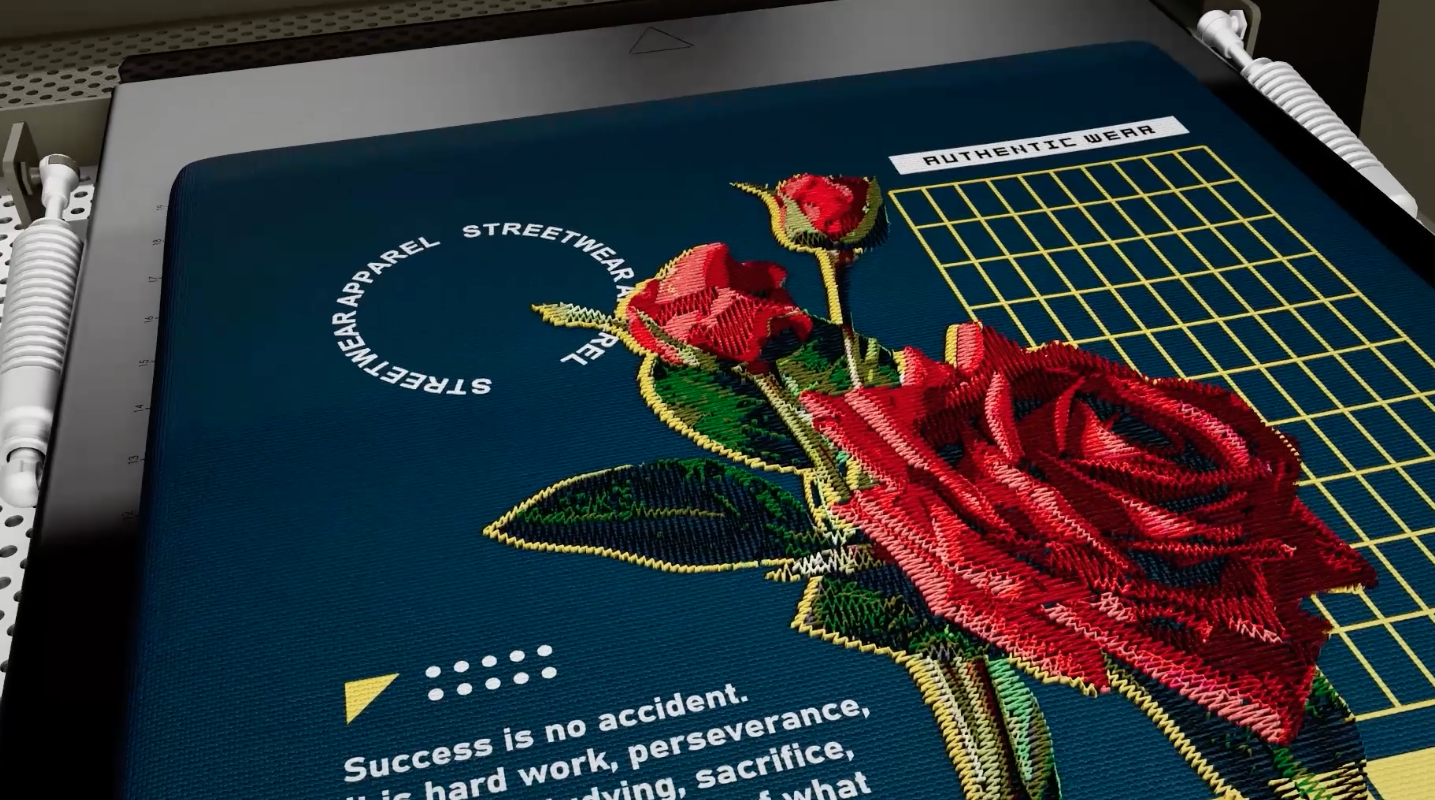
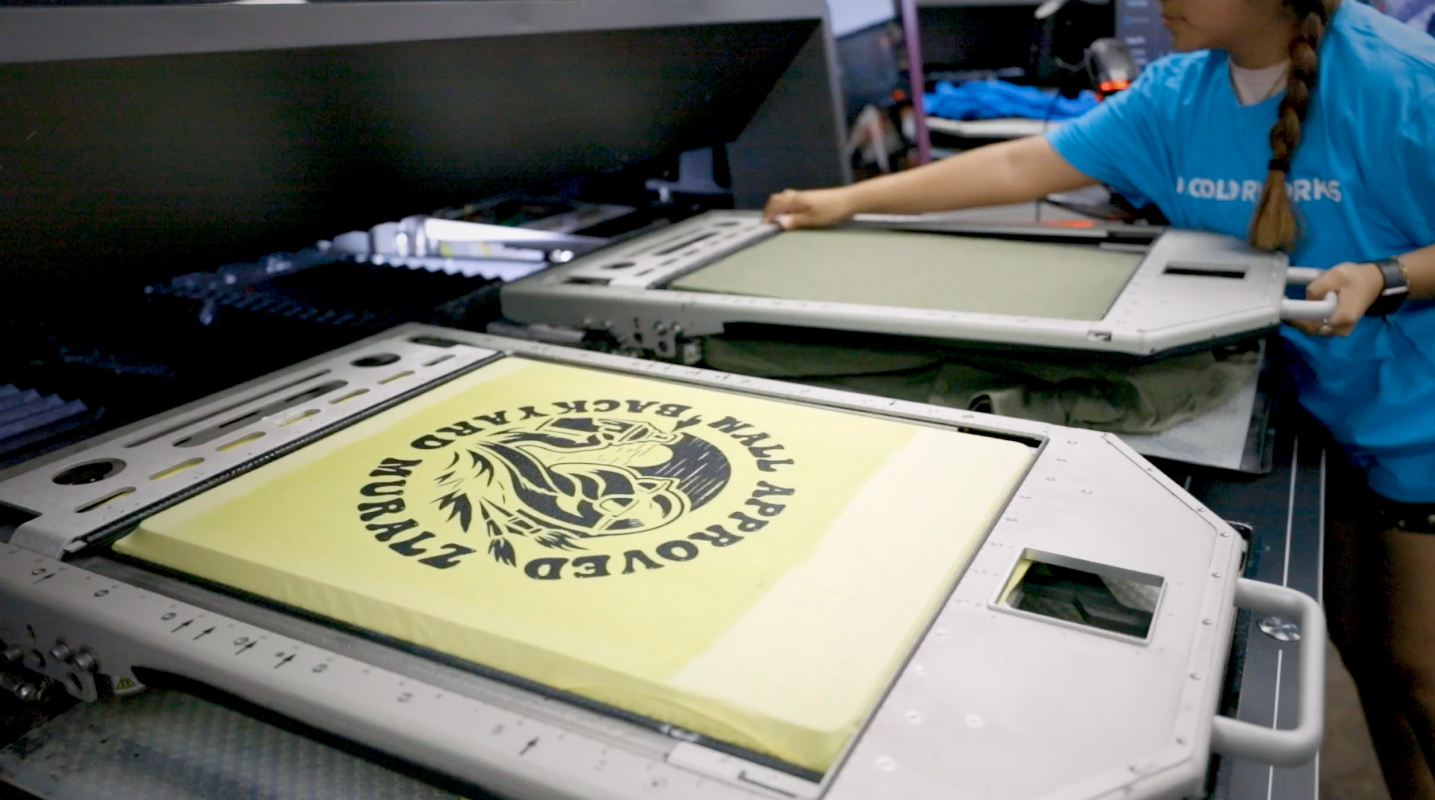
DTG printing is a method where a digital printer prints directly onto a textile or garment using specialized inkjet technology. Unlike traditional methods that involve heat transfers or screen printing, DTG allows for more intricate designs and a limitless array of colors.
Direct-to-garment print presents a game-changing solution for those looking to personalize garments on-demand or in small batches. It enables quick turnaround times without compromising on print quality.
What is DTF Printing?
DTF, which stands for direct-to-film, is a process that involves printing designs on a special transfer film using a digital printer. The printed film is then heat-pressed onto the fabric, to transfer the design to the garment. DTF harnesses the benefits of both screen printing and DTG, offering a balance between color vibrancy, intricate designs, and versatility.
The DTF method is relatively newer but rapidly gaining popularity within the industry.
What is the Difference between DTF and DTG?
When it comes to DTG vs DTF printing, the differences can be subtle. However, these nuances can significantly impact production, quality, and the overall business strategy. Here are a few of them:
Costs
The cost of DTF and DTG printing depends on many factors, including the volume of work. Overall, DTF printing can be more cost-efficient for some projects, especially those that demand large and colorful designs. Meanwhile, DTG is great for smaller-volume projects.
Production Time
DTG and DTF both offer shorter production cycles compared to traditional methods, but DTG can edge out direct to film printing in terms of speed.
DTG printers process orders directly. This reduces the time it takes to transfer an image from film to fabric.
Fabric Options
DTG technology performs best on natural materials like cotton, while DTF printing is the go-to choice for synthetic and blended fabrics that are harder to print on using direct-to-garment methods.
Order Quantity
When it comes to printing volume, DTF can be more efficient for larger orders. The time-consuming pre-treatment phase in DTG printing makes it less scalable for high-volume tasks. However, if you opt for Kornit’s technology, you can skip the pre-treatment phase.
Print Color
With full CMYK color application, DTG provides an advantage for achieving a wide spectrum of colors and gradients directly onto white or light-colored garments. On the other hand, DTF excels at printing white ink, allowing for vibrant prints on dark fabrics.
Print Durability
In terms of longevity, DTG and DTF can both produce durable prints that withstand wear and washing. However, with proper curing methods, DTF prints can maintain their color and vibrancy longer, making them a preferred choice for items that will see rigorous use.
Sustainability
Both DTF and DTF printing methods are more eco-friendly than traditional printing. Each one aims to reduce the usage of toxic chemicals and water while ensuring high printing quality.
DTF vs DTG: Comparison
| Feature | DTG (Direct to Garment) | DTF (Direct to Film) |
|---|---|---|
| Print Method | Prints directly onto the garment | Prints on film, then transfers to fabric |
| Best For | Cotton and light-colored fabrics | Synthetic, dark, or blended fabrics |
| Setup Complexity | Requires pre-treatment (unless using Kornit tech) | Requires powder adhesive and heat transfer steps |
| Order Volume | Ideal for small batches and on-demand orders | More efficient for large orders |
| Color Performance | Excellent for gradients and full CMYK on light fabrics | Excels at vibrant white ink prints on dark fabrics |
| Durability | High durability with proper care | Often longer-lasting with proper curing |
| Production Speed | Faster for short runs (direct print, no film transfer) | Slightly slower due to multi-step process |
| Breathability | Softer feel on the garment | May feel thicker, especially with large designs |
| Cost Efficiency | More cost-effective for small, custom orders | More cost-effective for bulk printing |
| Sustainability | Eco-friendly, especially with waterless systems like Kornit | Also eco-conscious; reduces water and chemical use |
When to Choose DTG Print
DTG is better when you need fast, on-demand printing for small batches or individual orders. If your business model revolves around customization and offering a varied color palette with intricate designs on a predominantly cotton or light-colored fabric, DTG is the most logical choice. Its ability to produce high-quality, vibrant prints is unmatched when speed and versatility are the priority.
When to Choose DTF Print
DTF becomes the preferred method when you’re looking at cost-effective solutions for bulk orders, especially on darker or colored textiles that require white ink. The ability to print on synthetics makes DTF a more flexible option for businesses that deal with uniforms or sports apparel.
Achieving Your Productivity Goals with DTG Print and Kornit
Whether you choose DTF or DTG print, you have to partner with the right technology provider. Kornit Digital is at the forefront of DTF and DTG printing. It offers high-quality, industrial-grade machines that cater to the most demanding production environments.
With Kornit, businesses can enjoy seamless integration, scalable operations, and a range of sustainability-focused options. To learn more about efficient DTF and DTG printers, please contact the Kornit team at any time.
 FAQs about DTG vs DTF
Does DTF last as long as DTG?
Yes, in some cases, DTF prints can last longer than DTG prints. While both methods produce high-quality, durable results, DTF uses a powder adhesive and heat-pressing process that creates a strong bond between the design and fabric. This often results in prints that hold up better through repeated washing and heavy use.
Which is cheaper, DTF or DTG?
DTF can be more cost-effective, especially for bulk orders and designs that use a lot of color or require printing on dark or synthetic fabrics. DTG is more economical for small runs or one-off prints, particularly on cotton garments. The overall cost also depends on production volume, material type, and machine capabilities.
What are the disadvantages of DTF printing?
While DTF offers versatility and strong durability, it does have some drawbacks. The process involves additional steps:
- Printing on film
- Applying adhesive powder,
- Transferring to fabric
This makes it much more time consuming than DTG. DTF prints may also feel slightly thicker or less breathable on the garment. Additionally, managing the adhesive powder and curing process can require a more complex workspace setup.
Is DTF better than DTG?
It depends on your printing needs. DTF is better suited for synthetic or blended fabrics, dark garments, and high-volume production. DTG is better for natural fibers like cotton, especially when printing high-detail, full-color designs in smaller batches. If your business focuses on customization and fast turnaround, DTG may be the better fit. Many companies now adopt both methods to meet a wider range of demands.