7 Types of Shirt Printing Methods

Updated August 2025
The right choice of shirt printing methods can be game-changing for your business. Whether you’re just starting out or looking to expand your current offerings, understanding the available printing techniques can significantly impact your product quality.
In this blog post, we’ll explore seven types of shirt printing methods. After you finish reading, you will have enough information to make an informed decision on which type of shirt printing suits you best.
Key Takeaways
- DTG is best for complex small-batch orders, screen printing for bulk, and sublimation for all-over prints.
- Sublimation is limited to polyester, while discharge printing is mostly for cotton.
- Screen printing is cheaper in volume but not great for detail; DTG and DTF excel at detail but are costlier per unit.
- Screen printing, vinyl, and discharge printing last longest; DTF may fade sooner.
Understanding the Importance of Shirt Printing Methods
The printing method you choose can make or break your business. It affects not only the final look of your products but also your production speed and profit margins.
Startups and existing businesses alike need to carefully consider their options to meet customer expectations and maintain a competitive edge.
Direct-to-Garment Printing (DTG)
Direct-to-Garment printing involves using specialized inkjet technology to print designs directly onto fabric. The process is similar to printing on paper but adapted for textiles.
Pros:
- High-Quality Prints: This type of t-shirt printing produces vibrant and detailed prints, making it ideal for complex designs.
- No Minimum Orders: This method is cost-effective for small batches and one-off orders.
- Environmentally Friendly: DTG uses water-based inks that are less harmful to the environment.
Cons:
- Production Speed: DTG can be slower compared to other types of printing on shirts. This might make it less suitable for bulk orders.
- Higher Costs: The cost per print is generally higher than other methods.
The key to successful and profitable direct to garment printing is choosing the right equipment. Kornit Digital provides a selection of direct to garment printers that can help you streamline your business.
Screen Printing
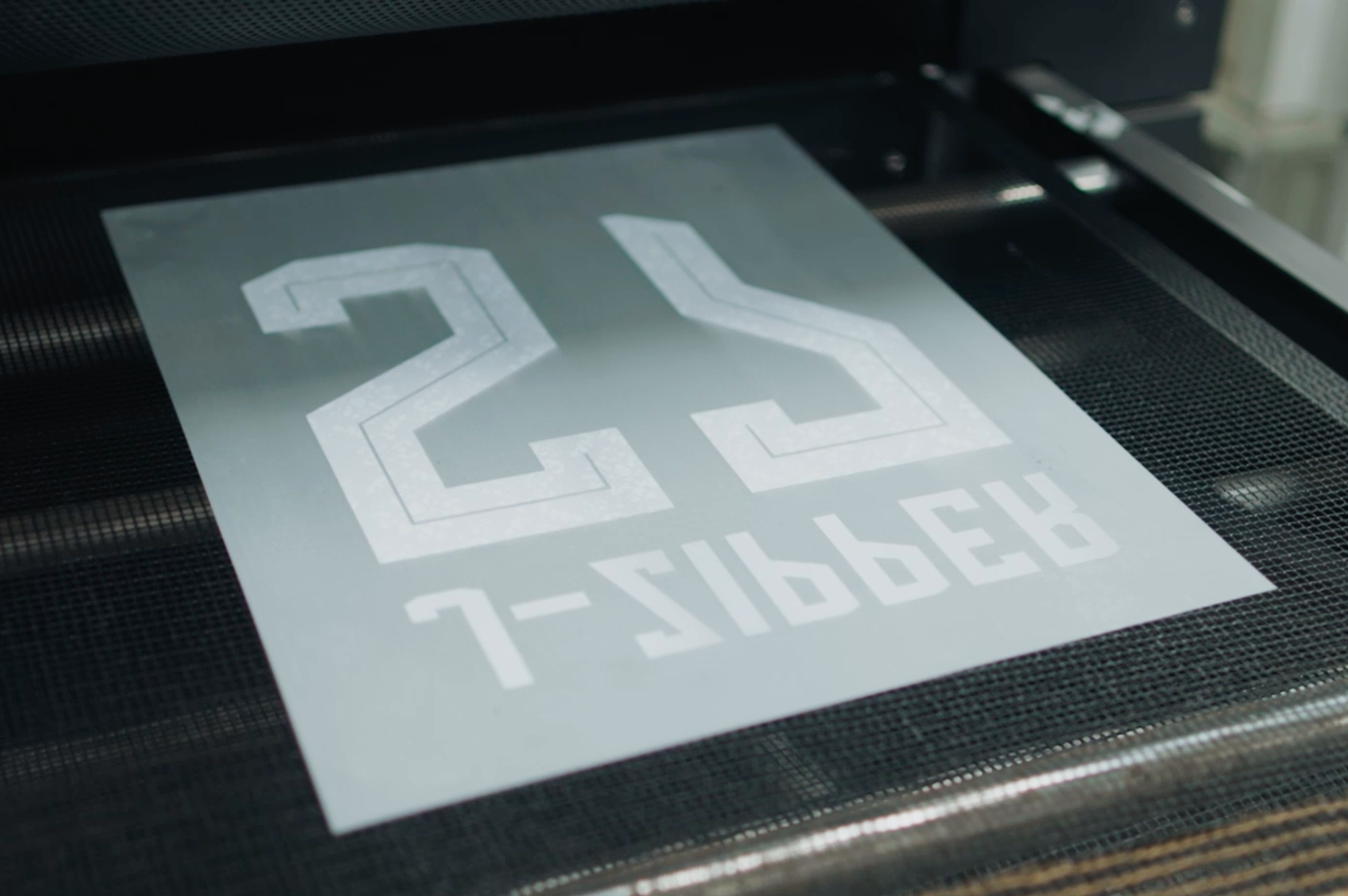
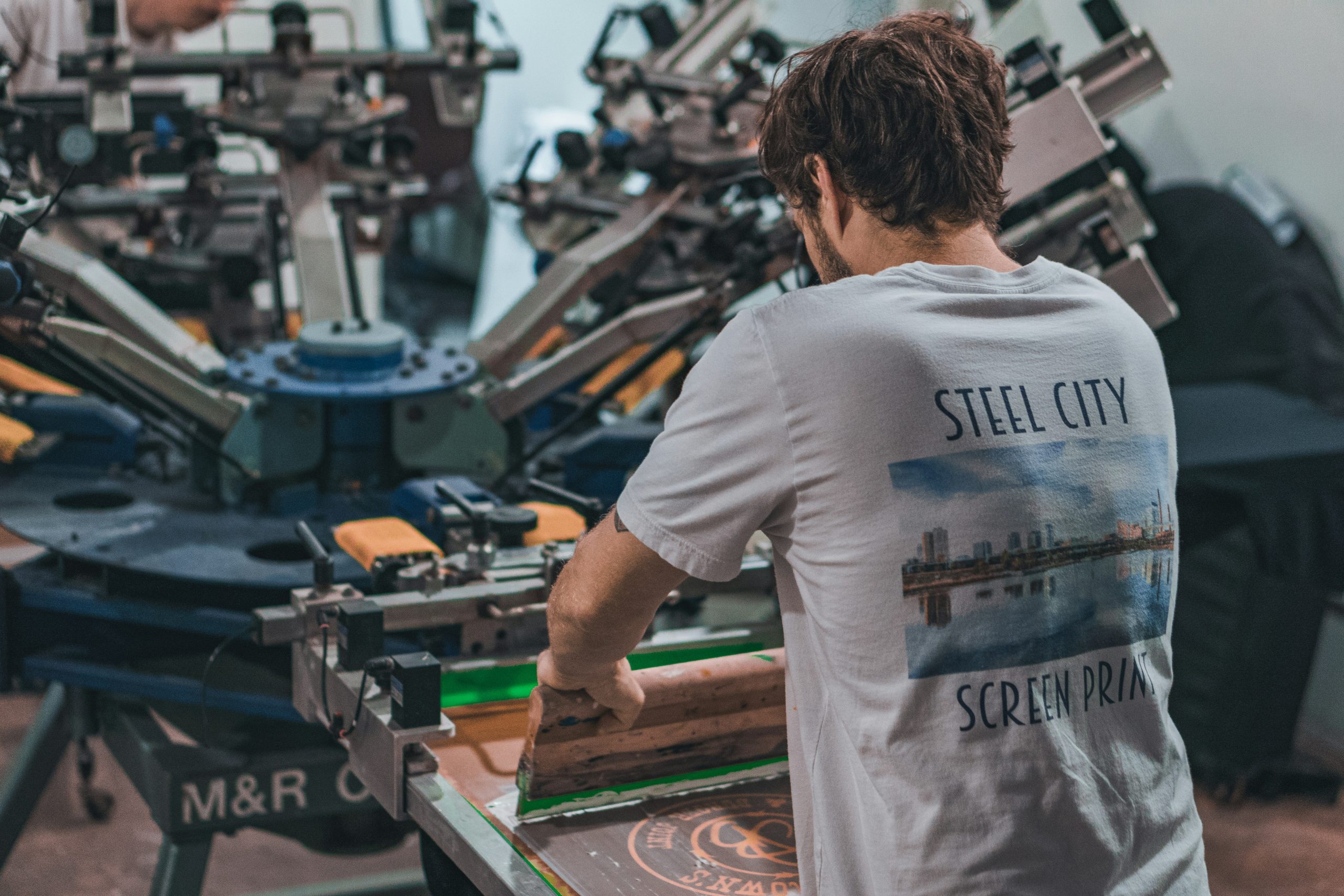
Screen printing involves creating a stencil (or screen) and using it to apply layers of ink on the printing surface. Each color requires a separate screen, making it a more labor-intensive process.
Pros:
- Durability: Screen-printed designs are long-lasting and withstand multiple washes.
- Cost-Effective for Bulk Orders: Ideal for large quantities, as the cost per print decreases with volume.
- Versatility: Can be used on various materials, not just shirts.
Cons:
- Setup Time: The initial setup is time-consuming, making it inefficient for small orders.
- Limited Detail: Not suitable for highly detailed designs or multiple colors due to the complexity and cost of creating multiple screens.
Dye Sublimation
Dye sublimation uses heat to transfer dye onto synthetic fabrics. The design is first printed on special paper and then transferred onto the fabric using a heat press.
Pros:
- Vibrant Colors: Produces bright and vivid prints that are embedded in the fabric.
- Durable: The prints are resistant to fading, cracking, and peeling.
- All-Over Printing: Ideal for designs that cover the entire garment.
Cons:
- Material Limitations: Works best on polyester and light-colored fabrics.
- Initial Cost: Requires specialized equipment and materials, which can be costly.
Direct-to-Film Printing (DTF)
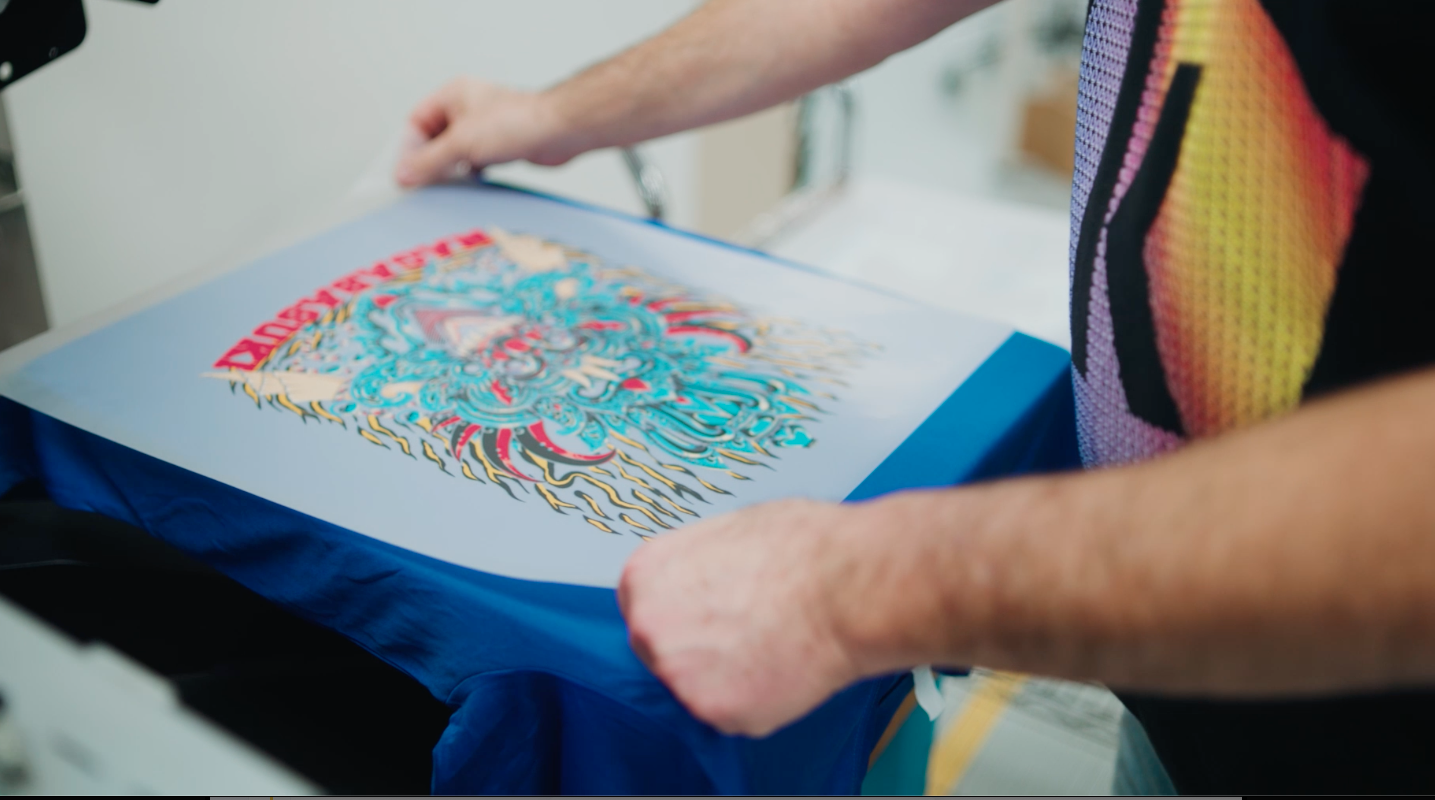
Direct-to-Film (DTF) printing involves printing your design onto a special film and then transferring it onto the fabric using heat and pressure.
Pros:
- Versatile: Can be used on a wide variety of fabrics, including cotton, polyester, and blends.
- Detailed Prints: Capable of producing intricate designs with fine details.
- Cost-Effective for Small Runs: Suitable for small batch production.
Cons:
- Durability Issues: The prints may not be as durable as those produced by other methods like DTG printing.
- Specialized Equipment: Requires investment in specific printers and transfer films.
CAD Heat Transfer Vinyl Printing
This method involves cutting designs from colored vinyl sheets and then using heat to transfer the design onto the fabric.
Pros:
- High Durability: The designs are long-lasting and resistant to washing and stretching.
- Vibrant Colors: Vinyl offers a wide range of bright and bold colors.
- Customization: Ideal for personalized designs and small runs.
Cons:
- Limited Detail: Not suitable for complex or highly detailed designs.
- Time-Consuming: The process of cutting and weeding vinyl can be labor-intensive.
Plastisol Transfers
Plastisol transfers involve screen printing your design onto a special paper and then using a heat press to transfer the design onto the fabric.
Pros:
- High-Quality Prints: Produces vibrant and durable designs.
- Versatile: Can be used on various fabric types, including cotton and polyester.
- On-Demand Printing: Suitable for short runs and on-demand printing.
Cons:
- Setup Costs: Initial setup can be costly due to the need for screens and transfer papers.
- Feel: The prints can feel heavy or rubbery on the fabric.
Discharge Printing
Discharge printing uses a chemical process to remove the dye from the fabric and replace it with a new color, resulting in soft and vibrant prints.
Pros:
- Soft Feel: The prints are soft to the touch and blend seamlessly with the fabric.
- Vibrant Colors: Produces bright and vivid designs.
- Durability: Resistant to fading and cracking.
Cons:
- Limited Fabric Choices: Works best on 100% cotton and dark-colored fabrics.
- Complex Process: Requires precise control of chemicals and temperatures.
Shirt Printing Methods: Comparison
| Method | Best For | Pros | Cons | Fabric Compatibility |
|---|---|---|---|---|
| Direct-to-Garment (DTG) | Small runs, detailed designs | High detail, eco-friendly, no minimum orders | Slower production, higher cost per print | Cotton, cotton blends |
| Screen Printing | Bulk orders | Durable, cost-efficient at scale, versatile | Time-consuming setup, limited detail for multi-color | All fabrics |
| Dye Sublimation | All-over prints | Vibrant colors, long-lasting, won’t crack or peel | Works best on polyester, requires special equipment | Light-colored polyester |
| Direct-to-Film (DTF) | Versatile, small runs | Works on many fabrics, fine detail possible | Less durable than DTG, requires transfer films | Cotton, polyester, blends |
| Heat Transfer Vinyl | Customization, personalized designs | Durable, vibrant colors, great for one-offs | Labor-intensive, limited design detail | Most fabrics |
| Plastisol Transfers | On-demand prints, short runs | High-quality, versatile, vibrant designs | Setup costs, heavier feel on fabric | Cotton, polyester |
| Discharge Printing | Soft feel on dark cotton | Soft touch, vivid colors, durable | Limited to cotton, chemical process complexity | 100% cotton |
Which Type of T-Shirt Printing Is Right for You?
Choosing the right type of shirt printing method depends on various factors, including your budget, order volume, fabric type, and design complexity. For startups and small businesses looking for high-quality prints with no minimum order requirements, Direct-to-Garment (DTG) printing is an excellent choice.
Kornit DTG printers and the Kornitˣ global fulfillment network offer reliable and scalable solutions that can help your business grow. With their advanced technology and support, you can streamline your printing process and deliver exceptional products to your customers.
FAQs about T-Shirt Printing Methods
What is the most durable shirt printing method?
Screen printing and discharge printing are generally the most durable, holding up well through multiple washes.
Which method is best for small orders or one-off shirts?
DTG printing is the top choice for small batches because it requires no setup and delivers high-quality results.
Can I print on dark fabrics with any method?
Yes, but methods like screen printing, discharge printing, and DTG with white ink are particularly effective on dark shirts.
What’s the cheapest method for bulk printing?
Screen printing is usually the most cost-effective for large orders due to economies of scale.
Which t-shirt printing method gives the softest feel on fabric?
Discharge printing creates prints that feel almost like part of the fabric, offering the softest result.