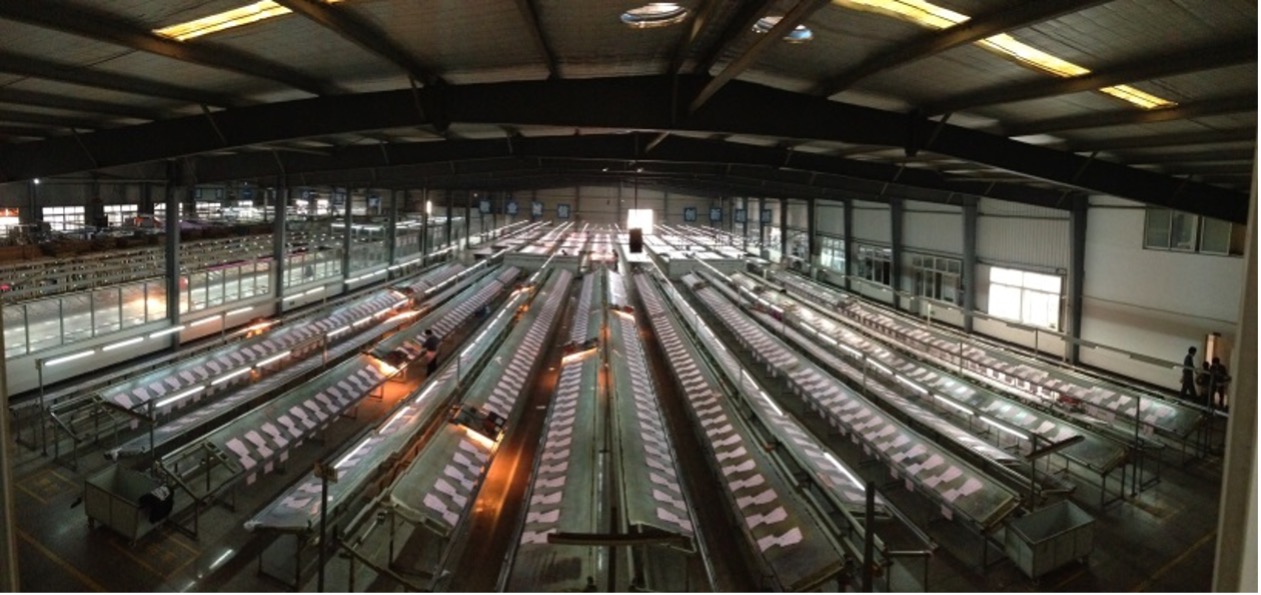
Exploring Fashion with Roll to Roll Printing: Applicable Fabrics

Updated January 2025
Technology has always played a significant role in shaping the future of fashion. One of the instruments that defines the development of the industry is the roll to roll printer (also known as direct to fabric printer). Known for their efficiency and versatility, these printers are improving fabric printing in various niches.
Kornit Digital is the leading provider of roll to roll printing technology for the world of fashion. Let’s discuss which fabrics are suitable for roll to roll printers within these industries.
Key Takeaways
-
Roll to roll printing contributes to continuous, high-quality production.
-
One technology supports multiple fabric types and fashion segments.
-
Digital printing reduces waste and improves cost efficiency.
-
Sustainability is built into modern roll to roll workflows.
What Does a Roll to Roll Printer Do?
Roll to roll printers are specialized machines designed to print directly onto rolls of fabric. Unlike traditional flatbed printers that work on fixed surfaces, roll to roll printers handle continuous rolls of material. This creates an opportunity for seamless printing without interruptions.
This technology is particularly advantageous for fabric printing as it allows for high precision, consistency, and efficiency.
By using advanced inkjet tech, these printers can produce intricate designs with vibrant colors on various fabric types. The result is a high-quality printed fabric ready for use in fashion design, textile manufacturing, and more.
Fabrics Suitable for Roll to Roll Printers
Roll to roll printing machines are incredibly versatile. They can print on a wide range of fabrics. If you choose the highest quality roll to roll printers, you can cater to a wide target audience. Here are some of the fabrics you can use with a direct to fabric printer.
Polyester
Polyester is a synthetic fabric known for its durability and moisture-wicking properties. It’s a popular choice for sportswear and athleisure due to its ability to keep the wearer dry and comfortable. Roll to roll printers can produce vibrant, long-lasting prints on polyester. That’s why they are an ideal option for creating eye-catching activewear.
Cotton
Cotton is a natural fiber prized for its softness, breathability, and versatility. It’s widely used in T-shirts, casual wear, and haute couture. Roll to roll printers can achieve high-quality prints on cotton, allowing designers to create intricate patterns and vibrant colors.
Silk
Silk is synonymous with luxury and elegance. This natural fiber is used in ties, haute couture, and even baby clothes due to its smooth texture and sheen. Roll to roll printers can produce exquisite prints on silk, enhancing its beauty and making it a preferred choice for high-end fashion.
Nylon
Nylon is a synthetic fabric known for its strength and flexibility. It’s commonly used in beachwear and sportswear due to its quick-drying properties. Roll to roll machines can achieve sharp, detailed prints on nylon, making it a go-to fabric for performance-oriented fashion.
Linen
Linen is a natural fiber known for its lightweight and breathable qualities. It’s perfect for maternity clothes, men’s evening wear, and haute couture. Roll to roll printers can create beautiful prints on linen, adding a touch of sophistication to this versatile fabric.
Rayon
Rayon is a semi-synthetic fabric valued for its softness and drape. It’s often used in babywear, lingerie, and boho-chic styles. Roll to roll printers can produce vibrant prints on rayon, making it an excellent choice for creating stylish garments.
Spandex
Spandex, also known as Lycra or elastane, is a synthetic fabric renowned for its stretchability. It’s commonly used in sportswear, swimwear, and athleisure. Roll to roll printers can handle the flexibility of spandex, producing durable and vibrant prints that retain their quality even with frequent stretching.
| Fabric Type | Common Uses | Key Properties | Roll to Roll Advantage |
|---|---|---|---|
| Polyester | Sportswear, athleisure | Durable, moisture-wicking | Vibrant, long-lasting prints |
| Cotton | T-shirts, casual wear | Soft, breathable | High detail and color accuracy |
| Silk | Luxury fashion, ties | Smooth, glossy texture | Refined, premium finishes |
| Nylon | Swimwear, sportswear | Strong, quick-drying | Sharp, high-definition prints |
| Linen | Summer wear, couture | Lightweight, breathable | Natural, elegant appearance |
| Rayon | Lingerie, babywear | Soft drape | Rich color absorption |
| Spandex | Activewear, swimwear | High elasticity | Durable prints under stretch |
How Fashion Brands Can Benefit from Roll to Roll Printers
The adoption of roll to roll printers offers several advantages for fashion brands. Mastering this tech helps companies stay competitive and innovative in the industry.
Cost-Effectiveness
Kornit’s roll to roll digital printers can significantly reduce production costs by minimizing fabric waste and optimizing ink usage. This makes them an economical choice for fashion brands looking to maximize their resources while maintaining high-quality output.
Versatility
Krnit Digital’s direct to fabric printers can handle a wide range of fabrics, from polyester to silk. This allows fashion brands to experiment with different materials and designs. Such versatility enables designers to push the boundaries of creativity and innovation.
High Speed
Kornit’s roll to roll printers offer rapid production capabilities. They enable brands to respond to market trends and customer demands quickly. This speed enhances the competitive edge by allowing businesses to bring new designs to market faster.
Customization
Roll to roll printers allow for easy customization. They allow brands to offer personalized designs and limited editions. This ability to cater to niche markets and customer preferences creates a unique selling point.
Scalability
As demand grows, brands can easily scale up production with roll to roll printers without compromising on quality. This scalability supports business expansion and increased market reach.
Sustainability
Kornit’s roll to roll printers are designed to be environmentally friendly, using eco-friendly inks and reducing waste. This aligns with the growing demand for sustainable textile printing practices, helping brands meet their sustainability goals and appeal to eco-conscious consumers.
Fabric Versatility with Kornit’s Roll to Roll Printers
Roll to roll printers offer unparalleled versatility in fabric printing, making them an invaluable tool for various industries.
For those interested in exploring the possibilities of roll to roll printing, Kornit offers cutting-edge technology and expert support to help you get started.
FAQ about Roll to Roll Printers
What is roll-to-roll technology?
Roll-to-roll technology refers to a printing process where materials, such as fabric, are fed through a printer in continuous rolls. P
What is the difference between flatbed and roll to roll printers?
The primary difference between flatbed and roll to roll printers lies in the material handling. Flatbed printers work on fixed surfaces, making them suitable for rigid materials like wood and glass. In contrast, roll to roll printers handle continuous rolls of flexible materials, such as fabrics.
What is the roll-to-roll mechanism?
The roll-to-roll mechanism involves feeding a continuous roll of material through a printer, where it is printed on, dried, and then rolled back up. This mechanism ensures consistent tension and alignment, which results in high-quality prints with minimal waste.