The Challenge of Low-Volume Production for Traditional Print Methods

Need just a few custom shirts or fabric pieces? Traditional print shops might treat your job like a headache. Small orders often come with big problems—unless you go digital.
High costs, slow setup, and substantial waste can make these jobs hard to manage. This is a pressing problem for growing businesses that want to remain flexible and eco-conscious.
Traditional printing makes low-volume production difficult, but thankfully, there are many alternatives.
Key Takeaways
- Traditional printing methods are inefficient for small production runs
- DTG printing enables fast, flexible, and eco-friendly production
- Print on Demand eliminates overstock and helps reduce waste
- KornitX connects your designs to global fulfillment fast and easy
What Is Low Volume Production and Who Needs It
Also known as short-run printing, low-volume production supports growing brands that can’t commit to large minimums. This is common in many industries, including:
- Small fashion brands launching limited collections
- Creators selling custom merch online
- Businesses testing new designs before a big release
- Promotional printing for events or campaigns
These types of businesses need fast production that doesn’t break the bank. But traditional printing methods often fall short.
Why Traditional Printing Fails in Low-Volume Scenarios
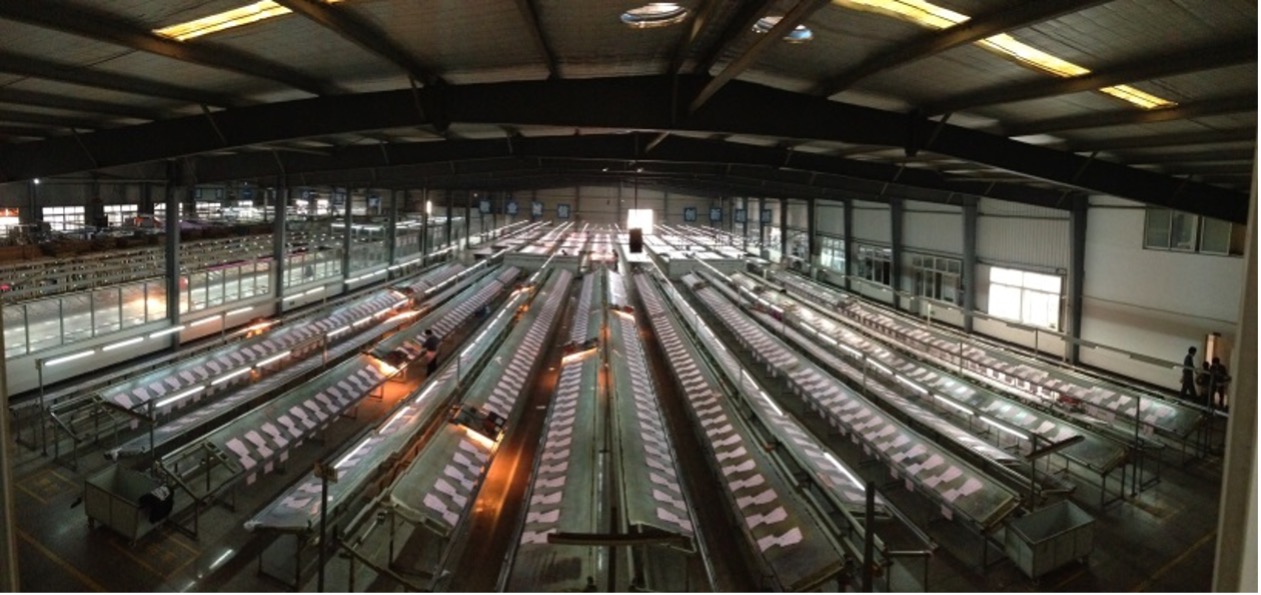
Traditional print methods aren’t built for custom textile production, where agility and personalization are key. These were initially created for mass production, and when used for smaller orders, they show their downsides:
High Setup Costs
Each job requires physical setup: screens, plates, and color separations. Even a small order needs the same type of preparation as large orders. This makes each print more expensive.
Time-Consuming Preparation
The setup takes time. That means longer lead times before printing even starts, which is hardly ideal for fast-moving businesses.
Waste and Inefficiency
Test runs, extra materials, and manual processes cause traditional printing to produce a lot of waste. It is especially noticeable when the company is dealing with small batches.
Limited Flexibility
Changing designs or colors mid-run is difficult. Customization, a key part of today’s market, is tough to pull off with old-school methods.
Digital Printing for On-Demand Production
This is where direct-to-garment (DTG) printing steps in.
This approach is perfect for brands looking for eco-friendly apparel printing without the waste and setup of older techniques.
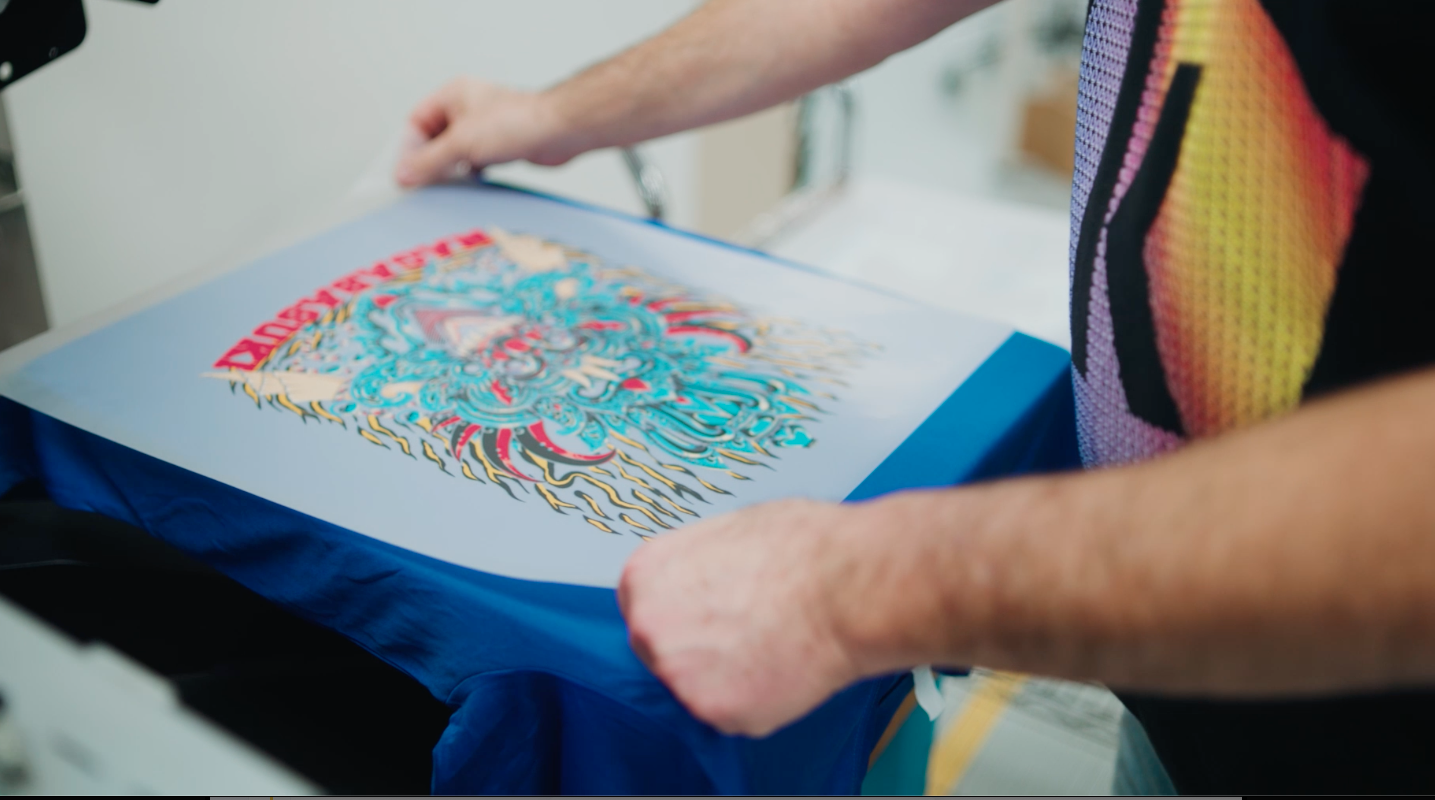
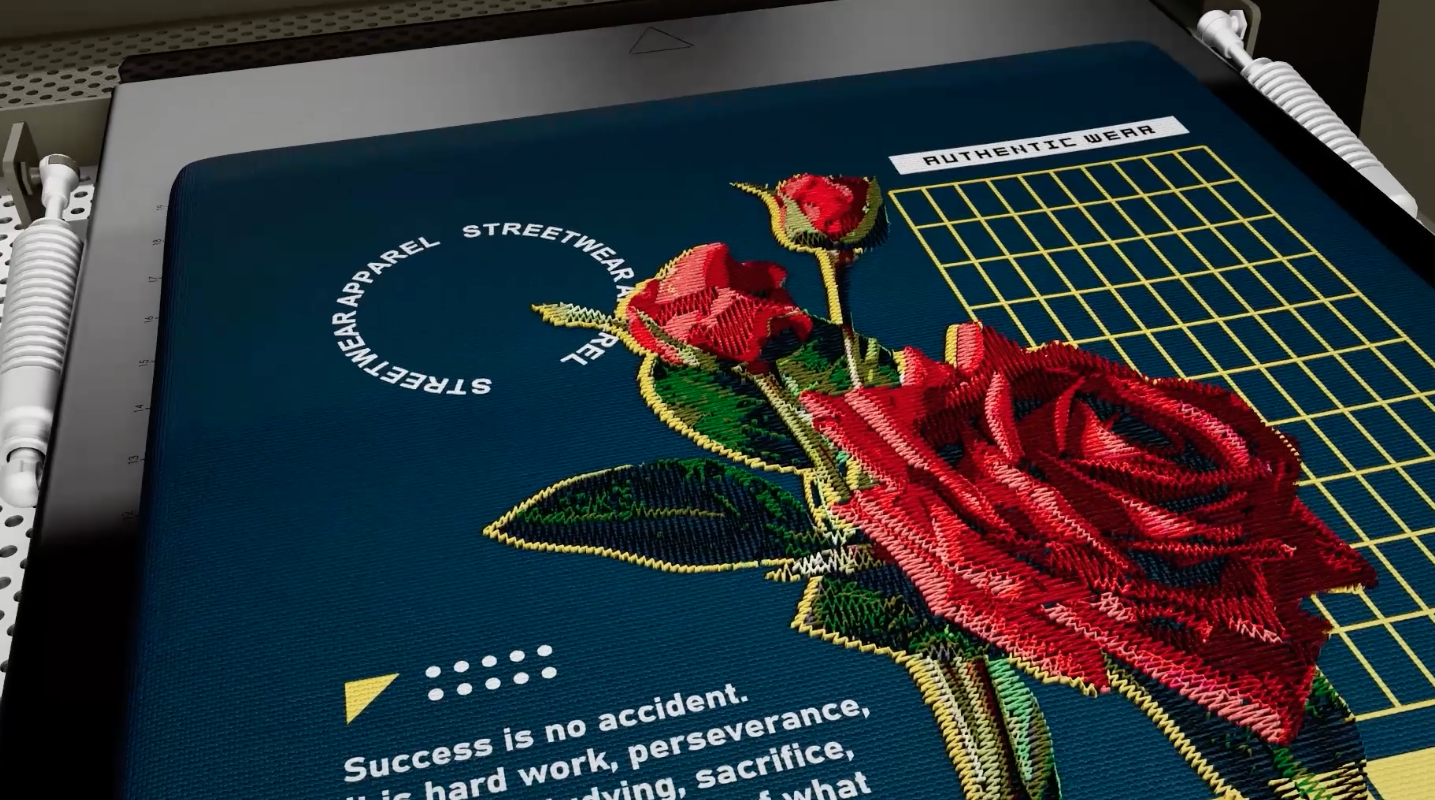
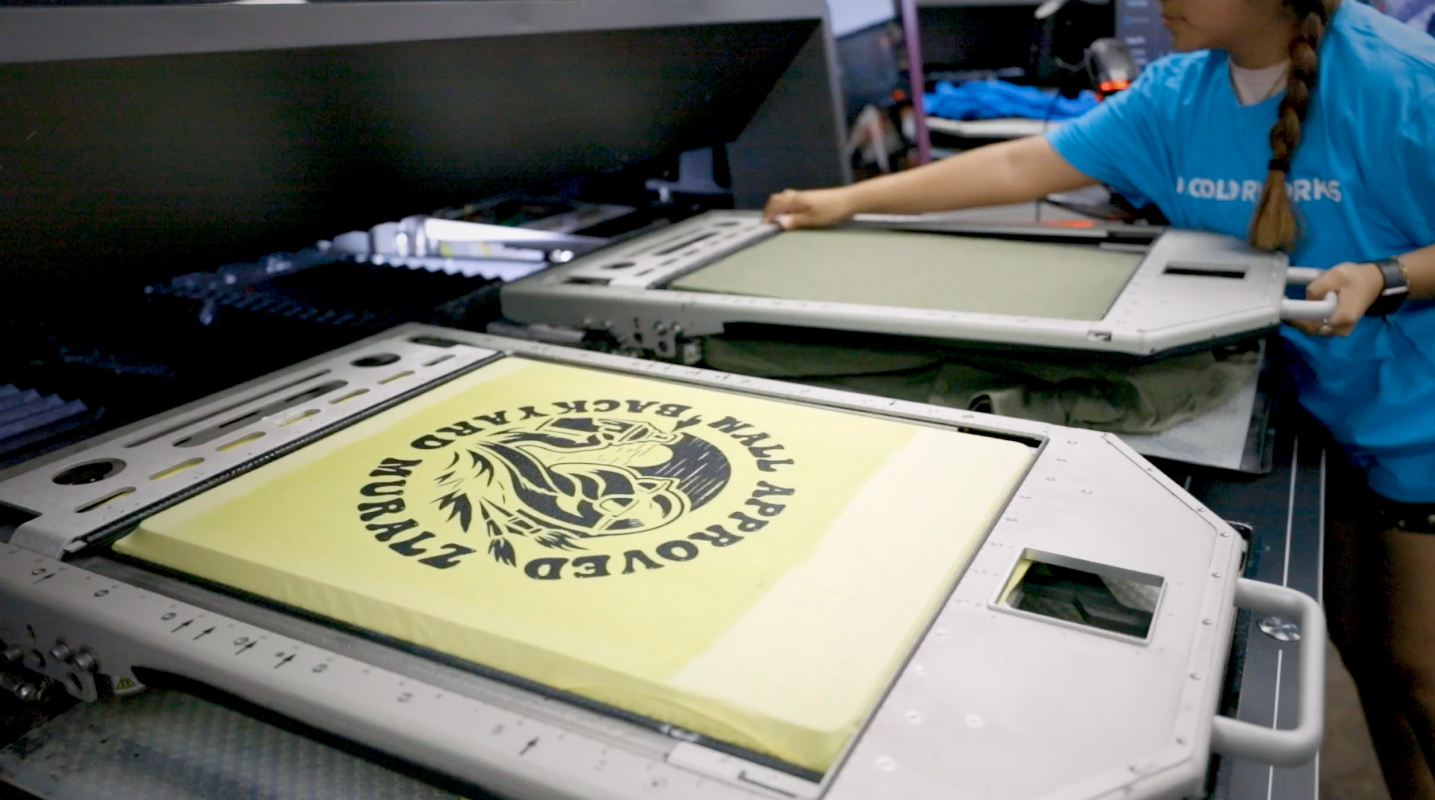
DTG printing uses inkjet technology to print directly onto fabric, without the need for screens or plates. It’s excellent for short runs and custom designs.
Here is why DTG printing excels at low-volume production:
- Fast turnaround times – Print and ship within days, not weeks
- Easy customization – Change each design with no extra setup
- Cost-effective for small batches – No expensive tooling or prep
- Eco-friendly – Uses less water, energy, and chemicals
Kornit’s advanced DTG systems make all of this possible. They allow printing high-quality designs on many types of fabric, with no minimums required.
Why DTG Printing is the Future of Sustainable Textile Production
DTG uses precise amounts of ink and doesn’t require water-heavy processes like dyeing or washing. That means fewer wasted resources. Sustainable textile printing is not only less expensive, but it’s an opportunity to promote an eco-friendly brand.
Since you only print what’s needed, there’s no excess inventory that ends up in landfills. When certain fashion trends go out of style, companies don’t have to worry about getting rid of the excess stock.
The Print on Demand Approach
Print on Demand (POD) is a business model where products are only made after an order is placed. It’s the perfect fit for low-volume production.
With POD:
- There’s no need to guess how much to produce
- You avoid extra stock sitting around
- You can easily offer more designs, sizes, and styles
For sellers looking for low MOQ printing solutions, POD removes the pressure to pre-produce inventory. With advanced solutions like KornitX, a global on-demand business is possible without major investments. Everything from design to fulfillment is handled by professionals.
Streamline Low-Volume Production with Kornit Digital
Low-volume printing doesn’t have to be a problem. With Kornit’s digital printing solutions, it becomes an opportunity. Companies move fast, reduce waste, and create exactly what the customers want.
Ready to simplify your low-volume production? Contact us to learn more about Kornit’s digital printing solutions.