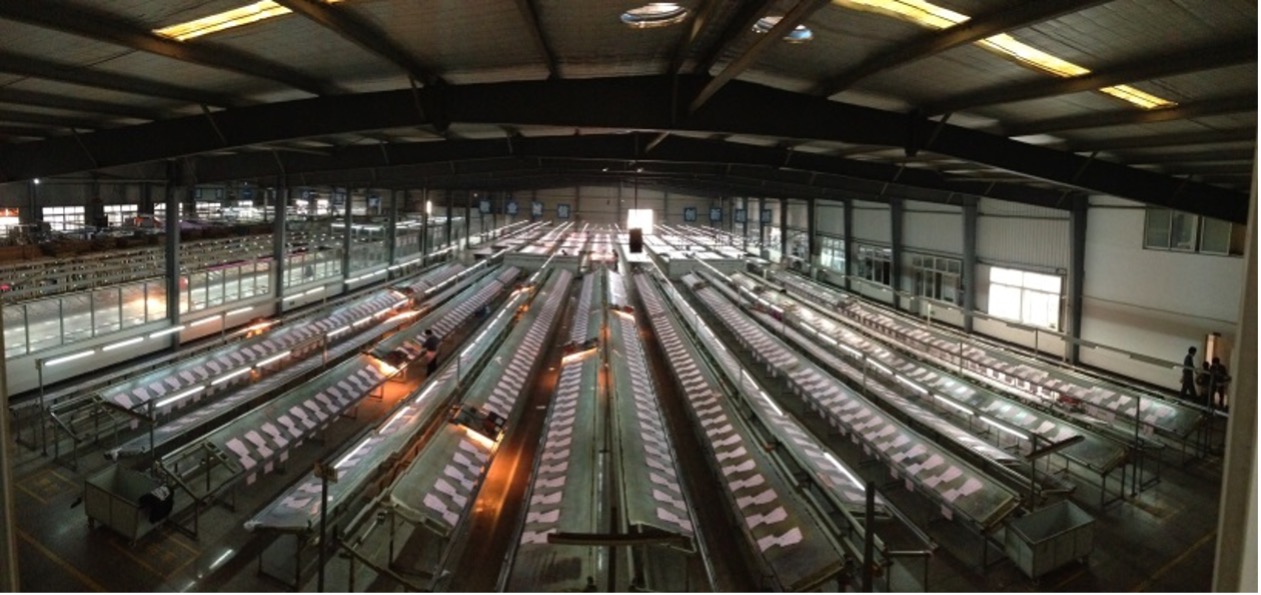
Atlas MAX PLUS Print Quality: What 100 Wash Cycles Can Tell Us
Key Takeaways
- Wash durability is one of the clearest signs of long-term print performance.
- Prints produced on Kornit Atlas MAX PLUS remained strong after 50 and 100 wash cycles.
- The T-shirts themselves showed visible fading, while the prints stayed bright.
Why DTG Print Durability Matters
A great print needs to do more than look sharp when it comes off the press. It needs to survive real use:
- Shipping
- Wearing
- Washing
- Stretching
- Folding
That is where print durability becomes a serious business issue.
For brands, print quality affects customer satisfaction. For print providers, it affects returns, complaints, and repeat orders. In short, it’s a matter of brand trust.
This is especially important as more businesses move to on-demand production and short runs. The flexibility of DTG printing is only powerful when the final product can stand up to repeated care.
The Wash Test: From 50 Cycles to 100
At the beginning of 2026, Kornit printed a new set of DTG designs using the Atlas MAX PLUS.
The goal was simple: test how the prints would perform after repeated washing, especially with designs created to have a more screen-like appearance.
The first benchmark was 50 wash cycles. Each cycle included one hour of washing at 40°C and 600 rpm with Persil Color Megaperls detergent. After the first round, the printed shirts still looked strong. The prints held their color intensity, detail, and overall visual quality.
So the test continued.
The next step was 100 wash cycles. That is a demanding number for any printed garment. It goes far beyond the kind of use most shirts experience in a short period of time. But it gave Kornit a clear way to see what happens when the fabric and print are pushed much further.
What the Results Showed
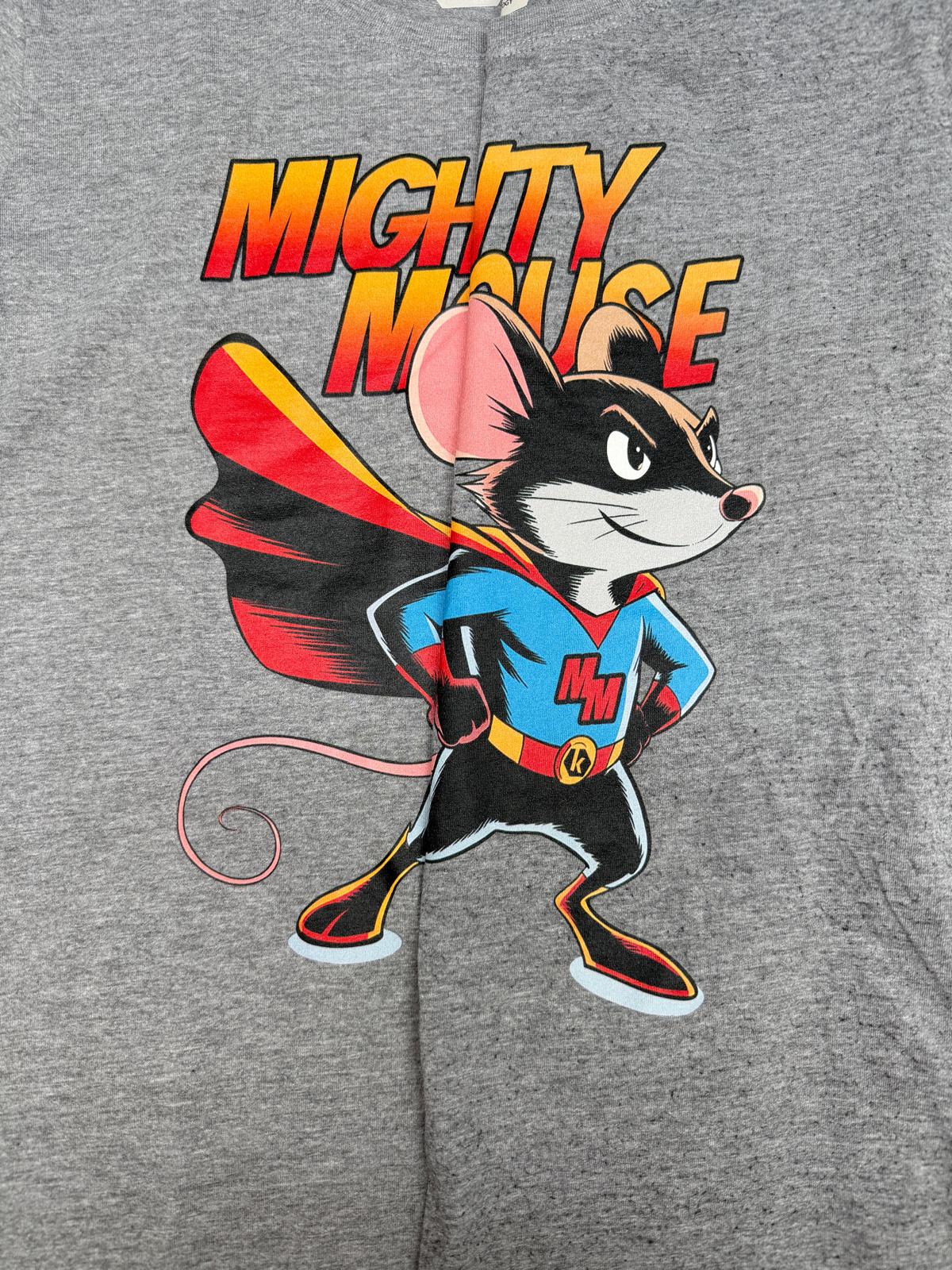
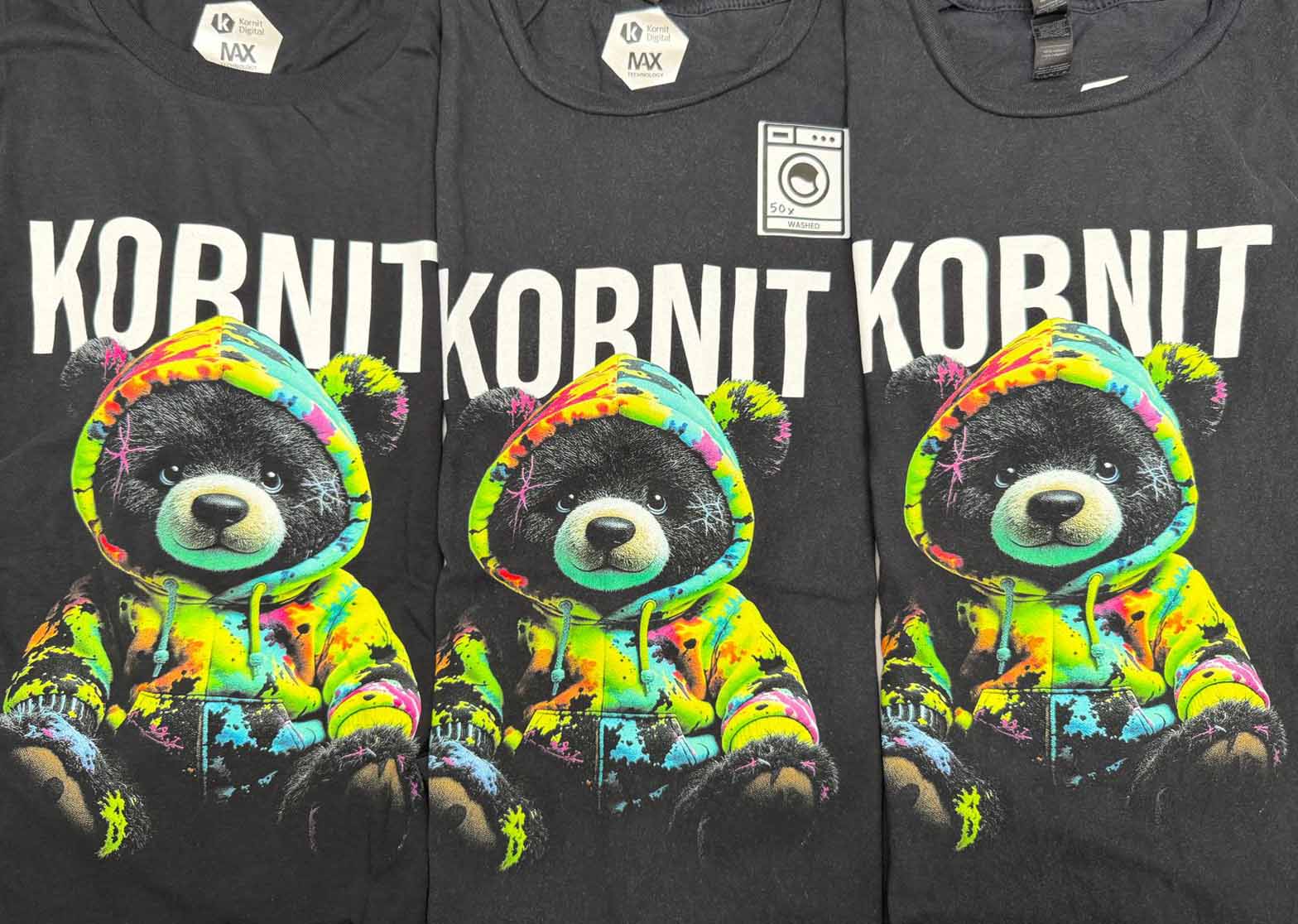
After the washing was complete, the results were photographed and compared.
The comparisons included:
- Non-washed shirts vs. shirts after 50 wash cycles
- Non-washed shirts vs. shirts after 100 wash cycles
- Shirts after 50 cycles vs. shirts after 100 cycles
The most interesting finding was not only that the prints survived. It was that the garments often showed more visible wear than the prints.
In several samples, the T-shirt fabric itself had visibly faded after repeated washing. The garment’s color looked softer and more worn. In some cases, the shirts also showed natural signs of textile aging, such as dye loss or slight changes in shape.
The printed areas, however, remained bright and visually stable. The color intensity of the ink stayed clear while the designs continued to look sharp even after extended washing.
After 50 Washes

After 100 washes

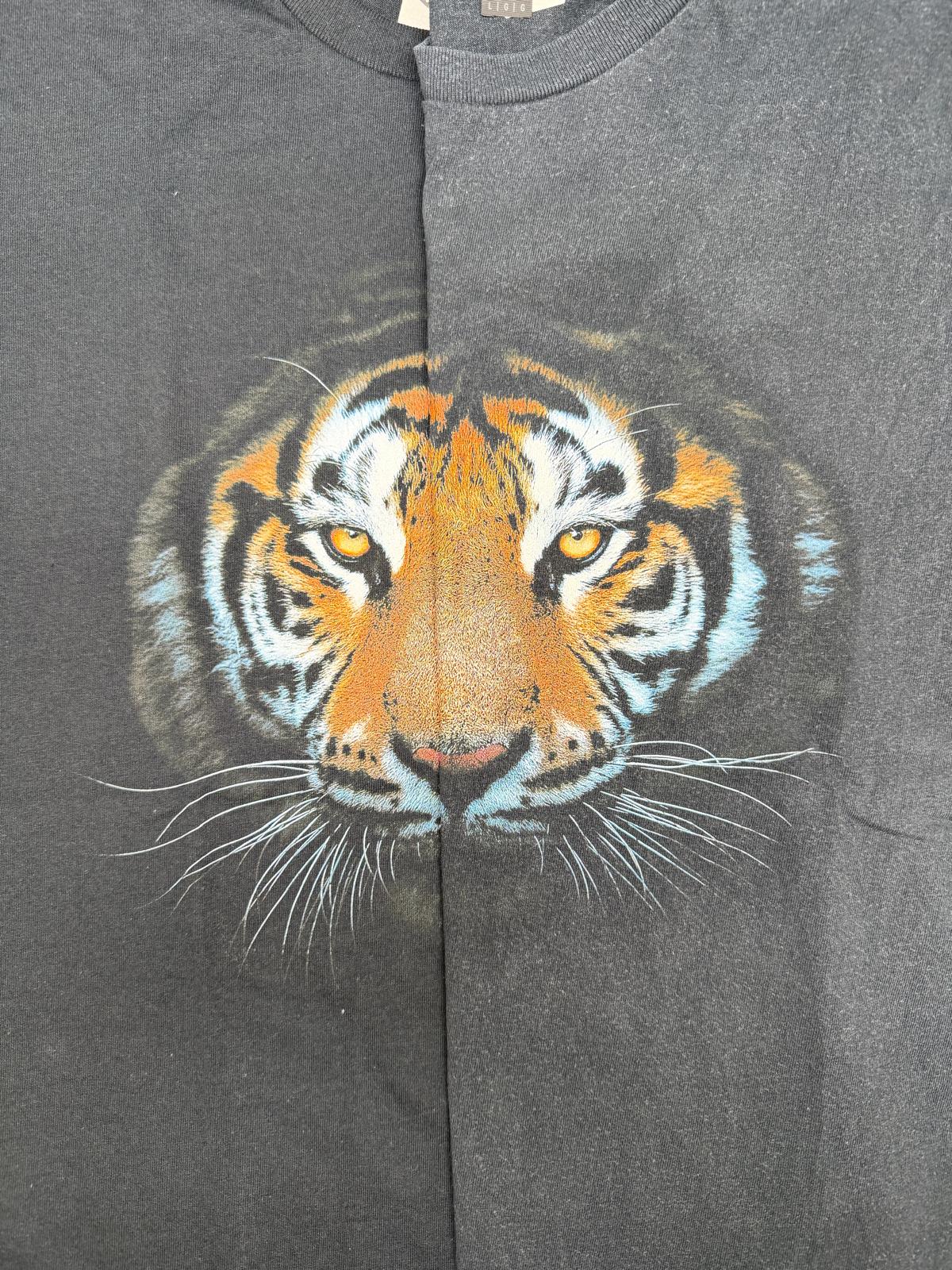
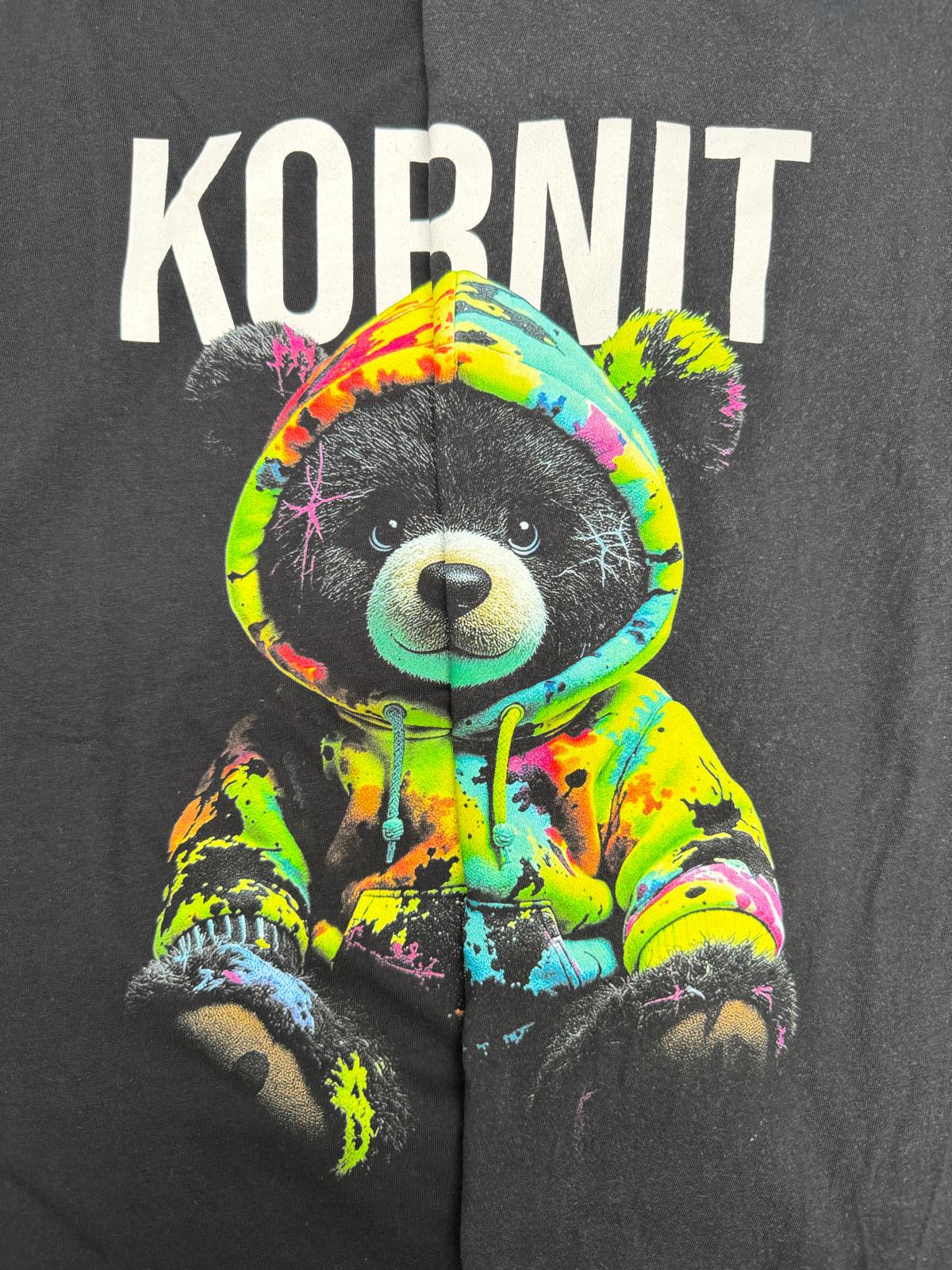

Unwashed vs 50 Washes vs 100 Washes

Where Atlas MAX PLUS Makes the Difference
Kornit Atlas MAX PLUS is built for high-quality, on-demand DTG production. It supports the kind of output that brands and fulfillers need when they want digital flexibility without compromising durability.
For print providers, this helps close the gap between digital and traditional production expectations. It gives them more confidence when handling premium apparel and designs that need a strong visual finish.
Better Durability, Better Business
Durable DTG printing supports more than print quality. It can:
- Reduce waste, because garments last longer.
- Reduce reprints, because customers are less likely to reject products after washing.
- Support a stronger brand trust, because the customer experience continues long after delivery.
A print that looks good after production is important.
A print that still looks bright after 100 wash cycles is much more valuable.
Are you ready to choose real quality? Let’s talk.