Turning Unsold Stock into New Collections with DTG Printing

Unsold stock has always been part of fashion.
Forecasts change, and trends move fast. Meanwhile, sizes sell unevenly and returns come back too late to be sold in the original season.
For years, many brands treated this as a hidden cost of doing business. Some stock was discounted and stored, while a lot was destroyed.
That model is becoming harder to defend.
Consumers expect better while regulators are acting. Margins are under pressure so brands need smarter ways to use products that already exist.
This is where Direct-to-Garment printing comes in. Modern textile printing technology allows unsold garments to gain a new life.
Key Takeaways
- Unsold stock is no longer only an inventory problem. It is a value-creation opportunity.
- New EU rules are pushing brands to find alternatives to destroying unsold clothing and footwear.
- DTG printing helps brands refresh finished garments without re-cutting, re-dyeing, or producing new blanks.
- Kornit’s on-demand DTG systems and R2R solutions make it easier to turn excess stock into limited collections.
Why Unsold Stock Has Become a Board-Level Issue
Fashion was built around prediction. Brands forecast demand months in advance. They commit to fabric, colors, sizes, trims, and production volumes before they know what shoppers will actually buy.
That creates risk.
A design may be right, but in the wrong color. A garment may be high quality, but tied to a campaign that has already passed.
The result is excess inventory.
According to UNEP*, 92 million tonnes of textile waste are produced globally every year. In Europe, regulators estimate that a share of textiles is destroyed before ever being worn.
The environmental impact is significant. But the business impact matters too.
Every unsold garment already carries a cost. Materials were purchased. Labor was paid. Logistics were handled. Warehousing was used. Destroying or heavily discounting that garment removes most of the value that has already been created.
The better question is no longer “How do we get rid of this?” It is “How do we make this relevant again?”
What Is Changing in 2026?
Under the EU Ecodesign for Sustainable Products Regulation**, new rules are being introduced to stop the destruction of unsold apparel, clothing accessories, and footwear. Large companies (with $250+ employees or >€50M turnover) are expected to face the ban from 19 July 2026. Medium-sized companies are expected to follow in 2030.
Companies will also need to disclose information about unsold consumer products they discard. This matters because it changes the role of inventory.
Unsold products can no longer sit at the edge of the business. They now affect compliance, sustainability reporting, brand reputation, and operational planning.
For fashion brands, the challenge is practical.
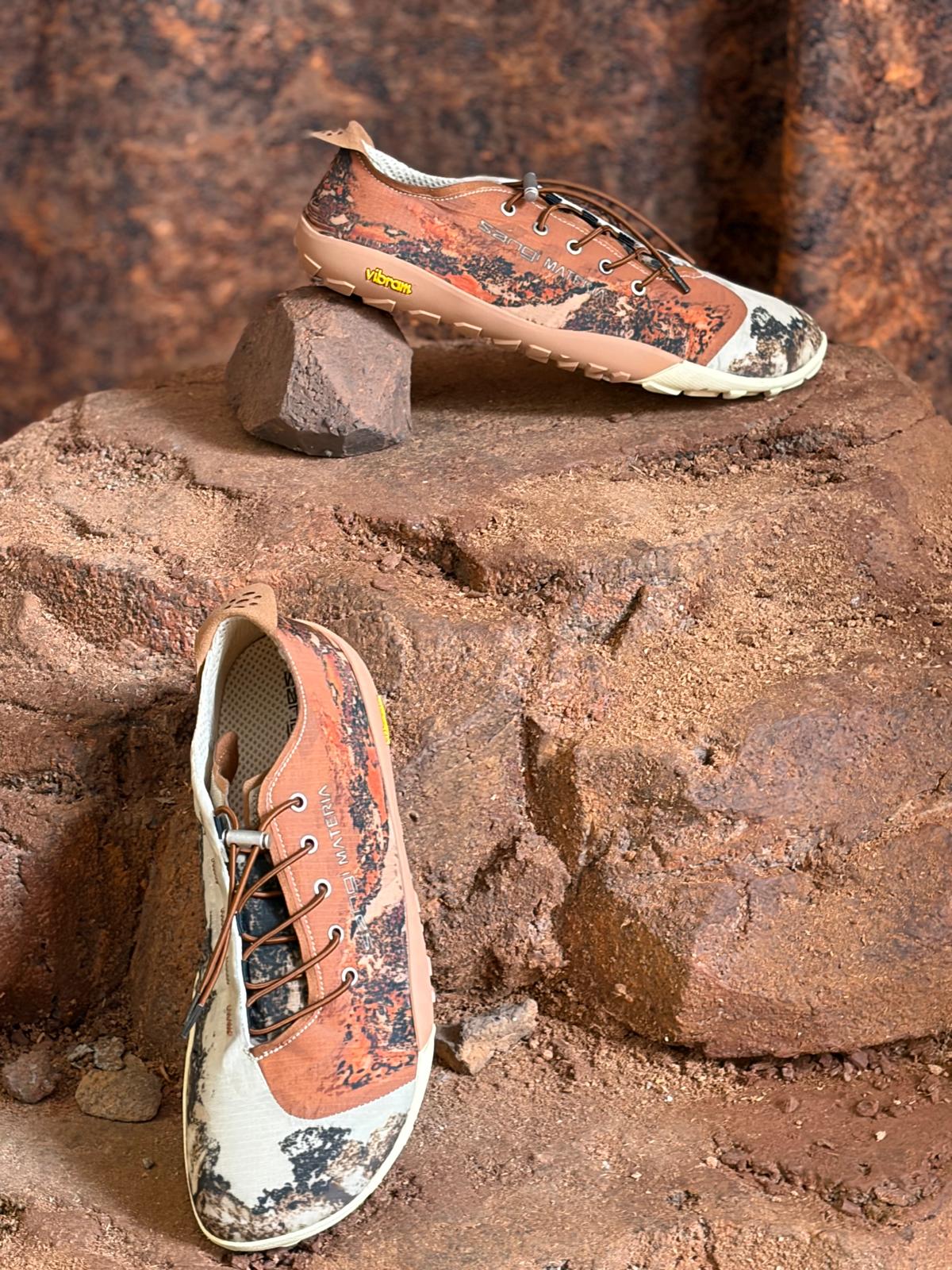
They need alternatives that are fast, scalable, and commercially viable. Donation and resale can be part of the answer. So can repair and remanufacturing. But many brands also need a way to turn unsold garments into products that feel new.
That is where DTG printing becomes useful.
How Can DTG Printing Give Unsold Stock a Second Life?
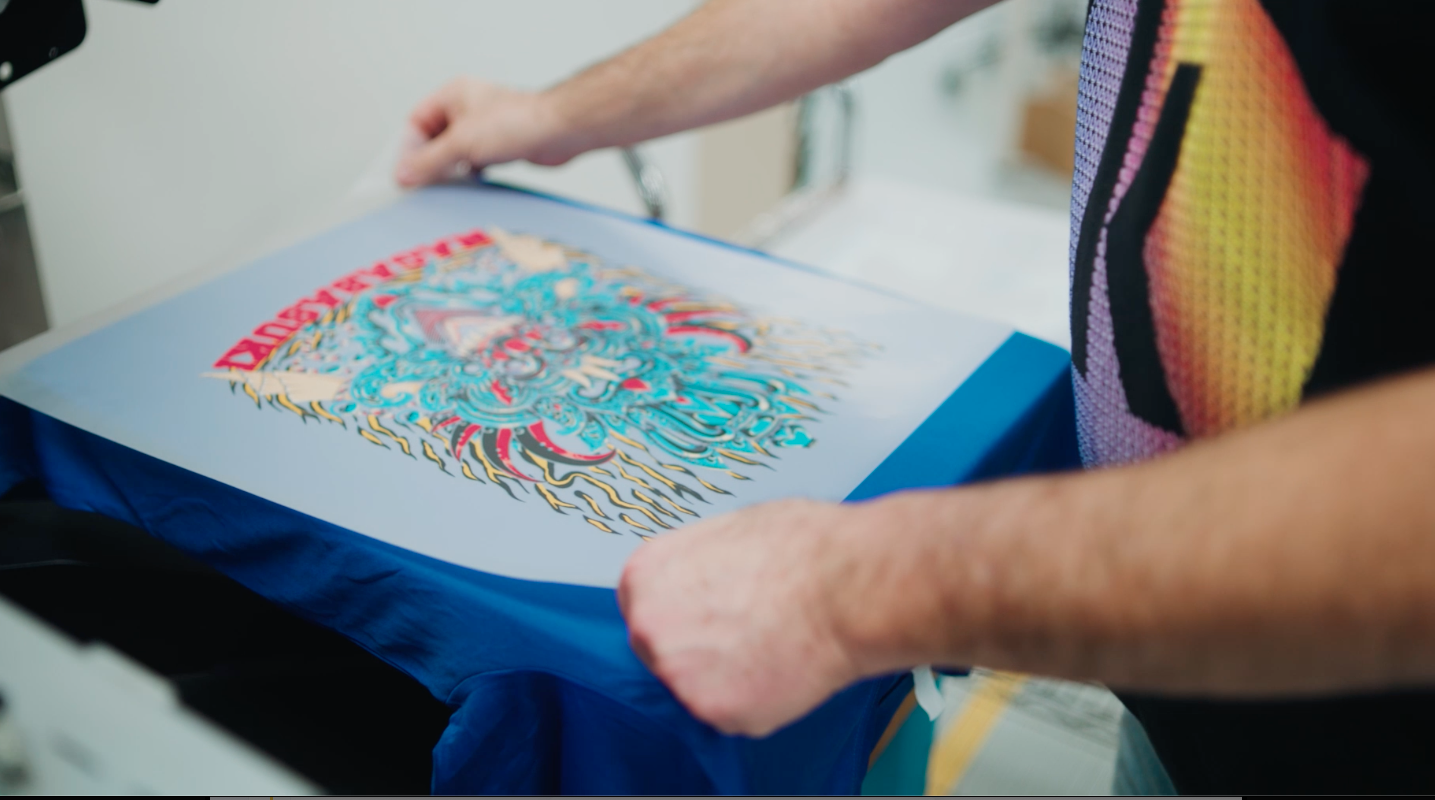
Direct-to-Garment printing allows brands and fulfillers to print directly onto finished garments.
- A blank hoodie sitting in a warehouse can become part of a new drop.
- A basic T-shirt can be refreshed with a regional graphic.
- A returned item can be routed into a limited campaign.
- A slow-moving style can be turned into a personalized product.
This does not solve every inventory challenge. But it gives brands more options before they lose money on unsold stock.
From Deadstock to New Collections
The strongest use case isn’t simply printing over old products. It’s building a new collection strategy around what already exists.
A brand may have 2,000 premium blank sweatshirts left after a season. Instead of selling them at a loss, the brand can create a limited capsule collection. The design can connect to a local event, artist collaboration, fan community, or sustainability story.
That shift is important. Consumers are more likely to respond when the product feels intentional. A second-life collection should be designed, named, photographed, and launched like any other collection.
DTG makes this easier because it removes many of the barriers that come with traditional decoration.
There are no screens to prepare. There is less need to commit to large print quantities. Designs can change quickly. Small batches become realistic.
For brands, this opens the door to more agile collection planning.

Where Kornit Printers Fit In
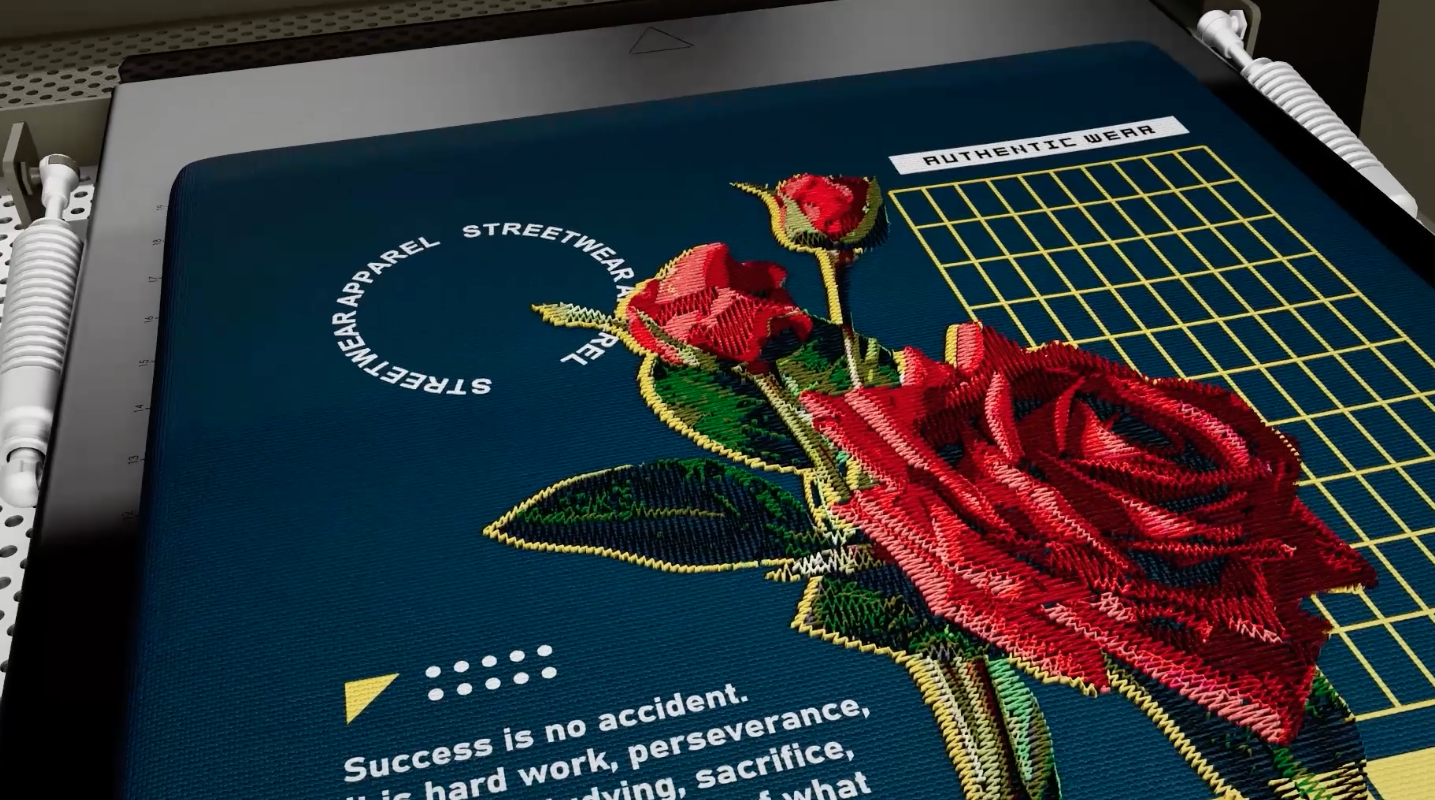
Kornit’s digital textile printing systems are built around on-demand production. That makes them a strong fit for second-life inventory strategies.
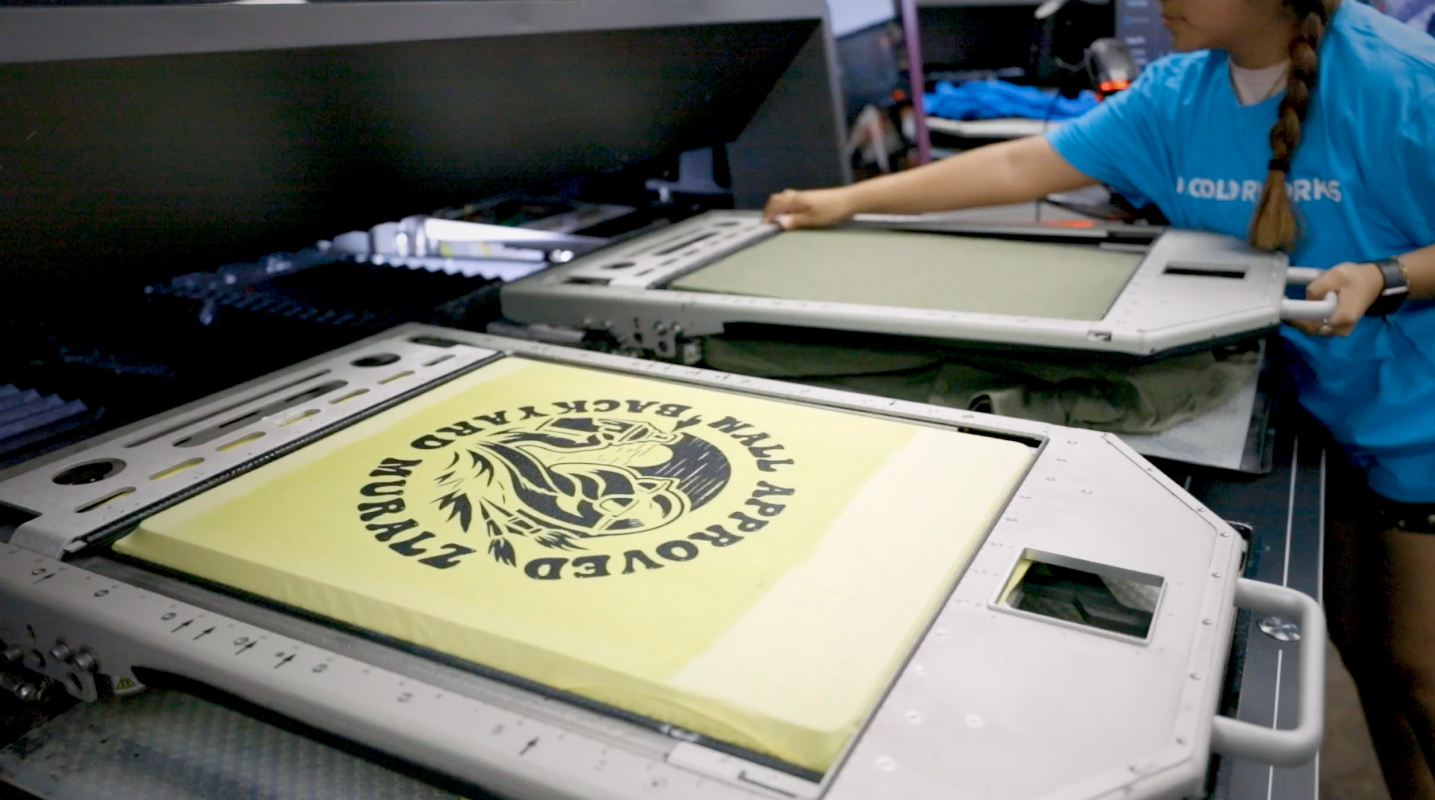
Kornit DTG technology allows brands, manufacturers, and fulfillers to decorate garments only when there is a need.
Kornit’s DTG portfolio supports a wide range of production needs, from premium retail output to industrial workflows. Kornit Atlas MAX PLUS, Atlas MAX POLY, Atlas MATRIX, Presto MAX, Presto MAX PLUS, and Apollo each support different production environments, but the strategic value is similar: print with flexibility, consistency, and speed.
For unsold stock, that means brands can move in more efficient steps.
Why This Matters for Sustainability
Reusing unsold stock helps brands make better use of the materials, labor, and energy already invested in each garment.
A second-life strategy can reduce the need for new blank production. It can extend the commercial life of existing garments and support more responsible inventory decisions over time.
Sustainable textile printing may have been a nice addition to your strategy before. Today, it can help you stay compliant.
The Bigger Shift: From Producing More to Creating More Value
Unsold stock won’t disappear overnight. Returns, forecasting gaps, and seasonal shifts will remain part of the industry. But brands now have better tools to manage the problem.
DTG printing gives unsold garments another chance to become relevant. Kornit’s on-demand technology helps make that process creative and commercially practical.
The opportunity is clear.
Brands can reduce waste. Protect margin. Respond to regulations. Build new stories around existing products. And create collections that feel timely without starting from zero while gaining exceptional business opportunities,
Want to learn how Kornit’s DTG systems can support more flexible, on-demand production? Let’s talk.
**https://green-forum.ec.europa.eu/implementing-ecodesign-sustainable-products-regulation_en