What Makes the Process of Silk-screening So Unique?

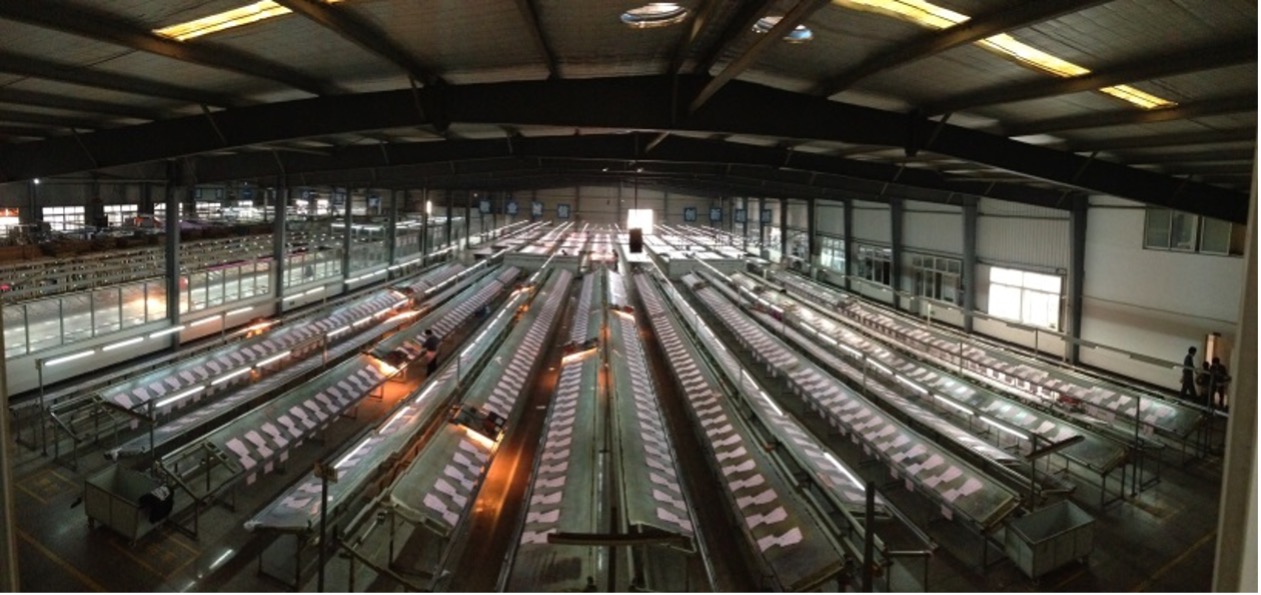
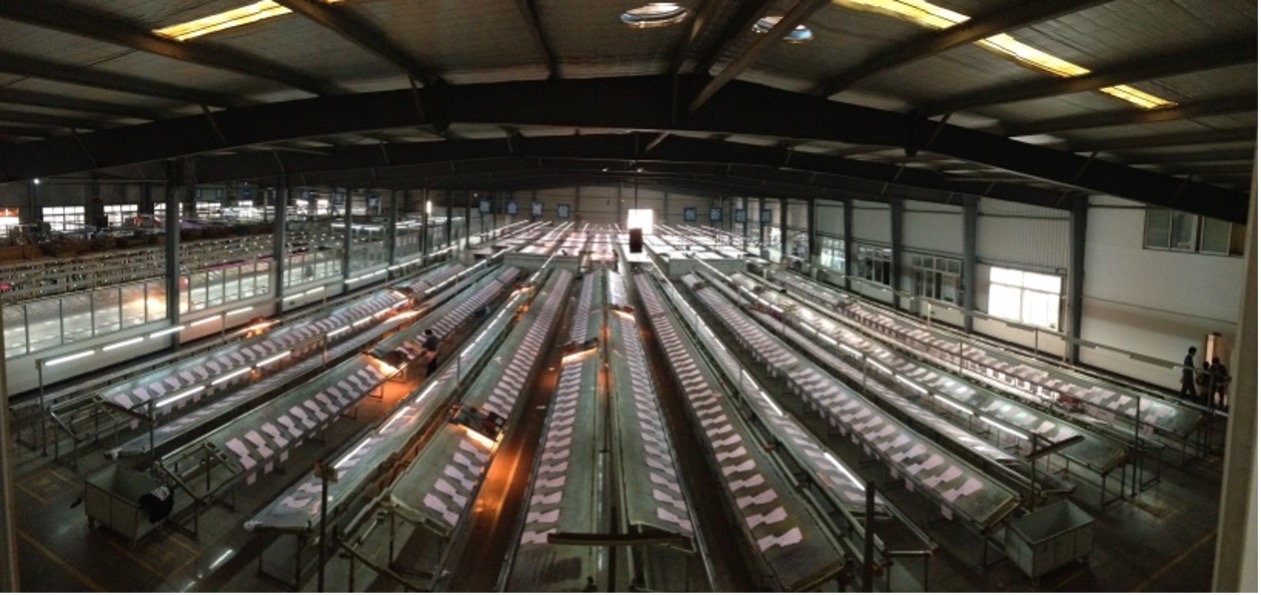
Silk-screening (also known as screen printing) has been a major player in textile decoration for decades. Yet even in the digital era, the enduring appeal of silk-screening remains strong.
What makes the process of silk screening so unique? Understanding how it compares to next-gen digital alternatives, like DTG printing, can help you redefine your production.
Key Takeaways
- Silk-screening offers thick, tactile prints that create a bold visual and physical presence.
- Each color is applied separately, enabling vibrant effects but increasing setup complexity.
- It’s ideal for high-volume runs with few colors, due to setup costs and manual labor.
- Compared to DTG or DTFilm, screen printing lacks flexibility, but excels in effects.
- Kornit Digital complements (not replaces) this tradition by offering automated, eco-friendly, and scalable alternatives for short and medium runs.
The Essence of Silk-Screening: A Craft of Layers and Precision
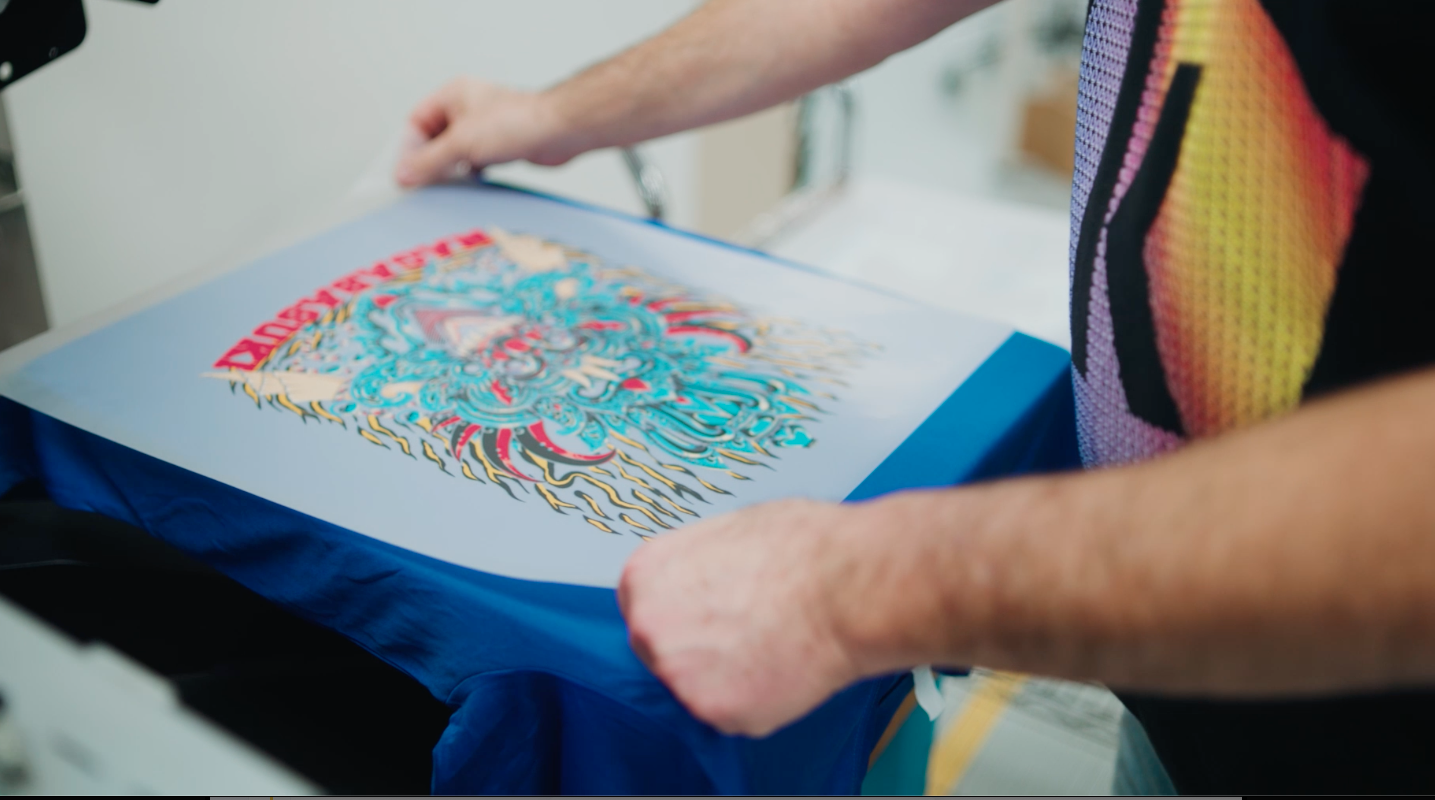
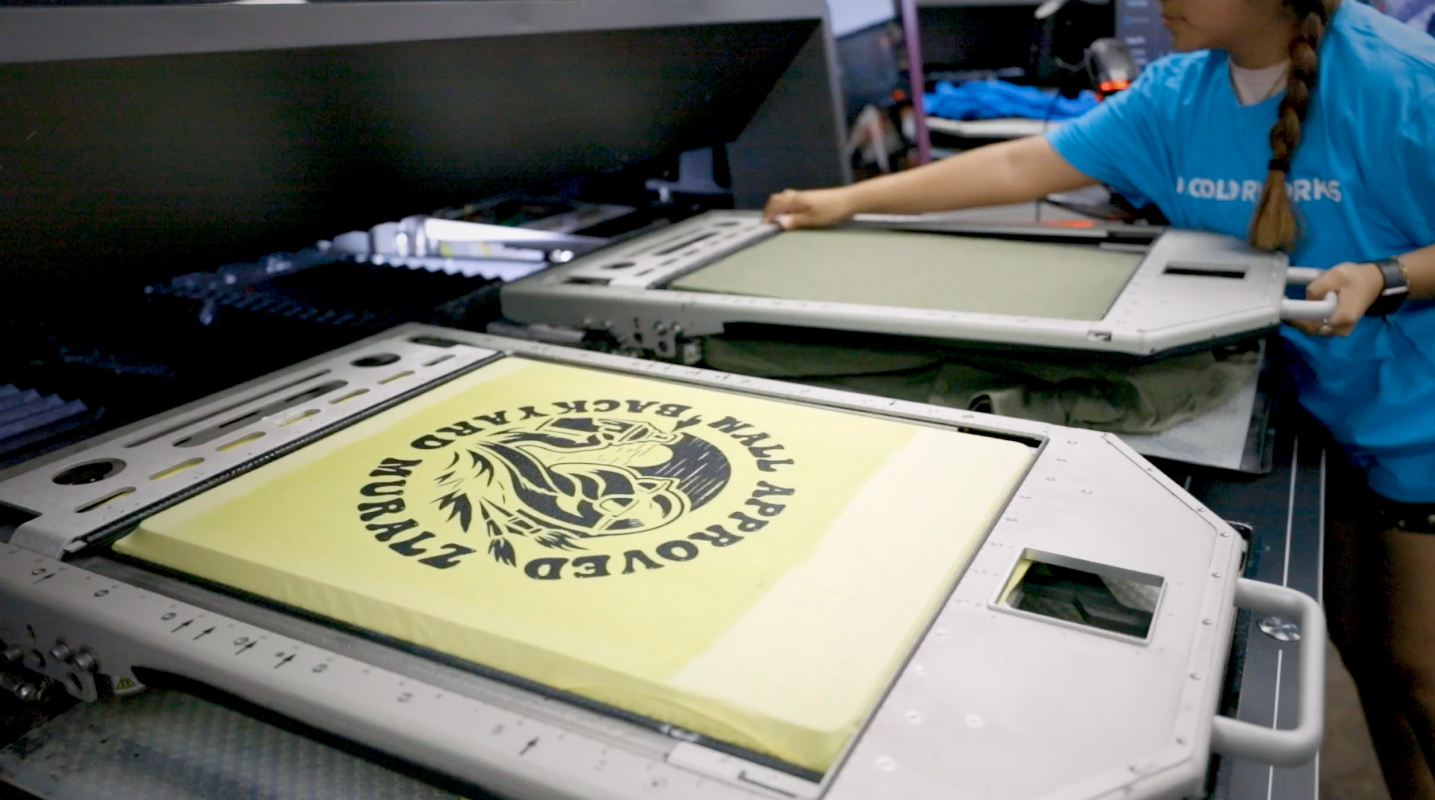
Silk-screening involves pushing ink through a mesh stencil (the screen) onto a substrate, one color at a time. Each ink layer requires its own screen and meticulous registration to align with others. This manual nature is part of what makes the process so unique.
Because the ink sits on top of the fabric instead of soaking in, the result is a bold, durable finish. This is why manufacturers often choose silk-screening for athletic wear and logo-heavy designs.
The Physicality of the Print
Unlike digital prints that bond closely with fibers, silk-screened prints are tactile. You can feel the texture of a well-executed design. Specialty inks (e.g., puff, metallic, glow-in-the-dark) amplify this effect.
This tactile quality is a key differentiator. It’s not just about what you see, but what you feel. In promotional apparel and fashion branding, that sensory experience matters.
Where Silk-Screening Shines (and Where It Struggles)
While silk screening can be an excellent choice for many manufacturers, just like any method, it comes with certain pros and cons.
Strengths:
- Color Brilliance: Because the ink is thicker, silk-screened colors are vibrant and opaque (even on dark fabrics).
- Durability: These prints hold up to dozens of washes, making them perfect for teamwear and uniforms.
- Cost-Effective at Scale: For runs of 500+ units, the per-shirt cost becomes low.
Limitations:
- Setup Time: Each screen must be prepared, aligned, and cleaned. Complex designs with multiple colors can take hours.
- Design Flexibility: Gradients, photo-realistic detail, or one-off designs are difficult to execute manually.
- Environmental Impact: Traditional silk-screening often requires significant water usage, chemical emulsions, and ink waste.
- Replenishment Challenges: Reprinting small follow‑up orders is inefficient, as screens often need to be recreated, driving up costs and turnaround time.
- Sampling Costs: Producing samples requires a full setup, just like production runs
- Time to Market (TTM): Long preparation and production cycles make it difficult to react quickly to fast‑changing trends or viral demand.
Digital Print Technology: Enhancing What Silk-Screening Can’t Do Alone
While silk-screening has its place, the modern textile market increasingly demands short runs, personalization, and minimal waste. These needs are often met better by advanced DTG and DTFilm printers.
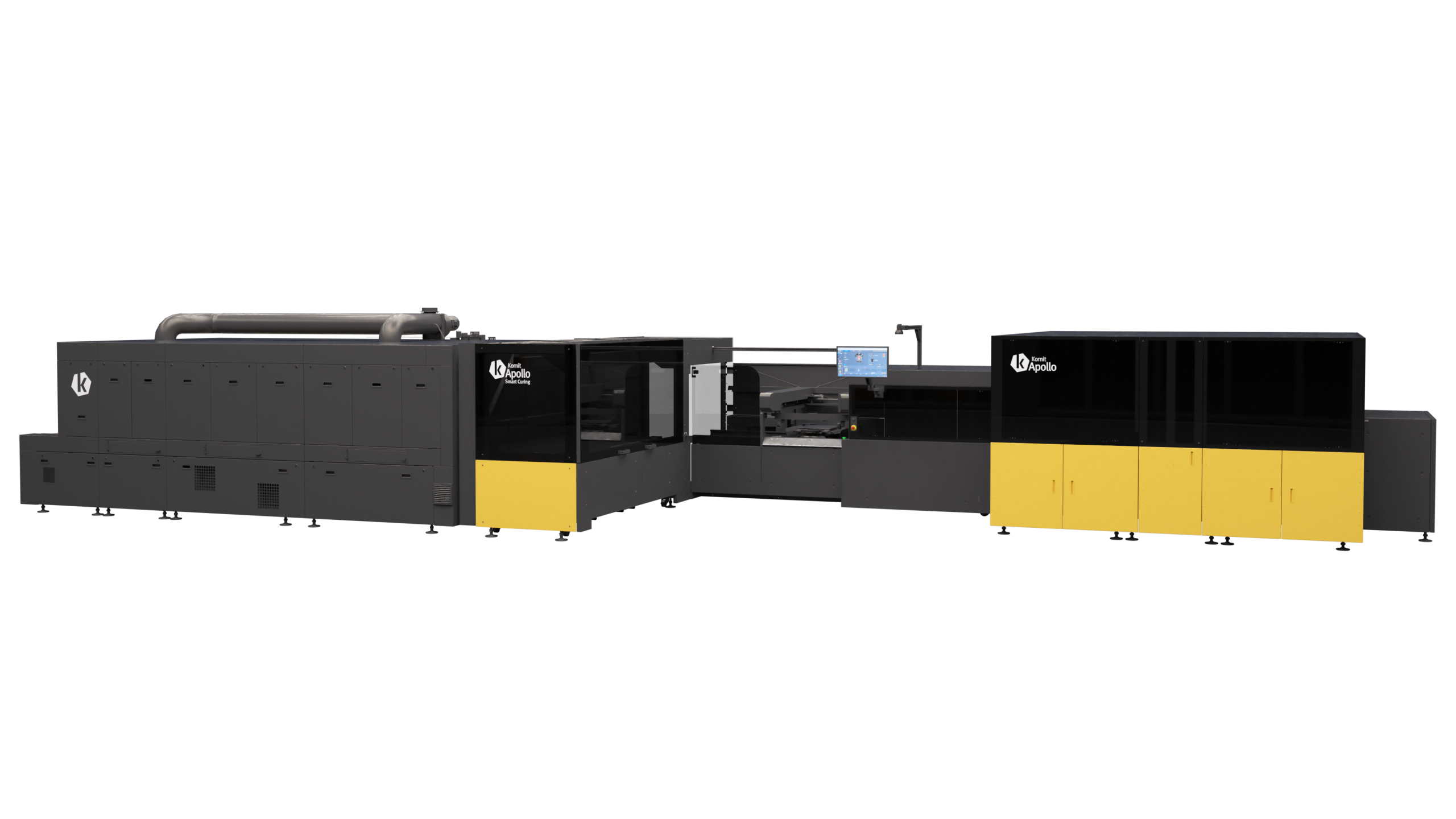
For instance, Kornit’s Atlas MAX PLUS offers:
- Automated setup with no screen prep
- On-demand printing, even for one unit
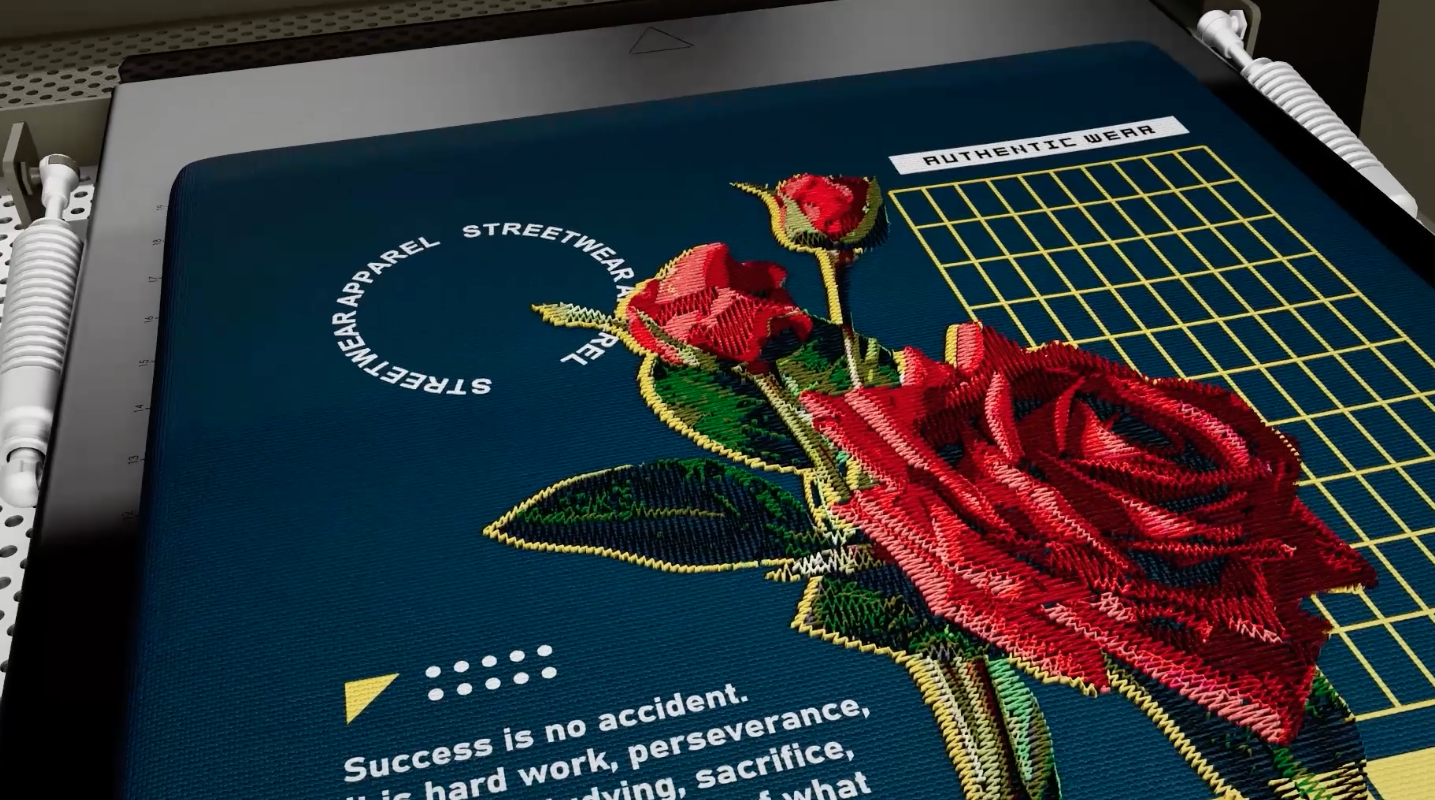
- Photo-quality gradients and vibrant color on all substrates
- Eco-friendly NeoPigment™ inks
The reduction of labor and material waste allows Kornit’s systems to provide a strong, sustainable alternative to silk-screening. In addition, it helps businesses free their carousels from short and medium runs and print longer runs on the screen.
How Screen Printing and Digital Can Coexist
Many large-scale operations today don’t choose one or the other. They blend both. Silk-screening may be used for high-volume, one-to-two-color jobs, while DTG or DTFilm solutions power personalized, full-color runs.
This hybrid approach enables:
- Maximum efficiency: Each job type goes to the most cost-effective system.
- Creative freedom: Designers aren’t limited by the constraints of one method.
- Sustainability gains: Digital minimizes overproduction and waste.
Many screen printers who have focused solely on silk screening in the past are turning toward adding DTG equipment to their arsenal.
Craftsmanship Meets Innovation
Silk-screening remains a cherished part of textile design, celebrated for its tactile feel, visual depth, and artisanal legacy. But today’s production landscape is more complex. Whether it’s personalizing a single tee or running a global print-on-demand operation, technology must complement tradition.
Would you like to add DTG and DTFilm to your screen printing tech stack? Let’s talk.