Kornit’s Atlas MATRIX is Changing the Industrial Digital Printing Game
Key Takeaways:
- Kornit Atlas MATRIX brings cotton, polyester, and blends into one industrial digital printing solution..
- Karbon Technology helps solve dye migration, opening new business and revenue opportunities
- The system gives screen printers and fulfillers more flexibility for short runs, sportswear, performance apparel, and customized production.
Industrial textile printing is changing every year. Brands want faster production, shorter runs, more personalization, and fewer limitations around fabric type. Print businesses are being asked to produce more variety, with higher quality, in less time.
That is the environment Kornit’s Atlas MATRIX was built for.
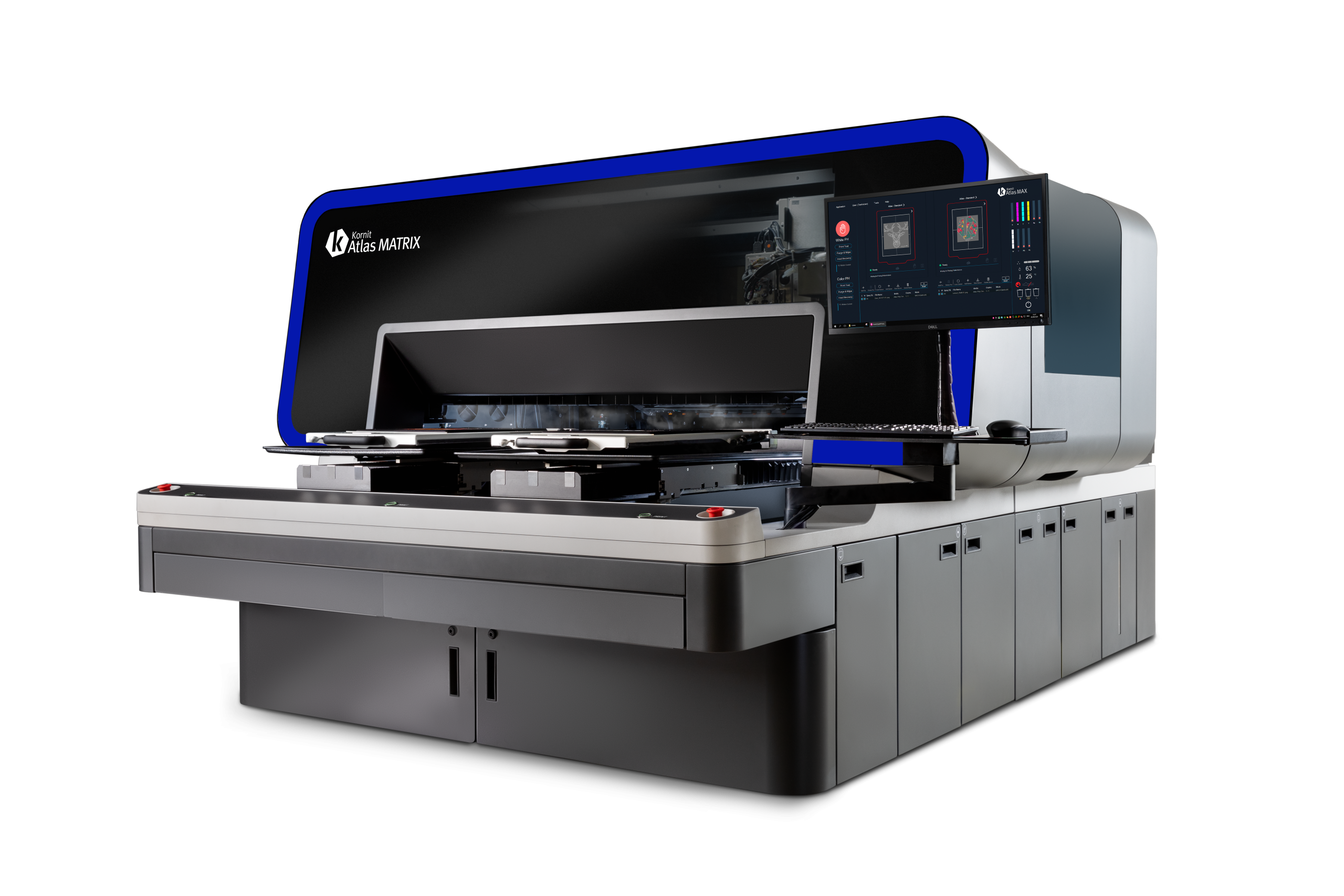
The system was first unveiled at Konnections 2026 in April 2026. At Konnections, Kornit introduced it as a unified digital production system for cotton, polyester, and blended fabrics.
Kornit also announced that Atlas MATRIX would be shown with live demonstrations at global industry events, including FESPA Global Print Expo 2026 in Barcelona.
The reason for this launch is simple. Demand. Today’s producers need to handle a wide variety of products, including:
- Cotton T-shirts
- Polyester sportswear
- Blended garments
- Licensed merchandise
- Customized drops
- Performance apparel
- Accessories
- Special applications
The variety of equipment needed to reach these goals can exceed the budget limitations. That’s why Atlas MATRIX is an all-in-one deal.
A Single Platform for a More Demanding Market
For years, digital direct-to-garment printing has been strongest in cotton-based applications. Polyester has been more complicated. It’s widely used in sportswear and performance apparel, but it can create production challenges. Some of them include:
- Dye migration
- Color stability
- Durability
- Hand-feel
Atlas MATRIX is designed to address this gap by supporting cotton, polyester, and blends through one production platform. The system uses a media-agnostic, single-step workflow powered by MAX and Karbon Technology. It allows producers to move between cotton and polyester without separating production into completely different workflows.
That matters for industrial producers because fabric diversity is now part of everyday demand. A single customer may need cotton merchandise, polyester teamwear, blended fashion products, and decorated accessories. Managing all of that across separate processes can increase setup time, labor requirements, and time-to-market.
Why Polyester Is the Big Story
One of the most important parts of Atlas MATRIX is its focus on dyed polyester.
Polyester is central to categories such as sportswear, athleisure, footwear, and team uniforms. These growing, high-demand markets aren’t always easy to serve with digital printing.
The technical challenge is dye migration. In simple terms, dye from the polyester fabric can move into the print and affect the final color. That can create color shifts and print quality issues, especially on dark polyester garments.
Kornit’s Karbon Shield was developed to solve this issue. It makes digital, migration-free direct printing on dyed polyester and performance fabrics possible with the help of DigiBlocker, Kornit’s proprietary digital ink blocker.
This expands what digital production can realistically handle. Instead of treating polyester as an exception or a more complex workflow, Atlas MATRIX positions it as part of the main production environment.

Built Around DTG and DTF Capabilities
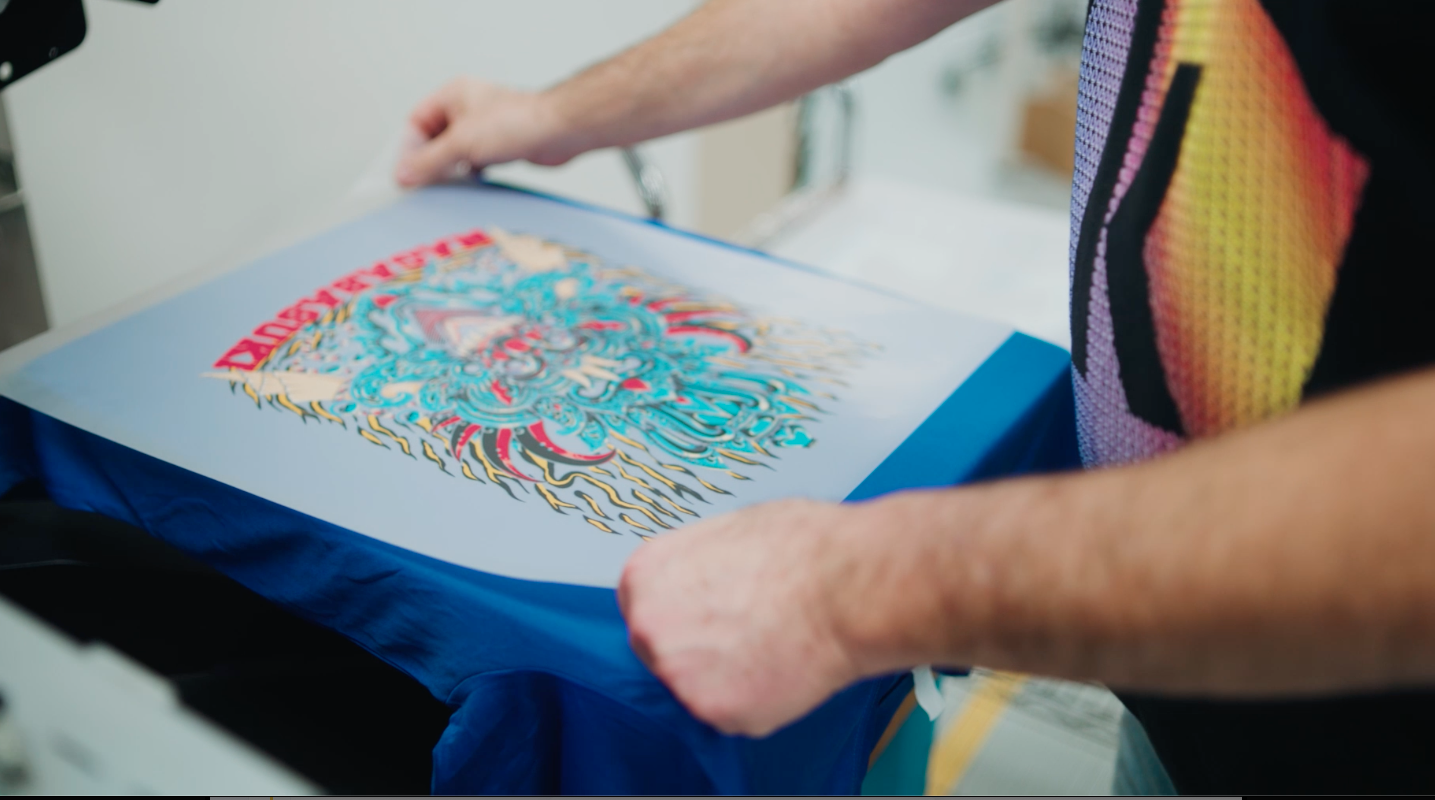
Atlas MATRIX is not only a direct-to-garment system. It also includes Karbon Transfer, which adds advanced direct-to-film decoration capabilities.
This gives producers more flexibility for complex placements and specialty products, including caps, bags, accessories, and other items that may not fit standard direct printing workflows.
Kornit’s additional capabilities also highlight the ability to support advanced design capabilities such as wider color gamut, fine detail, and semi-transparent effects.
This is where the product becomes especially relevant for industrial players. The market is not asking for one decoration method. It is asking for flexibility.
A brand may need direct printing for garments and transfer decoration for accessories.
A fulfiller may need to produce a full campaign across different product types.
A screen printer may want a digital option for shorter runs or complex designs without the setup demands of traditional production.
Atlas MATRIX brings these possibilities closer together in one environment.
Production Efficiency Without Overcomplication
Atlas MATRIX is also designed around a more efficient production model.
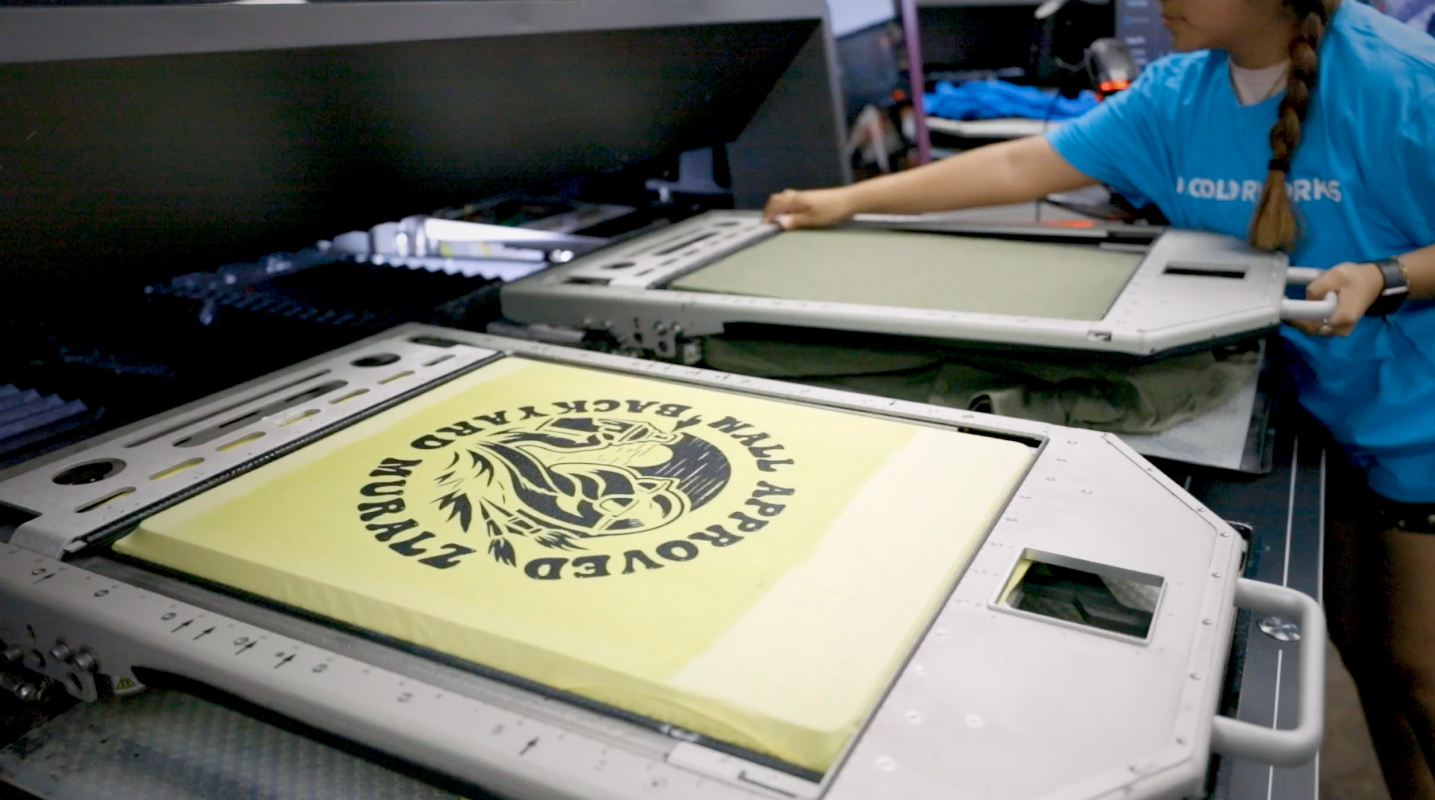
The system supports a single-operator workflow and is built for continuous high-speed production with smart automation and minimal operator intervention. The production output is 150 impressions per hour on cotton and 98 impressions per hour on polyester.
Why It Matters for Screen Printers and Fulfillers
Atlas MATRIX is especially interesting for two groups: screen printers and on-demand fulfillers.
For screen printers, short runs and complex artwork can be expensive or inefficient. Traditional screen printing remains powerful for long runs, but setup, preparation, and labor can make smaller orders harder to justify.
Atlas MATRIX allows screen printers to produce retail-grade short runs, reduce operational overhead, avoid some setup demands, and support faster turnaround.
For fulfillers, the value is different. They need to scale many small jobs across different products, fabrics, and designs. The ability to handle cotton, polyester, and blends in a more unified workflow can help them serve more applications.
In short, Atlas MATRIX isn’t just another printer. It’s Kornit’s response to the changing apparel production game.
The Bigger Industry Picture
Atlas MATRIX arrives at a time when apparel production is under pressure from all sides.
Brands want speed and flexibility.
Consumers expect personalization and fast delivery.
Retailers want to reduce waste and avoid overproduction.
Producers need to manage labor, cost, consistency, and sustainability expectations.
Digital production is not new, but the industry is still looking for ways to make it more scalable across real-world fabric and product demands.
Atlas MATRIX addresses one of the biggest barriers: the gap between digital flexibility and industrial fabric complexity. By bringing cotton, polyester, blends, direct printing, transfer decoration, automation, calibration, and workflow data into one production concept, it gives producers a more practical path toward demand-driven manufacturing.
That does not mean every business needs the same production setup. However, the overall direction is clear.
The future of industrial apparel printing is more flexible, more connected, and less dependent on rigid production categories. Kornit Atlas MATRIX is one of the systems supporting this future.