When Screen Printers Should Shift to DTG
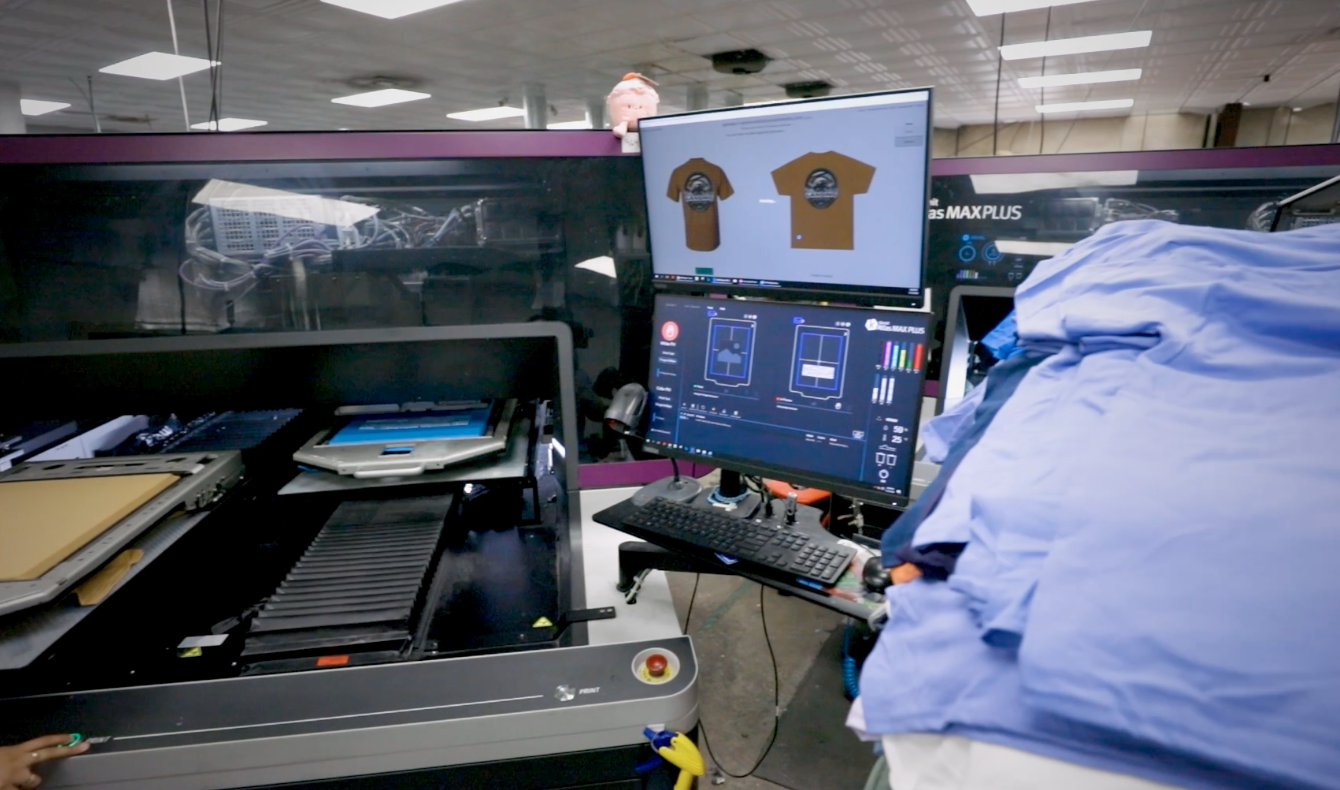
Many screen printers understand the growing importance of DTG printing. They hear about it at trade shows and see how their competition is adopting it.
But the real question is different.
When does it actually make sense for a screen printing business to shift toward DTG?
The answer is rarely about replacing screen printing. In most cases, the shift happens when shops begin to see certain types of orders that traditional screen printing struggles to handle.
Below, you’ll find a simple guide to help you identify the right moment.
Key Takeaways
- DTG makes the most sense when screen printers start receiving shorter runs, faster orders, or more complex, multi-color designs.
- Many shops adopt DTG alongside screen printing, not instead of it.
- Turning down small orders is often the first sign that digital printing could add new revenue.
- The best time to explore DTG is before competitors capture those opportunities.
Screen Printing Is Still Powerful
Before talking about DTG, it’s important to recognize something: screen printing is still one of the most efficient production methods in apparel decoration. For many types of orders, it remains the best technology for the job. Screen printing works especially well for:
- Large volume orders (500+ units)
- Simpler designs
- Fewer color prints
- Long production runs
Once the press is set up, screen printing can produce garments quickly. That efficiency is why many shops rely on it as their main production method.
However, every production technology has limits. Screen printing begins to struggle when orders fall outside its ideal range. Common challenges include:
- Small to medium orders
- Highly detailed or photorealistic artwork
- Fast turnaround requests
- Frequent artwork changes
- On-demand printing
When these types of jobs begin appearing regularly, many shops start looking for a second production method that can handle them more efficiently. That’s where DTG printing comes in.
5 Signs It’s Time for Screen Printers to Add DTG
The shift toward digital printing usually doesn’t happen overnight. Instead, shops begin noticing patterns in the types of orders they receive. Here are five signals that it may be time to consider adding DTG.
Sign 1: You’re Turning Down Small and Medium Orders
Many screen printing shops avoid orders under 500 pieces. The setup time required for screens, ink preparation, and press calibration often makes smaller runs unprofitable. But the apparel market has changed dramatically in recent years. Today, many customers want shorter runs, including:
- Creators
- Influencers
- E-commerce brands
- Test runs and samples
- Print-on-demand businesses
These customers may only need 10, 50, or 200 shirts. Traditional screen printing setups make these orders difficult to price competitively.
DTG printing removes the setup process, allowing shops to print anywhere from one shirt to several hundred without the cost of screen preparation.
If your shop regularly turns down smaller jobs, it may mean that digital printing could open a new revenue stream.
Sign 2: Customers Want Faster Turnaround
Customer expectations have changed across almost every industry. Many buyers now expect production speeds similar to those of online retailers. This can be challenging for screen printing workflows.
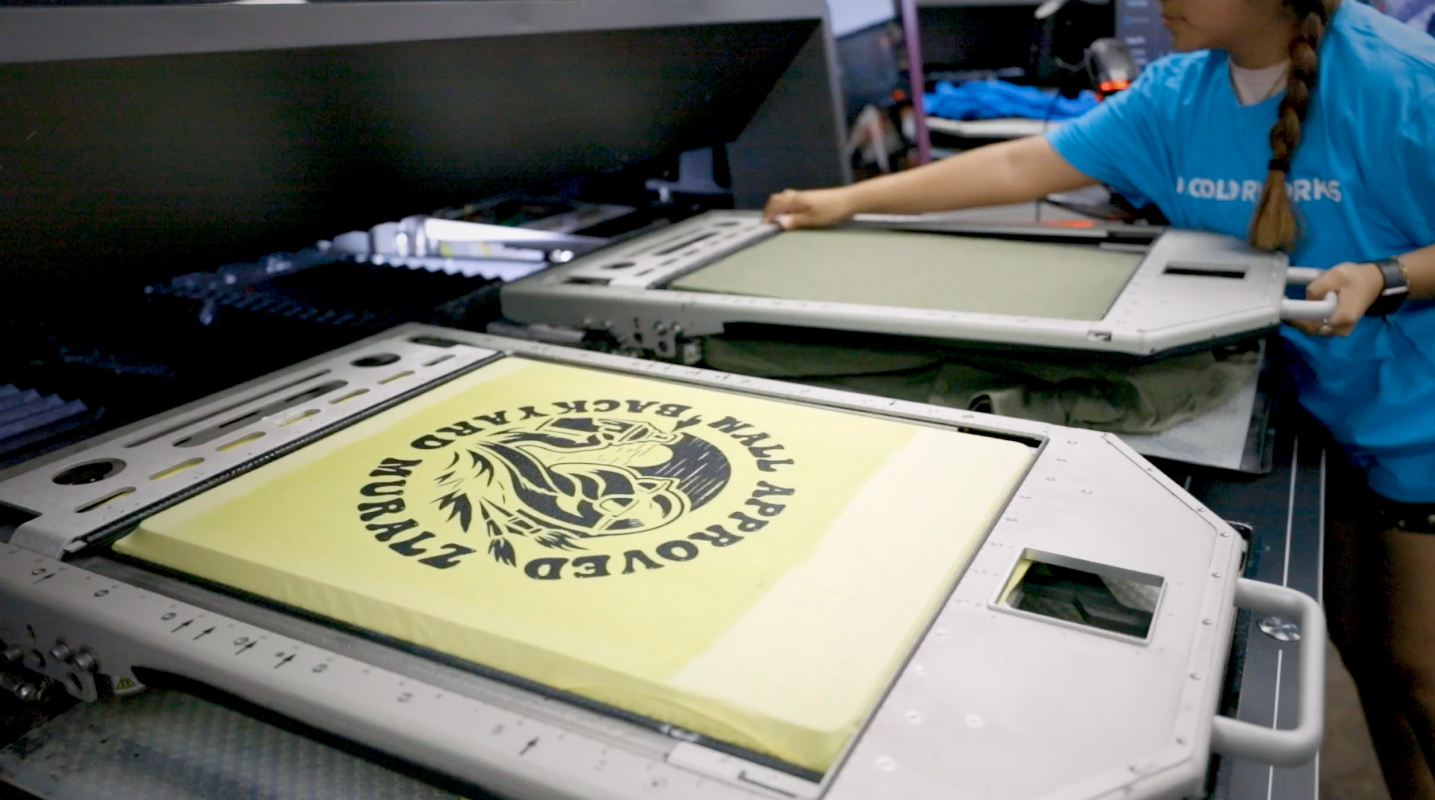
Traditional screen printing involves several steps before production begins:
- Screen preparation
- Artwork preparation
- Press setup
- Screen registration
- Drying
- Cleanup
These steps make same-day or next-day production difficult.
DTG printing simplifies the process because designs can be printed directly onto garments without screen preparation. That makes it easier to handle quick-turn orders or last-minute requests.
As more customers expect faster delivery, digital printing becomes a useful option for meeting those demands.
Sign 3: Labor Is Becoming Harder to Find
Labor shortages have affected many manufacturing industries, and apparel decoration is no exception. Operating a screen printing press requires skilled workers who understand:
- Press operation
- Manual setup
- Screen preparation
- Color matching
Training new operators can take time. Meanwhile, experienced press operators are increasingly difficult to hire. DTG systems rely more on automation, which can reduce the number of manual steps required to produce prints.
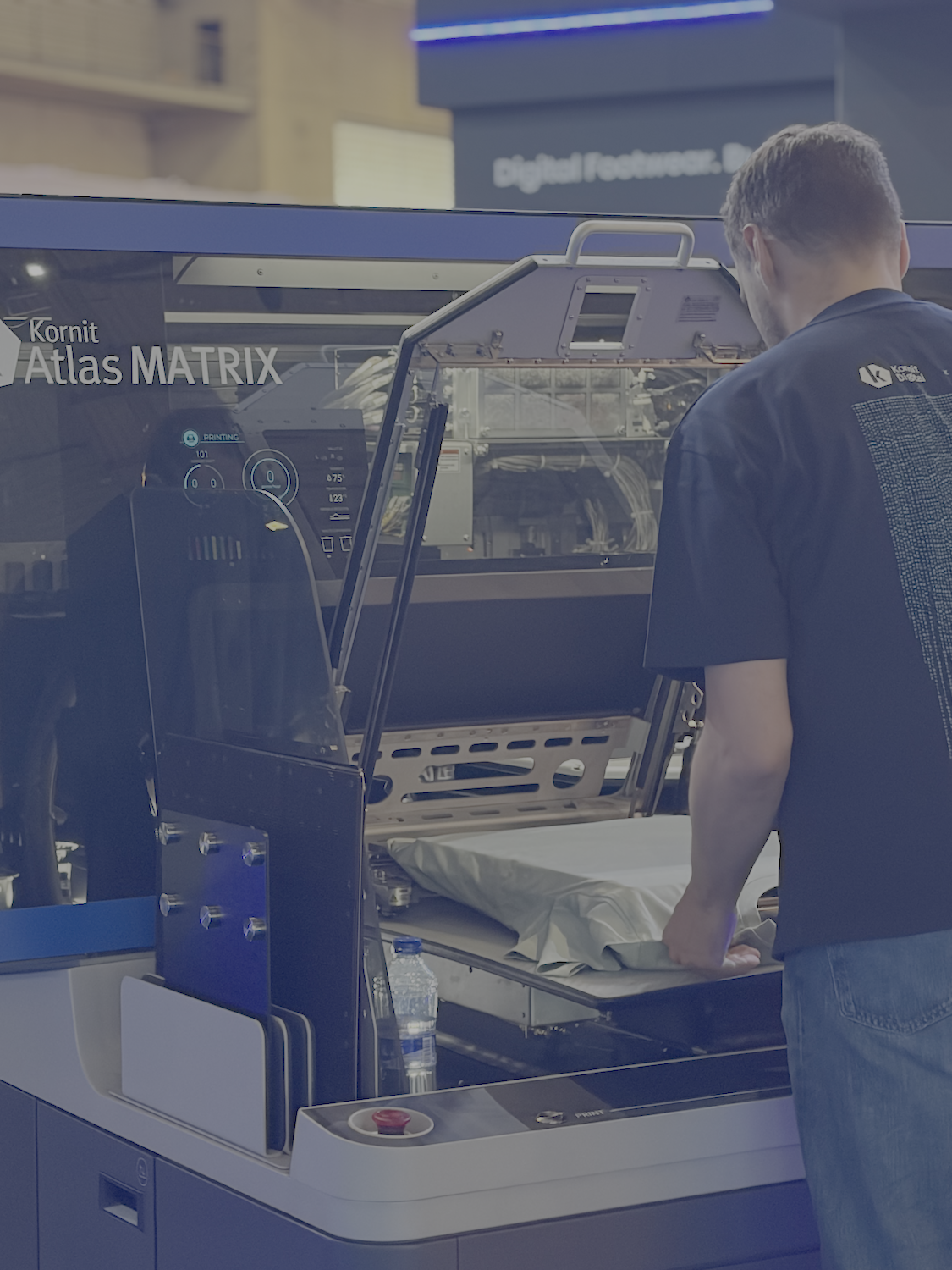
It’s important to clarify that DTG does not replace people. Skilled operators are still necessary to manage production and quality. However, digital printing can reduce the shop’s reliance on highly specialized manual tasks. Advanced equipment, such as Kornit’s system, only requires one operator.
Sign 4: Your Artwork Is Getting More Complex
Design trends in apparel are constantly evolving. Today’s designs often include:
- Gradients
- Photo prints
- Large color ranges
- Detailed artwork
Producing this type of artwork with screen printing may require multiple screens and complex separations. Each additional color adds time and preparation.
DTG printing handles full-color designs without the need for additional screens. The complexity of the artwork does not significantly change the setup process.
Sign 5: You’re Interested in Print-On-Demand or E-Commerce
One of the biggest changes in the apparel industry has been the growth of online merchandise businesses.
Brands and influencers increasingly sell products online without holding inventory. These businesses often rely on print-on-demand models.
Common drivers behind this trend include:
- Shopify brands
- Influencer merchandise
- E-commerce fulfillment
- Personalized apparel
These business models rely on producing garments one at a time and shipping them quickly while avoiding large inventory investments.
Screen printing was not originally designed for this type of production. DTG printing makes it possible to fulfill individual orders efficiently.
For shops interested in serving e-commerce customers, digital printing opens new possibilities.
Two Ways Screen Printers Successfully Adopt DTG
The idea of switching technologies can feel risky for many shop owners. Fortunately, most successful shops do not completely replace screen printing. Instead, they combine the strengths of both methods.
Model 1: Hybrid Production Floor (Most Common)
In a hybrid workflow, both technologies work together.
Screen printing typically handles:
- Large runs
- Simple prints
DTG printing focuses on jobs that are harder for traditional presses. These often include smaller runs, samples, print-on-demand orders, or highly detailed artwork.
Model 2: Digital-First Production
Some companies eventually move toward a mostly digital workflow. This model is common among businesses that specialize in:
- E-commerce fulfillment
- Merchandise companies
- Print-on-demand providers
These operations benefit from the flexibility of digital production. DTG systems can support fast order processing, scalable production, and simplified workflows.
The Lowest-Risk Way to Shift (Without Betting the Shop)
Many shop owners worry about investing in new equipment before they know whether demand exists. A safer approach is to test the market first.
Phase 1: Sell DTG Before You Buy DTG
For 30–60 days, shops can outsource DTG production to a trade partner while selling the service under their own brand. During this period, it’s helpful to track factors such as order quantities, garment types, turnaround times, reprint rates, and margins.
This experiment helps determine whether digital demand is consistent enough to justify investing in equipment.
Phase 2: Add DTG as a Second Production Lane
Once demand is proven, DTG can be introduced as a complementary production method. Screen printing can continue handling high-volume orders and simple designs, while DTG focuses on complex artwork, smaller runs, and reorders.
Kornit’s AIC Business Model can assist with this part of the implementation process.
Phase 3: Scale Only When Demand Is Proven
After a shop sees steady DTG utilization and trains operators, it may consider expanding digital capacity with additional equipment or workflow improvements.
This step-by-step approach helps reduce financial risk while allowing shops to grow their capabilities.
Why Timing Matters
Many print shops hesitate to adopt digital printing because of concerns about cost or unfamiliar technology.
Common concerns include equipment investment, learning new workflows, or uncertainty about demand.
However, delaying adoption can also carry risks.
Shops that ignore digital trends may begin losing certain types of orders, particularly small runs and e-commerce jobs. Over time, competitors who adopt flexible production methods may capture those opportunities.
The best time to explore DTG is before competitors fully establish themselves in that space.
For shops with seasonal business cycles, the offseason can be an ideal time to experiment with new production methods and evaluate how digital printing fits into their workflow.
Shift to DTG Printing with Kornit Digital
Screen printing is not disappearing. It remains a powerful and efficient production method for many types of apparel orders.
At the same time, the industry is evolving.
DTG printing becomes valuable when shops begin encountering orders that traditional screen printing struggles to handle profitably. Combining both technologies allows print shops to expand the types of jobs they accept while improving flexibility.
Would you like to learn more about shifting to DTG with Kornit Digital? Let’s talk!