Technical Textile Printing: Digital Production for High-Performance Fabrics
In many industries, printed fabrics are expected to do much more than provide decoration. They need to withstand abrasion, hold color, and perform across complex materials. They may also need to support protection, concealment, weather resistance, or product-specific functionality.
That is why digital textile printing on technical fabrics is becoming an important part of modern manufacturing.
For years, many technical textile segments relied on analog production. These workflows can deliver strong performance, but they often have a slow time to market. They can also require long setup times, multiple production stages, and high minimum order quantities.
Digital textile printing changes this model.
Single-step digital manufacturing allows technical textile manufacturers to move faster, reduce complexity, and support more flexible production.
The result an agile way to produce high-performance fabrics while working in tandem with design freedom.
Key Takeaways
- Technical textile printing requires durability, precision, and functional performance.
- Traditional textile printing workflows can limit time-to-market, flexibility, and customization.
- Single-step digital manufacturing helps reduce setup, waste, lead times, and MOQ constraints.
- Kornit Presto MAX PLUS supports demanding applications across footwear, military, automotive, bags, outdoor, and functional textiles.
What Makes Technical Textiles Different?
Technical textiles are built for function.
They are not judged only by color, softness, or visual appeal. They are judged by how they perform in the field, under repeated use.
This includes applications such as:
- Military camouflage
- Automotive interiors
- Tactical bags
- Outdoor furniture
- Shading fabrics
- Performance apparel
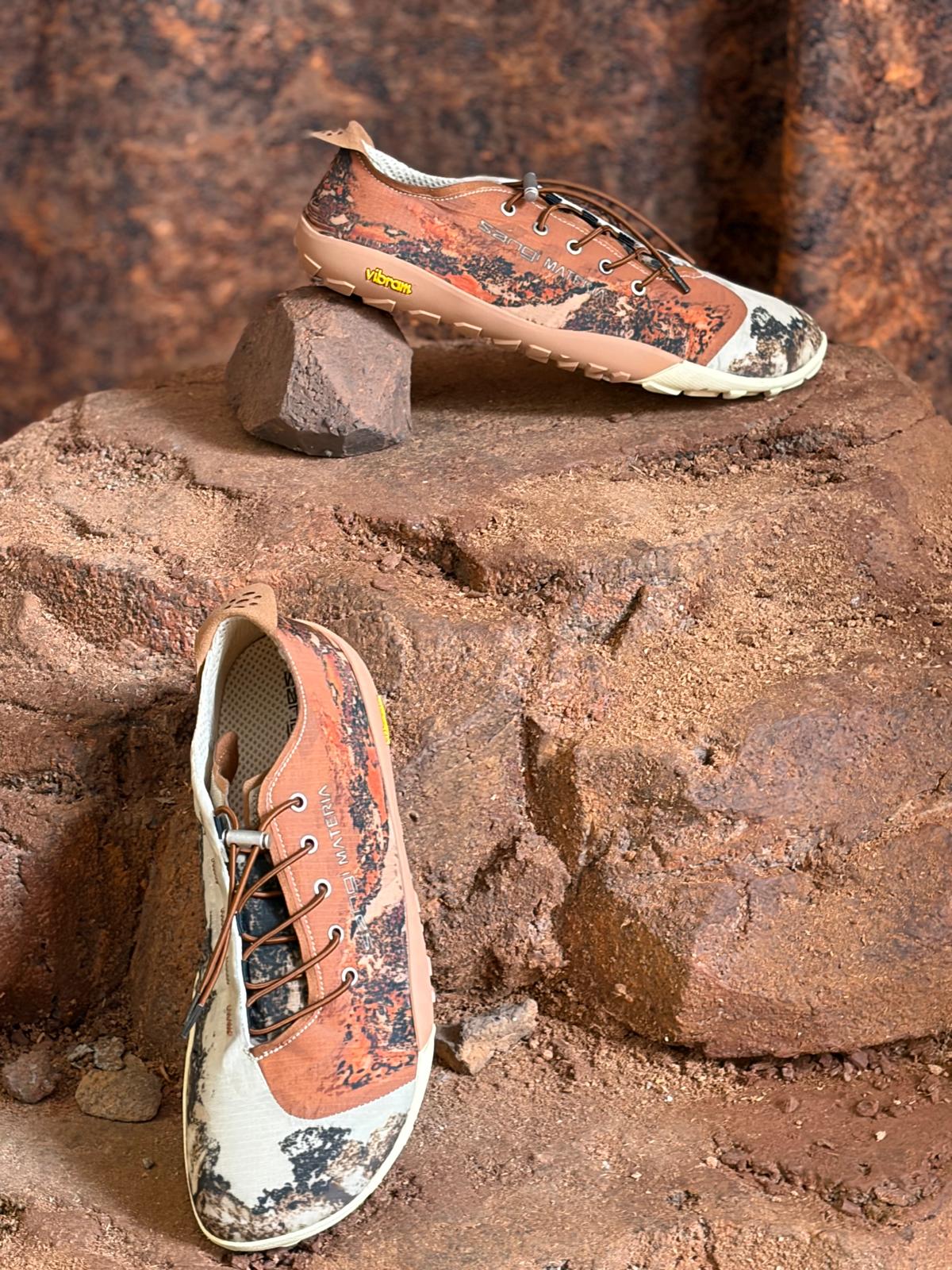
- Footwear
- Functional fabrics
Each use case has its own requirements.
A military textile may need concealment, durability, and near-infrared performance. An automotive fabric may need abrasion resistance and consistent pattern placement. A footwear material may need weather resistance and strength.
In these markets, textile printing becomes part of the product’s performance story.
Why Traditional Textile Printing Workflows Are Under Pressure
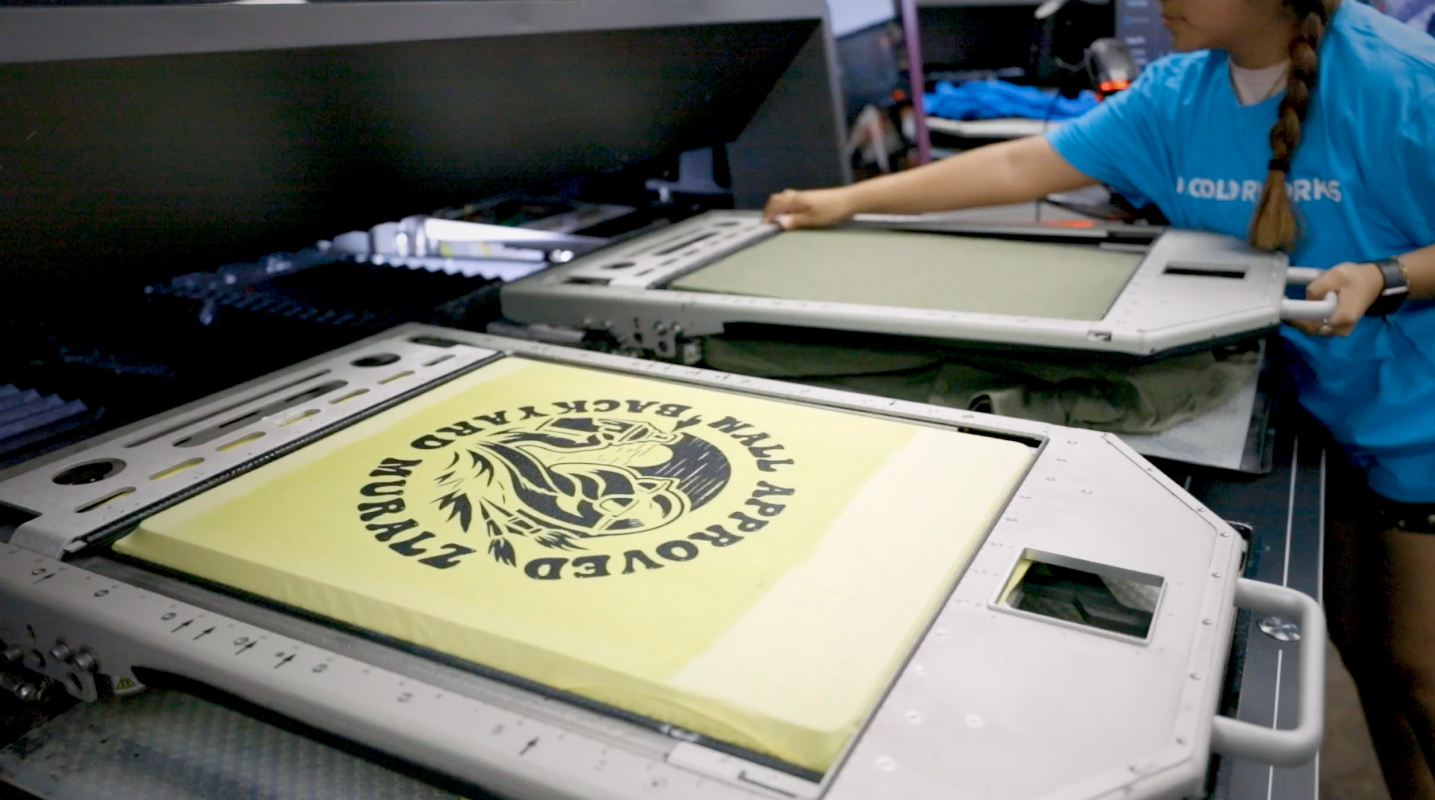
Traditional screen printing and transfer processes still have value. They can work well for large, stable production runs. They are familiar to many manufacturers. They can also meet demanding requirements when the production setup is already in place.
The challenge is flexibility.
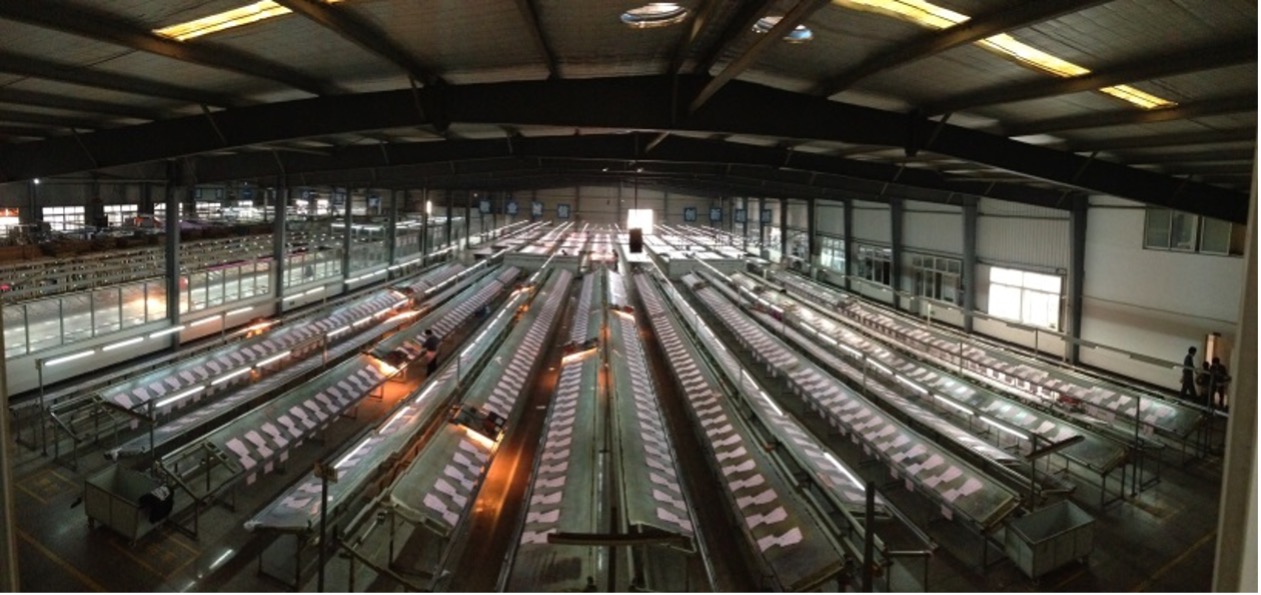
Technical textile production often involves several stages, from screen preparation to post-treatment. Every stage adds time and complexity.
For large orders, this may be manageable. But technical textile markets are changing. Manufacturers are being asked to support shorter development cycles, more specialized products, smaller runs, and faster iteration.
That creates pressure.
For example, a military program may need a new camouflage pattern for a specific environment while an automotive supplier may need to test a new interior design before scaling production.
Traditional textile printing can meet performance requirements, but often at the cost of speed and agility. That trade-off is becoming harder to accept.
The New Requirement: Performance and Agility
High-performance textile manufacturers need durability with speed, precision with flexibility, and production quality without long setup cycles.
This is especially clear in military textiles. Modern camouflage may need to perform across visible and near-infrared detection environments. Today, camouflage is evolving from a visual design challenge into an IRR signature-management challenge.
But the same principle applies across other technical segments.
In automotive interiors, manufacturers need stable, repeatable results across complex surfaces and demanding usage conditions. In bags and outdoor gear, the printed surface must survive handling, weather, and abrasion. In functional fabrics, print placement may need to align with reinforcement zones or performance areas.
The next stage of textile printing is about how quickly, accurately, and reliably it can be produced.
How Digital Textile Printing Changes the Production Model
Digital textile printing removes many of the setup barriers of analog production.
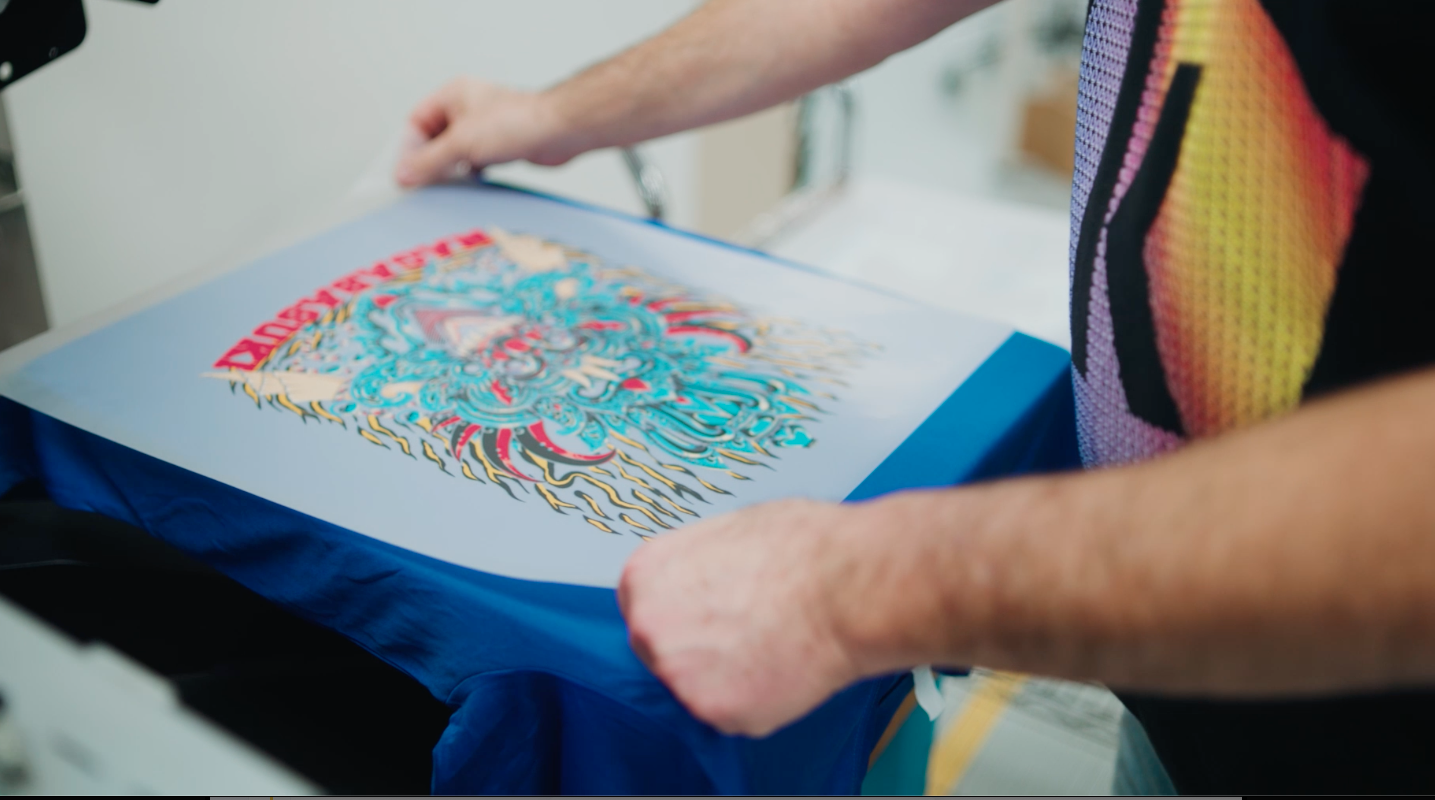
Instead of preparing screens or managing long manual workflows, manufacturers can move from a digital file to printed fabric with far fewer steps. This makes sampling faster and design changes easier. It also makes short-run and on-demand production more practical.
For technical textile printing, this is a major shift.
Digital production allows manufacturers to test, adjust, and produce without committing to large volumes. It can also help reduce waste from setup, excess inventory, and overproduction.
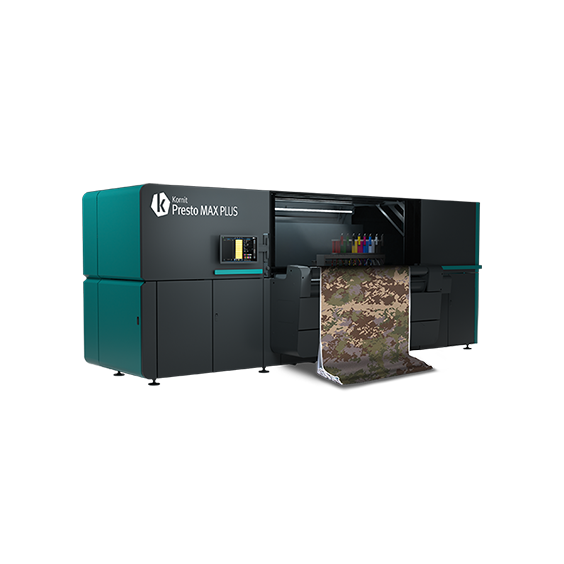
Kornit Presto MAX PLUS is designed for this type of production model.
It is a roll-to-roll, single-step digital pigment printing solution built to support high-performance textile applications. It reduces setup, removes MOQ constraints, and supports waterless production. But most importantly, it delivers high durability and precision.
That matters because technical textile manufacturers need a production process that can keep up with changing specifications and complex fabrics.
Where Digital Textile Printing Creates New Value for Technical Textiles
Digital production can support a wide range of high-performance applications:
- Military camouflage and defense textiles: uniforms, shelters, vehicle covers, tactical gear, netting, and protective fabrics.
- Automotive interiors: seat fabrics, trim materials, interior panels, and custom surfaces.
- Bags and outdoor gear: backpacks, tactical bags, carrying systems, and rugged materials.
- Outdoor and functional fabrics: awnings, cushions, shading fabrics, reinforcement zones, and performance-driven textiles.
Digital production can help manufacturers respond faster to new requirements. It can support rapid design deployment. It can reduce dependency on high inventories. It can make smaller mission-specific production more realistic.
Why Precision Matters in Technical Textile Printing
Technical fabrics are often harder to print than standard fashion fabrics.
They may be woven, knitted, coated, textured, synthetic, blended, or dimensionally unstable. Some may stretch. Others may shift. Others yet may require precise alignment with panels, zones, or fabric structures.
In these cases, placement matters.
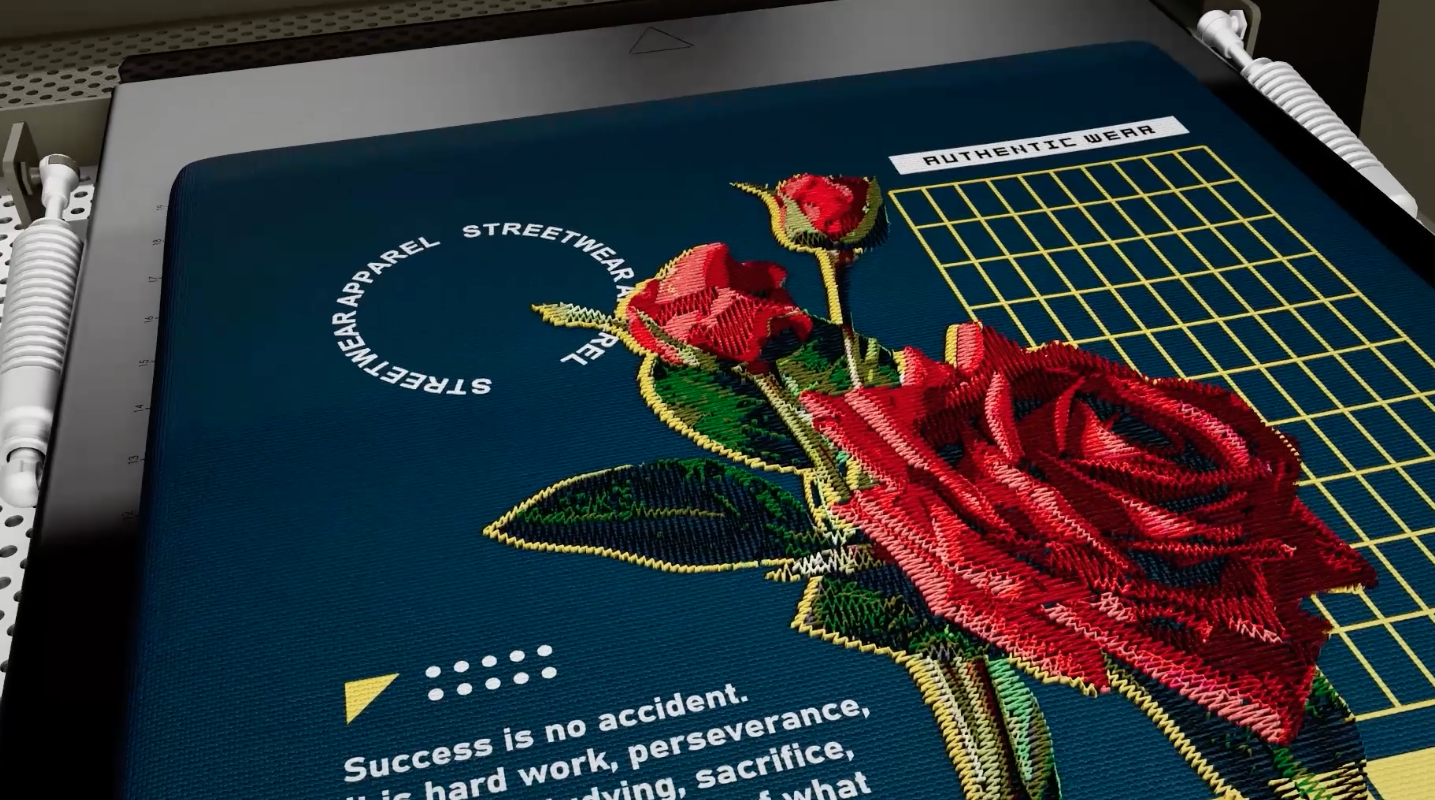
Kornit Presto MAX PLUS includes Precise Overprint technology, designed to adapt to material variability and support accurate image placement on complex, pre-knitted, and dimensionally unstable substrates.
This is important for manufacturers that want to produce advanced textiles without relying on slow manual adjustment.
Precision supports quality. It also supports repeatability at scale.
Durability Is the Real Test
Digital textile printing only matters in technical textiles if it can meet real performance expectations.
A print may look good on the production floor. But technical textiles have to survive use.
They may face rubbing, bending, washing, sunlight, weather, sweat, pressure, or repeated contact with equipment. In automotive interiors, fabric may be exposed to daily abrasion.In military applications, it may face harsh environments and mechanical stress.
That is why durability is the entry ticket.
Kornit’s Presto MAX PLUS introduces DuraTech, a durability enhancer designed to support resistance to wear, flex, and abrasion in demanding applications such as footwear uppers, technical apparel, automotive interiors, and performance textiles.
This helps position digital printing as a serious production option for high-performance fabrics.
Sustainability Without Slowing Production
Sustainable textile printing is becoming a focus for many industries.
But in high-performance markets, sustainability can never come at the expense of durability, compliance, or functionality.
The production process has to become more efficient without weakening the final product.
Traditional textile printing can involve water-intensive steps, chemical usage, setup waste, and excess production. Single-step digital manufacturing helps address these challenges by reducing process complexity and supporting production closer to actual demand.
The Future of Textile Printing Is Functional, Digital, and On-Demand
Technical textiles are becoming more advanced and specialized. Accordingly, manufacturers are being asked to support more materials, shorter development cycles, more demanding performance requirements, and faster production timelines.
That is why digital textile printing is becoming more relevant.
It gives manufacturers a way to reduce setup, improve flexibility, support on-demand production, and expand into new applications. That’s where Presto MAX PLUS fits.
It brings single-step digital manufacturing into high-performance textile applications, with the durability, precision, media agility, and production flexibility needed for modern technical textile printing.
The future of textile printing is not only about how fabrics look. It is about how they perform.
Want to see how Kornit can help you produce high-performance technical textiles with greater speed, precision, and flexibility? Let’s talk.