Custom Apparel Printing: How Much Profit Does a DTG Printing Business Make?
Custom apparel printing can be a profitable business. With the right business model, you can avoid the 65% new business failure rate*.
A small shop may focus on one-off shirts or local orders. A large DTG printing business is different. It needs steady demand and a production model that can scale.
That’s the question: “How much money can a DTG printer make?” is too simple.
The better question is: how much profit can a large custom apparel printing business generate when it uses DTG production efficiently?
Key Takeaways
- DTG profit depends on utilization, not only print quality.
- Large custom apparel printing businesses need steady demand.
- The most important number is contribution margin per finished garment.
- Kornit printers help large producers improve speed, flexibility, and labor efficiency.
Why Custom Apparel Printing Is Still Growing
Demand is coming from many directions. Online stores want print-on-demand fulfillment. Fashion brands want small drops, while companies want branded apparel.
This creates a strong opportunity for DTG printing.
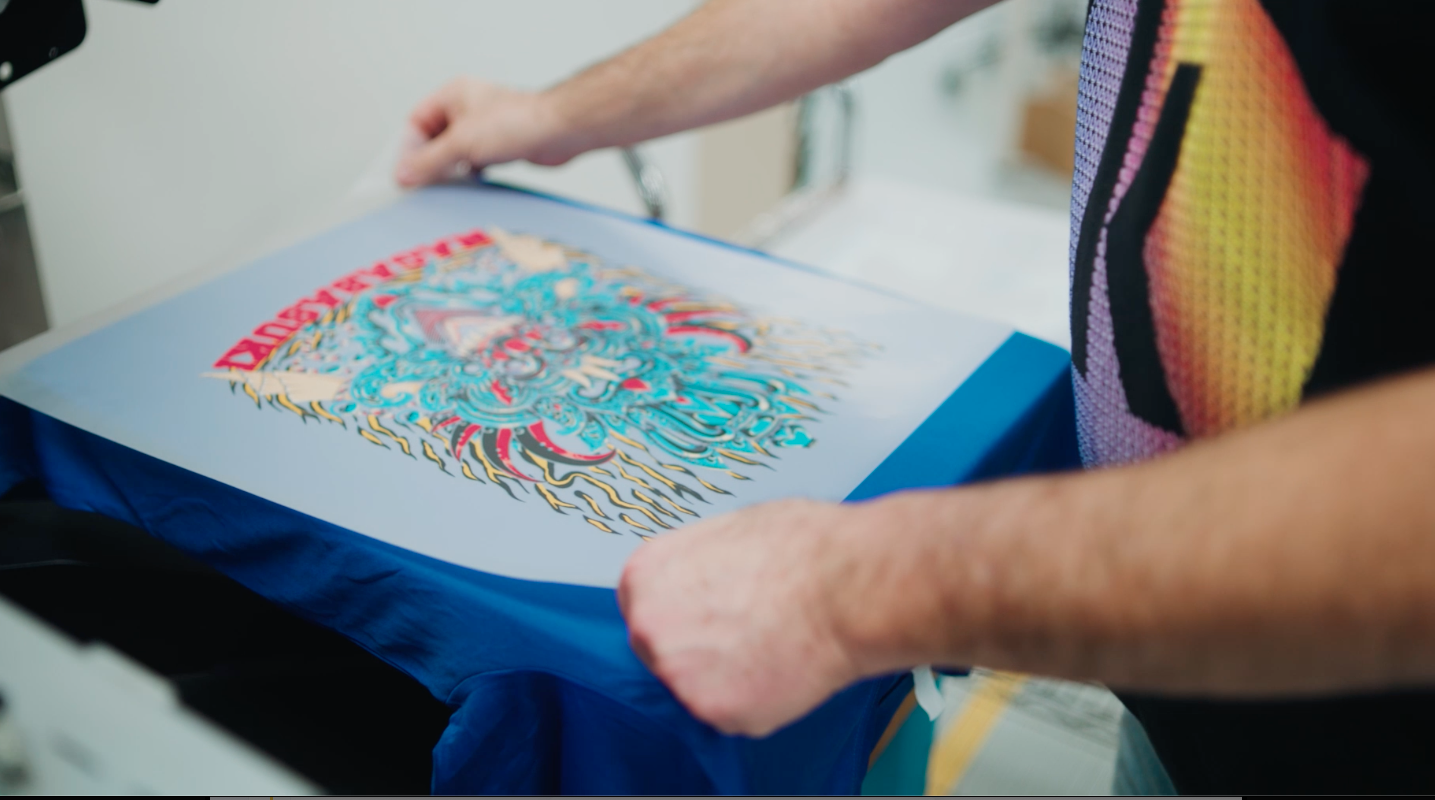
Compared to traditional screen printing, DTG does not require screens for every design. It can support full-color artwork, short runs, and personalization.
That matters because custom apparel printing is becoming more fragmented.
One customer may order 1,000 shirts while another may order 50. Another one, yet, may order one personalized hoodie through an online store. A profitable DTG business needs to handle this mix without slowing production.
What Does Profit Really Mean in a DTG Business?
A business may sell many printed garments and still struggle if costs are too high. The basic profit equation is simple:
Profit = Revenue – Total Costs
But for a DTG printing business, the more useful question is this: how much contribution does each printed garment create after direct costs?
Direct costs usually include the blank garment, ink, and labor. They may also include packaging, fulfillment, and reprints.
After those costs, the remaining amount helps cover fixed expenses. These include:
- Equipment
- Rent
- Software
- Management
For example, a business may sell a printed garment at a strong price. But if the workflow requires too much manual handling, the margin can shrink quickly.
In large DTG production, profit is built through repetition. Not repetition of the same artwork, but repetition of an efficient process.
The Three Numbers That Matter Most
A large custom apparel printing business should focus on three numbers: average selling price, contribution margin, and printer utilization:
1. Average Selling Price
Average selling price is the amount the customer pays per finished item. Higher selling prices usually come from stronger product positioning.
A premium hoodie can carry more value than a basic printed T-shirt. So can licensed merchandise or a limited-edition drop.
DTG works well when the customer values detail, speed, or personalization. If the business competes only on the lowest price, margins become harder to protect.
2. Contribution Margin per Garment
Contribution margin is what remains after direct production costs. A higher contribution margin gives the business more room to cover fixed costs.
DTG can support this by reducing setup time. It also makes short runs more efficient.
This is important for complex designs. With DTG, producers can accept detailed artwork without the same screen preparation costs.
3. Printer Utilization
Printer utilization is one of the most important profit drivers in a large DTG business. Industrial equipment is most profitable when it is used consistently.
A machine built for production scale needs enough orders to justify that capacity. If it is underused, the business still carries fixed costs.
That is why utilization is often the difference between a printer that looks expensive and a printer that becomes a profit engine.
Why Large DTG Businesses Think Differently
Small DTG businesses often think in orders. Large DTG businesses think in systems.
They ask different questions. How many garments can move through production every hour? How many operators are needed? How many reprints are being lost?
In this kind of environment, profit is operational. The printer matters, but the workflow around the printer matters just as much.
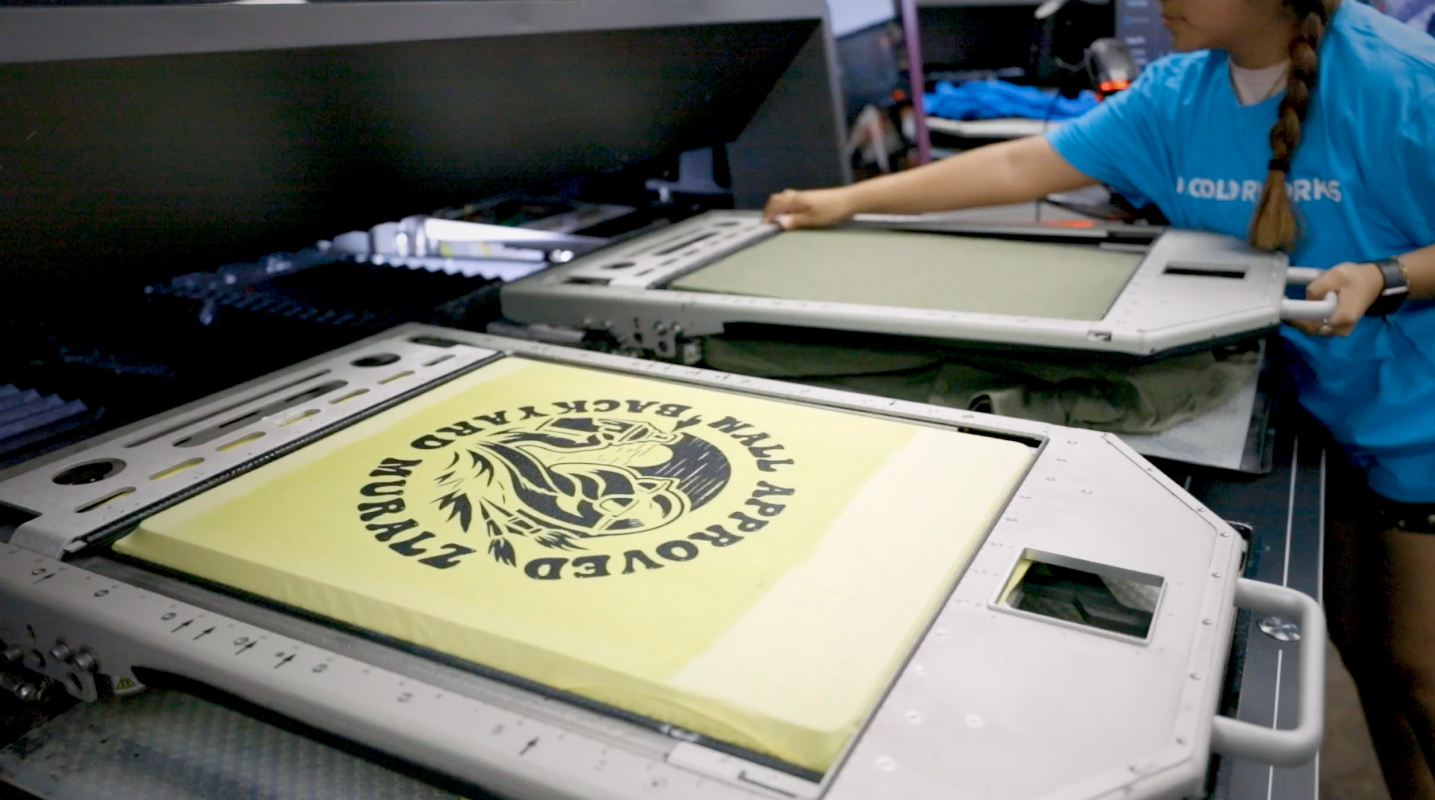
This is where industrial DTG systems become important. Kornit Atlas MATRIX is designed for high-quality, on-demand production at scale. It supports cotton, polyester, and blended fabrics. The system is also built to support high productivity with a single-operator workflow.
For even higher-volume production, Kornit Apollo is built for industrial DTG businesses that need greater speed and consistency.
That kind of productivity can change the economics of custom apparel printing. But it only works when the business has enough demand to feed the system.
Where DTG Can Improve Profitability
DTG can improve profitability in several ways.
First, it reduces setup friction. Screen printing can be highly profitable for large, simple runs. But complex low-volume jobs can be expensive to prepare.
DTG makes those jobs easier to accept. There are no screens to prepare. There is also no need to separate every color into a screen-based workflow.
Second, DTG supports faster sampling. A brand can approve a physical sample faster. A creator can see a design before launching. This shortens the sales cycle. It also helps jobs move into production sooner.
Third, DTG supports on-demand production. Instead of printing thousands of units before demand is proven, a business can print closer to the order. This can reduce inventory risk. It can also help customers test new ideas.
Fourth, DTG supports more design complexity. Full-color graphics and gradients are easier to manage. Personalization is easier too.
For custom apparel printing, these are profit levers. They help the business win jobs that may not fit traditional production models.
The Role of Kornit Printers in a Profitable DTG Operation
A business considering a Kornit printer is usually considering whether DTG can work at scale.
That means the printer needs to support consistent output and production efficiency. It also needs to support commercial reliability.
Kornit printers are built for industrial custom apparel printing environments. These environments depend on speed, flexibility, and repeatability.
For a large DTG business, the value is in printing many different orders with fewer setup barriers.
This can support several business models:
| Business Model | How DTG Supports Profit |
|---|---|
| Print-on-demand fulfillment | Produce only after orders are placed |
| Creator merchandise | Launch more designs with lower inventory risk |
| Corporate apparel | Handle repeat programs and personalization |
| Fashion drops | Test limited collections quickly |
| Screen print overflow | Move complex short runs to digital production |
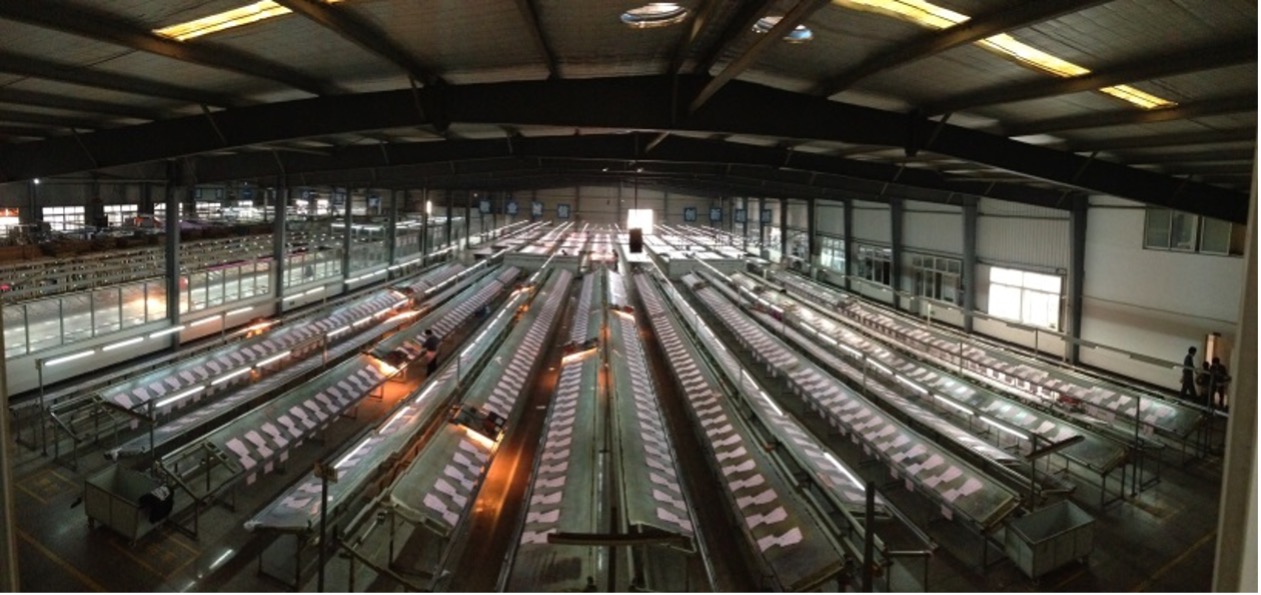
Many large businesses don’t replace screen printing completely. They add DTG to create a more flexible production floor.
Screen printing can remain focused on large repeat runs. DTG can handle faster and more complex work. Together, they can protect margin and increase capacity.
So, How Much Profit Can a Large DTG Business Make?
A large DTG business can make strong profit when four things are true.
- It has steady demand.
- It sells at healthy prices.
- It controls direct production costs.
- It keeps its equipment highly utilized.
Without those conditions, even a powerful printer will not guarantee profit.
A useful way to think about the opportunity is simple. If a DTG business improves contribution margin by reducing setup and idle time, profit can grow even before the business sells more garments.
If it then uses the same production platform to accept more orders, profit potential increases again.
That is why large DTG profitability is not only about cost per print. It is about how much more business the operation can process without adding the same level of complexity.
The Bottom Line
Custom apparel printing can be profitable, but profit depends on more than demand. It depends on production strategy.
For a large DTG printing business, strong profits usually come from high utilization and healthy pricing. They also come from efficient labor and low waste.
That is where Kornit fits.
Kornit DTG systems help large producers move faster and support more complex designs. They also reduce setup friction and support on-demand production.
The result is a custom apparel printing business that can do more than print garments. It can respond to demand faster, serve more customers, and turn digital production into a scalable profit center.
Want to see how Kornit can support a more profitable custom apparel printing operation? Let’s talk.
Additional sources:
*Commerce Institute & Commerce Institute. (2025, November 15). What percentage of small businesses fail? 2025 data reveals the answer. Commerce Institute. https://www.commerceinstitute.com/business-failure-rate/