Custom Screen Printing: Top 10 Design Trends That Look Better with DTG
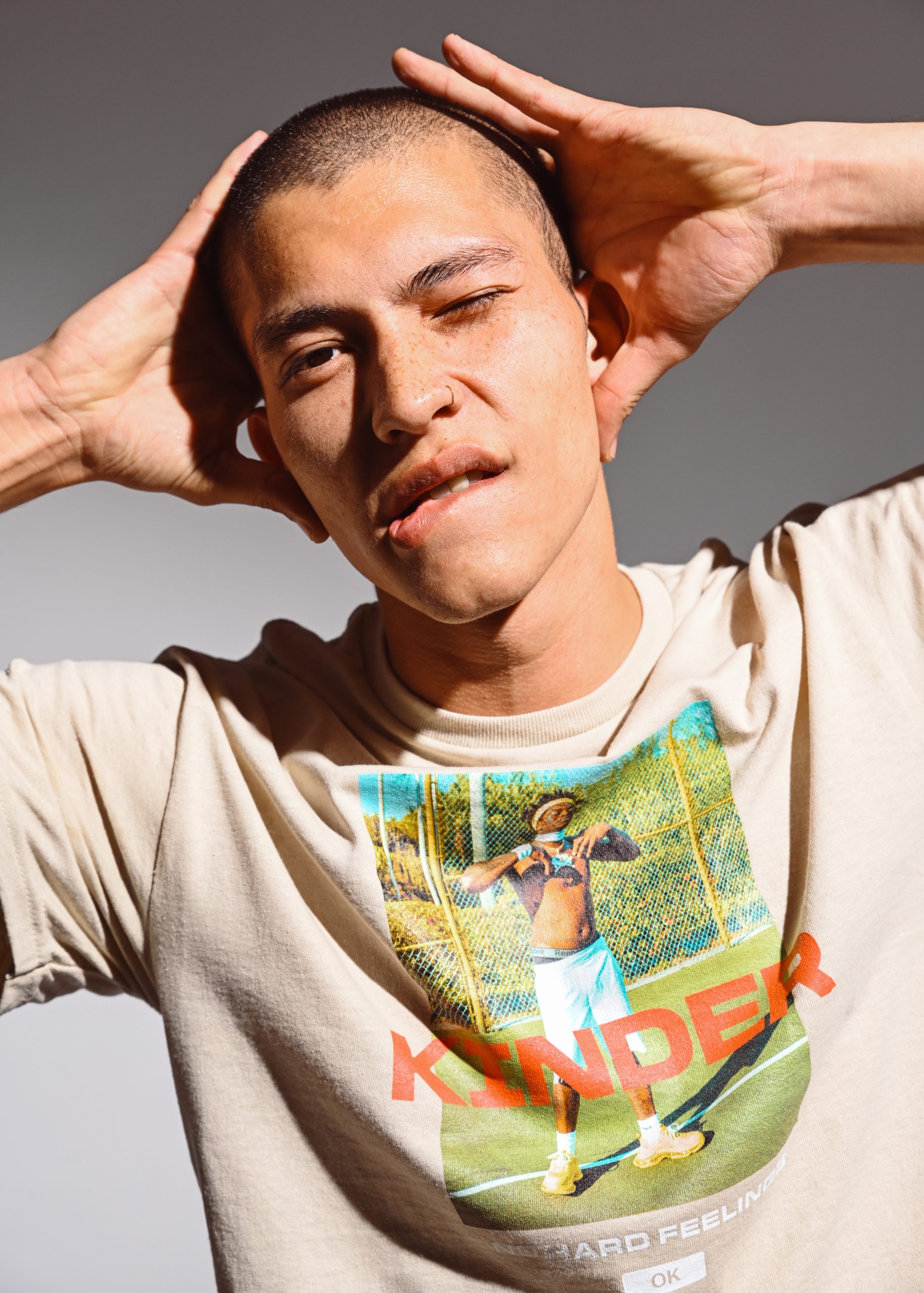
A T-shirt design can start with a bold idea. While traditional custom screen printing works well for large orders with a few solid colors, complex artwork can demand more setup time.
Direct-to-garment (DTG) printing offers another option. It prints digital artwork onto fabric, making detailed designs and changes between orders easier. These ten styles show where DTG offers more freedom.
Key Takeaways
- DTG is well suited to photos, fine details, gradients, and multi-colored designs
- Digital files make personalization and small design changes easier without preparing new screens.
- Screen printing remains a strong choice for long runs, bold spot colors, and specialty ink effects.
- Results depend on the artwork, garment, and print setup.
Why DTG Opens Up More Design Options
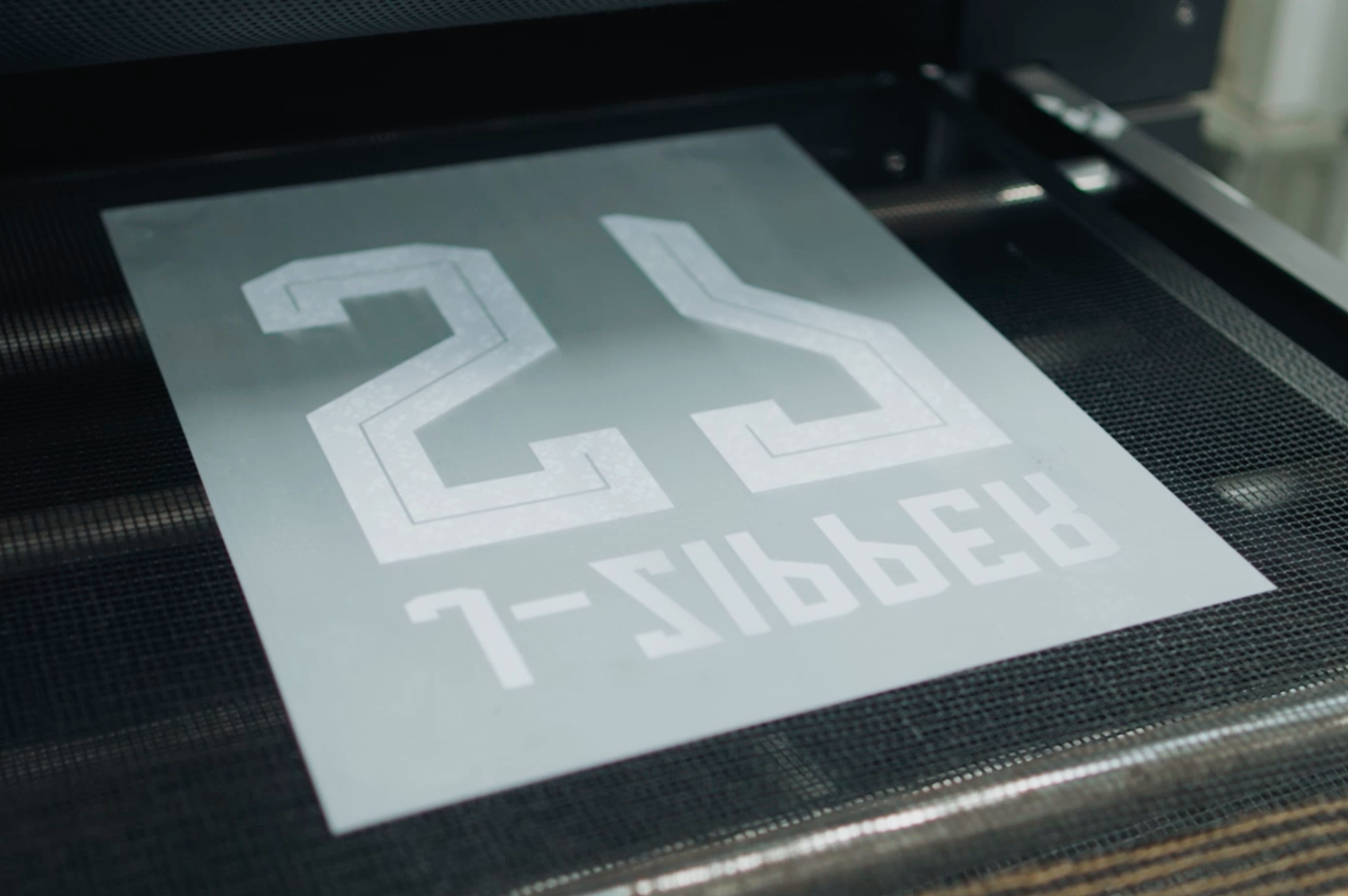
In traditional custom t-shirt screen printing, each spot color generally needs its own screen. Skilled printers can reproduce complex images with halftones and process colors. However, preparation is time-consuming.
DTG uses inkjet technology to print from a digital file, without preparing new screens when artwork changes. The key advantage is flexibility.
10 T-Shirt Design Trends That Work Especially Well with DTG
1. Photorealistic Portraits and Photography
Photo-based designs can make a T-shirt feel more personal. Even a single portrait can contain subtle changes in light and shadow that may be difficult to reproduce through traditional screen printing.
DTG can reproduce many of these details directly from a digital file. For the best results, start with a high-resolution image and check the printed sample before production.
2. Smooth Gradients and Ombré Effects
A sunset fading from orange to purple can add fantastic depth to a T-shirt design. However, producing these smooth color transitions with traditional screen printing can require careful preparation.
DTG makes it easier to work with gradual color changes. It removes the need to create separate screens for different shades. The results still depend on the garment and artwork. On dark fabrics, for example, transparent gradients may need adjustments to work well with the white ink underbase.
3. Fine-Line and Hand-Drawn Illustrations
Hand-drawn illustrations have become a popular way to give apparel a more personal look. Their appeal often comes from the natural imperfections of the original artwork.
DTG allows designers to reproduce intricate illustrations without simplifying every fine line for custom screen printing. However, extremely thin lines may still disappear when printed on fabric.
4. Watercolor and Painterly Graphics
Watercolor designs have a distinctive appearance thanks to their soft edges and gentle color transitions. Reproducing these effects through traditional screen printing can involve complicated halftones.
DTG allows designers to work directly from a digital version of the original painting. This removes the need to redesign artwork’s visual character around a limited number of spot colors.
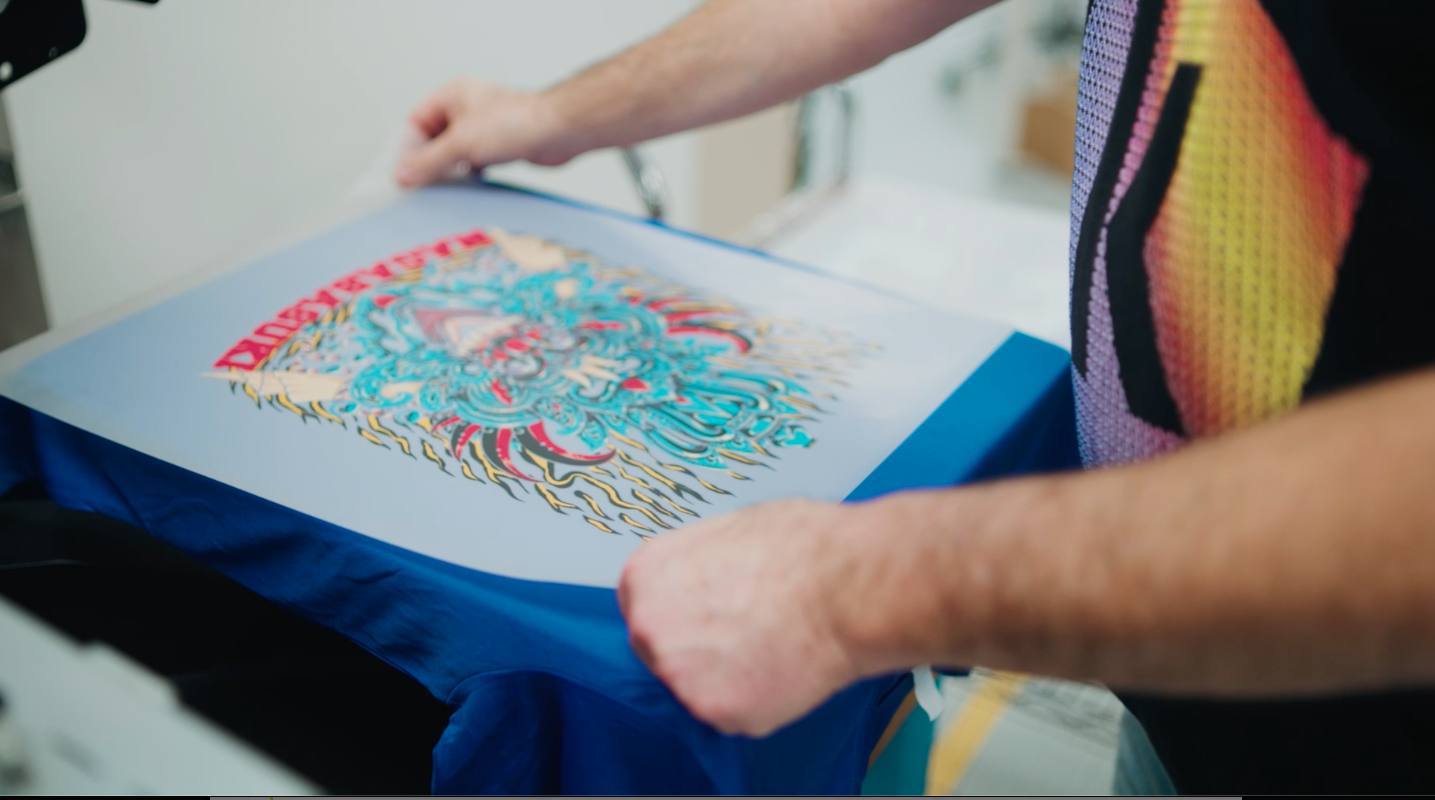
5. Maximalist, Multi-Color Graphics
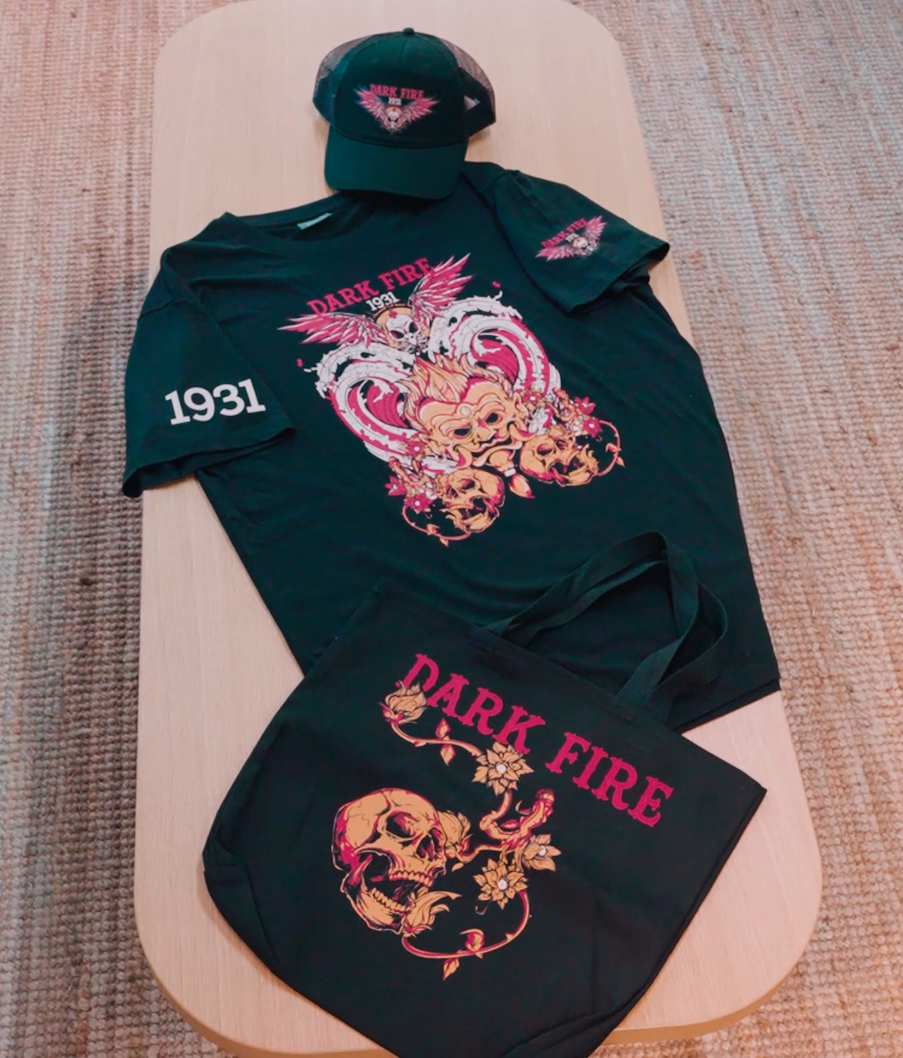
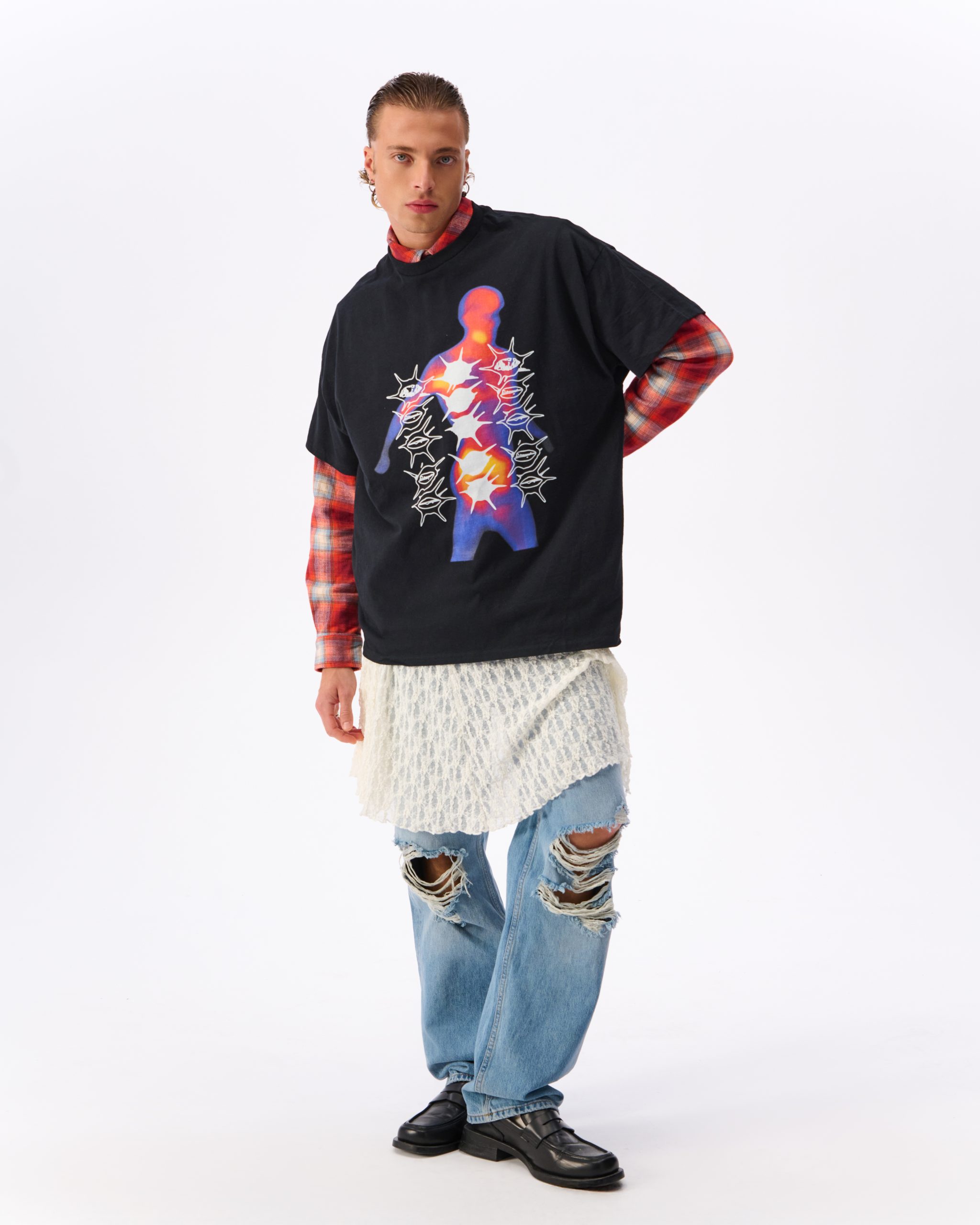
Maximalist designs embrace bold artwork with plenty of visual detail. This style is especially appealing to fashion brands that want their merchandise to make a statement.
Traditional screen printing can reproduce complex graphics, but designs with many spot colors often require additional setup time.
DTG gives designers more freedom to experiment with color.
6. Mixed-Media Collages
Mixed-media designs combine different artistic techniques into one composition. A designer might place a photograph over a textured background to create an effect that resembles a handmade poster.
These designs can be difficult to prepare for traditional screen printing when they contain complex color transitions.
DTG simplifies the process by allowing the completed digital composition to be printed at once.
7. Distressed Retro and Y2K Textures
Retro-inspired apparel often relies on worn textures that make a new T-shirt look like a vintage find. Y2K designs take a different approach, using bold digital graphics that reflect early internet culture.
Both styles can involve detailed textures that require careful artwork preparation for screen printing.
DTG makes it easier to experiment with these effects. Meanwhile, custom screen printing remains a good option for simpler retro graphics produced in large quantities.
8. Surreal and Optical-Illusion Artwork
Surreal artwork plays with perspective to create images that appear almost three-dimensional. Carefully designed shadows can make an object look as though it is floating above the fabric.
DTG can reproduce this visual depth through detailed shading without the extensive preparation that screen printing demands.
For brands interested in physical texture rather than just the illusion of depth, specialized digital technologies such as Kornit’s XDi can also create raised decorative effects.
Insert video: https://www.youtube.com/watch?v=4VzTztgf0iI
9. Personalized Names and Custom Artwork
Personalization gives customers the opportunity to make a design their own. A concert shirt, for example, could feature the date of the show.
DTG offers a more flexible approach than custom screen printing because the digital file can be updated before each print.
10. Limited-Edition Graphics and Small Collections
Limited-edition collections allow brands to test new creative ideas.
A fashion label might launch a design in a small quantity to see how customers respond before expanding the collection.
DTG supports this approach by allowing print providers to switch between digital designs without preparing new screens. It also makes on-demand production possible.
Which Printing Method Makes Sense?
| Your project | Often the better fit | Why |
|---|---|---|
| A photo-based design in a small batch | DTG | Detailed color and less artwork setup |
| Hundreds of identical shirts with a simple logo | Screen printing | Efficient repeat production after setup |
| Individual names or frequent artwork changes | DTG | Easy changes to digital files |
| Puff ink or a precise spot-color match | Screen printing | Specialty effects and controlled ink colors |
More Creative Freedom, One Design at a Time
DTG lets brands and print providers explore rich artwork and personalization. Traditional custom screen printing still has an important role. Using both where they fit best helps match each design to its production process.
Explore Kornit’s DTG printing solutions for more possibilities, and let’s talk!
Frequently Asked Questions
Is DTG better than custom screen printing for detailed artwork?
Often, yes. DTG is generally simpler for photographs, fine details, and artwork with many colors. Advanced custom screen printing can produce detailed images too. However, it may need more preparation.
Can DTG print gradients on black T-shirts?
Yes. However, some fades need adjustment. Transparent gradients can interact poorly with the white underbase used on dark fabric.
Can DTG print a different name on every shirt?
Yes. The digital file can change from shirt to shirt.
When is traditional screen printing the better choice?
It’s often more efficient for large orders of identical and more or less simple designs. Custom screen printing is also a strong option when a job requires special inks or exact spot colors.