How On-Demand Manufacturing Reduces Global Textile Waste
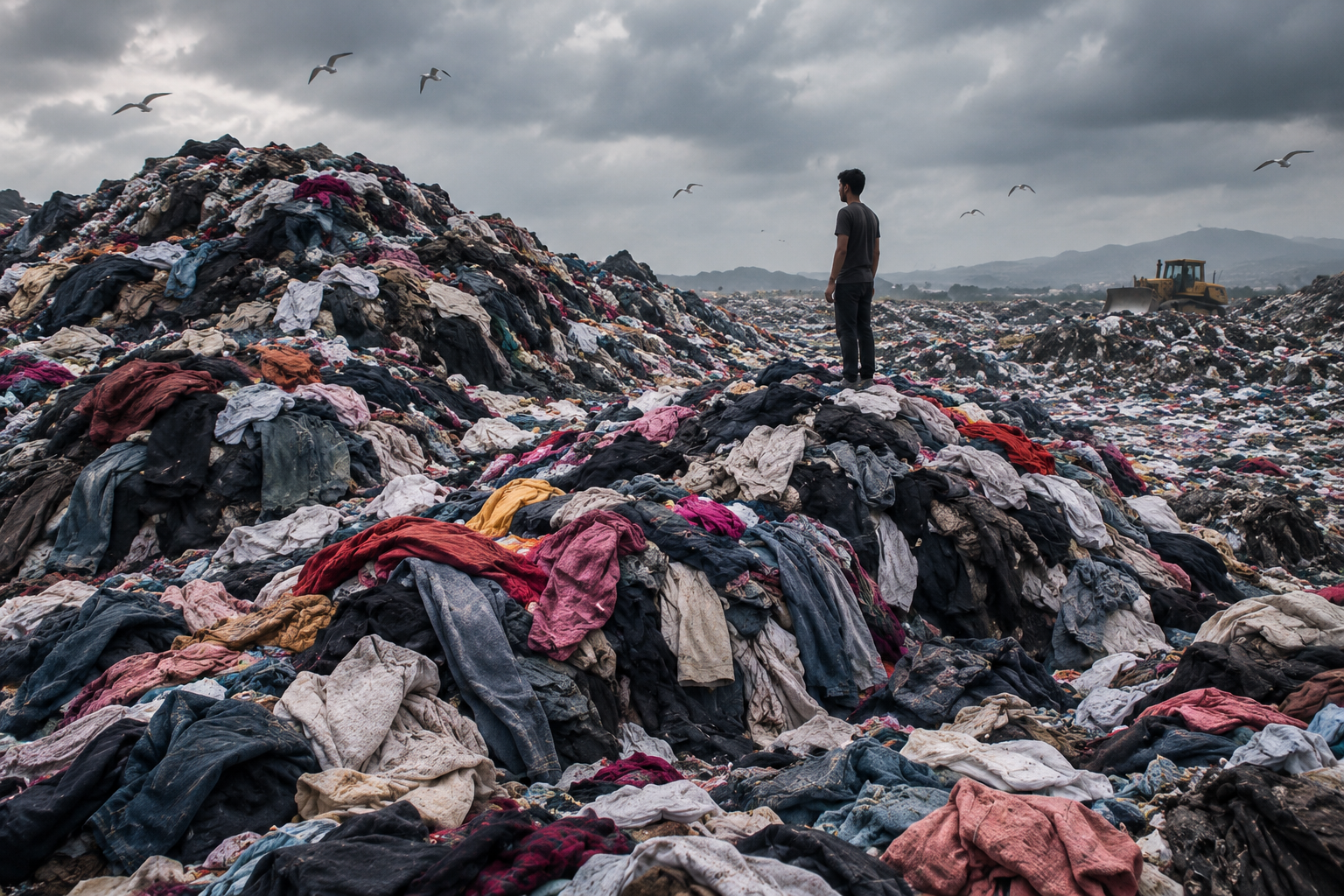
Brands make clothes months before anyone knows how many people will buy them. When demand falls short, unsold garments can end up as waste.
On-demand manufacturing offers a different approach: produce after an order arrives. Digital textile printing makes this possible.
Key Takeaways
- On-demand manufacturing can reduce excess finished inventory by matching production to actual orders.
- Digital textile printing makes short production runs easier without preparing printing screens.
- Local production can shorten delivery routes when suitable facilities are available.
Why Does the Fashion Industry Produce So Much Waste?
Traditional apparel production often begins with a forecast. A brand orders shirts for a future season before knowing what will sell. Large orders can lower the cost per item but increase the risk of overproduction.
Today, the world generates around 92 million tons of textile waste each year. By 2030, the number is expected to reach 134 million tons. In addition to unsold clothing, this includes textiles discarded after use.
Even so, unused products are a serious part of the problem. The European Environment Agency estimates that 4–9% of textile products placed on the European market are destroyed before use. Unused garments waste the resources invested in their production.
The issue is also receiving more attention from regulators. Since July 2026, large companies in the EU have been prohibited from destroying unsold apparel, subject to certain exceptions. This creates another reason for brands to reconsider how much they produce in advance.
How On-Demand Production Helps Reduce Textile Waste
Fewer Unsold Finished Products
A brand launching a new graphic can’t know how popular it will be. A large batch risks leaving printed shirts unsold.
On-demand printing allows the brand to display the design online and print it when a customer buys it. While blank garments still need to be stocked, they can serve different designs.
Smaller Runs Make Testing Easier
Bulk orders require early decisions. If a design performs poorly, the remaining stock may need discounting.
Digital production lets brands begin with a small release and use actual sales to guide what happens next. A successful design can be produced again. A weak one can be retired without leaving boxes of printed merchandise behind.
Better Inventory Decisions
Instead of stocking many finished products, producers can focus on the materials needed for incoming orders.
Connected order and production systems can help a print provider see what has sold and what should be made next. This makes planning more responsive and reduces storage needs.
However, good forecasting still matters. Blank garments and fabric can become waste if businesses purchase more than they will use.
Opportunities for Production Closer to Customers
Traditional supply chains can ship finished clothing over long distances. Digital production offers more options for printing near customers.
Where local facilities exist, shorter routes may reduce transport emissions. Results still depend on sourcing and shipping. Local printing doesn’t guarantee a lower carbon footprint.
Where Digital Textile Printing Fits In
On-demand manufacturing is a business model. Digital textile printing is one of the technologies that can support it.
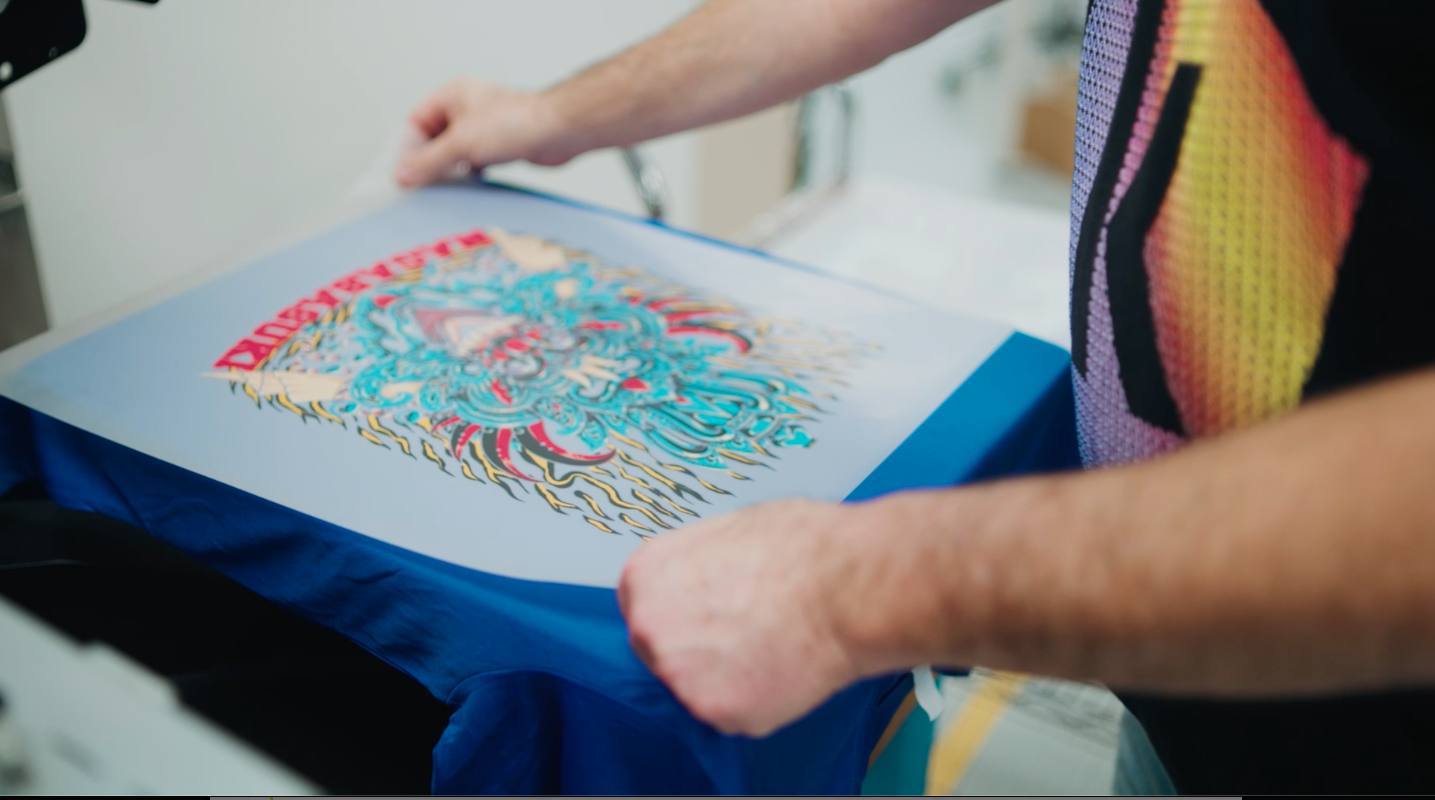
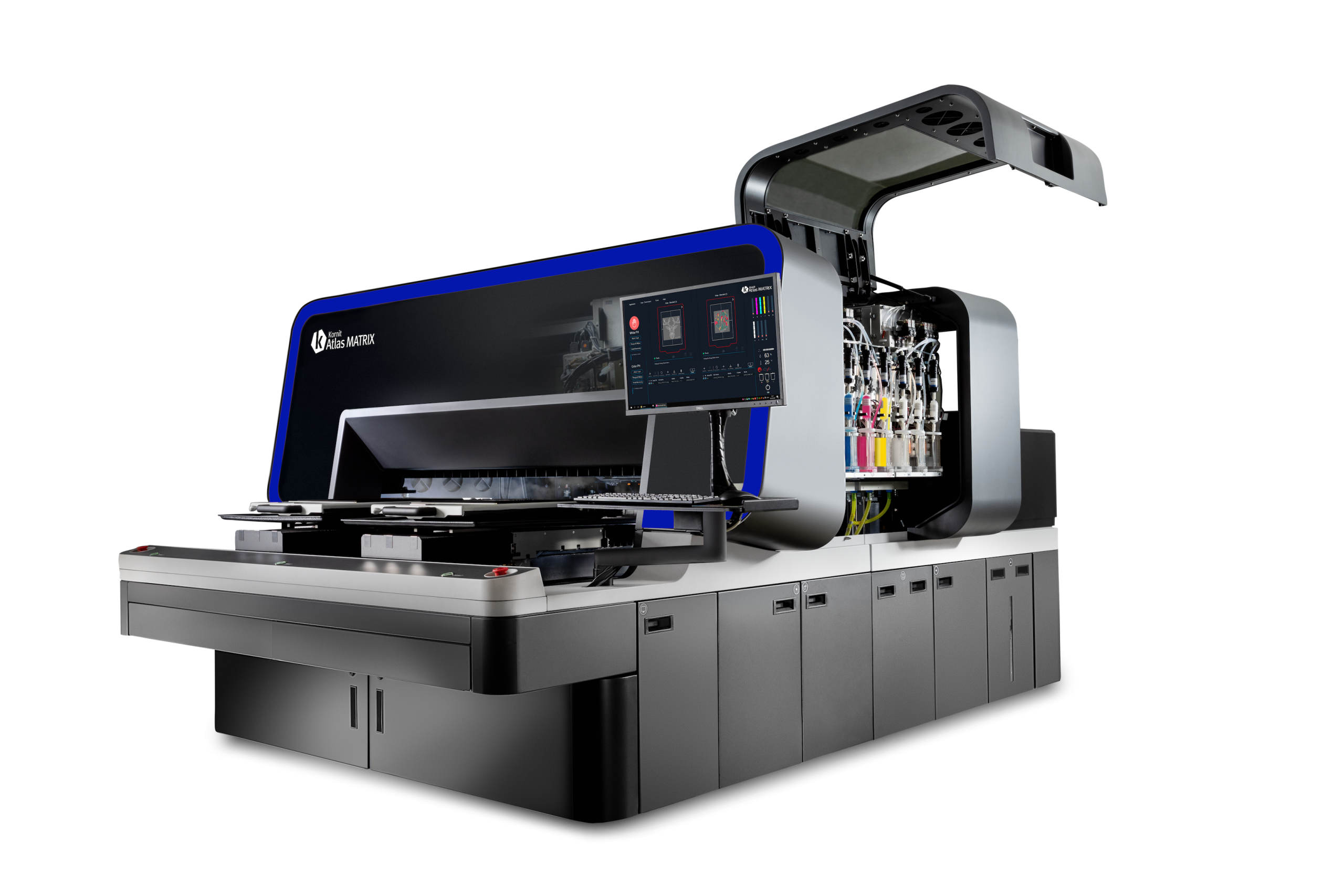
Direct-to-garment (DTG) printing allows artwork to be printed directly onto a garment from a digital file. This makes small orders and frequent design changes easier.
Direct-to-fabric printing applies a similar digital approach to fabric. Producers can print shorter lengths rather than committing to large volumes of one pattern. Actual savings depend on the wider garment production process.
Bulk Production vs. On-Demand Production
| Production decision | Traditional bulk model | On-demand model |
|---|---|---|
| When printing begins | Before orders are confirmed | After orders are received |
| Finished inventory | Often stored in advance | Can be kept much lower |
| Changing a design | May leave existing printed stock unsold | Future orders can use the updated file |
| Best fit | Predictable demand and large repeat orders | Uncertain demand or frequent design changes |
Neither approach is a one-size-fits-all solution. Large, predictable orders may still be more efficient in bulk. The goal is to avoid unnecessary output.
Does On-Demand Manufacturing Mean Zero Waste?
No. A made-to-order shirt still requires materials and energy. Printing errors and customer returns still create waste. Individual shipping may have different impacts from bulk deliveries.
On-demand production mainly addresses overproduction of finished goods. It does not automatically solve fabric waste or the problem of clothes being thrown away after use.
How Can Apparel Brands Make the Shift?
Start with products that are difficult to forecast. A new merchandise design is a good example because buyers’ preferences are not yet clear.
Work with a partner that can handle short runs. Connect online orders to the print workflow and track how much finished stock remains.
A mixed model can keep proven bestsellers in bulk production while leaving new designs flexible.
Frequently Asked Questions
Is print on demand the same as on-demand manufacturing?
Print on demand is one form of on-demand production. The term usually refers to printing a design after an order is placed. Other forms may involve making the garment itself after purchase.
Does digital textile printing use less water?
Some digital systems can reduce water use compared with specific conventional printing processes. The difference depends on the equipment and workflow. Printing digitally does not make a garment water-free.
Can large apparel brands use on-demand production?
Yes. They can use it for limited releases while keeping predictable orders in bulk production.
Producing What People Actually Want
Reducing textile waste starts before a garment reaches the customer. When brands avoid printing products that may never sell, they reduce one source of unnecessary waste.
Digital textile printing helps make that change possible without giving up design flexibility. Explore Kornit’s approach to reducing production waste and its on-demand DTG solutions, and let’s talk!