How to Choose the Best Garment Printing Machine
Updated: November 2025
When it comes to digital printing on garments, choosing the right machine can make all the difference. From quality and efficiency to cost and sustainability, you need to consider multiple factors.
Kornit Digital is one of the leading providers of garment printing machines. It offers innovative and high-quality solutions for businesses of all sizes. Understanding how this technology works can help you choose the right fabric or shirt printing machine for your business.
Key Takeaways
- Factors to consider when choosing a garment printing machine include use frequency, budget, scaling plans, ease of installation, warranty, and services.
- The three main types of garment printing machines are screen printing, heat press, and direct-to-garment (DTG).
- DTG printers, like the Kornit Atlas Max, are the most advanced option, offering high-quality prints and versatility for businesses.
Factors to Consider When Choosing the Best Garment Printing Machine
Choosing the best garment printing machine can be challenging with so many options available. Below are key factors to consider to help you make an informed decision.
Use Frequency
How often do you plan to use your garment printing machine? If you’re printing regularly or running a high-volume production, you’ll need a printer designed for frequent use. Machines that can handle high workloads, like Kornit’s Atlas Max, are ideal for businesses that print multiple items daily.
Budget
The cost of a direct to garment printer can vary greatly depending on its features, size, and capabilities. While a lower-cost machine may seem appealing, it’s important to weigh the long-term costs. They commonly include ink, maintenance, and repairs. A high-quality printer might have a higher upfront cost but could save you money over time.
Scaling/Growing Plans
If you plan to expand your business or scale production in the future, choose a machine that can grow with you. Look for printers that are versatile and capable of handling increased workloads or new designs without needing an upgrade too soon.
Ease of Installation
Installation can be a hassle if you choose a complicated garment printing machine or an unresponsive provider. Look for a printer that is easy to set up and doesn’t require extensive technical knowledge. Many modern machines, including Kornit printers, come with user-friendly installation guides and support to ensure a smooth setup.
Warranty and Services
A reliable warranty and access to customer support are essential when investing in a garment printing machine. Consider printers that offer comprehensive warranties and responsive customer service.
Types of Garment Printing Machines on the Market
There are several types of garment printing machines, each offering different benefits depending on your needs. The three common types are:
Screen Printing Machine
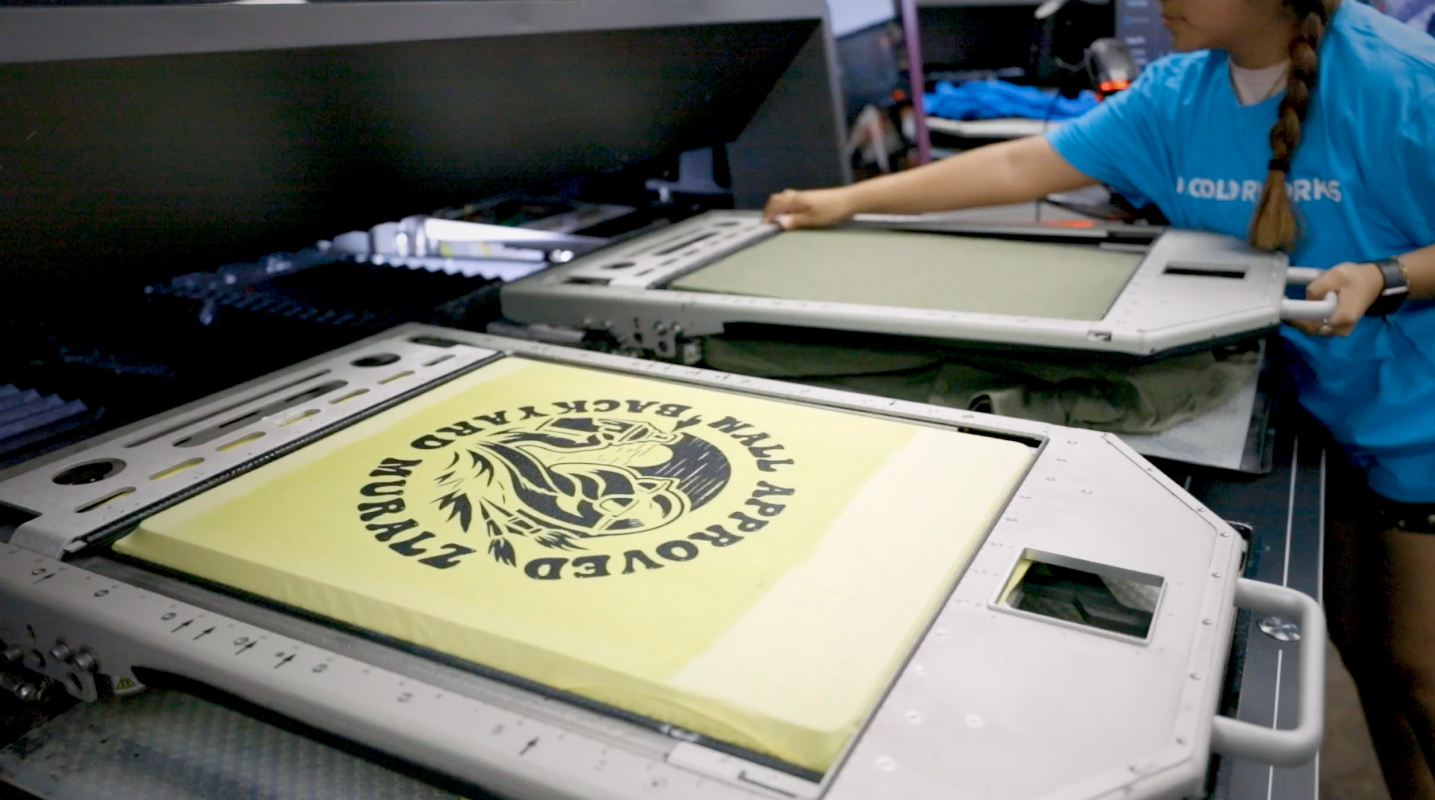
Screen printing is one of the oldest and most popular methods of garment printing. It uses a mesh screen to apply ink to the fabric. This method is popular for large runs of designs. While screen printing can produce high-quality results, it’s time-consuming and best suited for simple designs. It’s less versatile compared to other methods but may be effective for bulk orders.
Traditional Heat Press Machine
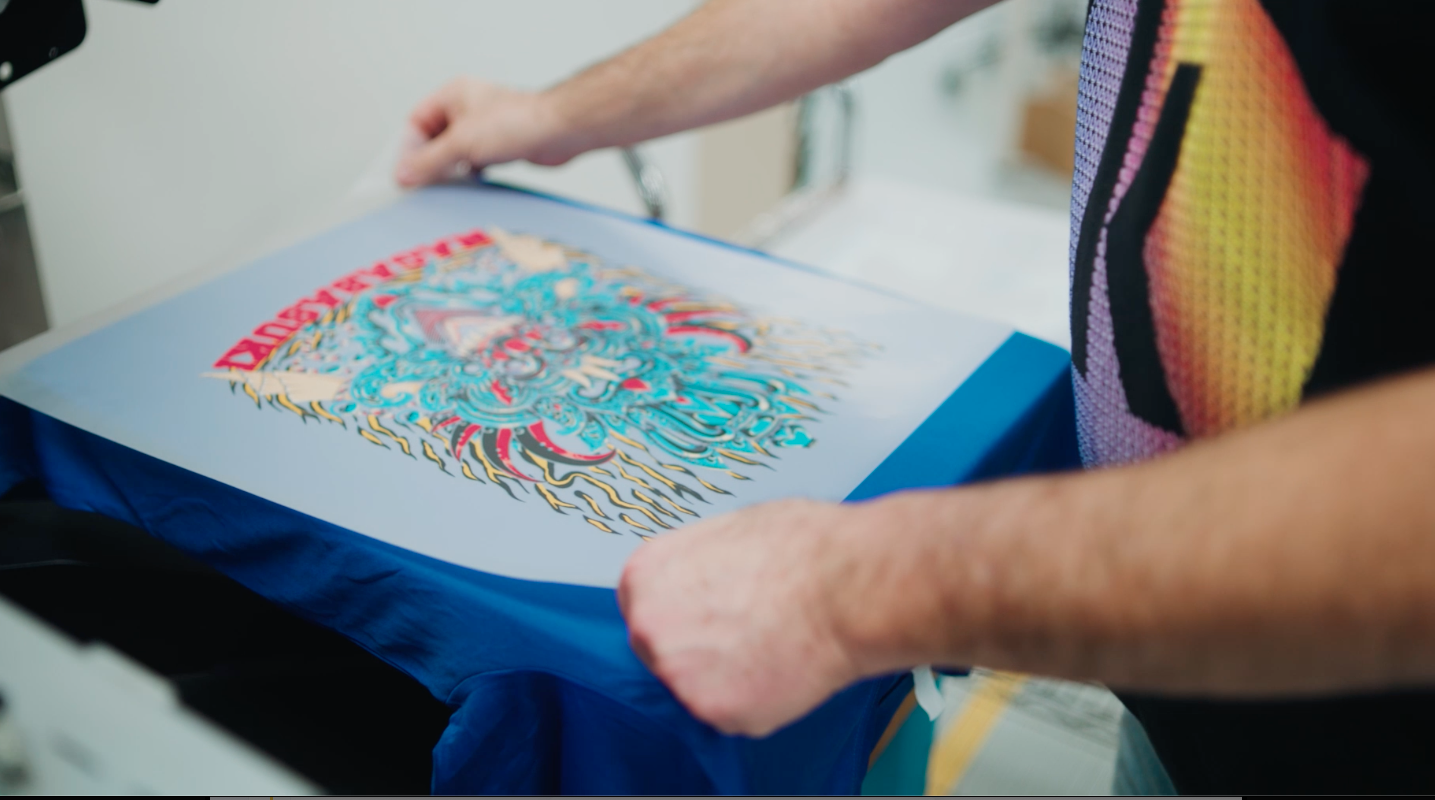
Heat press machines use heat and pressure to transfer designs onto fabric, often with the help of special transfer paper. This method is relatively affordable and simple to use. That’s why it used to be a popular choice for small businesses and hobbyists. Heat press machines can work well for small to medium-sized orders but may not be as efficient for high-volume production.
Direct to Garment Printers
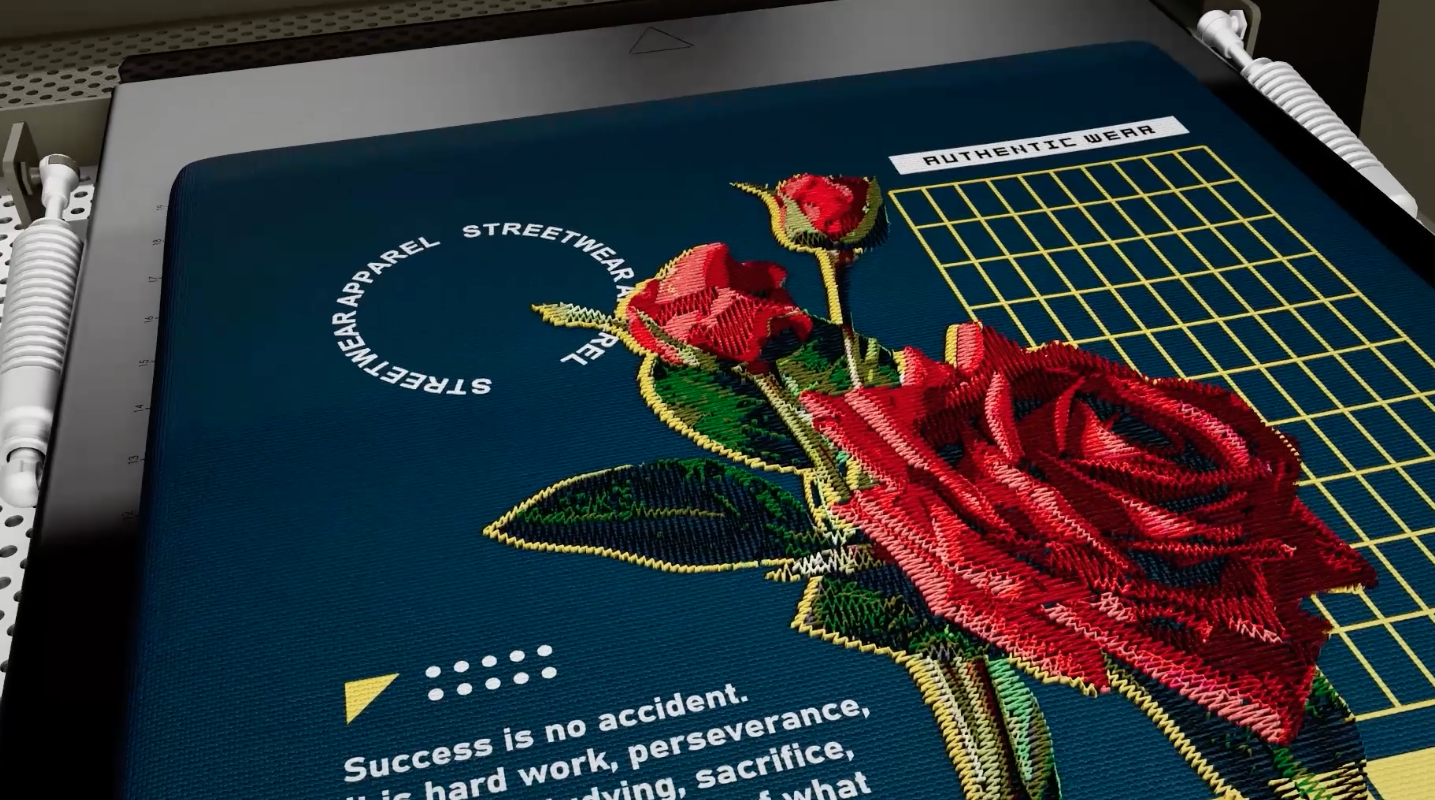
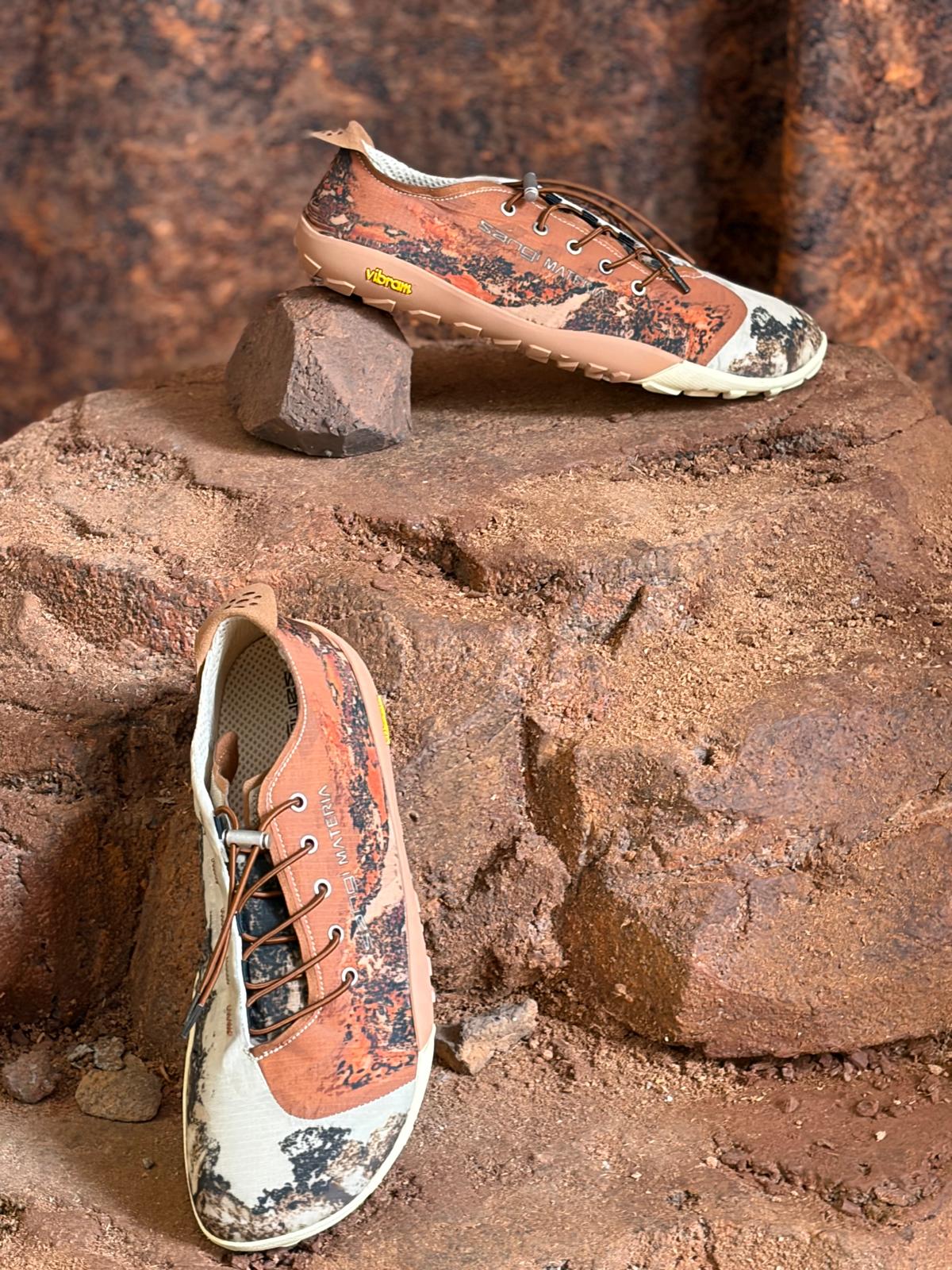
Direct-to-garment printers offer the most advanced printing technology. DTG printers transfer designs directly onto fabric using high-quality inkjet technology. They can handle a wide variety of designs, including complex images and photographs, with excellent color reproduction. This method is perfect for businesses looking to deliver high-quality prints with fast turnaround times and the ability to print on demand. It is also the best option for sustainable textile printing.
Here is a simple comparison:
| Printing Method | Best For | Print Quality | Speed | Cost Efficiency | Design Complexity | Sustainability | Ideal User |
|---|---|---|---|---|---|---|---|
| Screen Printing | Bulk orders | High for simple designs | Fast once set up | Good for large quantities | Low–medium | Low | Factories & high-volume shops |
| Heat Press | Small batches & personalization | Medium | Medium | Affordable upfront | Medium | Medium | Hobbyists & small studios |
| DTG Printing | On-demand, high-detail prints | Very high | Fast turnaround | Good for small–medium runs | Very high | High | Growing businesses & premium brands |
Choosing the Best Garment Printing Machine with Kornit
Kornit Digital offers some of the most advanced garment printing machines available on the market. Whether you’re starting a printing business or need a solution for large-scale production, Kornit’s machines offer the versatility, efficiency, and quality needed to stay competitive in the garment printing industry.
When choosing the best garment printing machine, consider your needs, budget, and future growth. With Kornit’s range of products, you’re sure to find a machine that meets your unique requirements.
Frequently Asked Questions about the Best Garment Printing Machine
Which machine is best for shirt printing?
For shirt printing, a high-quality direct to garment printer can be the perfect choice. It allows for high-quality, vibrant prints on cotton and other fabrics and works great for custom designs on demand.
What printing is best for clothes?
The best type of printing depends on the design complexity and volume of prints. For high-quality, detailed designs, DTG printing is the best choice. For bulk printing with simpler designs, screen printing may be an acceptable option.
What kind of printer is used for t-shirt printing?
The kind of printer usually used for high-quality t-shirt printing is a DTG printer. It creates detailed and vibrant prints by applying ink directly onto the fabric.