18 Digital Printing Industry Statistics to Know in 2026
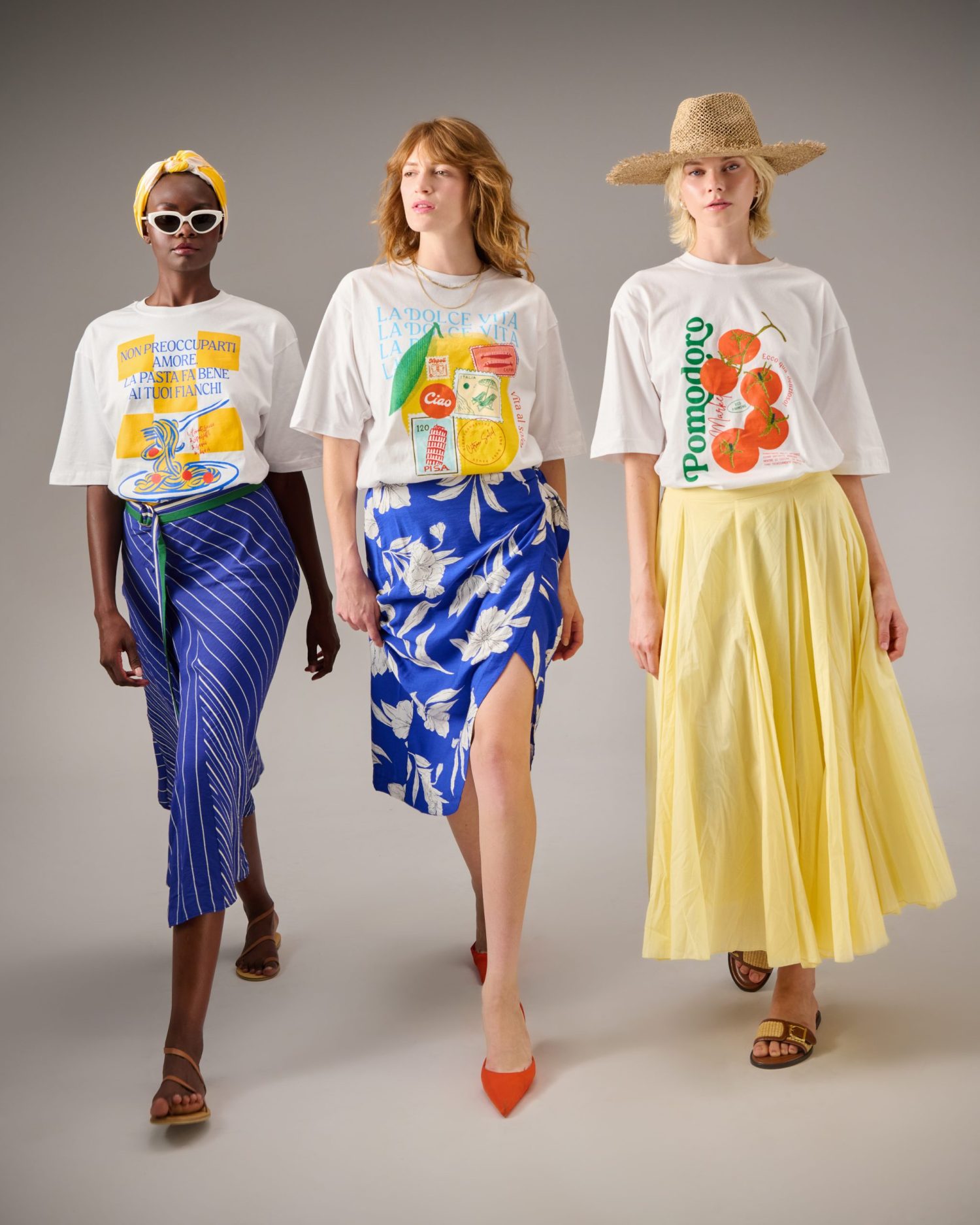
In 2026, digital printing has become a key production model for brands that demand a faster turnaround, make smaller batches, and need lower inventory risk.
The numbers show a clear shift: demand is moving toward:
- Print-on-demand
- Direct-to-garment printing
- Custom apparel
- Online fulfillment
- Personalization-led commerce
Below are the top digital printing industry statistics to know in 2026, with a short insight for each one.
Key Takeaways
- Digital printing growth is being driven by demand for customization, not just by technology.
- Print-on-demand is one of the strongest growth areas, supported by e-commerce, independent creators, and made-to-order production.
- Apparel remains one of the most important categories for digital printing
- Personalization is becoming a business expectation since consumers show stronger loyalty to brands that offer customized experiences.
1. The print-on-demand market is expected to reach $118.85 billion by 2035
The global print-on-demand market was valued at $12.96 billion in 2025 and is expected to reach around $118.85 billion by 2035, growing at a 24.81% CAGR from 2026 to 2035.
Insight:
This is one of the clearest signs that demand is shifting away from bulk production and toward made-to-order models. For printing businesses, this means customers are looking for flexibility and the ability to produce only what is actually ordered.
2. The U.S. print-on-demand market is projected to reach $31.16 billion by 2035
The U.S. print-on-demand market was estimated at $3.23 billion in 2025 and is predicted to reach around $31.16 billion by 2035, growing at a 25.44% CAGR from 2026 to 2035.
Insight:
The U.S. market shows how quickly digital printing is becoming part of mainstream e-commerce and fulfillment. This growth reflects demand from businesses that want to sell customized products without holding large amounts of stock.
3. Asia Pacific (APAC) is expected to grow at a 28% CAGR in print-on-demand
Asia Pacific is expected to expand at the fastest rate in the print-on-demand market, with a projected 28% CAGR between 2026 and 2035.
Insight:
- This growth is linked to:
- Rising internet penetration
- Smartphone usage
- Online shopping
- Large textile production capacity
For digital printing companies, APAC is not only a manufacturing hub but also a fast-growing demand center.
4. Apparel generated the largest product revenue share in print-on-demand in 2025
In the print-on-demand market, the apparel segment generated the largest revenue share of 39.% in 2025.
Insight:
Apparel continues to be one of the strongest categories for digital printing because it naturally fits personalization, seasonal trends, influencer merchandise, niche communities, and small-batch collections. This is especially important for brands that want to test designs quickly without committing to large inventory runs.
5. Home decor is expected to grow at a 28% CAGR in print-on-demand
The home decor segment in the print-on-demand market is expected to expand at a 28% CAGR from 2026 to 2035.
Insight:
Personalized wall art, cushions, home textiles, and decorative products are becoming part of the same made-to-order trend. This opens new opportunities for print businesses that can serve both fashion and lifestyle categories.
6. The direct-to-garment printing market is expected to reach $2.10 billion by 2031
The direct-to-garment printing market was valued at $1.39 billion in 2025 and is estimated to grow from $1.49 billion in 2026 to $2.10 billion by 2031, at a 7.13% CAGR from 2026 to 2031.
Insight:
DTG printing is gaining ground because it supports fast, flexible apparel production. This is especially relevant for e-commerce brands and print service providers that need to produce personalized garments without the setup time and minimum quantities usually associated with screen printing.

7. Clothing and apparel accounted for 57.20% of the DTG market in 2025
By application, clothing and apparel captured 57.20% of the direct-to-garment printing market size in 2025.
Insight:
Apparel remains the main engine of DTG demand. The reason is simple: t-shirts, hoodies, uniforms, merchandise, and fashion items are easy to personalize and often purchased in smaller quantities. This makes them a natural fit for digital workflows.
8. Technical textiles are the fastest-growing DTG application
Technical textiles are expected to register the fastest growth in the DTG market, with an 8.43% CAGR.
Insight:
Digital printing is moving into more specialized applications, not just everyday apparel. This suggests that industrial and performance textile uses may become a larger part of the digital printing industry as technology improves.
9. Print service providers held 65.10% of the DTG market in 2025
By sales channel, print service providers held 65.10% of the direct-to-garment printing market share in 2025.
Insight:
This shows that many brands still depend on specialized print partners rather than building full in-house production. For print service providers, the opportunity is to offer fast fulfillment, personalization, and flexible order volumes.
10. Online fulfillment platforms are the fastest-growing DTG sales channel
Online fulfillment platforms are forecast to grow at an 8.83% CAGR in the DTG market.
Insight:
This is a strong demand signal. As more businesses sell through online stores, marketplaces, and creator platforms, digital printing becomes closely connected to automated fulfillment. The easier it is to connect a design to an order and ship it quickly, the more valuable DTG becomes.
11. Cotton held 49.20% of the DTG substrate market in 2025
By substrate, cotton retained 49.20% of the direct-to-garment printing market share in 2025.
Insight:
Cotton remains a core material for DTG because it is widely used in t-shirts and casual apparel. For printers, this means cotton-based products are still the foundation of many digital garment printing operations.
12. Polyester is expected to grow at a 7.27% CAGR in DTG
While cotton leads the market, polyester is projected to grow at a 7.27% CAGR between 2026 and 2031.
Insight:
Polyester growth points to rising demand in sportswear, performance apparel, and synthetic textiles. As digital printing improves on more fabric types, brands can expand beyond basic cotton garments.
13. Pigment inks led the DTG market with a 60.45% share in 2025
By ink type, pigment formulations led the DTG market with a 60.45% share in 2025.
Insight:
Pigment ink demand reflects the need for practical, versatile printing solutions. For digital textile printing, ink performance is central to production efficiency.
14. The custom t-shirt printing market is expected to reach $20.05 billion by 2035
The global custom t-shirt printing market was estimated at $7.01 billion in 2025 and is expected to reach around $20.05 billion by 2035, with an 11.08% CAGR between 2026 and 2035.
Insight:
Custom t-shirt printing remains one of the most visible examples of digital printing demand. The growth reflects demand from events, sports, businesses, creators, online stores, and consumers who want products that feel personal.
15. 80% of consumers prefer brands that offer personalized experiences
A Deloitte study found that 80% of consumers surveyed prefer brands that offer personalized experiences, and those consumers reported spending 50% more with such brands.
Insight:
This statistic is not only about marketing. It also explains why demand for customized and personalized products is growing. Digital printing gives brands a practical way to connect personalization in the shopping experience with personalization in the final product.
16. Retailers expect to allocate 59% of their marketing budget to personalization
Retailers expect to allocate 59% of their marketing budget to personalization.
Insight:
Personalization is becoming a major business investment. For the digital printing industry, this matters because personalized campaigns often need personalized physical products, packaging, promotional items, and customer experiences.
17. 79% of marketers use AI to personalize content and campaigns
According to the raw data, 79% of marketers use AI to personalize content and campaigns.
Insight:
AI-driven personalization can increase demand for digital printing by making it easier to create targeted designs, product recommendations, and customer-specific offers. When brands can personalize the message, they often want the printed product to feel personalized too.
18. 24% of global consumers are more loyal to brands offering personalized deals
The data shows that 24% of global consumers are more loyal to brands offering personalized deals.
Insight:
Personalization is directly connected to loyalty. For print businesses, this means customized products and personalized promotions are not just creative extras. They can support stronger customer relationships
What These Digital Printing Statistics Mean for 2026
The biggest story in digital printing is demand. Businesses want production models that match how people buy today: online, quickly, personally, and often in smaller quantities.
The statistics point to several clear trends:
- Print-on-demand is growing rapidly
- Custom apparel continues to expand
- Online fulfillment is becoming more important
- Personalization is influencing both marketing and product expectations.
For print businesses, 2026 is not just about adding digital equipment. It is about meeting a new kind of customer demand. At Kornit Digital, we can help you make that transformation. Let’s talk!
References:
Custom T-shirt printing market Size | Industry Report, 2030. (n.d.). https://www.grandviewresearch.com/industry-analysis/custom-t-shirt-printing-market
Direct to Garment Printing Market | Industry Report, 2030. (n.d.). https://www.grandviewresearch.com/industry-analysis/direct-garment-printing-market-report
Exploring the rise of personalized manufacturing in 2026. (2025, June 17). Genedge. https://genedge.org/resources-tools/customization-is-the-new-norm-exploring-the-rise-of-personalized-manufacturing/
Ltd, R. a. M. (n.d.). Printing Inks Market Report 2026 – Research and Markets. Research and Markets Ltd 2026. https://www.researchandmarkets.com/reports/5781314/printing-inks-market-report
Zoting, S. (2026, March 12). Print on demand market size to worth USD 118.85 BN by 2035. https://www.precedenceresearch.com/print-on-demand-market