Direct to Fabric vs Direct to Film Printing: What You Need to Know
Updated 14.09.2025
The world of textile printing is constantly changing. Understanding the nuances of the latest printing technologies is essential to staying ahead of the competition. Two methods that warrant close attention are direct to fabric printing and direct to film printing. Both of them are often shortened to DTF. While the names are similar, the technologies are different.
Kornit Digital, the provider of the leading direct to garment and direct to fabric printers, leverages both technologies. If you are looking for ways to streamline your business, you need to make a clear distinction between direct to fabric and direct to film.
Key Takeaways
-
“DTF” can mean two different things: Direct to Fabric (print onto rolls/finished fabric) vs Direct to Film (print to film, then heat-transfer). They are not interchangeable.
-
Direct to Fabric stands out with color consistency and on-demand, roll-to-roll production for fashion/home décor.
-
Direct to Film (DTF or DTFilm) is great for durable graphics on finished garments and accessories, small runs, and complex placements with easy fulfillment.
-
Choose direct to fabric for large-scale fabric production and color management; choose DTFilm for flexible, placement-based graphics across SKUs and materials.
What Is Direct to Fabric Printing?
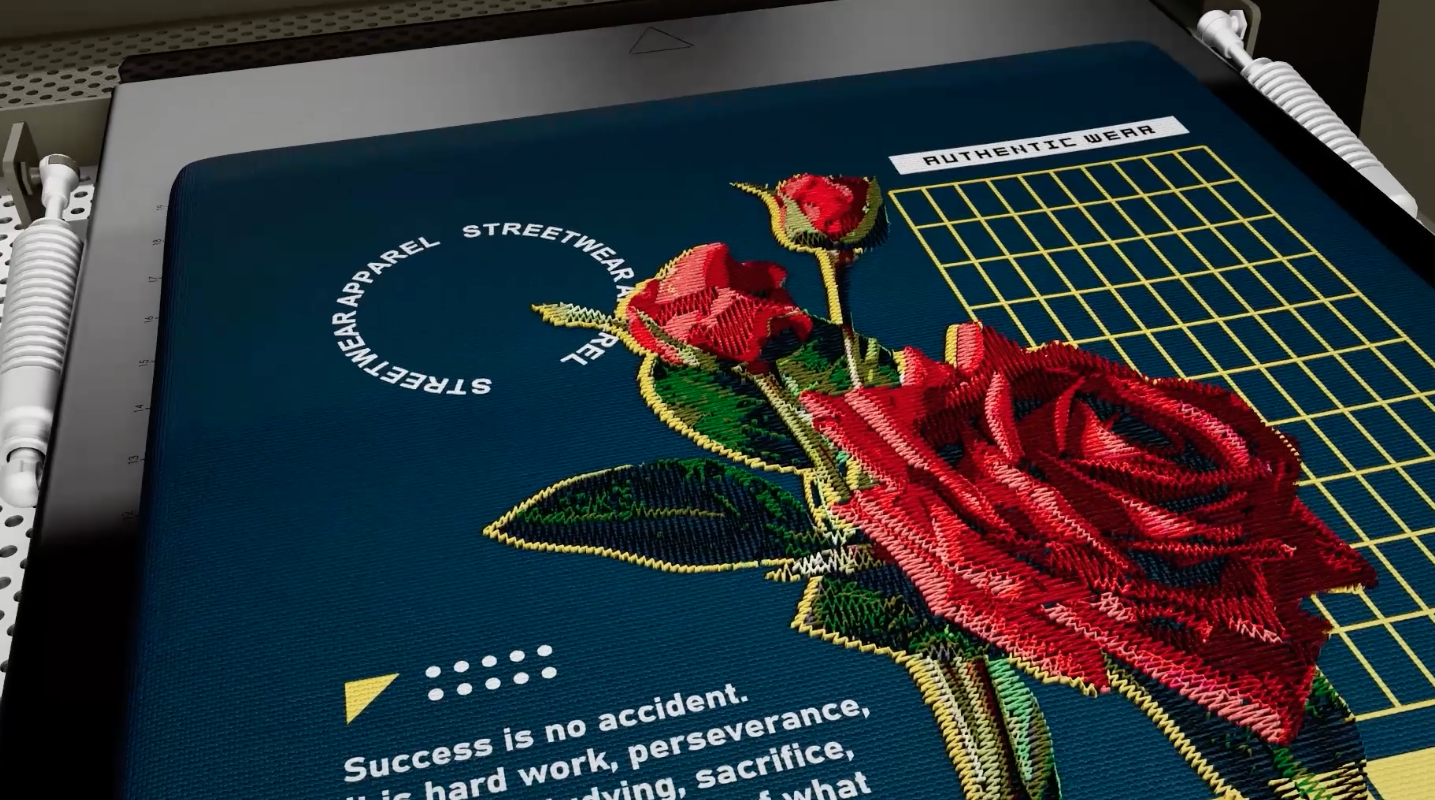
Direct to Fabric printing, sometimes abbreviated as DTF, is transforming how fabrics are designed and produced. This method involves printing directly onto textiles. This allows for intricate designs and vibrant colors. Direct to fabric is popular in the fashion and home decor industries for its ability to produce high-quality prints on a variety of fabrics.
Kornit Digital, a pioneer in this field, offers cutting-edge Direct to Fabric printers like the Kornit Presto MAX. These printers ensure precise color matching and fast production. That’s why they are ideal for businesses seeking efficiency and quality in fabric printing. With Kornit’s technology, businesses can produce custom designs without the limitations of traditional printing methods.
What Is Direct to Film Printing?
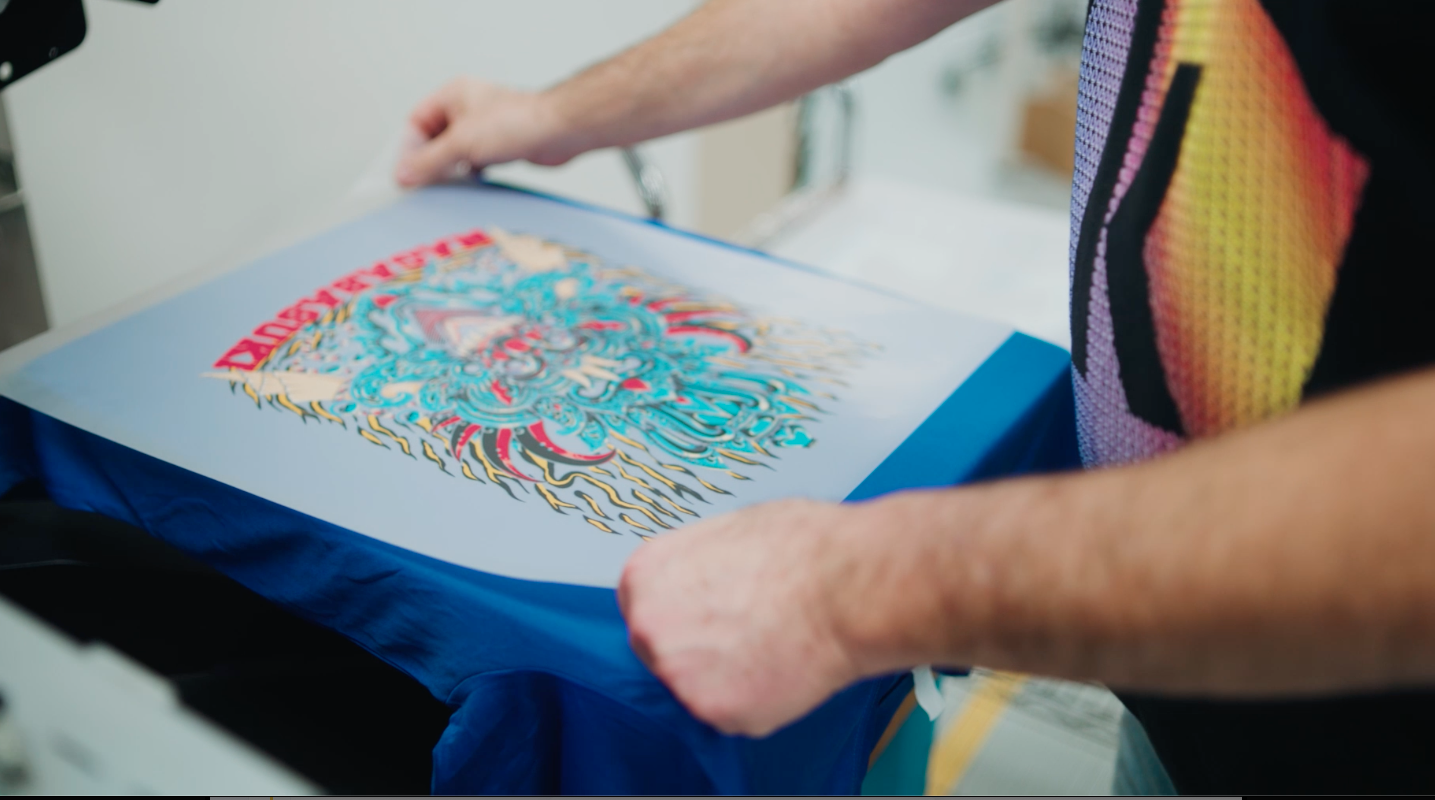
Direct to film printing, involves transferring designs onto a thin film that is then applied to fabric. This method offers exceptional durability and flexibility, making it perfect for intricate designs on apparel and accessories. Kornit’s upcoming “Max Transfer” offering is a prime example of a machine that excels in DTF printing.
DTF technology opens new avenues for brands and retailers. It allows them to expand their product offerings with durable and visually striking designs. Kornit’s commitment to innovation and sustainability is evident in their digital printing on fabric solutions. They minimize environmental impact while maximizing creative possibilities.
Why Direct to Film and Direct to Fabric Printing are Not Interchangeable Concepts
It’s a common misconception that Direct to Film and Direct to Fabric are interchangeable terms. However, each serves distinct purposes and offers different benefits. Understanding these differences is integral to making informed decisions in textile production.
Direct to Fabric is ideal for large-scale production of textiles, providing consistent color and quality across various fabric types. It’s perfect for industries like fashion and home decor, where fabric quality and color precision are paramount.
On the other hand, Direct to Film is sometimes better suited for applications requiring high durability and intricate designs, such as sportswear and custom apparel.
Both methods have their place in the industry, and choosing the right one depends on the specific needs and goals of your business.
Direct to Fabric vs Direct to Garment Printing at a Glance
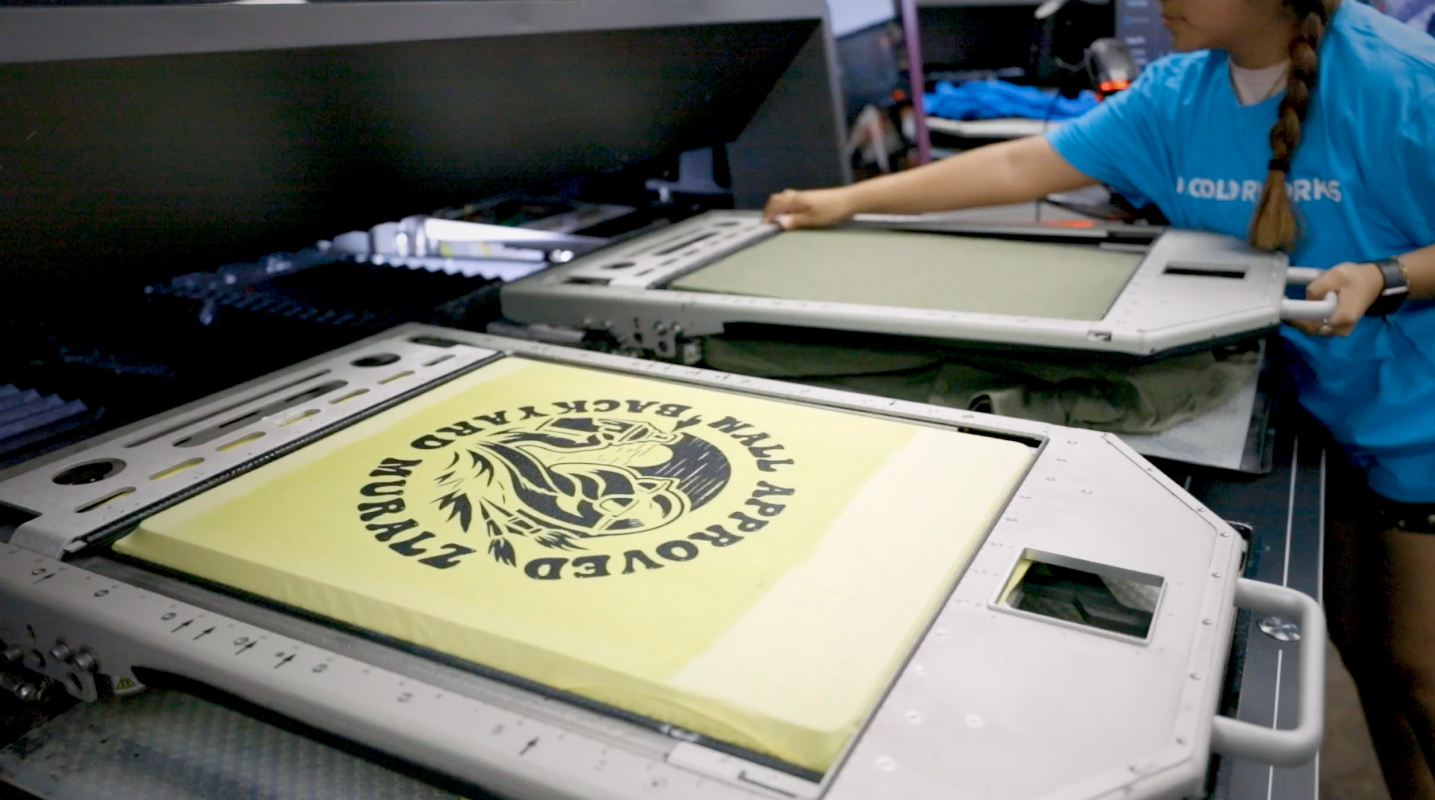
While Direct to Fabric and Direct to Garment printing may sound similar, they differ in application and technique. Direct to Garment involves printing directly onto finished garments, such as t-shirts. This method is ideal for small print runs and custom designs.
Direct to Fabric, however, focuses on printing directly onto rolls of fabric. This method is better suited for large-scale production, offering consistency and quality across various textiles. Kornit Digital provides solutions for both fabric and garment printing, ensuring businesses can choose the best method for their specific needs.
Understanding these differences is essential for maximizing the efficiency and effectiveness of your printing operations.
| Factor | Direct to Fabric | Direct to Film |
|---|---|---|
| Print Process | Digital print directly onto fabric rolls or panels; then fix/cure | Print on film, apply powder adhesive, cure, then heat-press to the item |
| Best Substrates | Textiles matched to chemistry (e.g., digital pigment for cotton/viscose/linen) | Wide range of garments & accessories (cotton, many polys/blends, hard-to-reach areas) |
| Use Case | Fashion & home-décor yardage, color-critical collections, repeat patterns | Logos/graphics on finished goods, small runs, personalization, multi-SKU applications |
| Color / Detail | Excellent color management across continuous yardage; consistent lots | Crisp graphics and fine detail; strong spot colors and multi-color designs |
| Durability / Wash | High when chemistry, fixation, and fabric are correctly matched | High with quality films/adhesives and proper heat application |
| Hand Feel | Softest feel—ink integrates with the textile surface | Very thin transfer layer; slightly perceptible film edge |
| Setup & Minimums | Efficient for continuous production; batch or on-demand yardage | Low minimums/one-offs; stock transfers and apply on demand |
| Speed & Throughput | Strong for continuous roll-to-roll; quick pattern changeovers | Fast for short runs, multi-placement work, and varied product types |
| Cost Structure | Economical per meter for yardage; predictable costs | Cost-effective for small orders and broad SKU variation |
| Placement Flexibility | Best for all-over and panel printing before cut-and-sew | Excellent for sleeves, neck labels, caps, bags, and odd shapes/locations |
| Sustainability | Supports on-demand yardage; minimal waste with modern water-based systems | Reduces overproduction by applying designs only when needed |
Leveraging Direct to Fabric Printers with Kornit
By investing in Kornit’s direct to fabric and DTG printers, businesses can stay ahead of the competition and deliver high-quality products to their customers. Whether in fashion, home decor, or any other industry, Kornit’s printers offer the reliability and versatility needed to succeed.
For businesses ready to elevate their printing capabilities, exploring Kornit’s range of solutions is a strategic move. These printers provide the tools necessary to create stunning, high-quality fabric designs.
Frequently Asked Questions about Direct to Fabric vs Direct to Film
Which method offers the softer “hand feel” on the finished product?
Direct to Fabric usually delivers the softest hand because ink bonds into the textile surface during fixation. Direct to Film adds a very thin transfer layer; modern films are flexible, but you’ll still feel a slight film edge on touch.
What’s better for complex placements (e.g., neck labels, sleeves, caps, bags)?
Direct to Film. Because artwork is transferred from film to the target area, you can decorate hard-to-reach zones and varied products without re-hooping or re-engineering the print path.
How do minimums and setup differ?
Direct to Fabric is most efficient for continuous yardage and batch runs (even when done on-demand). Direct to Film excels at low minimums and one-offs because you can print/stock transfers and heat-apply as orders come in.
Which approach is more versatile across materials?
Direct to Film is more forgiving across cotton, blends, and many poly surfaces. Direct to Fabric depends on chemistry/treatment matched to the fabric type (e.g., digital pigment for cotton/viscose/linen; different setups for synthetics).