What Is Direct to Garment Printing? A Beginner’s Guide
Direct to Garment (DTG) printing is a digital printing method, which has changed the world of fashion, home decor, sportswear, and many other industries. Many companies are leveraging this method to diversify their offer and bring in new customer segments.
Understanding how DTG printing works can help you make educated decisions about manufacturing, equipment, and new offers.
This guide created by the leading manufacturer of DTG printers, Kornit Digital, provides a comprehensive overview of this technology.
What is DTG Printing?
Direct to Garment printing, is a modern method that involves printing digital designs directly onto fabric using specialized inkjet technology.
Unlike traditional methods, DTG allows for detailed, vibrant prints without the need for screens or plates.
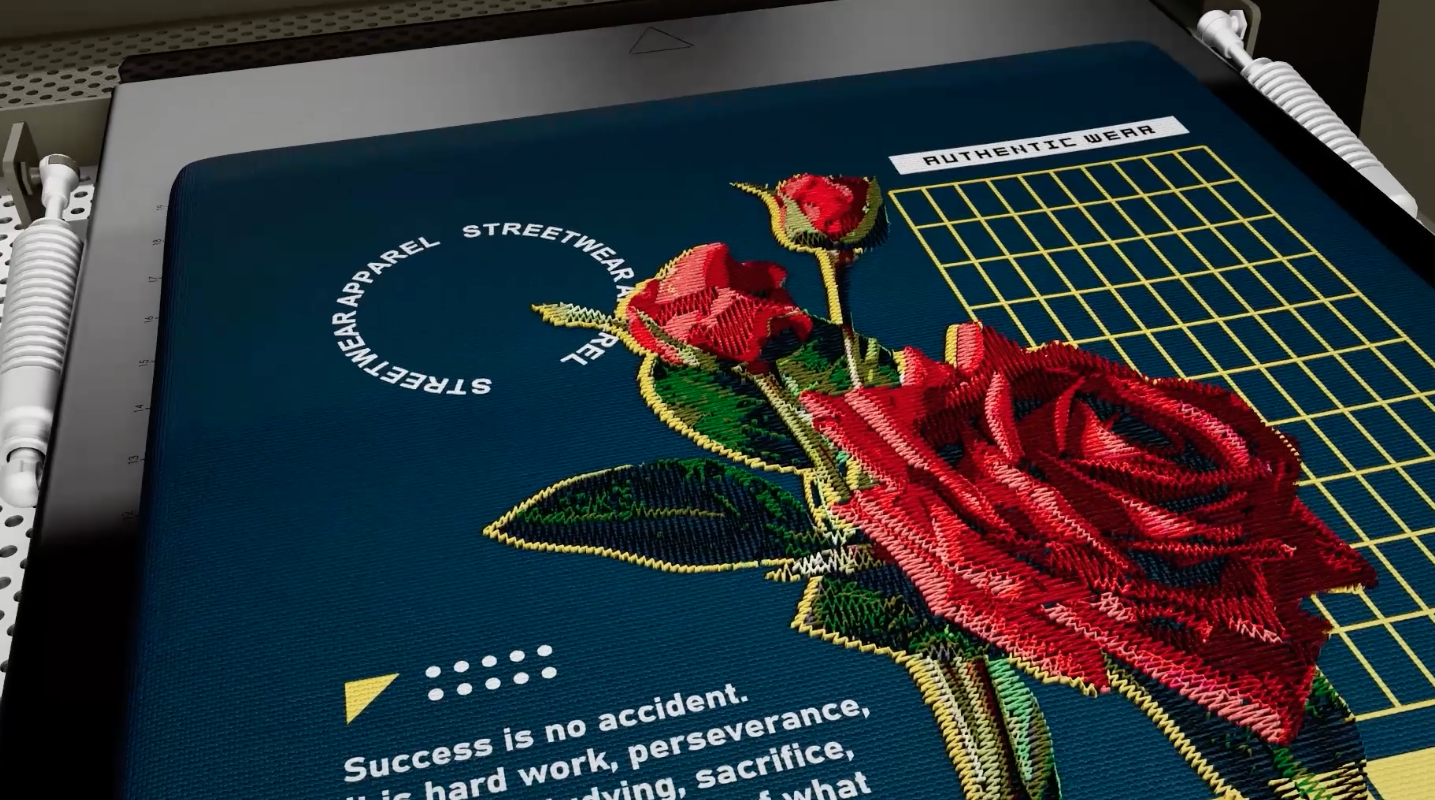
This technology is ideal for producing complex artwork with a wide color range. That’s why it’s a big favorite for custom apparel and promotional items. The process is straightforward, efficient, and perfect for small to medium-sized orders.
History of Direct to Garment Printing
The origins of DTG printing trace back to the early 1990s when the first machines capable of printing directly onto textiles emerged. Initially, these machines were limited in capability, offering mediocre print quality.
However, technological advancements in the 2000s revolutionized DTG. They enhanced print resolution and expanded color capabilities. In 2006, Kornit introduced white ink which allowed prints on dark garments. This gave a major push to digital printing popularity.
Today, brands like Kornit lead the market with cutting-edge DTG printers that provide eco-friendly inks and integrated pre-treatment systems. They are setting the benchmark for quality and sustainability.
Benefits of DTG Printing
Direct to garment printing offers a multitude of advantages that make it a preferred choice for many businesses.
High-Quality Designs
Among the key benefits of DTG printing is the ability to produce high-quality, intricate designs with vibrant colors. This capability is unmatched by other printing methods, which often struggle with detailed artwork.
Small Batch Orders
Another significant advantage is the flexibility to print small batches or custom one-off designs. This makes the technology ideal for niche markets or limited edition runs.
Fast Turnaround
The quick setup and production time mean faster turnarounds, a crucial factor in the fast-paced world of fashion and promotional products.
Downsides of Direct to Garment Printing
Despite its advantages, DTG printing is not without its drawbacks. One notable downside is the higher cost per unit for large orders, primarily due to the expense of the specialized inks and the slower production speed.
The initial investment in a quality DTG printer can be substantial, which can be problematic for small businesses. However, smaller companies can solve this issue by taking advantage of fulfillment networks like KornitX.
What Can You Print On With DTG Inks?
DTG technology is versatile, allowing printing on various materials. Primarily, DTG is most effective on cotton and cotton-blend fabrics, where the ink absorption and print quality are optimal.
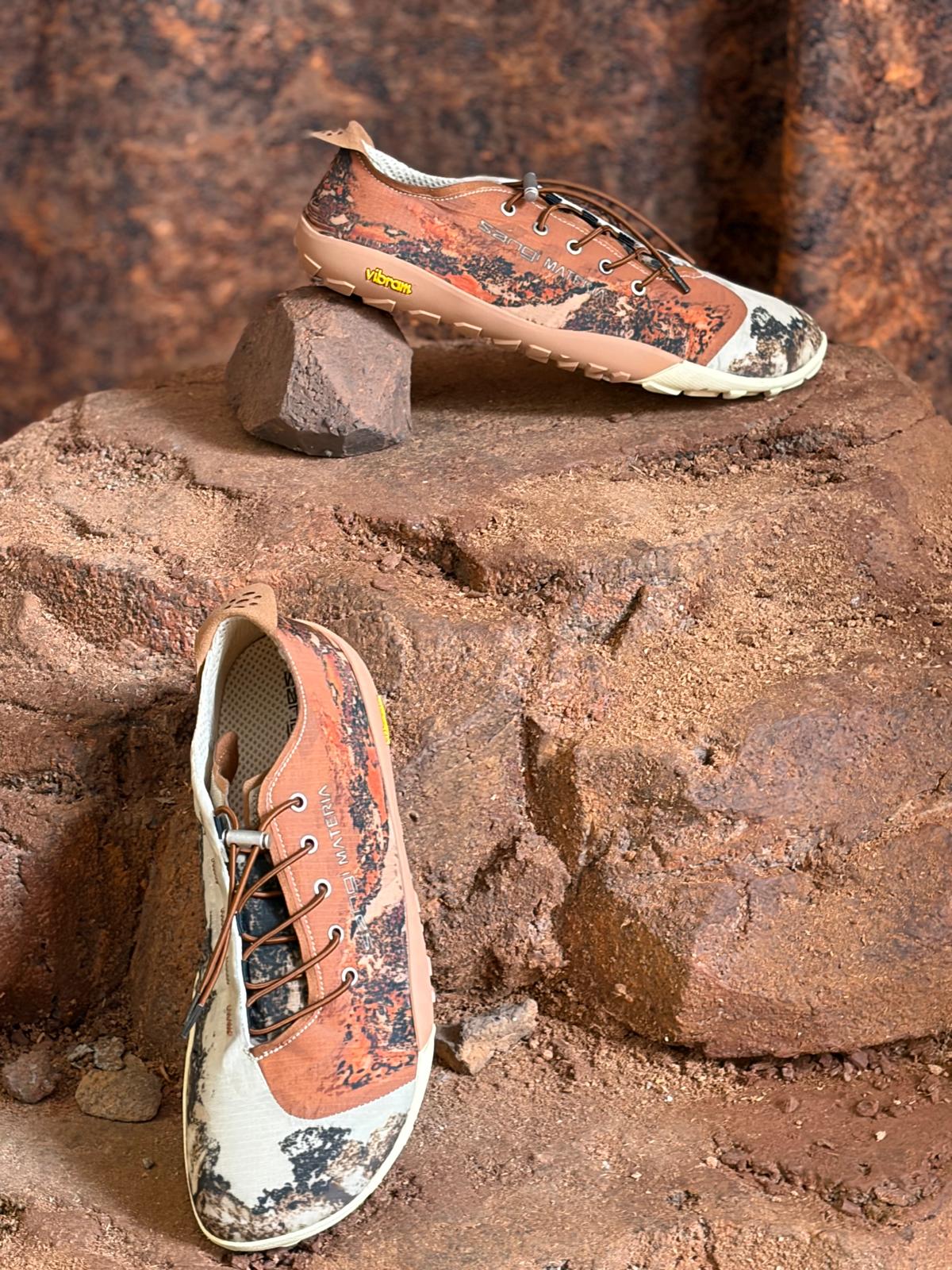
However, advancements have extended its application to include polyester and other blends, expanding its use to sportswear fabrics and promotional products.
DTG is perfect for t-shirts, hoodies, tote bags, and even certain home decor items. Its ability to capture detailed designs makes it a popular choice for personalized products and custom gifts.
The DTG Printing Process
To achieve impressive printing results, you have to understand the DTG printing process. It includes these steps:
Step #1 – Pre-treat the Material
The first step in DTG printing involves pre-treating the garment. This step prepares the fabric to receive the ink, ensuring vibrant colors and sharp details.
The pre-treatment solution helps the ink bond with the fibers, which increases print durability. This process varies depending on the material but generally involves spraying a solution onto the fabric and heat-pressing it to dry.
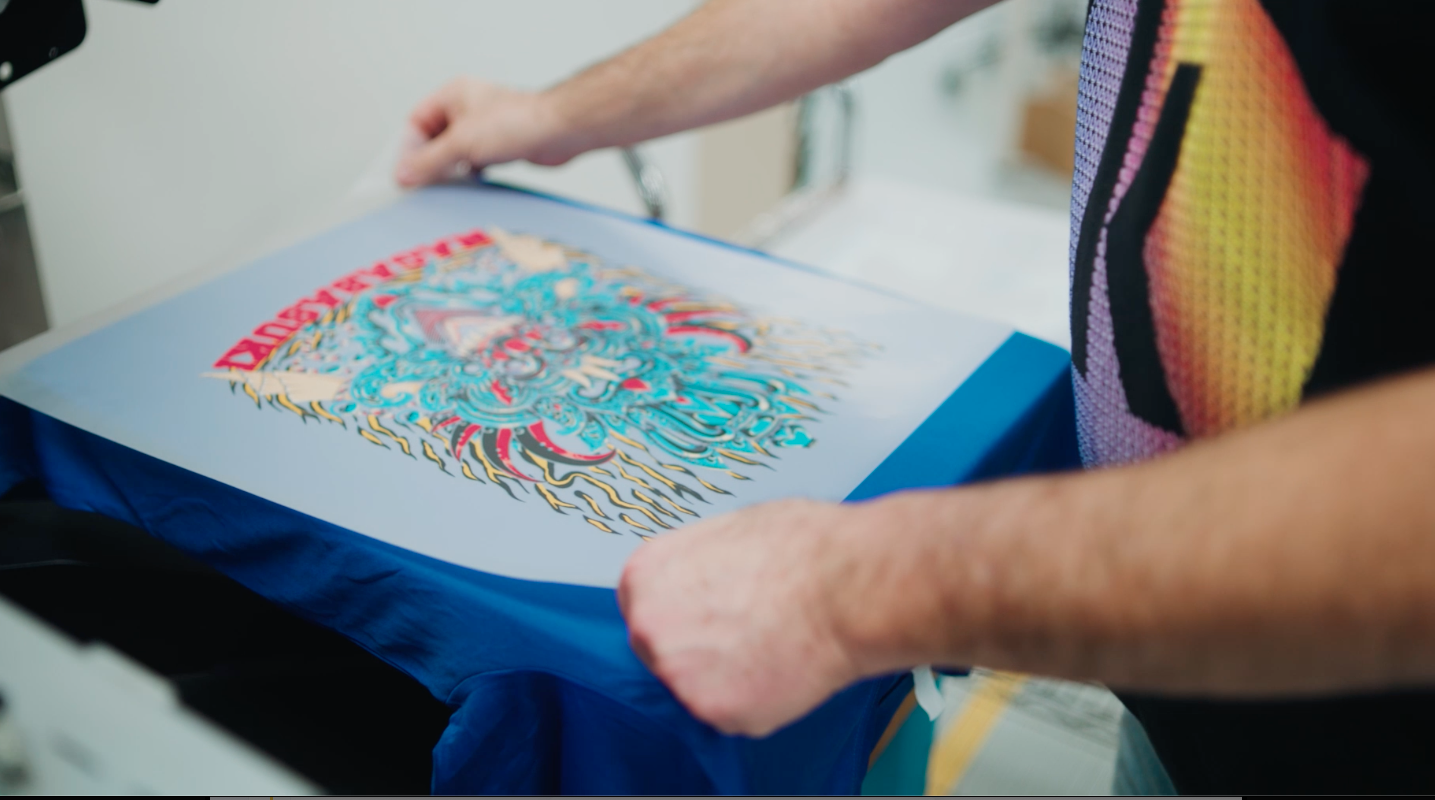
Step #2 – Position the Garment on the Printing Surface
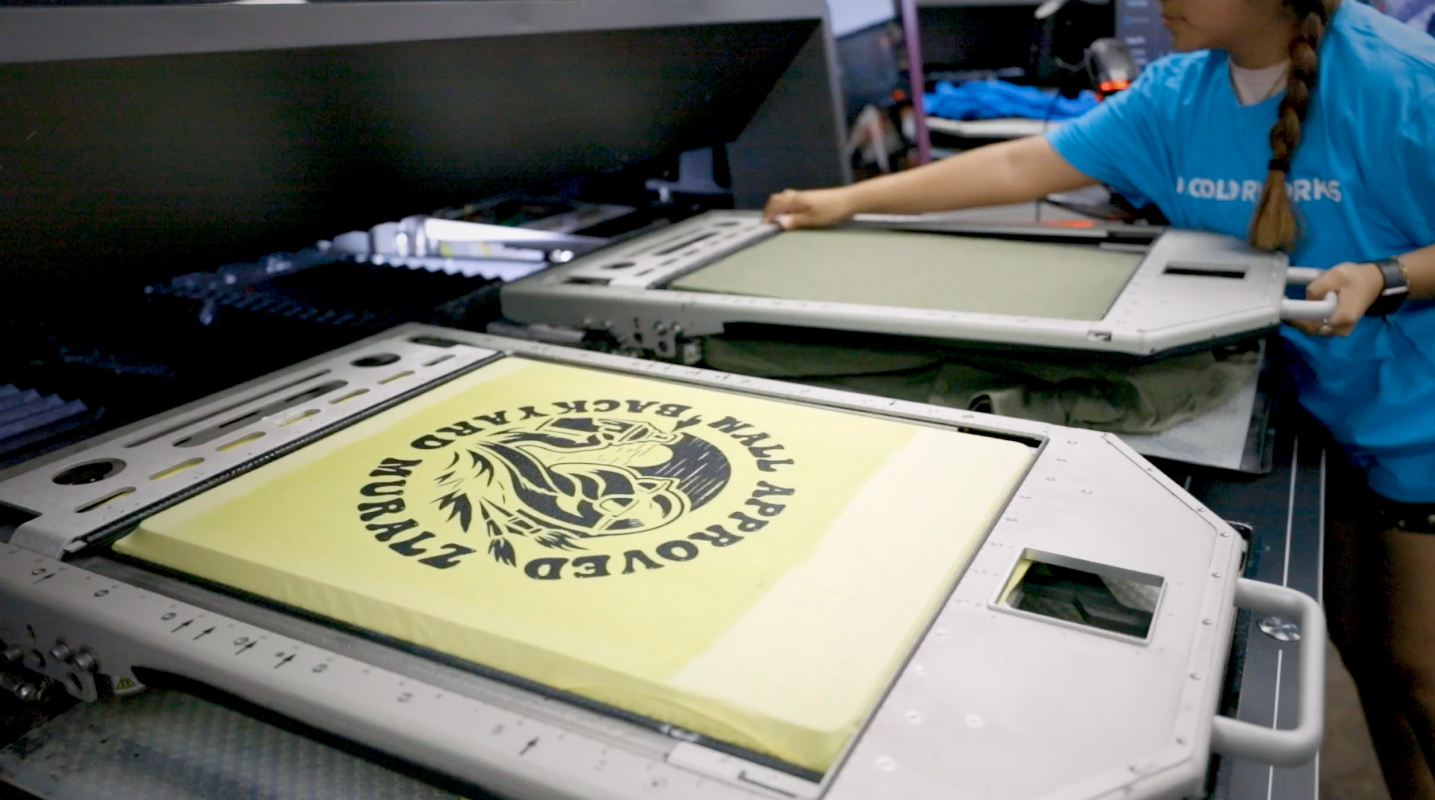
Once pre-treated, the garment is carefully positioned on the DTG printer’s platen. Proper alignment is essential to ensure the design prints accurately. This step often involves securing the fabric to prevent movement during printing, which could lead to misalignment and smudging.
Step #3 – Print the Image Directly onto the Surface
With the garment in place, the digital image is printed directly onto the fabric. The printer head moves over the surface, applying ink precisely according to the design.
This step utilizes high-resolution print heads and specialized textile inks, enabling intricate details and a wide color palette.
Step #4 – Cure the Ink with Heat to Finish the Garment
The final step involves curing the ink to set the design permanently. This is typically done using a heat press or textile dryer, which applies heat to dry the ink and bind it to the fabric fibers. Proper curing ensures that the print is durable and resistant to washing and wear.
How Long Does DTG Printing Last?
The longevity of a DTG print depends on several factors, including the quality of the inks and the care given to the garment.
With proper care, such as washing inside out in cold water and avoiding harsh detergents, DTG prints can last many washes without significant fading.
Advances in ink technology, particularly those from leaders like Kornit, have improved print durability, making DTG a reliable option for long-lasting garments.
DTG Printing for Sportswear
Direct to Garment printing is an excellent choice for sportswear due to its ability to produce complex designs and vibrant colors on performance fabrics. This method excels in printing on various sportswear materials, including cotton blends and polyester, making it ideal for creating high-quality, personalized athletic apparel.
The versatility of DTG printing allows for the customization of sports gear with team logos, names, and intricate patterns, catering to the unique needs of sports teams and individual athletes.
DTG Printing for Fashion
Direct to Garment printing is revolutionizing the fashion industry by enabling intricate and vibrant designs on a variety of fabrics. This technology is essential for producing custom, high-quality fashion pieces such as t-shirts, dresses, and accessories.
With its flexibility and rapid turnaround, DTG printing allows fashion designers to experiment with new designs and quickly respond to emerging trends.
DTG Printing vs Other Methods
While the popularity of DTG printing is consistently on the rise, other printing methods are also being used. Here is how they stack up against DTG printing.
DTG vs Screen Printing
When comparing DTG printing to screen printing, the differences are significant. DTG excels in producing detailed designs with no minimum order requirement, making it suitable for small batches and custom garments. In contrast, screen printing is more cost-effective for large orders due to its lower cost per unit for bulk production.
However, screen printing requires significant setup time and is less suited for complex designs with multiple colors.
DTG vs Sublimation
DTG and sublimation printing each have unique strengths. DTG is ideal for cotton fabrics, offering excellent flexibility in design and accommodating detailed artwork and a wide range of colors.
Sublimation excels on polyester and synthetic materials, creating vibrant and durable prints.
Both methods provide high-quality results, allowing for diverse applications depending on the material and design requirements.
Direct to Garment vs Direct to Film(DTF) Printing
Both DTG and DTF offer unique advantages. While DTG prints directly onto the fabric, DTF involves transferring a printed film onto the garment, providing enhanced durability.
DTF can print on a variety of materials, including those less suitable for DTG, while DTG is preferred for its superior color vibrancy and detail on cotton fabrics.
Which DTG Printer Should I Buy?
Choosing the right DTG printer depends on several factors, including your budget, production volume, and desired print quality.
Key considerations include are the printer’s color capabilities, print speed, and maintenance requirements.
Kornit’s range of DTG printers offers advanced features such as eco-friendly inks and integrated pre-treatment systems, ensuring high-quality prints and a sustainable printing process. For businesses that can’t handle direct to garment printer costs, KornitX printing services provide an excellent alternative.
Diving into the World of DTG Printing with Kornit
DTG printing represents a significant opportunity for businesses looking to expand their product offerings. With Kornit’s industry-leading technology, the possibilities for customization and quality are endless.
Whether you’re a small business owner or a seasoned company, integrating DTG can elevate your product line and satisfy diverse customer demands.
With Kornit’s expertise and innovative solutions, you can confidently explore the multiple benefits of this technology.
What Is DTG Printing? FAQ
Is DTG printing good quality?
Yes, DTG printing offers excellent quality, especially for detailed designs and vibrant colors. The use of high-resolution print heads and premium inks ensures a professional finish that rivals traditional methods.
Is DTG cheaper than screen printing?
For small orders, is often more cost-effective due to the lack of setup costs. However, screen printing becomes cheaper per unit for larger volumes due to economies of scale in production.
What is the main disadvantage of DTG?
The primary disadvantage of DTG is the higher cost per unit for large orders, driven by the price of inks and slower print speeds compared to traditional methods. However, advancements in technology continue to improve efficiency and reduce costs.