Direct to Garment T-Shirt Printing: Dark vs Light

Direct to Garment (DTG) printing is an advanced method that applies ink directly onto fabric. However, achieving top results with DTG prints requires a careful approach to choosing the garment’s color.
Kornit Digital, a leader in DTG technology, provides high-quality solutions for printing on both light and dark-colored garments. Understanding the differences between direct to garment t-shirt printing on these two types of garments is crucial for cost efficiency, color vibrancy, and durability.
Key Takeaways
- DTG printing differs based on garment color, affecting ink usage and processing steps.
- Light garments allow for direct CMYK ink application without pretreatment.
- Dark garments require pretreatment and a white ink underbase for vibrant colors.
- Printing on dark shirts increases cost and production time.
- Proper curing ensures durability and prevents fading.
Direct to Garment T-Shirt Printing Process
DTG printing is a highly efficient way to create detailed and colorful designs, but the approach varies significantly depending on the color of the garment.
Light-Colored Garments
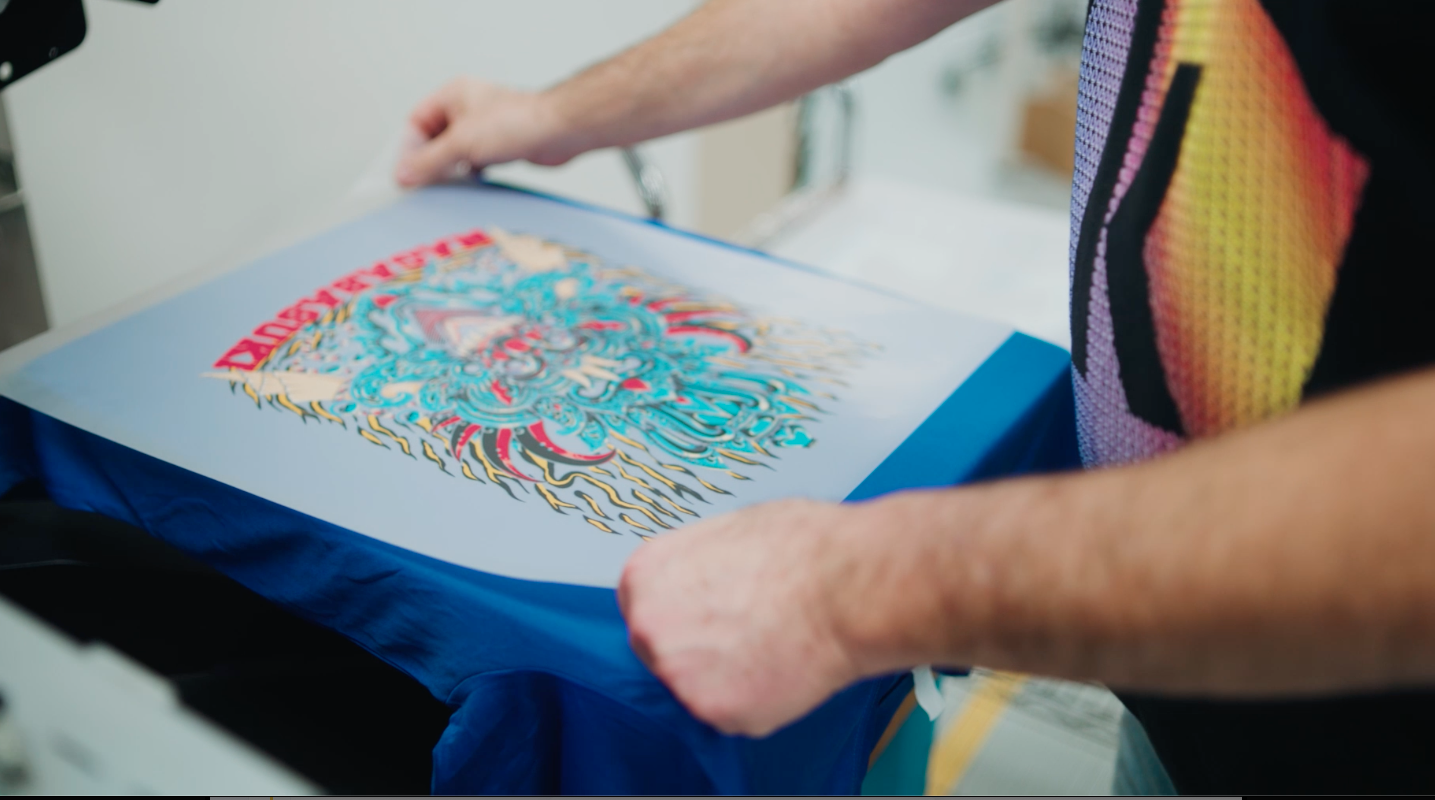
Printing on light-colored garments is a straightforward process due to the absence of a need for a white underbase. The process involves:
- Direct CMYK ink application: The ink is absorbed directly into the fabric, ensuring a smooth, seamless design.
- Faster printing times: Since fewer layers of ink are required, prints dry and cure more quickly.
- Lower ink consumption: Without a white underbase, ink usage is lower, which leads to cost savings.
Since the fabric itself provides a neutral base, colors appear bright and crisp without any additional processing steps. However, proper ink curing is still necessary to prevent fading after multiple washes.
Dark-Colored Garments
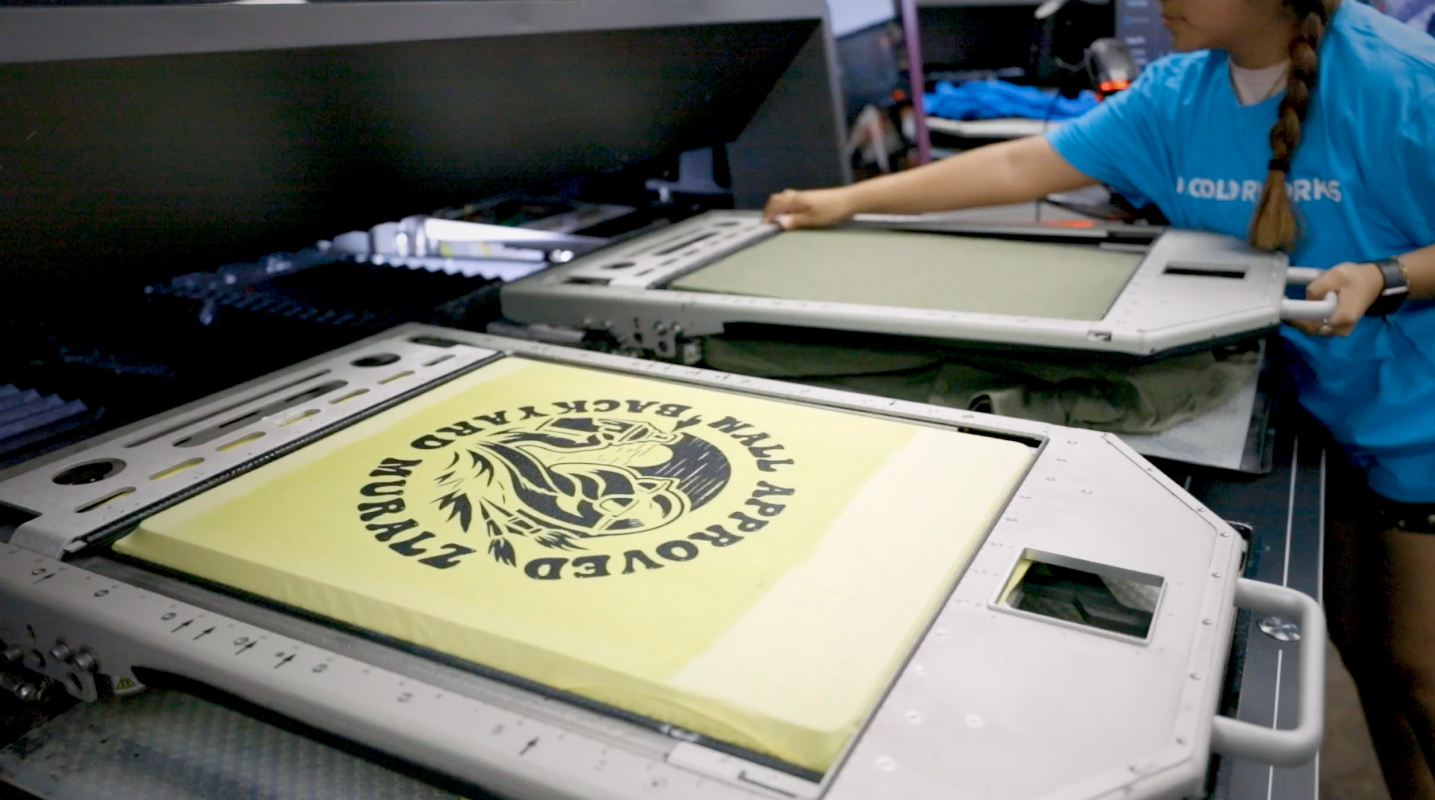
Dark garments require a more complex printing process to maintain color vibrancy and durability. The additional steps include:
- Pretreatment application: This step is essential for ensuring that the ink adheres properly to the fabric and remains vibrant over time.
- White ink underbase: A layer of white ink is applied beneath the CMYK inks to provide a bright background for colors to stand out.
- Increased drying and curing time: Additional layers mean longer production times..
Without a white underbase, the ink would blend with the dark fabric, resulting in muted colors and a lack of clarity in the design. Proper printer calibration and high-quality ink play a major role in achieving the best results.
Cost Implications
The difference in process between light and dark garments directly impacts production costs.
Light Shirts
- Lower ink consumption: Since light garments do not require a white underbase, only CMYK inks are used, reducing overall ink costs.
- Faster production time: With fewer processing steps, printers can produce more garments per hour, increasing efficiency and profitability.
- Reduced operational costs: Fewer materials and shorter printing times lead to lower expenses for businesses.
Dark Shirts
- Higher ink usage: The necessity of a white underbase increases ink consumption, particularly for designs with vibrant colors.
- Longer production times: The need for pretreatment, additional ink layers, and extended curing times reduces production speed.
- Higher per-unit cost: Increased ink and labor usage lead to a higher cost per printed garment.
For businesses focused on maximizing efficiency and reducing expenses, balancing the types of garments printed is an important factor in pricing strategies.
Design Considerations
The appearance of a design can vary significantly between light and dark garments, affecting how businesses approach their artwork.
Color Vibrancy
- Light garments: Without an underbase, colors remain bright and closely match digital design expectations.
- Dark garments: Colors may appear dull or faded without a white ink underbase. Applying a proper underbase ensures more accurate and vibrant prints.
Design Complexity
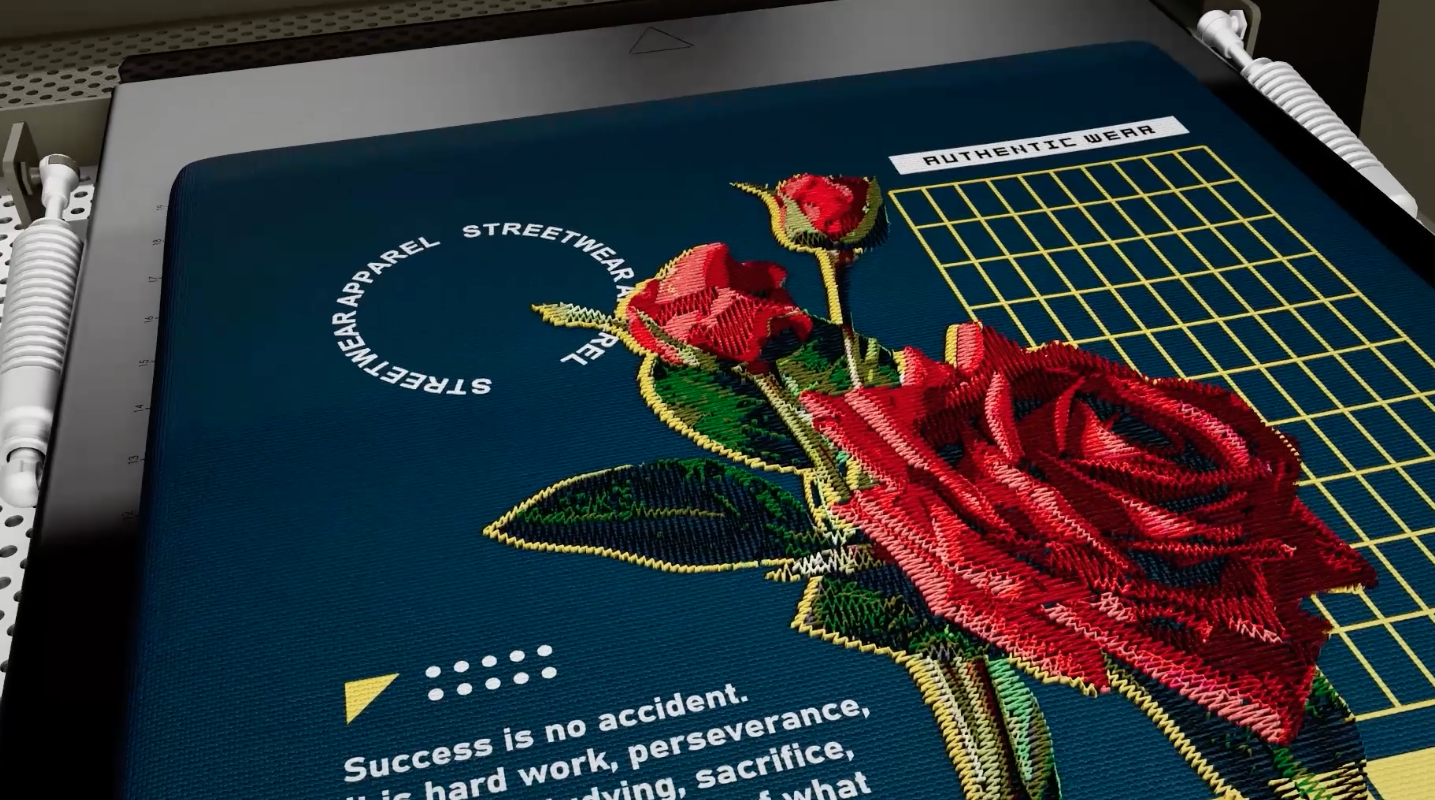
- Detailed artwork: Printing intricate designs on dark garments requires precise layering of ink to maintain clarity and sharpness. Kornit’s Neon Pigment ink gets the job done on all types of fabrics.
- Contrast considerations: Light garments offer more flexibility for subtle color gradients, while dark garments require adjustments to ensure proper contrast and readability.
Businesses should optimize their designs based on the type of fabric they are printing on to achieve the best results.
Durability and Washability
The durability of DTG prints depends on the fabric type, ink quality, and curing process.
Light Garments
- Better washability: Since ink is absorbed directly into the fabric, light garments generally experience less fading over time.
- Proper curing is still essential: Ensuring the ink is cured at the correct temperature prevents premature fading and cracking.
Dark Garments
- Higher risk of fading: If the curing process is not optimized, the white ink underbase can deteriorate, causing prints to fade faster.
- Importance of high-quality printers: Using advanced DTG printers, such as Kornit’s Apollo, ensures that prints remain vibrant and durable even after multiple washes
Light and Dark Direct to Garment T-Shirt Printing with Kornit
Kornit Digital offers high-quality DTG printers designed to optimize printing for both light and dark garments. With advanced ink technologies and automated processes, Kornit printers ensure vibrant, durable, and cost-effective prints. Businesses can maximize efficiency and minimize operational costs by investing in Kornit’s state-of-the-art DTG solutions.
FAQ about Direct to Garment T-Shirt Printing
What is the best color format for DTG printing?
DTG printing works best with RGB color profiles, as they allow for the broadest color range. However, it is essential to use high-resolution images for the best results.
Can DTG print on dark colors?
Yes, DTG can print on dark garments, but it requires pretreatment and a white ink underbase to maintain color accuracy and vibrancy.
Why does my DTG print look faded?
Faded DTG prints can result from incorrect curing, insufficient ink application, or a lack of pretreatment on dark garments. Using a high-quality DTG printer, such as those offered by Kornit, ensures optimal results. Learn more about DTG printer clothing troubleshooting.