Jeans of Tomorrow: Wear the Future Today
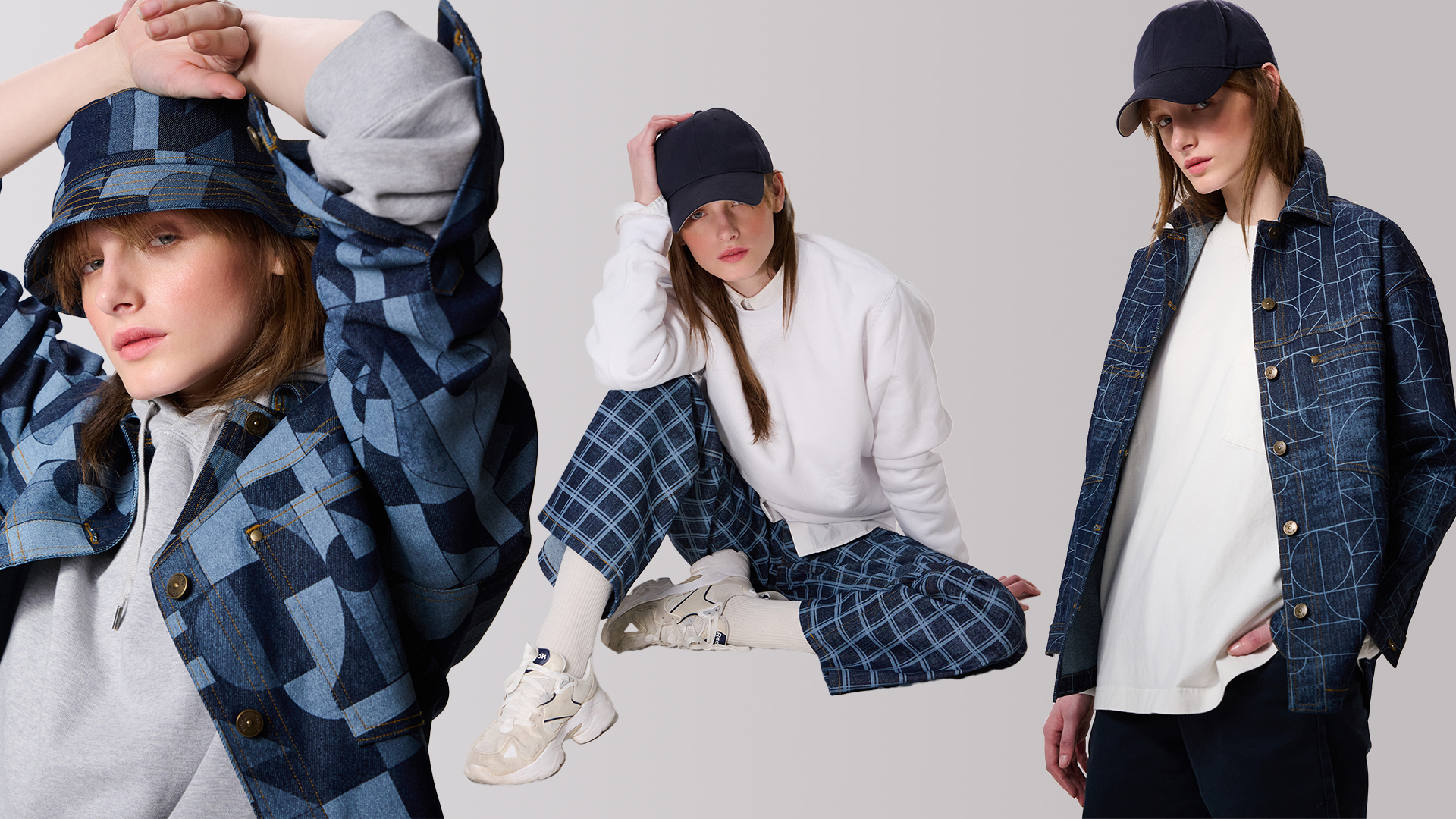
The iconic fabric continues to reinvent itself from the runways, where bleached denim is making a bold statement, to a surprising history that stretches back centuries. Discover how designers and innovators are pushing the boundaries of cool and sustainability in the world of denim.
Denim, that ever-evolving chameleon of the fashion world, is experiencing yet another captivating transformation. This season, a sense of effortless cool washes over the runways as designers embrace the art of lived-in denim, with bleached iterations leading the charge. From subtle sun-faded whispers to bold acid-washed statements and artfully distressed textures, these jeans exude a rebellious spirit that feels undeniably fresh.

Chanel fashion show during the Spring Summer 2025, Alamy. Ralph Lauren fashion show during the Spring Summer 2025, Alamy. Acne Studios Womenswear Spring/Summer 2025, Alamy
The trend, recently spotted shimmering under the lights of Ralph Lauren’s Spring/Summer 2025 collection, signals a return to relaxed aesthetics. Designers like Chanel, Acne Studios, Bottega Veneta, and Stella McCartney also whisper their unique take on the bleached denim revolution, proving its versatility and timeless appeal. Imagine the possibilities: pair it with a crisp white shirt for a polished, high-fashion statement, or slip into a slouchy knit for an off-duty chic that speaks volumes. Bleached denim offers a light, bright, and inherently cool vibe, primed and ready for anything the day (or night) throws your way.
The True History of Blue Jeans: More Than Just Levi Strauss
While Levi Strauss is often credited with inventing blue jeans, their history stretches back much further. An exhibition in Paris centered on the “Master of the Blue Jeans,” a mysterious 17th-century Italian painter, showcases artwork depicting early versions of the sturdy blue fabric worn by Italian peasants. These paintings push back the provenance of blue jeans by centuries, revealing that the fabric predates Levi Strauss’s denim work pants from the late 1800s, which merely added metal rivets and structure to an already established material.
The true origins of jeans and denim lie in Europe. Jeans originated in Genoa, Italy, while denim comes from Nîmes, France. The Genoese found a way to mass-produce blue dye using indigo stone from India, making it accessible for everyday wear. The “Master of the Blue Jeans” captured the essence of this working-class fabric in his paintings, depicting the same family wearing the same denim garments in their daily lives. These depictions offer invaluable insight into the history of this iconic material.

Mother Sewing with Two Children. Museum: Fondazione Cariplo. Author: Master of the Blue Jeans.
The Alluring Evolution of Washed Denim
The story of washed denim is fascinating, tracing back to the innovative spirit of the early 1970s. Adriano Goldschmied, affectionately known as “The Godfather of Denim,” inadvertently sparked the movement while seeking to replicate the coveted, broken-in feel of vintage jeans. What began as backyard experiments, “cooking” denim in large pots, soon evolved into a quest for more sophisticated techniques.
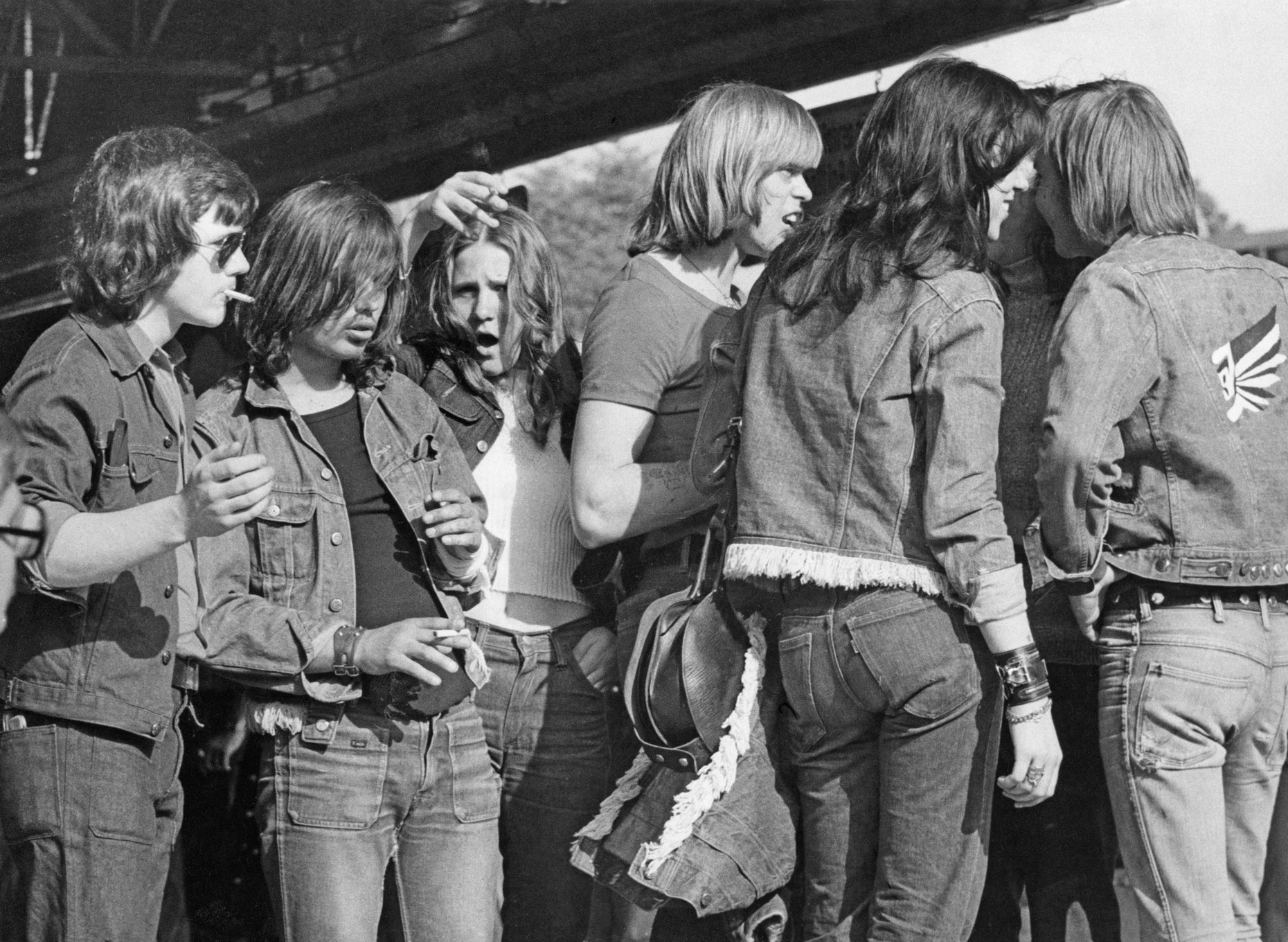
Teenagers, mostly wearing denim, stand in a group.
By the late 1970s, stonewashing emerged as a game-changer, forever altering the landscape of denim fashion. This process, involving tumbling jeans with pumice stones and bleach within industrial washing machines, resulted in a uniquely distressed appearance that captured a generation’s hearts (and wardrobes). Today, the path to achieving the perfect fade involves a delicate dance of techniques, each imparting a distinct character: stone washing, acid washing, enzyme washing, and even sandblasting.
The Sustainability Imperative: Redefining the Wash
The rise of washed denim came with a sobering realization: the environmental cost. Traditional methods consumed staggering amounts of water, energy, and harsh chemicals, burdening the planet. A single pair of jeans could guzzle up to 70 liters of water, 150 grams of chemicals, and 1 kWh of power during the washing stage alone.

Piece of indigo plant dye from India. Public Domain. Wikimedia Commons.
Thankfully, the fashion industry is responding with remarkable ingenuity, pioneering innovative technologies that minimize ecological impact without sacrificing style, ensuring the future of denim is as responsible as it is stylish. The challenge lies in balancing consumer desire for fashionable, pre-washed denim with the urgent need for environmental stewardship, pushing the industry to redefine conventional practices, and leading the way is Kornit, a driving force in the quest for responsible denim production.
Kornit’s Pioneering Sustainable Solution
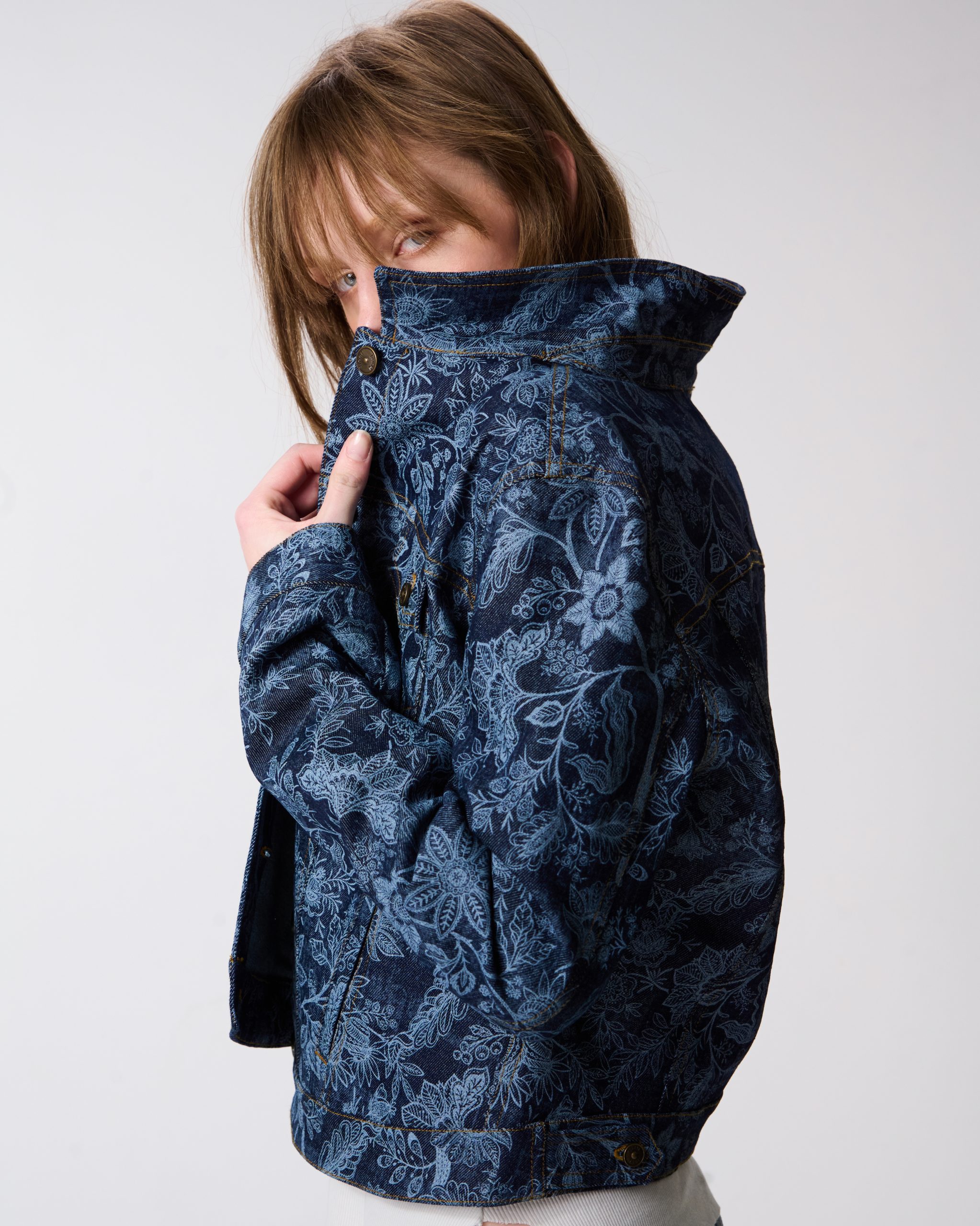
By circumventing traditional, resource-intensive processes, Kornit offers a path to eco-friendly denim decoration and embellishment, minimizing water waste and eliminating the need for pre-and post-washing while securing certifications from GOTS and Eco Passport. Imagine a future where denim decoration is not only stylish but also environmentally conscious, thanks to Kornit’s groundbreaking approach, and this transformation is becoming a reality.
Kornit’s cutting-edge approach enables:
- Unique, Disruptive Applications: XDI effects, vivid color prints, and wash treatments allow for unprecedented design possibilities.
- High Productivity: Up to 165 impressions per hour, ensuring efficient and scalable production.
- Simple Production: Minimal proofing time for short and mid runs, making customization accessible.
- Consistent Production: Reduced dependency on specialized labor, streamlining the manufacturing process.
- Media Variety: Ability to print on natural, synthetic, and blended fabrics, expanding the creative canvas for designers.
Denim’s Future: Personalized, High-Tech, and Consciously Crafted
Beyond bleached washes, the denim world is embracing personalization, technological integrations, and a deeper appreciation for denim as a lifestyle. Expect to see:
- Customization: Personalized denim options, including DIY kits, custom washes, and embroidery, empower consumers to express their individuality.
- Comfort & Performance: Stretch fabrics, ergonomic cuts, and athleisure-inspired denim, catering to the demand for both style and comfort.
- Vintage & Retro Styles: High-rise, wide-leg, distressed, and worn-in denim styles, paying homage to the rich history of this iconic fabric.
- Tech-Enhanced Denim: Incorporation of innovative fabrics, 3D technology, and wearable tech, pushing the boundaries of what denim can be.
- Color Trends: Light washes, dark indigo/black, and experimental colors like pastels or tie-dye, offering a vibrant palette for self-expression.
- Denim as a Lifestyle: Denim is becoming a fashion statement with accessories like bags, hats, and shoes, solidifying its position as a cornerstone of modern wardrobes.
The future of denim is one of innovation, inclusivity, and environmental responsibility. By pushing boundaries and embracing sustainable practices, this enduring fabric continues to redefine itself, proving that fashion can be both stylish and ethically conscious. The denim of tomorrow is not just a piece of clothing; it’s a statement of intent, a symbol of progress, and a testament to the enduring power of reinvention.