POD Meaning in E-Commerce

Discover how POD is revolutionizing e-commerce practices. Unravel the true meaning of POD and how it can transform your e-commerce business.
Updated 21.07.2025
When it comes to streamlining your e-commerce business strategy, you have to stay on top of the latest instruments. One of them is Print on Demand (POD).
Understanding the nuances and opportunities that POD presents can be the difference between a good online store and a great one. Let’s take a closer look at the POD meaning in e-commerce.
Key Takeaways
- Print-on-demand enables efficient production by only manufacturing items once they’re ordered.
- POD significantly lowers inventory and logistics costs while increasing flexibility and personalization options.
- The model supports sustainable practices by minimizing overproduction and waste.
- POD is scalable and accessible to both startups and large corporations looking to streamline operations.
- Compared to dropshipping, POD offers greater control over design, branding, and customer experience.
What Does POD Mean?
Print-on-demand is a model where products are manufactured in response to the consumer’s demand. Unlike traditional retail models, which require inventory management, POD produces items as orders are placed.
POD liberates e-commerce from the upfront inventory costs and space constraints. It can be a highly suitable option for both startups and established online retailers.

Benefits of POD for Your E-Commerce Business
The global POD market size is projected to be worth around USD 67.59 billion by 2032, growing at a CAGR of 26.71%. Taking advantage of this methodology has multiple benefits, including:
Higher Production Efficiency
Traditional retail models often grapple with the excessive production of goods. This leads to surplus inventory and waste. POD’s lean production capability ensures that every item crafted is a response to an actual order, minimizing leftover stock and streamlining production.
Less Waste
POD significantly reduces the carbon footprint per order by eliminating the need for large-scale manufacturing, which can result in the overproduction of products that might not sell.
Improved Customer Experience
In the digital age, consumers expect personalization options. The POD definition includes the ability to provide unique, custom products in response to demand. E-commerce retailers that offer this type of personalization have the best chance to become industry leaders.
Cost-Savings
Without the burden of managing unsold inventory, your business benefits from a leaner cost structure. This translates to more competitive prices for customers and healthier profit margins for your business.
Flexibility in Design
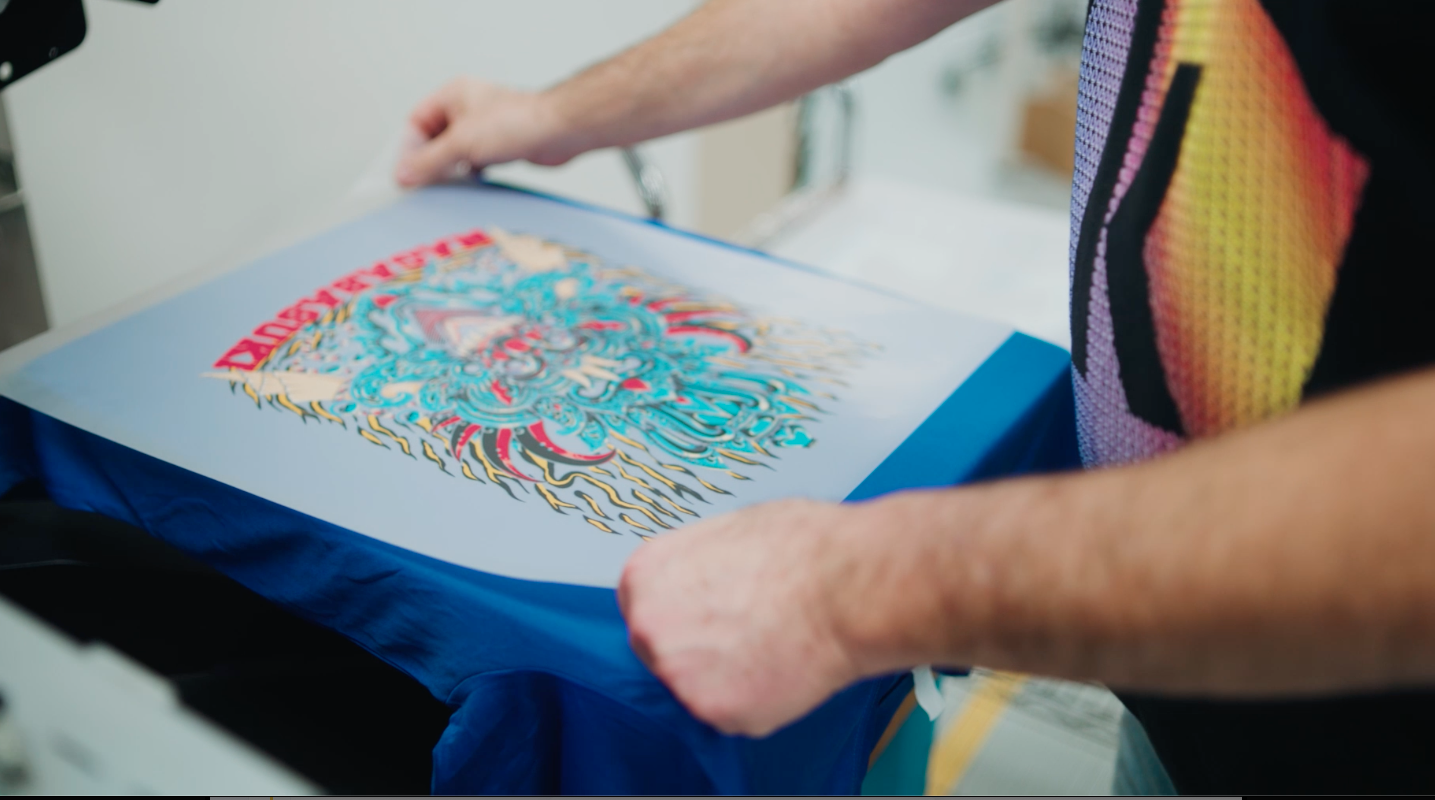
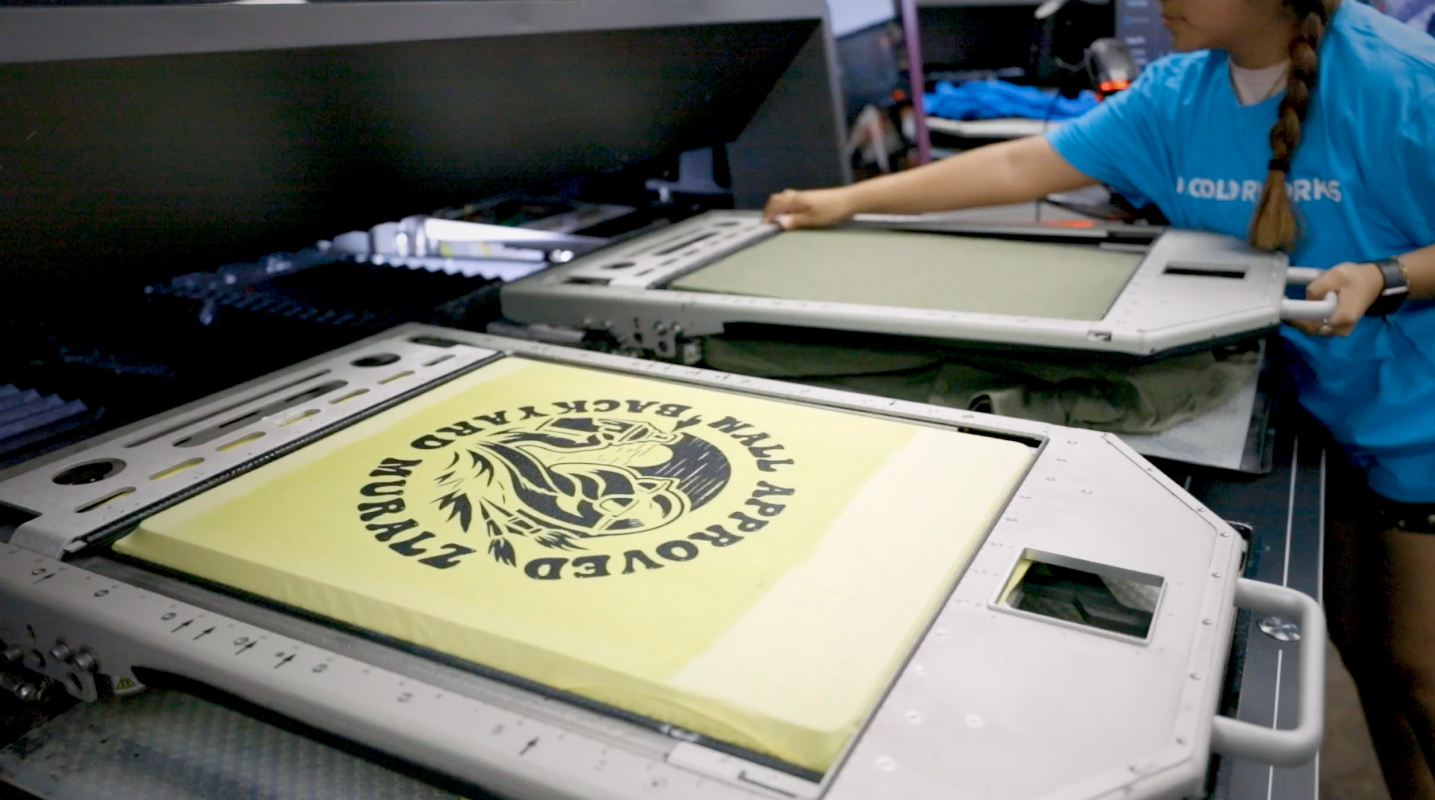
Evolving consumer tastes can be challenging to keep up with, but with POD, you can easily test new designs and iterate without the risk of being stuck with out-of-date inventory. With direct-to-garment printing, it’s possible to maximize flexibility and improve customer satisfaction tremendously.
Risk Reduction
Capital tied up in unsold stock poses a significant financial risk in traditional retail. POD mitigates this risk by only producing items that have already been paid for. This reduces the financial exposure of your business.
Scalability
Adaptability is the hallmark of successful e-commerce ventures. With POD, scaling your operation to meet the demands of a burgeoning business becomes a seamless process.
Simplified Logistics and Shipping
Since POD products are fulfilled on-demand, directly to the customer, companies don’t have as much need for warehouse space. This also optimizes your shipping process, reducing transit times and costs.
Access to Global Markets
Customizable products can now reach customers across the globe, opening up a world of opportunities for your e-commerce business.
POD vs Dropshipping in the E-commerce Industry
While similar in some respects, POD and dropshipping serve different purposes in the e-commerce ecosystem.
Dropshipping involves retail fulfillment where a store doesn’t actually keep the products it sells in stock, passing the order to a third party to fulfill.
In contrast, POD is a forerunner in the production of these goods, often offering more customization and control over the design and branding of products.
The POD model ensures that products not only reach customers efficiently but also reflect the distinct branding and image that is crucial to e-commerce success in today’s marketplace.
POD in the Textile Industry
In the textile industry, POD can accommodate diverse fabric types, including:
- Cotton
- Polyester
- Specialty blends
This adaptability makes POD an attractive option for both emerging and established designers who want to explore creative opportunities. It’s especially suitable for companies that are looking to expand their product lines with minimal environmental impact.
As the textile industry continues to evolve, POD can help businesses stand out from the crowd by promoting sustainability and driving operational efficiency.
Is POD Just for Small Businesses?
While it’s true that small businesses have traditionally enjoyed the benefits of POD due to its cost-saving and adaptive nature, large corporations are increasingly realizing that these advantages are too lucrative to ignore. Streamlining customer experiences and cutting costs are universal goals, regardless of a business’s size.
POD becomes not just an equalizer in the e-commerce landscape but a necessary evolution in the way businesses approach the digital retail realm.
POD Defined: What’s Next?
POD in e-commerce is more than a fleeting trend. It’s a fundamental shift in production and engagement. By choosing to incorporate POD into your e-commerce strategy, you’re not just optimizing your operations. You are aligning your business with a model that’s inherently customer-focused and future-proof.
If you’re yet to explore the POD meaning, there’s no better time than now to start. It could easily be the catalyst for the next stage of growth and success in your e-commerce venture.