Print on Demand Services vs Inventory: What’s Best for You?

If you’re planning to sell custom products online, one big question comes up fast: Should you hold inventory or print only when someone places an order?
The answer can shape how you manage risk, scale your brand, and turn a profit. Let’s look at the two most common models, traditional inventory and print on demand (POD), and help you figure out which one fits your business best.
But is it worth the investment, or can traditional inventory work too? Let’s take a closer look.
Key Takeaways
- Print on demand allows you to sell products without holding inventory.
- Traditional inventory gives you more control but requires a higher upfront investment.
- POD is great for small businesses and large companies that test new ideas.
- KornitX offers solutions that help enhance the POD process.
What Are Print on Demand Services?
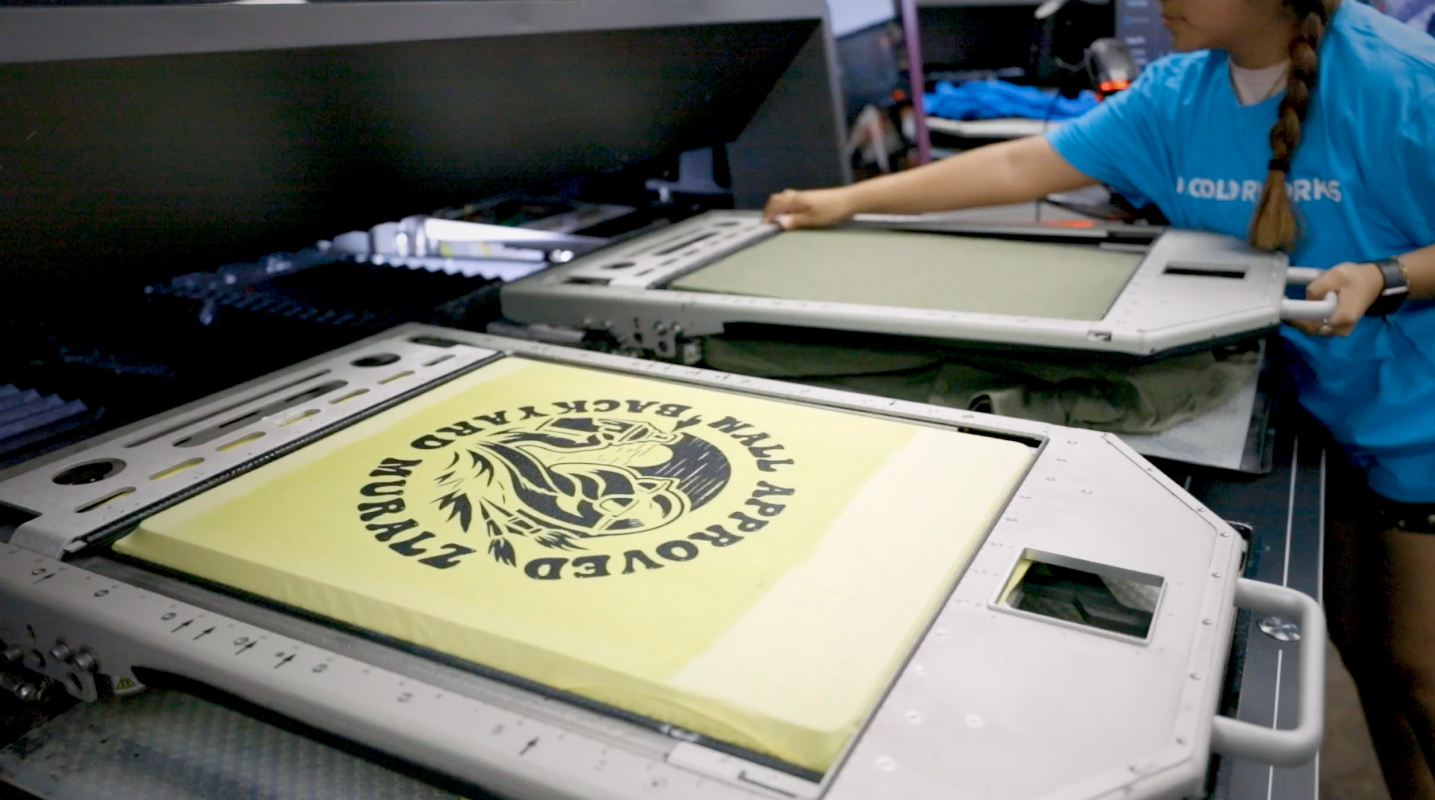
Print on demand is a business model where you only produce items after a customer places an order.
- No storage or excess inventory – You don’t need to buy or store products in advance, reducing overhead.
- Flexible and low-risk scaling – Launch more designs or test new ideas without worrying about leftover stock.
- Longer fulfillment times (but improving) – Because production happens post-purchase, shipping may take a bit longer—though smart tech solutions help close the gap.
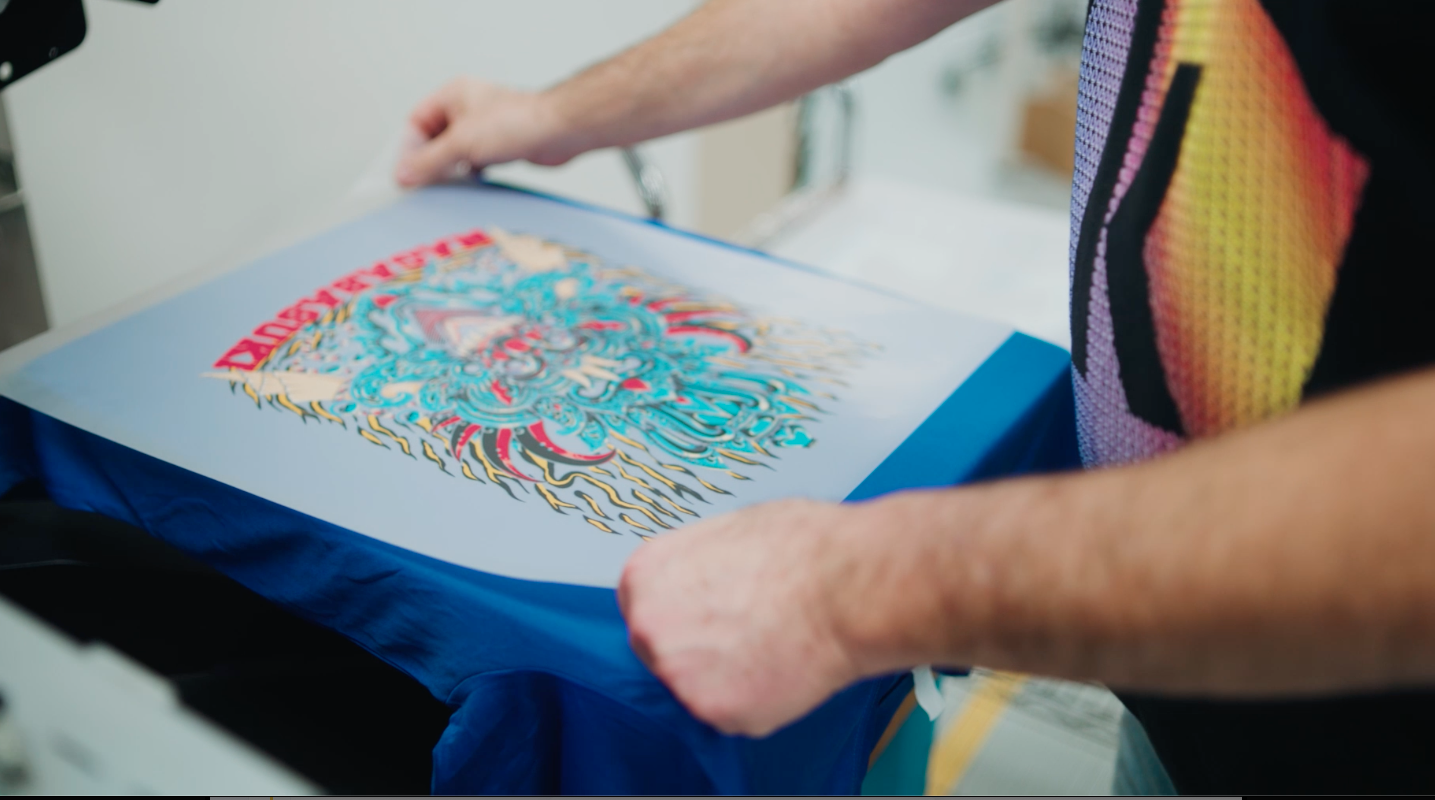
For example, if you run an online store selling custom T-shirts, you don’t print anything ahead of time. When someone buys a shirt, the POD provider prints it and arranges shipping directly to the customer.
What is Traditional Inventory?
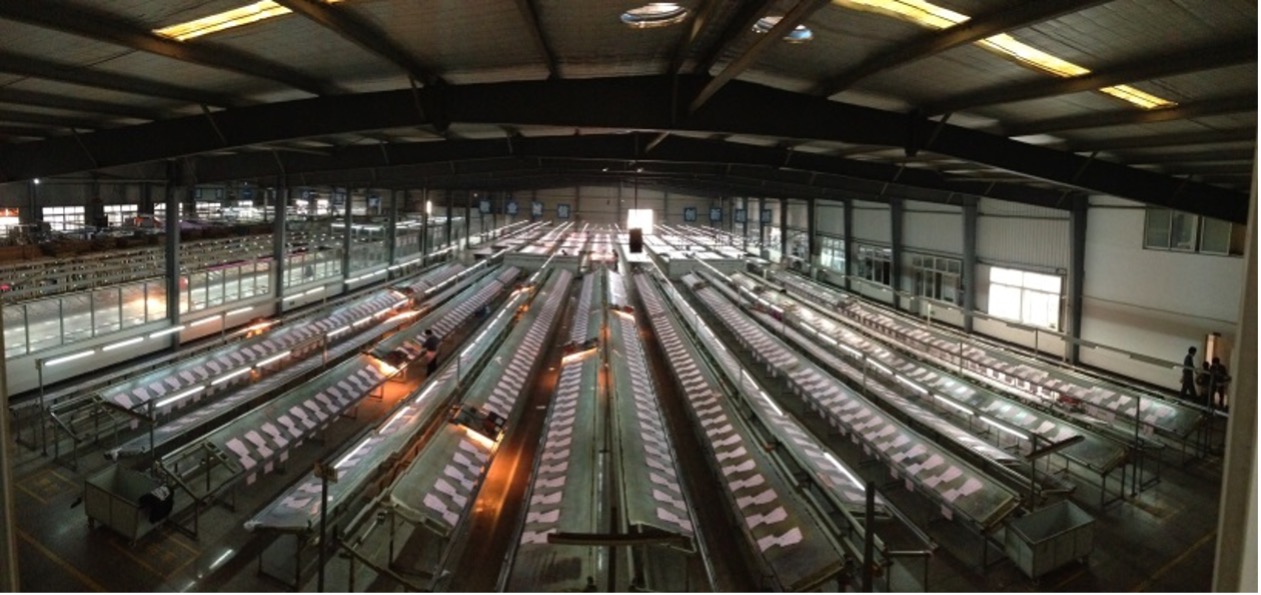
Traditional inventory involves buying (or manufacturing) products in bulk ahead of time and storing them before selling.
- Full control over packaging and shipping – You manage how items are packed, shipped, and delivered, which can enhance your brand experience.
- Higher margins (but higher risks) – Bulk orders reduce unit cost, but unsold inventory ties up cash and storage space.
- Upfront investment required – You’ll need capital to buy stock and handle logistics, even before you start selling.
This approach works well for established brands that can predict demand and have the space for effective inventory management.
Print on Demand Services vs Traditional Inventory: Comparison
While both models can work well for their respective users, one can often bring much better results. Here is how they differ:
Process
POD is simple and streamlined. You upload your design to a platform, set your price, and when a customer buys something, the print on demand service provider handles the printing and shipping. Traditional inventory involves many more steps, such as:
- Finding suppliers
- Placing orders
- Handling storage
- Arranging shipments
Overall, the traditional inventory approach requires a much more complicated process than the POD model.
Costs
With POD, there’s little to no upfront investment. You only pay for what you sell. Traditional inventory requires buying in bulk, which can be expensive. You also have to factor in storage and related labor as well as the potential unsold stock.
Time
POD can take a bit longer to deliver because items are made to order. But you save time on setup and fulfillment. Traditional inventory can be faster to ship since products are already ready to go.
Scalability
POD scales easily. You can launch new products quickly without extra cost. With the assistance of KornitX companies can mix cutting-edge automation with seamless integration and scale as needed.
Traditional inventory is harder to scale because every new product means more stock and space. Accordingly, it comes with higher risks.
What is Best for Your Business?
There’s no one-size-fits-all model. But here’s how to think about it:
Want to test new designs or start lean? → Go with POD.
Confident in demand and want full control? → Inventory might work.
Prioritizing speed and customer experience? → It depends on which tech partner you choose.
Business Needs
If you’re testing ideas or selling custom items, POD is a great fit. It’s flexible and low-risk. Traditional inventory is better if you need tight control over your product or if you sell high volumes regularly.
Budget Questions
Don’t have much capital to start? Go with POD. If you have the money to invest and can predict demand, inventory might be more profitable in the long run.
Plans for Expansion
Thinking of growing fast or trying lots of new products? POD lets you experiment easily. Inventory can slow you down if you’re stuck with products that don’t sell.
Risk Assessment
POD lowers your risk. You don’t have to worry about leftover stock or warehousing costs. Inventory gives higher margins but comes with higher risk.
From POD to Pro: How Kornit Helps You Scale
Print on demand can be a smart starting point but it’s also a method that helps many brands scale fast. The challenge? Managing it all: orders, artwork, fulfillment, customer experience.
That’s where KornitX steps in. It’s a complete platform designed to simplify and automate print on demand from storefront to doorstep.
Here’s what sets KornitX apart:
- Smart product management tools → So you can launch new SKUs quickly
- Live customization experiences → To deliver personalized products without delays
- Automatic artwork generation → So artwork is created instantly and accurately, reducing manual work
- Advanced order routing → So orders go to the fastest or most efficient fulfillment partner
- Seamless factory workflow and shipping integrations → To connect every part of your production and delivery process, ensuring smooth operations and faster shipping
Curious how KornitX can support your POD business? Let’s explore how we can help you simplify operations and scale smarter.
FAQs about Print on Demand Services
Is print-on-demand worth it in 2025?
Absolutely. With platforms like KornitX offering full automation and global reach, print-on-demand is a smart choice for companies that need speed and efficiency.
What is the best print-on-demand service?
It depends on your needs. If you need a full-service platform, consider Kornit. It works with some of the best print on demand companies in the market.
Is print-on-demand profitable?
It can be! While profit margins may be lower than bulk inventory, the reduced risk and flexibility make it a strong option, especially when paired with the right platform.