Print on Demand vs Dropshipping: What Should You Choose?

If you’re launching an online business or looking to scale one, you’ve probably considered dropshipping or, maybe, print on demand. Both models let you sell without managing inventory, but they offer wildly different experiences.
So, which is right for you? That depends on how you want to grow, what you want to sell, and how much control you’re looking for.
To make an educated decision without breaking the bank, you need to understand the obvious (and not-so-obvious) pros and cons of each approach.
Key Takeaways
- POD lets you sell custom products without holding inventory.
- Dropshipping offers more product variety but less control.
- POD can have higher profit margins with branded products.
- KornitX makes print on demand faster and easier.
Understanding Print-on-Demand (POD)
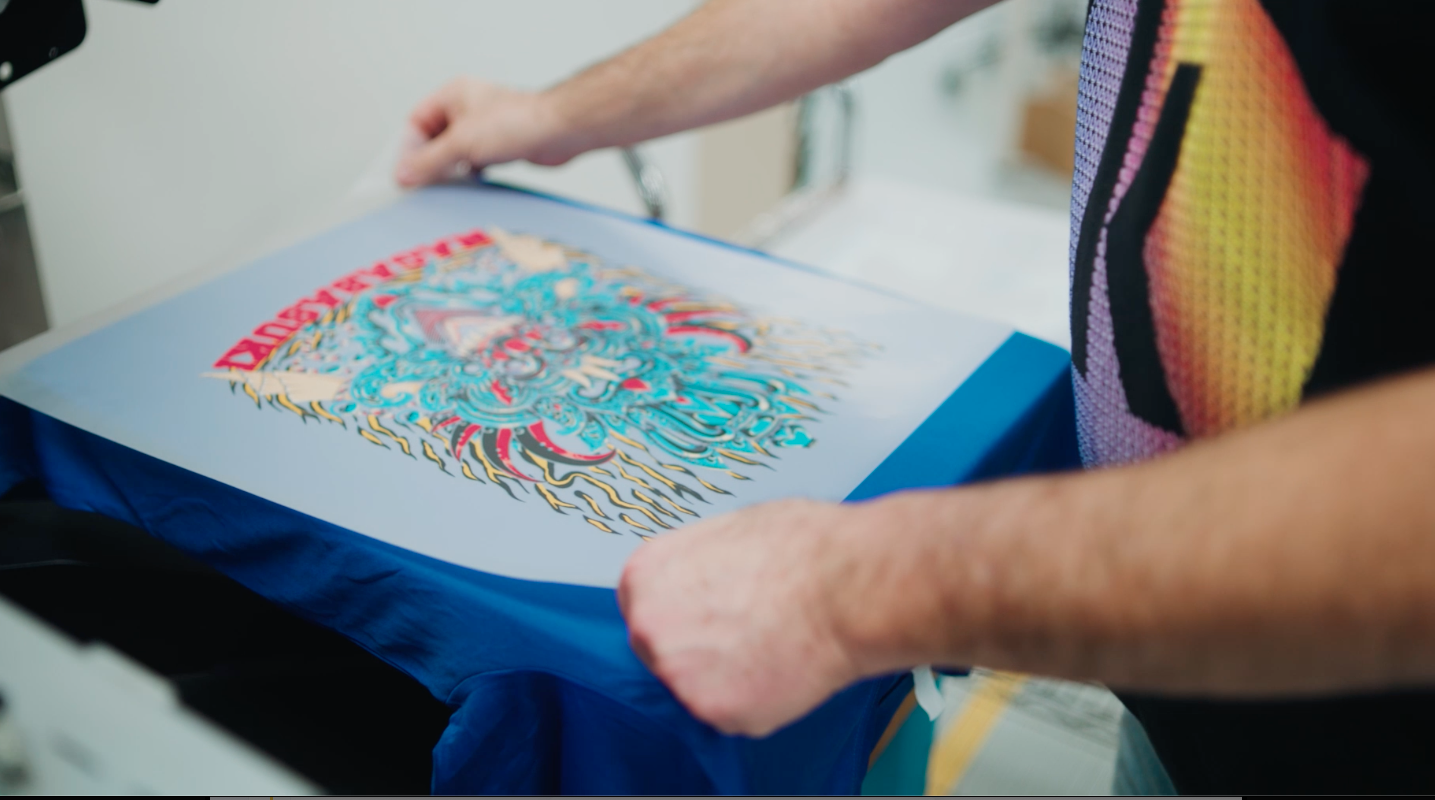
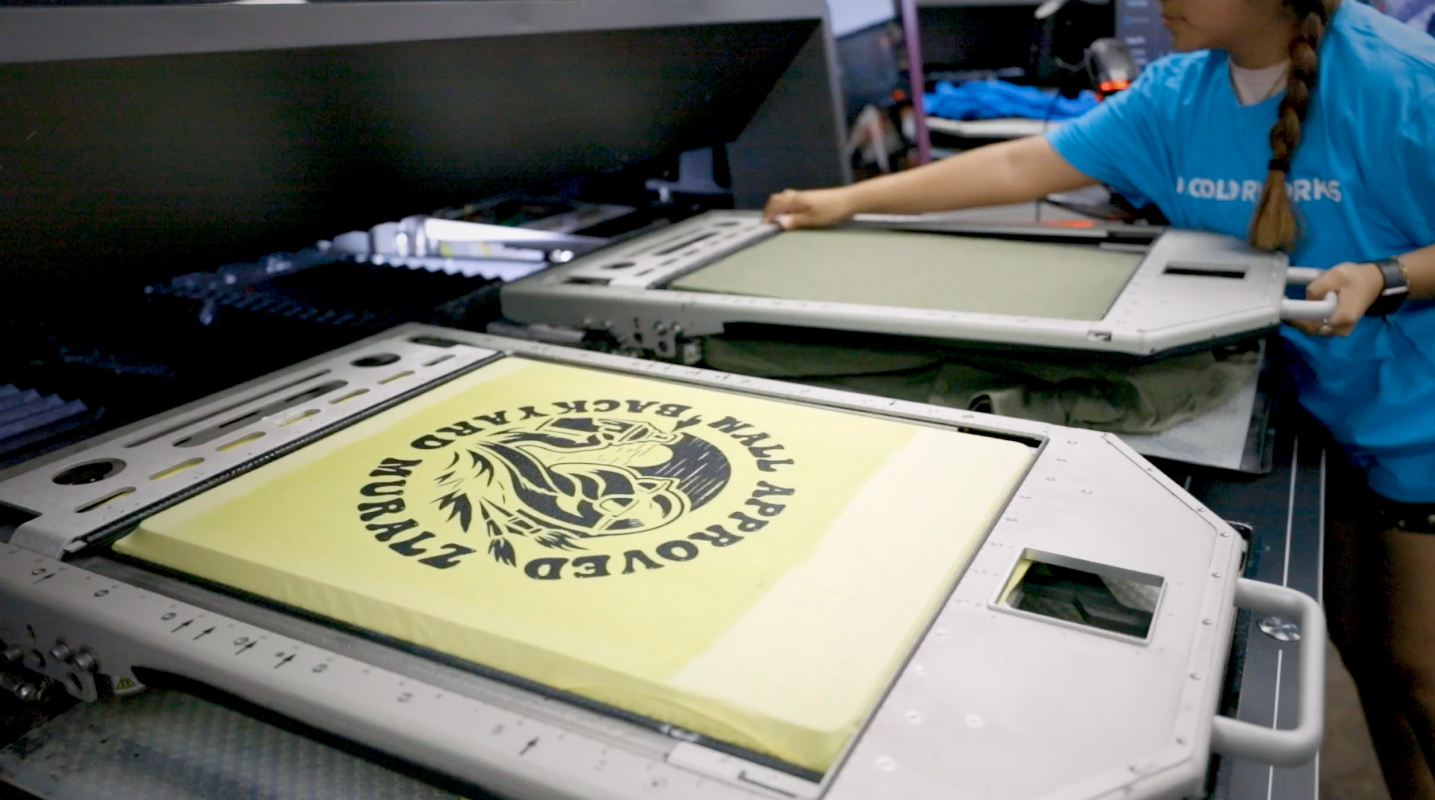
Print on demand is a way to sell products like T-shirts, mugs, or posters without printing the design on them in advance. You design the product, list it on your store, and when an order comes in, a print partner makes. They also handle the shipping.
Benefits of POD:
- Low startup costs: No need to buy products upfront.
- No inventory: Everything is made when ordered.
- Customizable: Great for unique designs and personal branding.
Challenges of POD:
These challenges used to slow POD growth, but modern solutions are changing the game.
- Longer fulfillment times: Each item is made after the order is placed.
- Limited control: You rely on printing partners for quality and delivery.
Platforms like KornitX help overcome these challenges by improving speed, consistency, and automation.
Exploring Dropshipping
Dropshipping is the process of selling products from a supplier’s catalog. You don’t make or stock anything. Instead, you forward the order to a supplier, and they ship it to your customer.
Advantages:
- Huge product selection: Sell everything from electronics to home goods.
- No inventory costs: Like with POD, you don’t hold stock.
- Low barrier to entry: Easy to start with little money.
Drawbacks:
- No customization: You sell the same items as everyone else.
- Quality risks: Products might not meet your standards.
- Shipping issues: Delays or poor packaging hurt your brand.
While dropshipping is flexible, it makes it harder to stand out from the crowd. If you need a unique identity, this is not the way to go.
Comparative Analysis: Print on Demand vs. Dropshipping
Print on demand and dropshipping models can be similar. However, at their core, these are two completely different approaches to selling your products.
Product Customization
POD allows you to create one-of-a-kind designs. It’s perfect for artists, influencers, and brands who want something different. Dropshipping offers mass-produced goods with no personalization.
Profit Margins
POD items cost more to make. However, their uniqueness lets you charge higher prices. Dropshipping is usually cheaper per item but requires competitive pricing. This usually leads to lower profits.
Inventory and Fulfillment
Both models avoid inventory storage. POD fulfillment can be slower because items are made on demand. Dropshipping depends on the supplier’s shipping times, which can vary greatly.
Risk and Scalability
Both models are low-risk and easy to scale. POD lets you scale creatively adding new designs or collections without upfront risk. Dropshipping can scale fast, too, but only if your supplier can keep up with quality and demand.
| Feature | Print on Demand (POD) | Dropshipping |
|---|---|---|
| Inventory Management | No inventory; made after order | No inventory; fulfilled from supplier stock |
| Product Customization | Fully customizable with original designs | No customization; mass-produced goods |
| Startup Costs | Low | Low |
| Profit Margins | Higher (due to branding) | Lower (due to competition) |
| Fulfillment Speed | Slower (made-to-order) | Faster (pre-made products) |
| Brand Identity | Strong – branded products | Weak – generic products |
| Scalability | Easy to scale creatively | Easy to scale quickly (if supplier supports it) |
How to Get Print on Demand to Actually Work at Scale
Scaling a print-on-demand business sounds easy—until you run into missed deadlines, inconsistent quality, or limited reach. That’s where KornitX comes in.
It’s not just a print solution; it’s a connected ecosystem that automates the backend, so your brand can focus on what matters: growth, speed, and delivering great customer experiences.
Introducing KornitX: a complete platform built for the on-demand world. It’s not just a printing solution. It’s an ecosystem that connects your store to a global network of fulfillment partners.
Here’s what KornitX brings to the table:
- Product Management: Easily create, update, and manage product data using a cloud-based system.
- Custom eCommerce Experiences: Customers can preview and customize products in real-time..
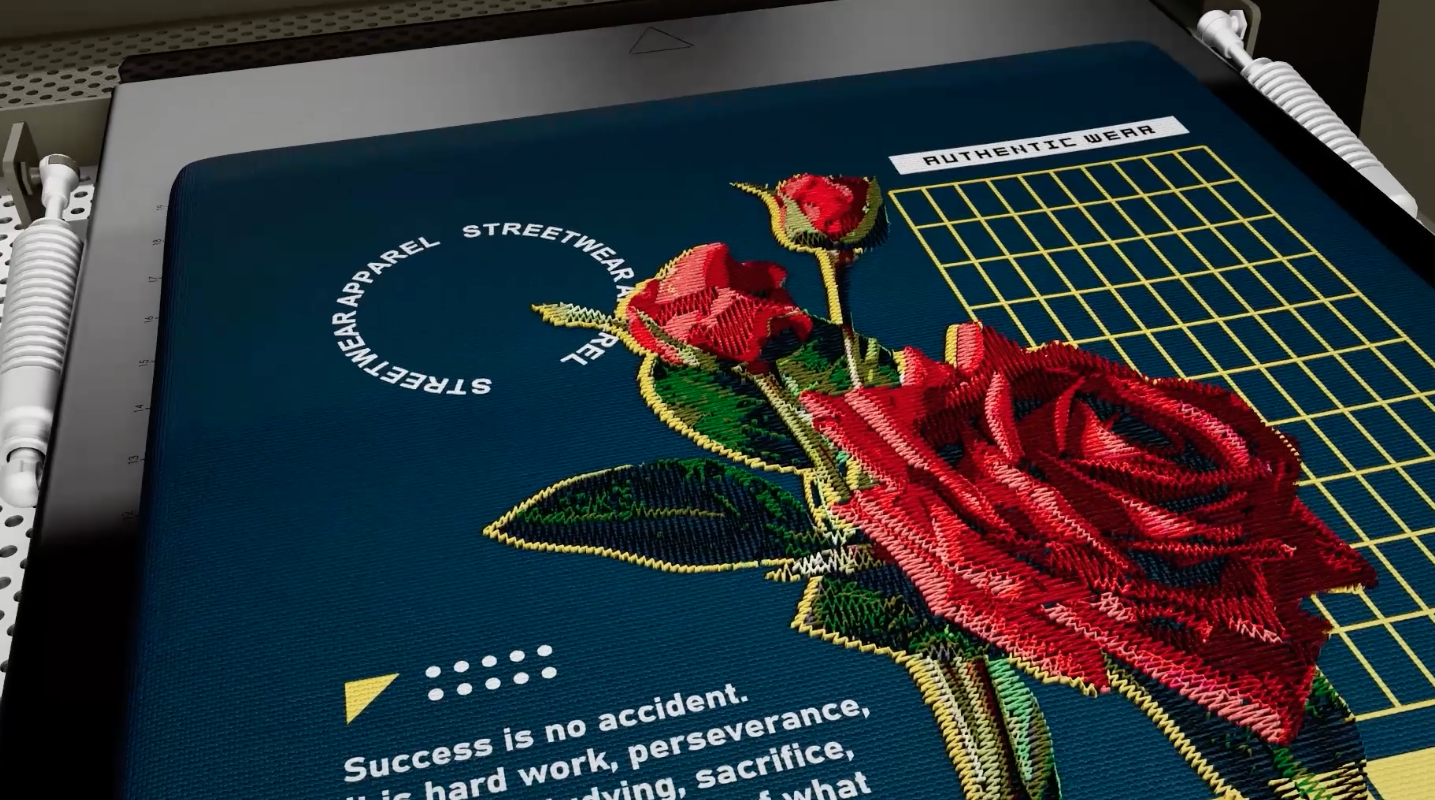
- Automatic Artwork Generation: Saves hours by generating print-ready files based on customer choices.
- Order Routing: Connects to the best print on demand companies worldwide.
- Factory Workflow & Fulfillment: Barcode-based systems improve speed and reduce errors on the shop floor.
- Shipping & Integration: Built-in carrier integrations help find the best shipping rates and deliver tracking updates.
These features make KornitX a strong choice for businesses leaning toward print on demand.
Choosing Print on Demand or Dropshipping with Kornit
So, which one is right for you?
If your priority is product variety and low effort, dropshipping is an easy place to start.
But if you care about brand identity, better margins, and long-term value, print on demand gives you the edge.
And with KornitX, that edge comes without the usual headaches. You get global fulfillment, automation, and quality control all built for serious growth.
FAQs about Print on Demand vs Dropshipping
Is print-on-demand more profitable?
It can be. Since POD products are often unique or branded, you can charge more. Even though production costs are higher, the profit margin can be better if you sell smart.
Can you dropship print-on-demand?
Yes! Print-on-demand is a form of dropshipping. The main difference is that products are made after each order, often with your own design.
What is more profitable than dropshipping?
Selling your own branded or custom products can be more profitable than playing the middleman. Standing out and building customer loyalty leads to higher sales and better margins.
Want to see how KornitX can help you launch or scale your POD business? Learn more.