What is DTG Printing: Comprehensive Guide for 2026

Updated March 2026
Direct-to-garment (DTG) printing is a transformative technology for creating high-quality, custom apparel. Kornit Digital is the B2B DTG industry leader with a wide range of advanced technologies that streamline direct-to-garment printing and drive businesses forward.
In this guide, we explore the principles, applications, and benefits of DTG printing in 2025.
What is DTG Printing?
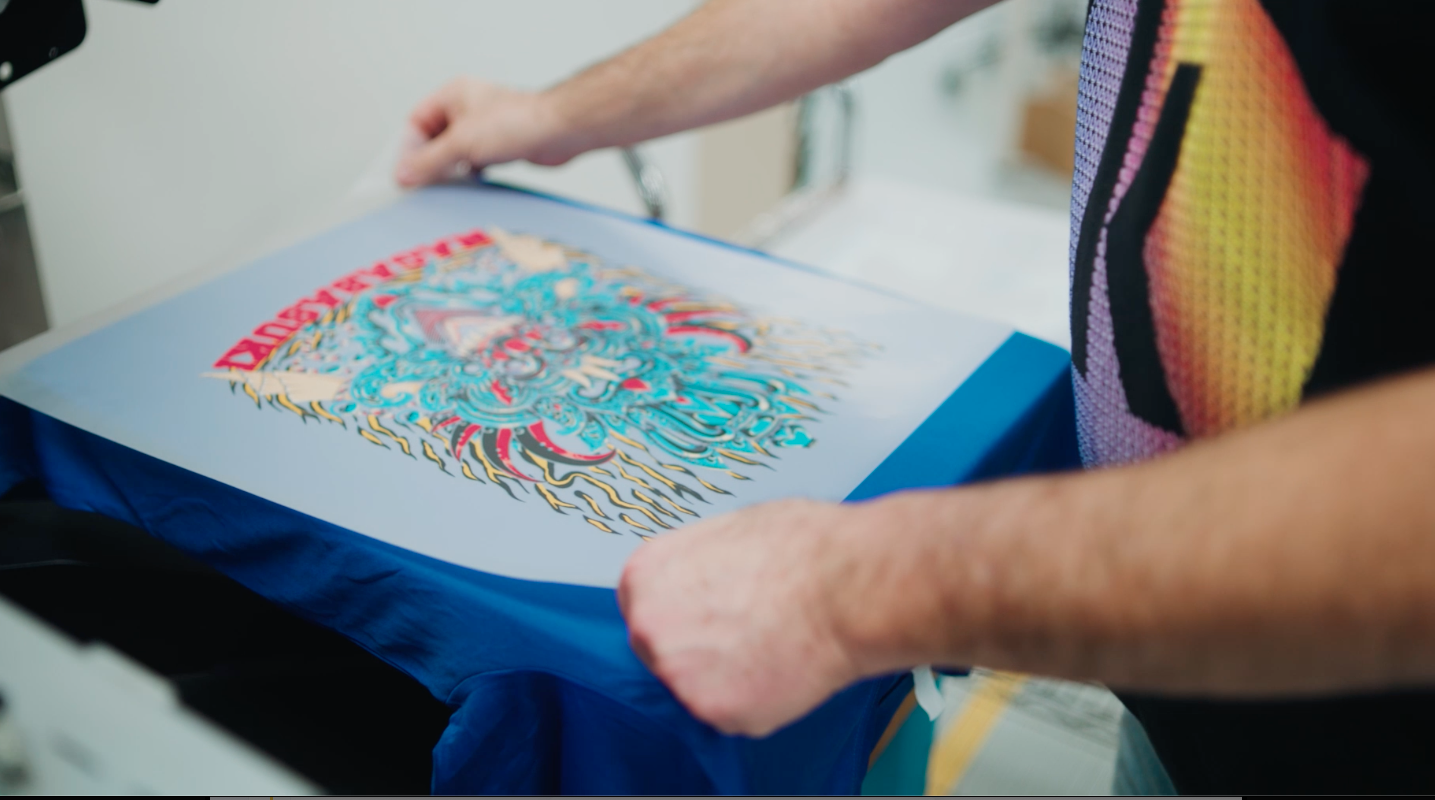
Direct-to-garment printing involves applying ink directly onto textiles using a specialized inkjet printer. Unlike traditional methods, DTG allows for high-resolution, full-color designs to be printed directly onto fabric.
Over the past few years, this technology has revolutionized the custom apparel industry because it has managed to provide an efficient and sustainable solution for printing on various textiles.
History of DTG Printing
DTG printing has come a long way since its inception in the early 2000s. Initially, the technology faced challenges such as slow printing speeds and limited color capabilities. However, with continuous advancements, DTG printers now deliver exceptional speed and vibrant color options.
Today, DTG printing as a whole, and Kornit’s DTG printers in particular, is a go-to solution for businesses looking to offer custom apparel with quick turnaround times and minimal setup costs.
Benefits of DTG Printing
As technologies evolve, the benefits of DTG Printing become more and more obvious. In 2026, the key advantages of this printing tech are:
High-Quality Prints with Vibrant Colors
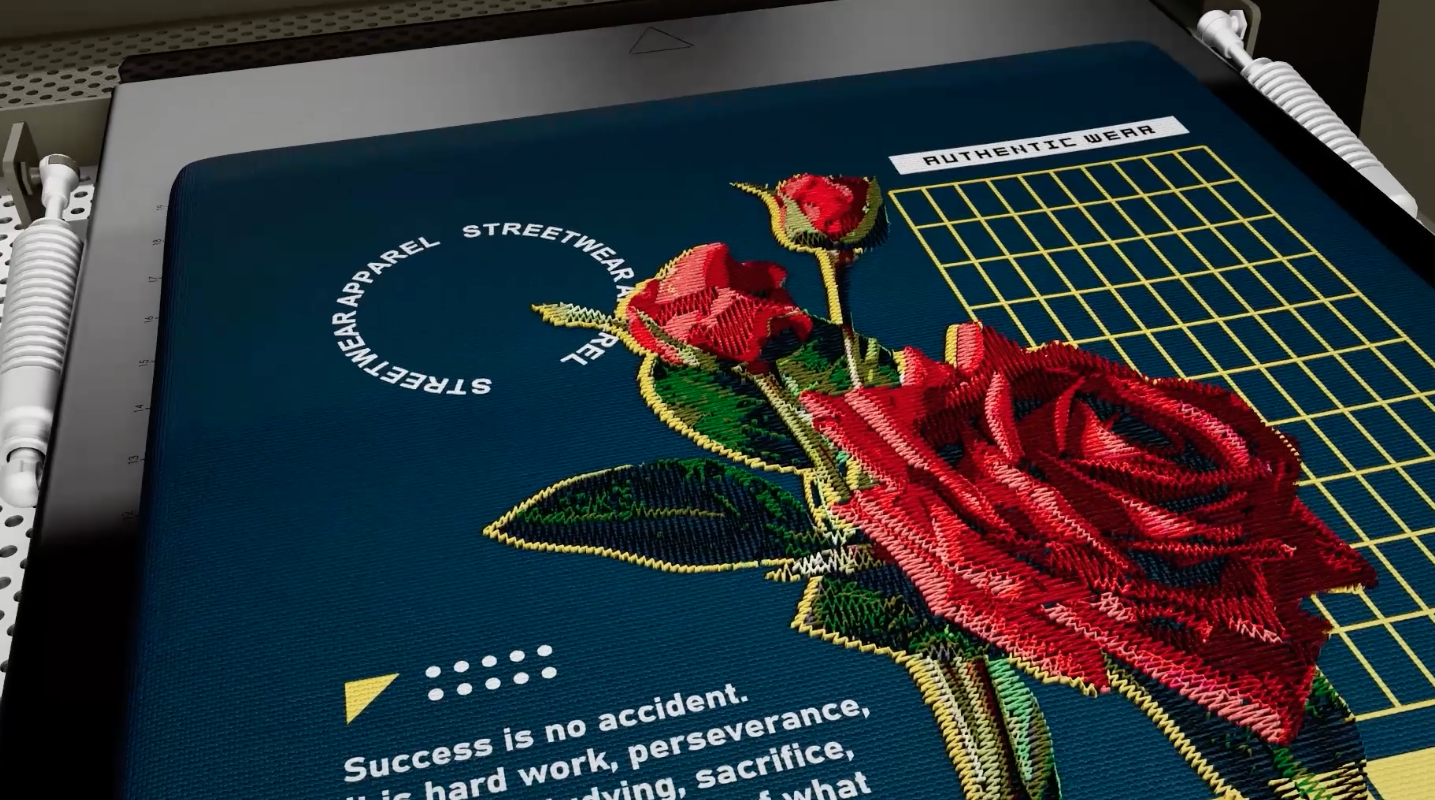
One of the standout features of DTG printing is the ability to produce high-quality prints with vibrant colors. The technology uses water-based inks that penetrate the fibers of the fabric, resulting in detailed and long-lasting prints. This makes DTG an excellent choice for designs that require intricate details and a wide color spectrum.
Cost-Effective for Small Batch Orders
DTG printing is particularly cost-effective for small-batch orders. Unlike screen printing, which requires the creation of screens for each color in an image, DTG can print directly from a digital file.
This eliminates the need for costly setup fees, making it an ideal option for businesses looking to fulfill small orders or offer personalized products without breaking the bank.
Quick Setup and Faster Turnaround Times
Speed is another significant advantage of DTG printing. Since there is no need for screens or extensive setup. With high-quality printing equipment, businesses can start printing almost immediately.
This quick setup translates to faster turnaround times, allowing companies to meet tight deadlines.
Versatility in Printing on Various Textiles
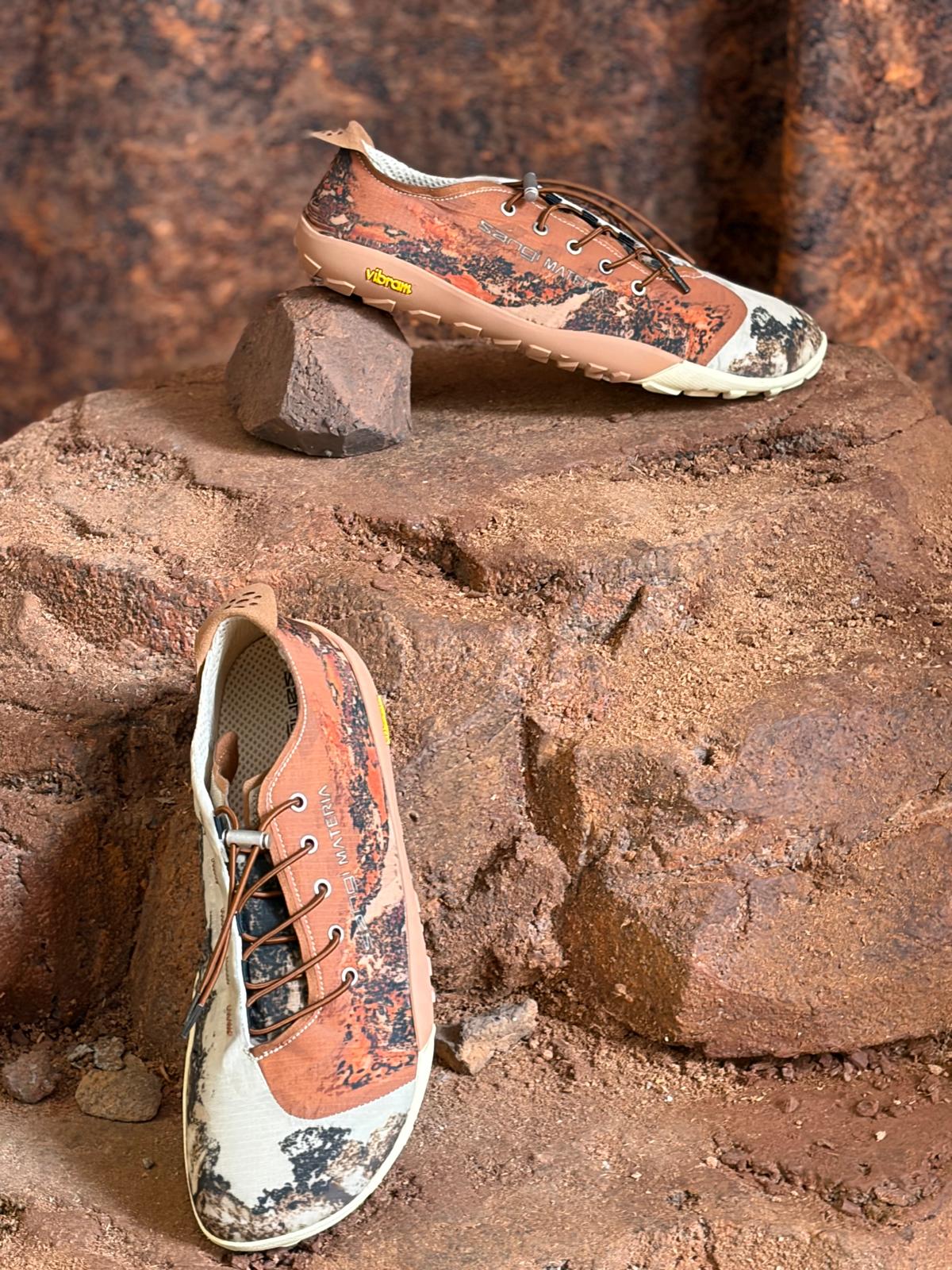
DTG technology is highly versatile and capable of printing on a wide range of textiles. From cotton and polyester to blends and specialty fabrics, DTG printers can handle it all. This versatility opens up numerous possibilities for businesses to diversify their product offerings and cater to different customer needs.
Eco-Friendly Process with Minimal Waste
Sustainable texture printing is a growing focus in the printing industry. DTG prints address this by being an eco-friendly option. The water-based inks used in DTG are non-toxic and safe for the environment. At the same time, the process generates minimal waste compared to traditional printing methods.
Digital printing sustainability is what makes it one of the top choices for companies that prefer demonstrating a responsible approach to leaving a carbon footprint.
How Does DTG Printing Work?
Direct-to-garment printing is a complex process that involves several steps. The success of each of them is defined by the quality of the DTG equipment.
Design and Pretreatment
The DTG printing process begins with preparing the design. Once the digital file is ready, the fabric is pretreated with a special solution to ensure the ink adheres properly.
Printing
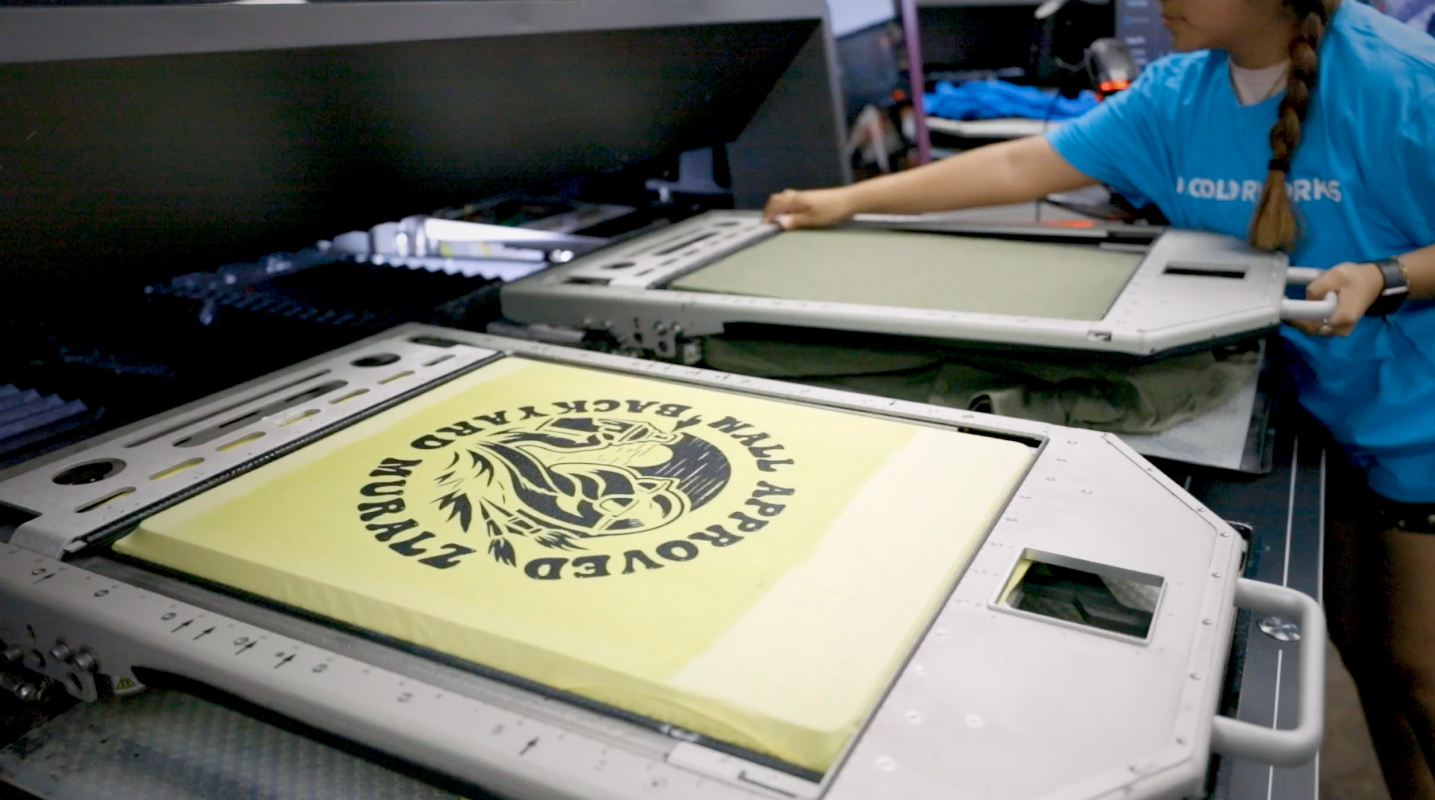
After pretreatment, the fabric is loaded into the DTG printer. The printer applies the ink directly onto the fabric in a precise and controlled manner. The result is a high-resolution print that captures every detail of the design.
Curing
The final step in the DTG printing process is curing. The printed fabric is subjected to heat to set the ink and ensure durability. This step enhances the washability and longevity of the print.
DTG vs. Screen Printing
When comparing DTG to screen printing, several differences stand out. Screen printing is ideal for large batch orders with simple designs and limited colors. Since it requires creating individual screens for each color, this method is labor-intensive for small orders.
In contrast, DTG printing is perfect for intricate, full-color designs and small-batch orders. With the best DTG printers, you can achieve faster turnaround times and lower setup costs.
Direct to Garment vs. Direct-to-Film (DTF)
DTG and Direct-to-Film (DTF) are both innovative printing methods, but they serve different purposes. DTG is ideal for printing directly onto garments, while DTF involves printing onto a film that is then transferred to the fabric. Each method has certain advantages, and the choice depends on the specific needs of the business.
Direct to Garment vs. Dye Sublimation Printing
Digital dye sublimation printing is another popular printing method, which works well for synthetic fabrics like polyester.
While it excels in producing vibrant and durable prints, dye sublimation is limited to light-colored fabrics and requires specialized equipment. DTG, on the other hand, offers more versatility in terms of fabric selection and design complexity.
Tips for Getting Started with DTG Printing
Starting with DTG printing doesn’t have to be complicated. With the right understanding of the target market and a smart approach to choosing your equipment, you can get started within days.
- Understand Your Market: Identify your target audience and tailor your product offerings to meet their specific needs.
- Invest in a Quality DTG Printer: Choose a reliable DTG printer from a reputable manufacturer to ensure high-quality prints and consistent performance
- Experiment with Designs: Take advantage of the versatility of DTG printing by experimenting with different designs and textiles to find what works best for your business.
If you aren’t ready to invest in DTG equipment yet, you can take advantage of the KornitX Fulfillment Network. With it, you can enjoy all the benefits of DTG printing without making an upfront investment in the technology. As your business grows, you can move away from the network and get started with your own equipment.
Is DTG Printing the Right Choice for Your Business?
Deciding whether DTG printing is the right choice for your business depends on various factors. If you prioritize high-quality, full-color prints, quick turnaround times, and the ability to fulfill small-batch orders, DTG printing is an excellent option.
Meanwhile, this printing method works perfectly if sustainability and eco-friendliness are a concern for your business image.
Frequently Asked Questions about DTG Printing
What is meant by DTG?
DTG stands for Direct-to-Garment printing, a process that involves directly applying ink onto textiles using a specialized inkjet printer. This method allows for high-resolution, full-color prints on various fabrics.
How long do DTG prints last?
DTG prints are known for their durability and longevity. When properly cared for, they can last as long as the garment itself, maintaining their vibrant colors and intricate details through multiple washes.
Is DTG printing profitable?
Yes, DTG printing can be highly profitable, especially for businesses focusing on custom apparel and small-batch orders. The low setup costs and quick turnaround times make it an attractive option for various printing needs.