DTG Printing vs Screen Printing: Key Differences
Updated August 2026
When it comes to creating high-quality custom apparel, the right printing method is the most important building block. It impacts quality, affects production efficiency, and has an influence on the company’s environmental footprint.
DTG (direct to garment) printing and screen printing are among the most widely used apparel decoration technologies. Understanding the differences between them can help businesses make better decisions about print quality, production volume, customization, turnaround times, and technology investments.
As the leading DTG printing company, Kornit Digital can easily explain everything that surrounds DTG vs screen printing.
Key Takeaways
- DTG produces intricate, full-color designs with minimal setup (ideal for custom apparel, on demand production)
- Screen printing remains highly effective for long, repetitive production runs, particularly when the same artwork is printed at scale.
- Modern industrial DTG technology can support much higher production volumes while maintaining flexibility and fast job changes.
- Both methods have the potential to produce durable, high-quality prints
- DTG can help reduce setup waste and excess inventory
What Is DTG Printing?
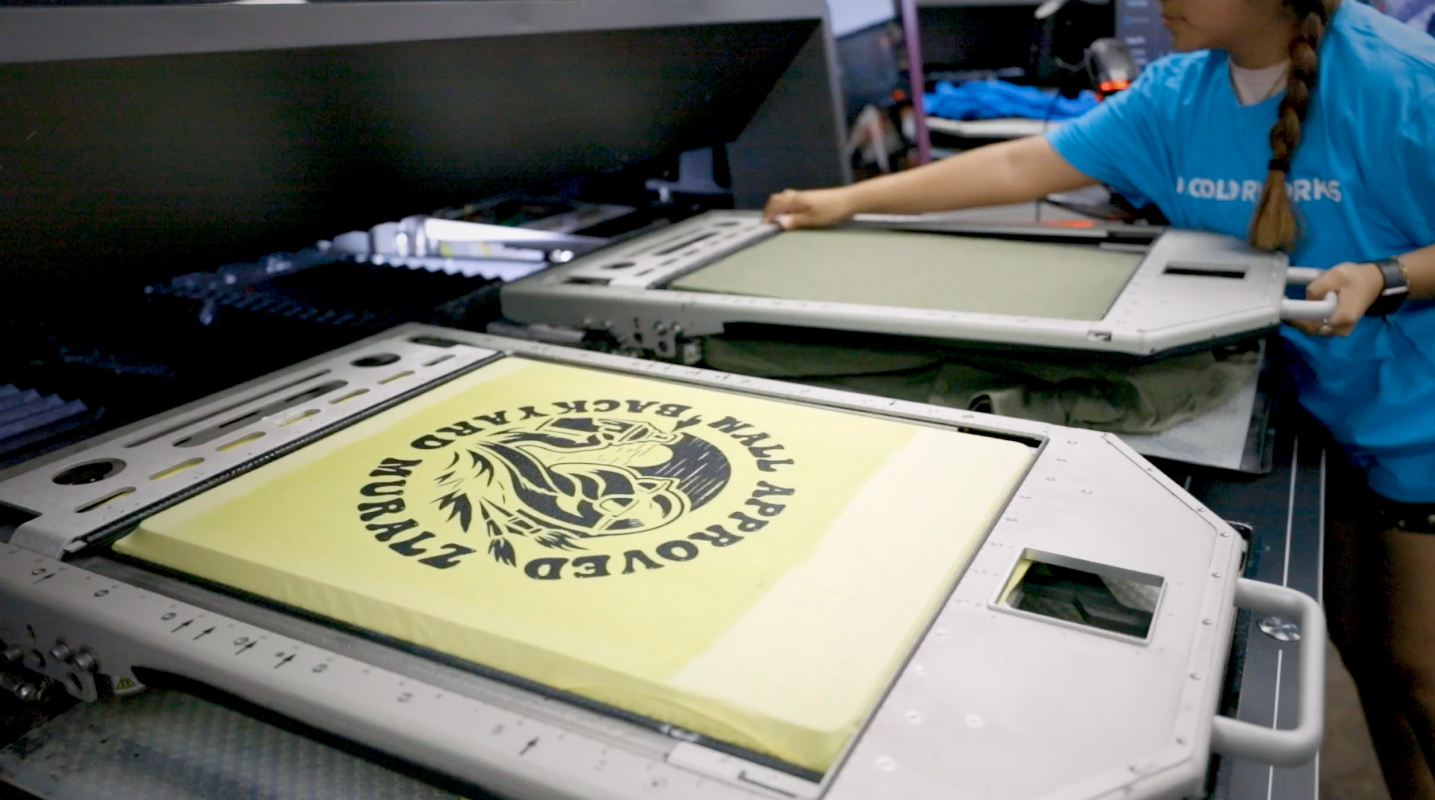
DTG printing is a modern method that involves printing digital designs directly onto fabric using specialized inkjet technology. Unlike traditional methods, DTG allows you to achieve intricate designs, full-color prints, and a smooth finish.
Pros of DTG Printing
- High Detail and Color Accuracy: DTG printing excels in producing highly detailed designs with vibrant colors, which is ideal for complex artwork.
- No Minimum Order: Perfect for small batches or custom one-off designs, DTG doesn’t require a minimum order quantity.
- Quick Turnaround: With no need for elaborate setup, DTG printing offers faster production times compared to screen printing.
Cons of DTG Printing
- Cost Considerations: Screen printing can offer a lower unit cost for long, repetitive runs. Meanwhile, DTG reduces screen preparation, setup, changeover, and other labor intensive production steps.
- Initial Investment: DTG printers require an upfront investment. Smaller companies can take advantage of fulfillment networks like KornitX to avoid large initial investments.
DTG printing is widely used across fashion, custom apparel, promotional products, sportswear, merchandise, and on demand production. Today, industrial DTG systems can support anything from smaller custom print operations to large-scale production environments.
What is Screen Printing?
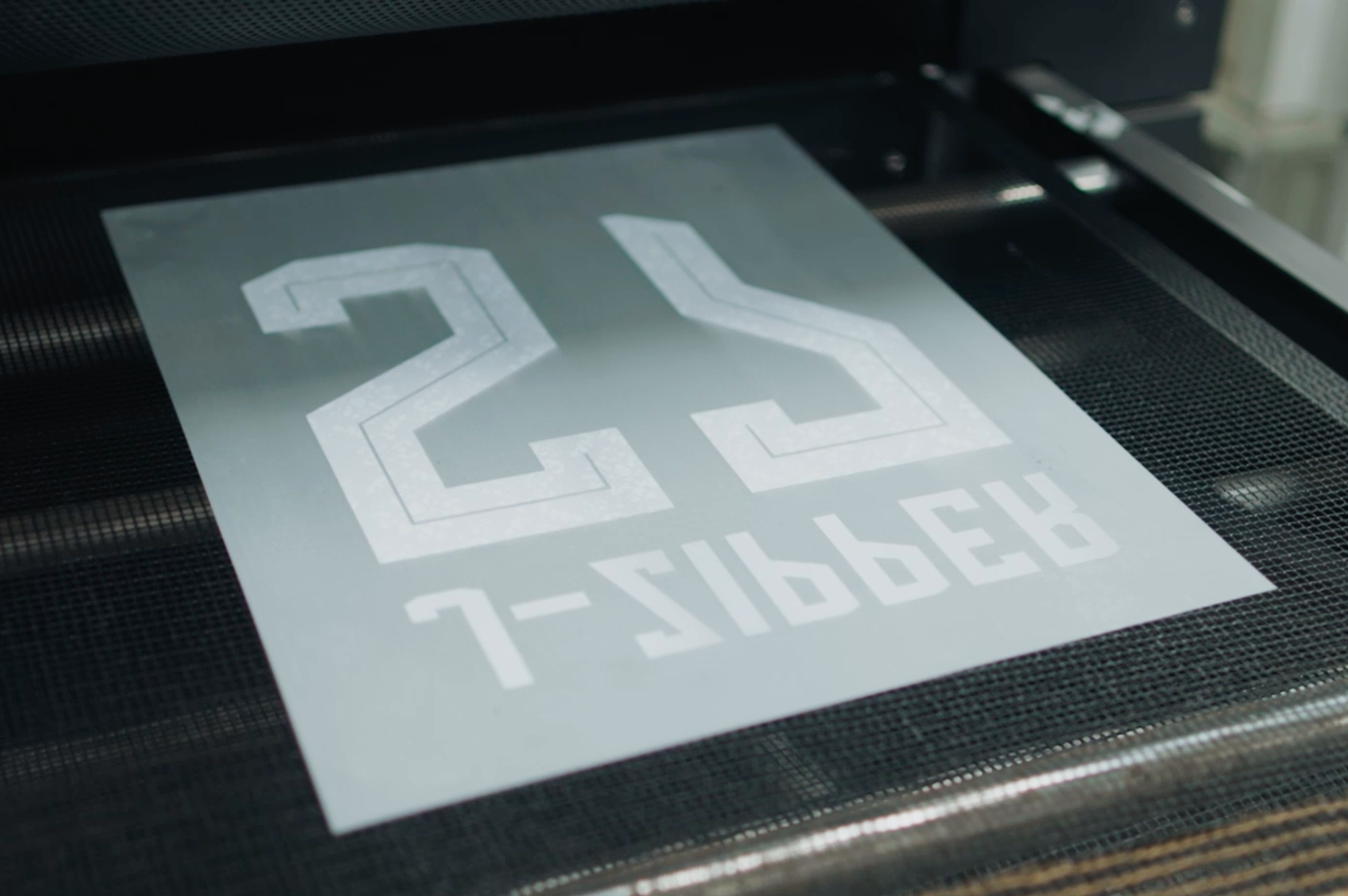
Screen printing is a time-tested technique that involves creating a stencil (or screen) and using it to apply layers of ink onto the printing surface. This method is known for its durability and versatility.
Pros of Screen Printing
- Cost-Effective for Large Orders: The more you print, the cheaper it gets per unit, which can be good for bulk orders.
- Durability: Screen printing produces long-lasting prints that withstand repeated washes and wear.
- Versatile Ink Use: Screen printing can use a wide range of inks, including specialty inks like metallic and glow-in-the-dark.
Cons of Screen Printing
- Complex Setup: The initial setup for screen printing can be time-consuming and costly due to the need for screens and stencils.
- Limited Color Range: Screen printing is less effective for designs with a wide range of colors or gradients.
- Environmental Impact: Traditional screen printing can be less eco-friendly due to the use of chemicals and water in the process.
Screen printing is popular for large orders of t-shirts, hoodies, posters, and various promotional products.
DTG vs Screen Printing: Quality
When it comes to print quality, both DTG and screen printing have their strengths. DTG is unmatched for intricate designs and photographic prints, thanks to its high-resolution capabilities. On the other hand, screen printing provides consistent, vibrant colors and can produce thicker ink layers.
Screen Printing vs DTG: Durability
Durability is often a top concern when comparing screen printing and DTG. Both technologies can produce long lasting prints when the right inks, curing processes, garments, and production conditions are used.
Modern industrial DTG has advanced significantly in this area. Kornit recently tested Atlas MAX PLUS prints through 100 washing cycles, with printed designs maintaining strong color and visual quality even as the garments themselves showed visible fading.
This means durability should no longer be viewed simply as an advantage of screen printing over DTG. Print durability depends heavily on the printing system and production process being used.
Screen Prints vs DTG Prints: Sustainability
Sustainability is becoming increasingly important for businesses and consumers alike. Traditional screen printing often involves substantial water usage and chemical waste. In contrast, DTG printing, especially with Kornit’s eco-efficient technology, offers a more sustainable alternative.
Kornit’s sustainable textile printing option minimizes waste, reduces water usage, and employs water-based ink technology.
Minimum Order Quantity: DTG or Screen?
One of the key differences between DTG and screen printing is how each technology handles changing order quantities. DTG can efficiently produce single garments, short runs, limited editions, and larger volumes without screens.
Screen printing is particularly efficient for long runs of the same artwork because the setup cost can be spread across a larger number of garments.
If you’re looking for flexibility in order sizes, consider KornitX, which offers scalable solutions for businesses of any size.
Production Time: Which One Is Faster?
Time is money, especially in the fast-paced world of apparel production. DTG printing shines in terms of speed for small to medium-sized orders due to minimal setup time. Screen printing, while efficient for large batches, requires significant preparation, which can slow down the overall process. For businesses needing quick turnarounds, DTG is often the better choice.
| Factor | DTG Printing | Screen Printing |
|---|---|---|
| Print Quality | Excellent for intricate, full-color, high-resolution designs | Vibrant solid colors; thicker ink layers but less detail in gradients |
| Durability | Highly durable with the right industrial ink, curing, and production process | Very durable, withstands many washes without fading |
| Cost Efficiency | Higher cost per unit for large runs | More cost-effective at scale; unit cost drops in bulk |
| Minimum Order | No minimum; great for one-offs and small runs | Best for larger orders due to setup time and cost |
| Production Time | Minimal setup and fast job changes, with industrial systems supporting high throughput | Slower to set up, but efficient for large batches |
| Sustainability | Eco-friendly with modern water-based inks (e.g., Kornit) | Higher water and chemical use, less sustainable |
| Best For | Custom apparel, fashion, personalization, on demand production, and mixed job environments | Promotional items, uniforms, bulk apparel production |
Which One Is Best for Your Business?
Choosing between DTG and screen printing depends on your business needs. DTG is a fantastic choice for fashion lines, custom home décor, and sportswear sectors due to its versatility.
Kornit’s advanced DTG printers are designed to meet the demands of these industries thanks to state-of-the-art technology and seamless integration. Reach out to our team to talk about possibilities today. Let’s talk!
Frequently Asked Questions about DTG and Screen Printing
Can DTG and screen printing be combined on the same garment?
Yes. Some print shops use DTG for detailed, multi-color artwork and screen printing for large solid areas on the same piece. However, this requires careful workflow planning.
Which method is better for dark fabrics?
Both DTG and screen printing can produce strong results on dark fabrics. Screen printing uses an opaque underbase for color visibility, while DTG systems can digitally apply a white underbase before printing the color layer.
How does the feel of the print differ between DTG and screen printing?
DTG prints usually feel softer and blend into the fabric because the ink is absorbed by the fibers. Screen prints sit on top of the fabric, giving a slightly thicker or raised feel.
What kind of artwork files work best for each method?
DTG works best with high-resolution digital files (e.g., PNG with transparent backgrounds) to capture detail. Screen printing is best for vector files (e.g., AI, EPS) since they separate colors cleanly for stencils.
Is DTG suitable for bulk printing?
Yes. While DTG was traditionally associated with smaller production runs, industrial DTG systems can now support much higher output volumes.
Does DTG last as long as screen printing?
Both methods can produce durable prints. Longevity depends on the ink, garment, curing process, printing system, and washing conditions. Modern industrial DTG technology has significantly improved wash durability, so screen printing should not automatically be considered the more durable option.
Read more screen printing comparisons: