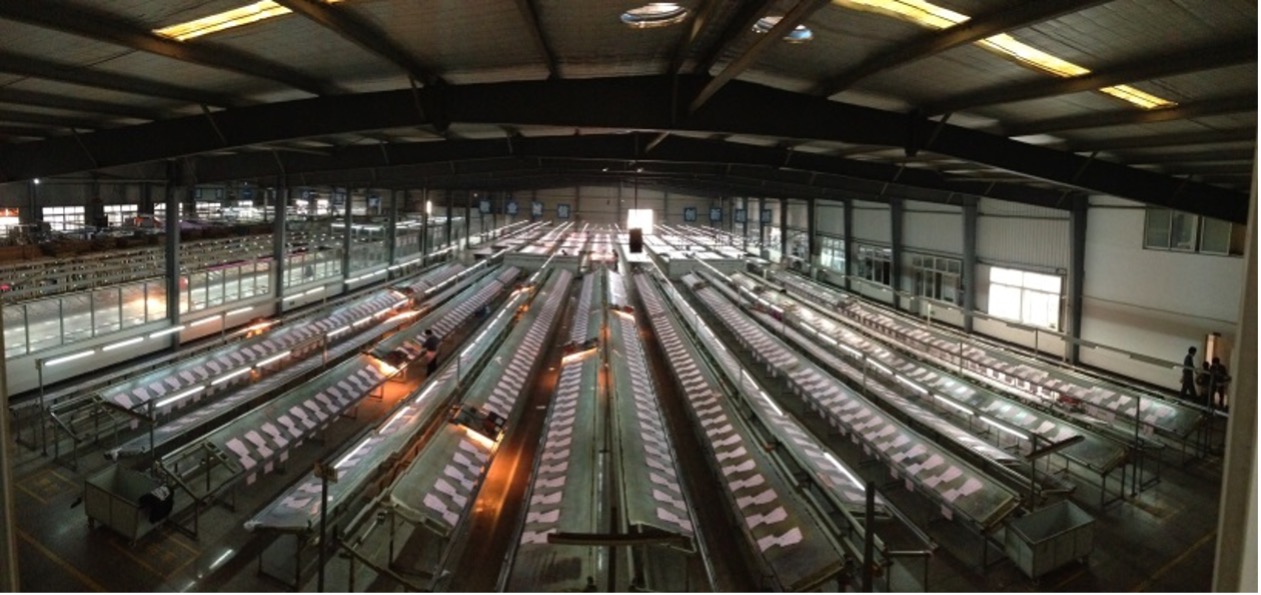
The Evolution of Mass Customization in Apparel Manufacturing

Mass customization in apparel manufacturing has quickly become a consistent success factor. It has already changed how brands, retailers, and producers think about clothing.
For decades, the apparel industry was built around a simple model:
- Design products
- Manufacture them in bulk
- Ship them to stores
- Hope demand matches the forecast.
That model still exists. But it no longer fits every part of the market.
Consumers want more choice. Brands want less waste. Retailers want faster response times. Print businesses want production models that can handle many designs without turning the factory floor into chaos.
That is where mass customization comes in.
The idea sounds simple: give customers more personalized products while still keeping the speed and efficiency of mass production.
The execution is much harder.
Key Takeaways
- Mass customization connects individual choice with scalable production.
- Apparel brands are moving from forecast-led production to more demand-driven models.
- Technology is the real enabler, from design tools and body data to workflow software and digital printing.
- The biggest challenge is not offering customization, but managing it at a production scale.
What Is Mass Customization in Apparel?
Mass customization means producing customized products in an efficient and scalable manner. In apparel, this can include:
- Custom graphics, colors, names, or artwork
- Made-to-measure sizing or fit adjustments
- Modular product choices (e.g., collars, sleeves, fabrics, or finishes)
- Small-batch collections created for specific audiences
- On-demand production after an order is placed
This is different from traditional tailoring.
Tailoring is usually slow, manual, and built around one customer at a time. Mass customization tries to bring some of that individual value into a faster production model.
Academic research describes mass customization as a hybrid between mass production and customization, made possible by information technology, flexible processes, and new organizational structures.
Simply put, the customer gets more personal choice, while the manufacturer still needs a system that can scale.
How Apparel Moved From Mass Production to Personal Choice
Traditional apparel manufacturing depends heavily on forecasting. A brand predicts what customers will want. It produces large quantities and ships finished goods into the market. Then it waits.
When the forecast is right, the system works.
When the forecast is wrong, the business is left with markdowns, excess inventory, or missed demand.
This model is efficient when products are stable and demand is predictable. But fashion is not always predictable. In fact, it’s just the opposite. Trends move quickly. Product cycles are shorter. Customers compare options online before they buy.
The New Model: Listen First, Produce Smarter
Mass customization changes the order of operations. Instead of producing everything in advance, the brand can wait for stronger signals from the market. That signal may come from an online order, a customer design, a limited product drop, or demand for a specific garment type.
This creates a more flexible model.
It does not remove planning. It changes what needs to be planned.
Instead of planning only finished goods, companies need to plan materials, digital assets, production capacity, workflow rules, and fulfillment.
That is a major shift.
Why Consumers Push Apparel Toward Customization
Consumers don’t only want clothes that fit. They want products that feel relevant to them.
That can mean:
- Preferred color
- Team logo
- Creator’s design
- Local event print
- A product that’s only available for a short time
This is why customization is far from being just a fashion trend. It’s connected to identity, speed, and experience.
Research on apparel mass customization points to the move from the “era of the product” to the “era of experience” and individualization. It also highlights that apparel manufacturers need to adapt to customers who want quality products that help express personal style.
For brands, this creates an opportunity.
Personalization can support stronger customer engagement, better segmentation, and more useful demand data. But only if the production side can keep up.
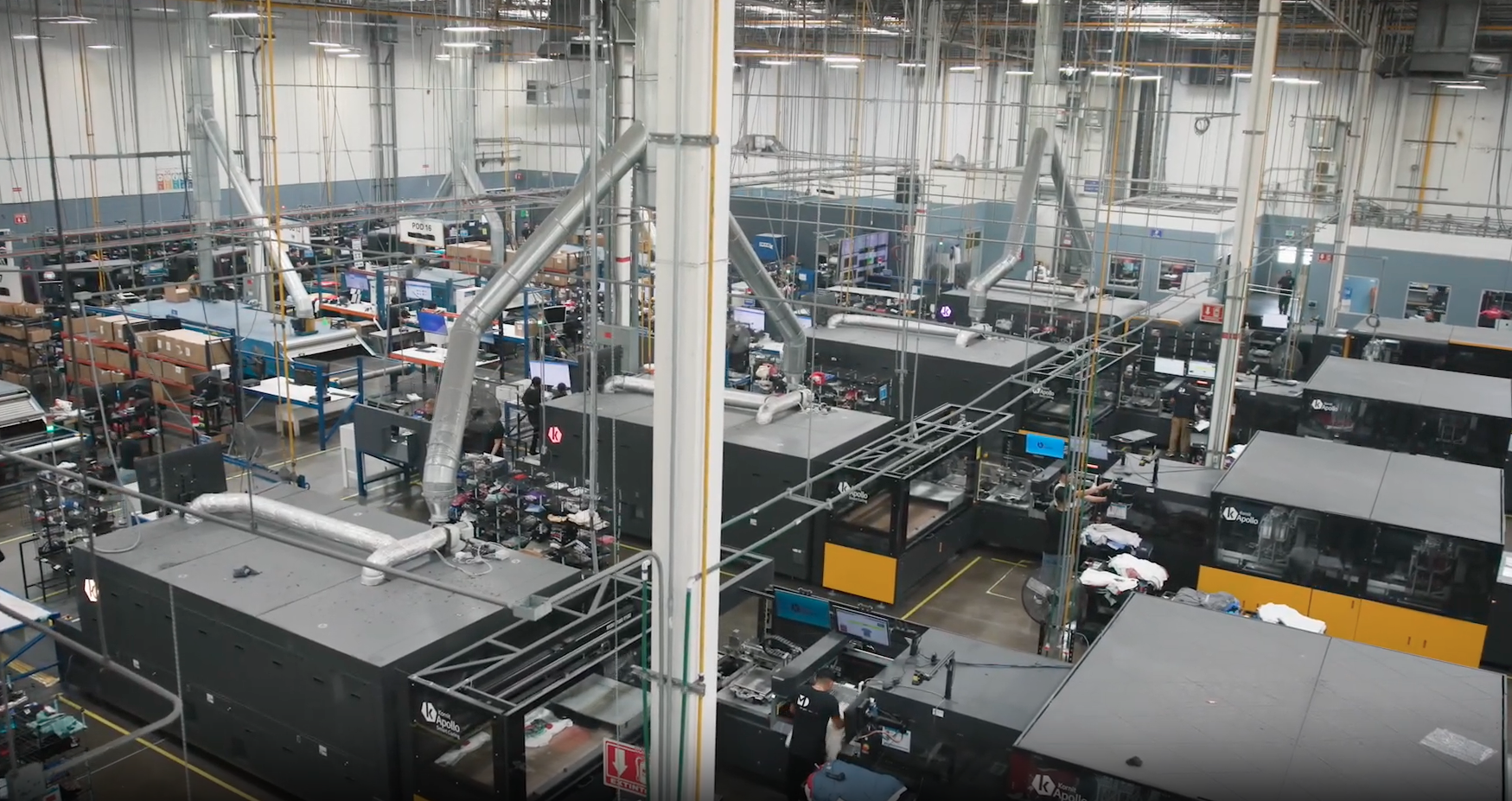
The Technologies Making Mass Customization Possible
The customer may see a simple interface. Behind the scenes, the production system needs to connect design, data, materials, print, finishing, and delivery.
Digital Design and Product Configurators
Product configurators let customers choose options before they buy.
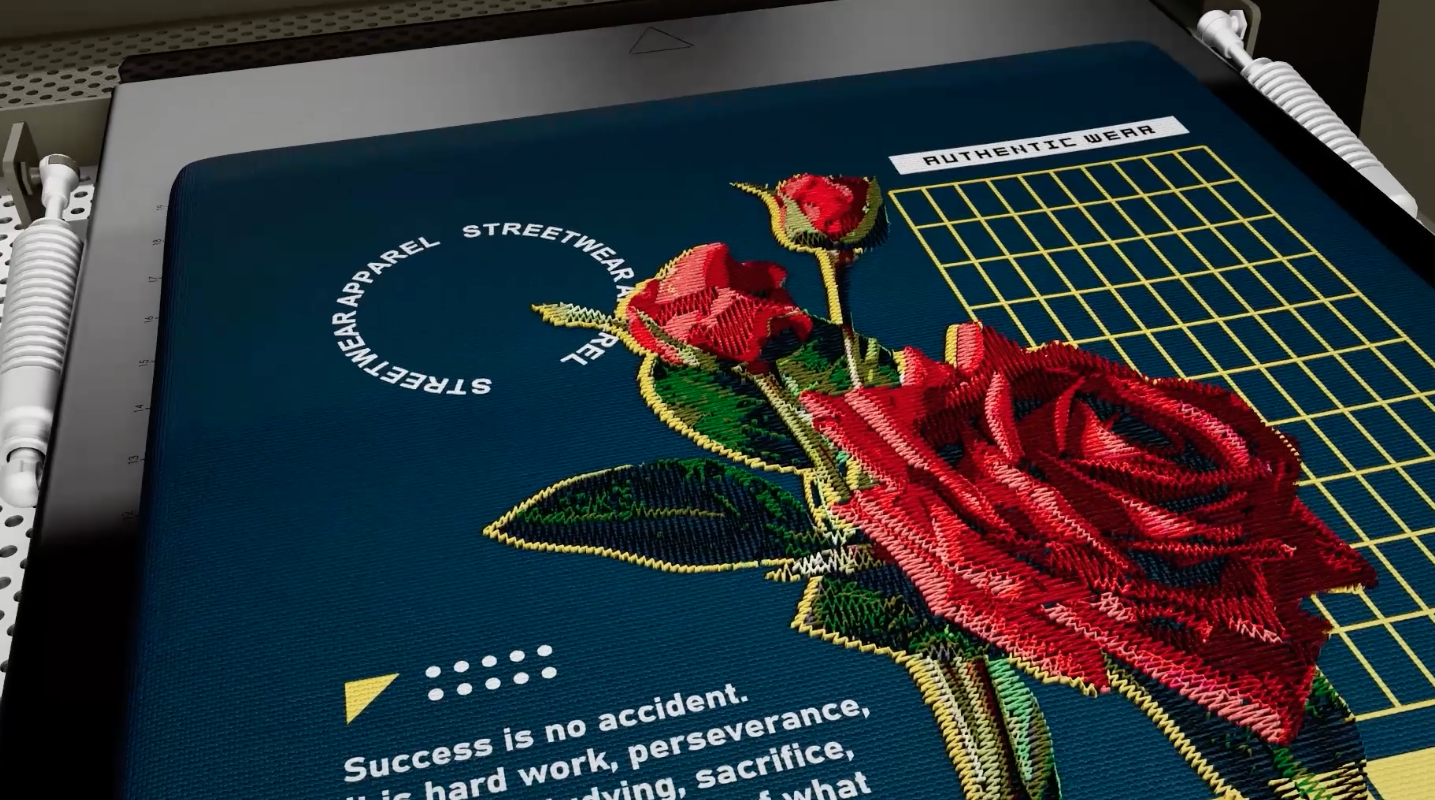
That may include color, artwork, fit, fabric, or design placement. A strong configurator does more than show choices. It helps translate those choices into production-ready information.
This matters because too many options can overwhelm customers and slow down production.
The best systems guide the customer without making the experience feel complicated.
Digital Printing and Automated Production
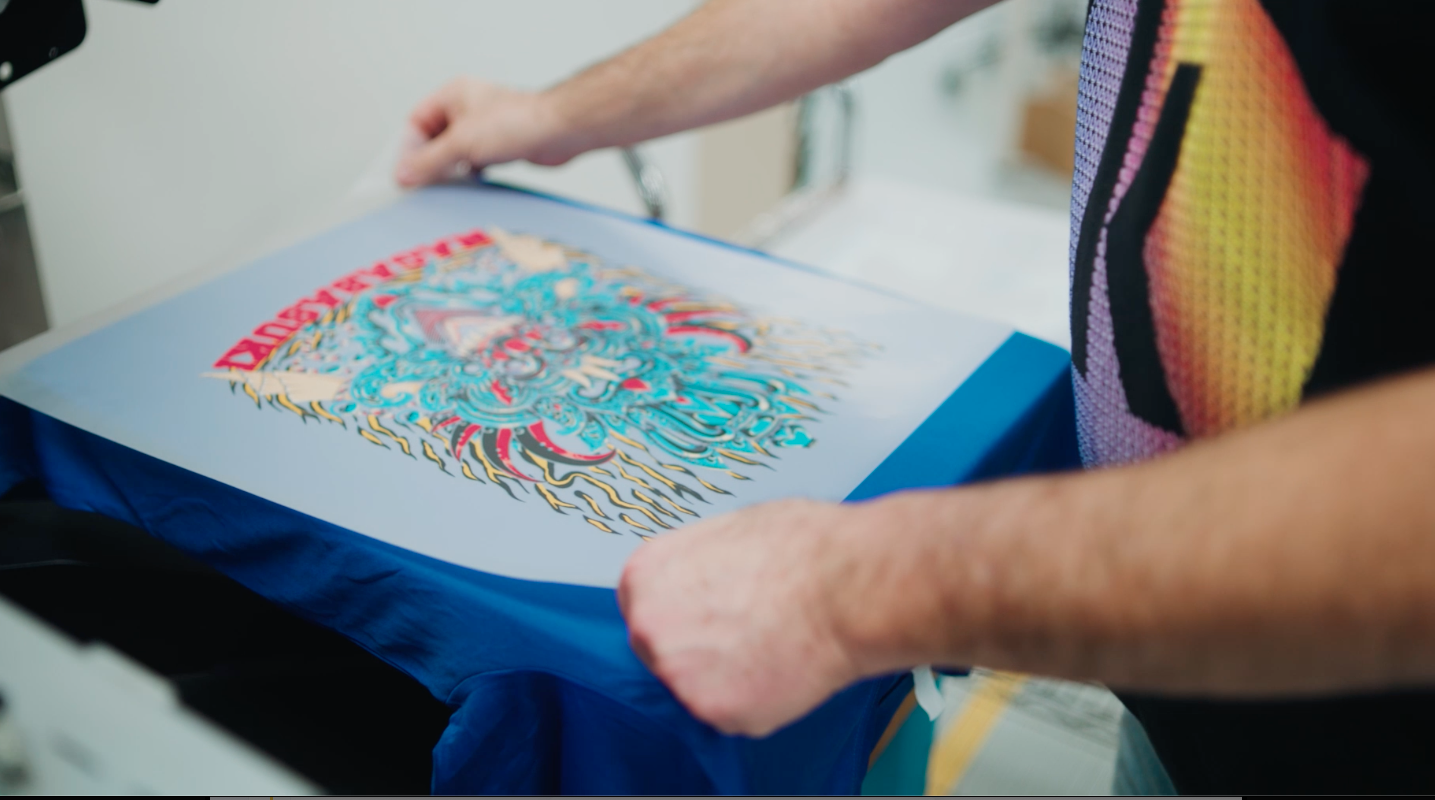
Digital textile printing is one of the strongest enablers of apparel mass customization.
Why? Because it reduces the need for long setup processes. It supports many designs. It makes short runs more practical and helps producers respond faster to demand.
For print businesses, this is where customization becomes operational.
The challenge is whether thousands of different jobs can move through production with speed, quality, and control.
The Hard Part: Customization at Scale
Mass customization sounds attractive, but it creates real production pressure.
Every new choice adds complexity. Every custom order needs accurate information. Every workflow gap can create delays, waste, or reprints.
For apparel manufacturers, the biggest questions are practical:
- Can order data move cleanly into production?
- Can the workflow handle many small jobs?
- Can color stay consistent across repeat orders?
- Can operators manage the volume without constant manual fixes?
- Can the business reduce inventory without slowing delivery?
- Can suppliers and production teams stay aligned?
Technology, modularity, customer involvement, and supplier relationships are all success factors. Mass customization changes the supply chain and requires stronger coordination. That is why it’s a production strategy.
Where Kornit Digital Fits in the Mass Customization
Kornit’s role in this shift is not only about printing garments. It’s about helping apparel businesses move toward connected, on-demand production.
That matters because mass customization needs a different production architecture.
It needs systems that can support:
- Short runs
- Fast design changes
- Repeatable color
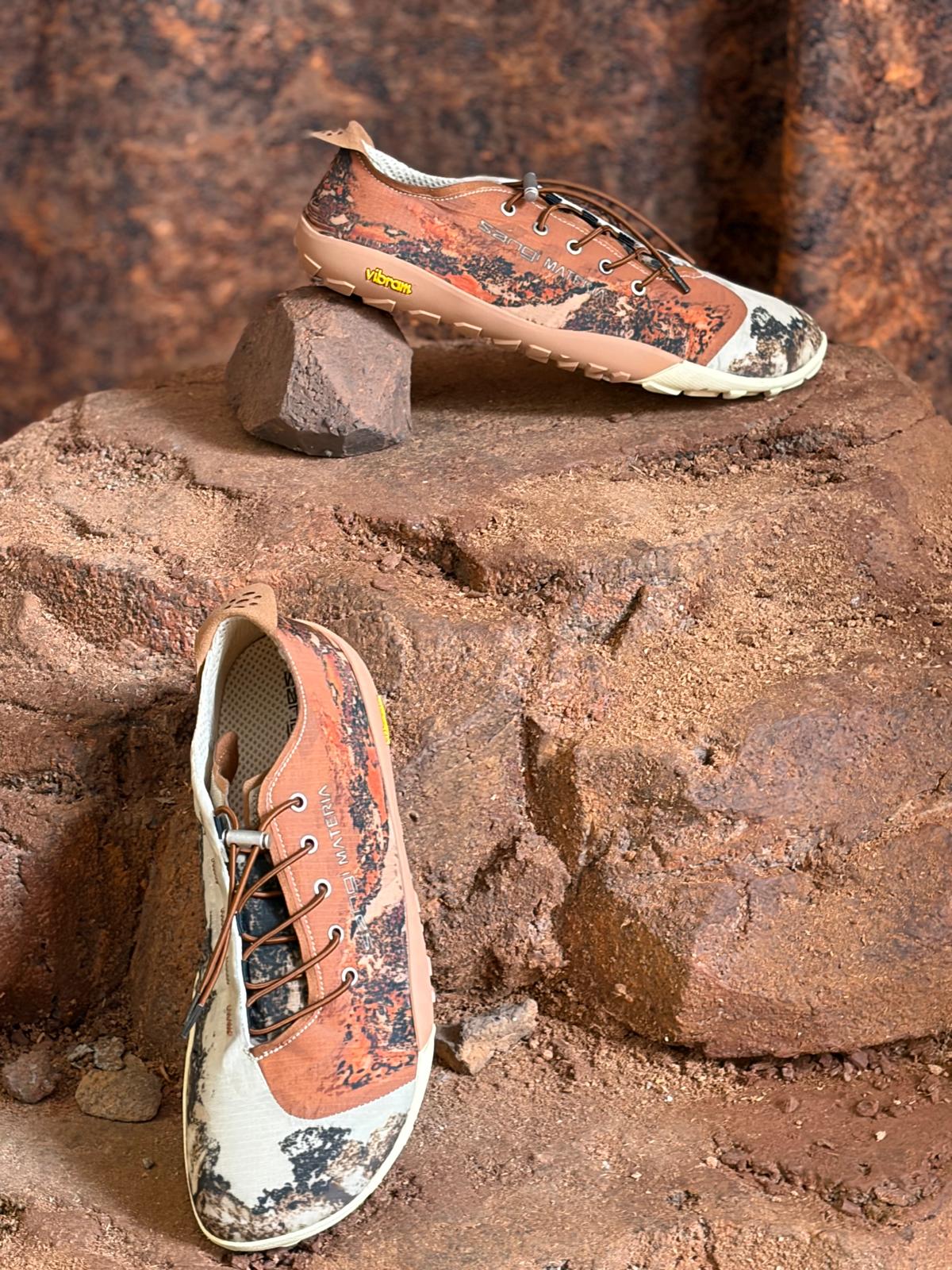
- Multi-fabric flexibility
- Lower manual friction
- Scalable workflows
- Superior quality
- Sustainable production
- Application flexibility
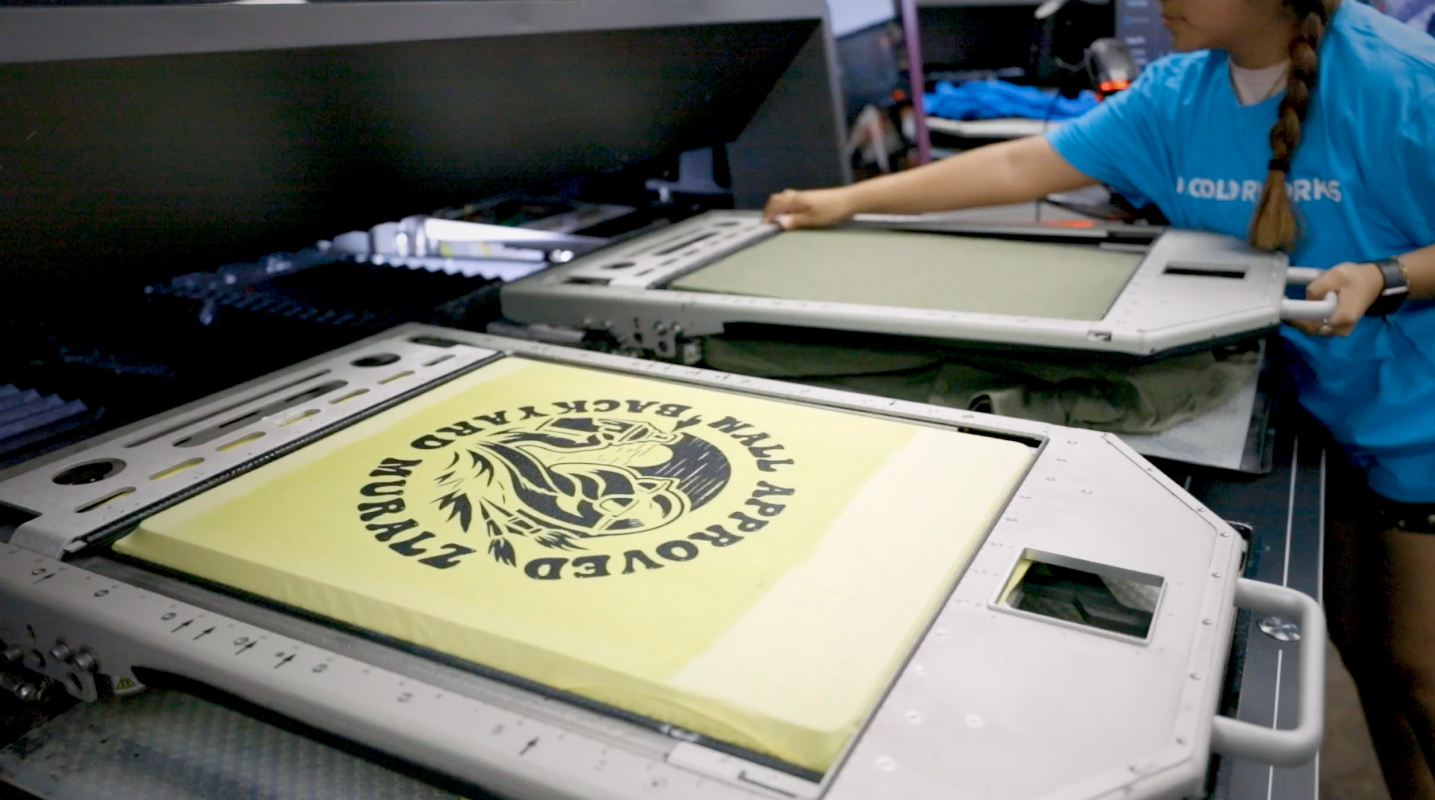
Kornit Atlas MATRIX reflects this direction because it unifies the workflow by delivering high-quality production across a wide range of fabrics, including polyester, cotton, and blends.
Mass customization tends to fail when you need to work with multiple disconnected production tools. A design tool in one place, order data in another, color management somewhere else, and production tracking on a spreadsheet can all create friction.
To scale customization, producers need the opposite: connected workflows, automation, and reliable output.
From Custom Products to Custom Production Models
The real evolution isn’t only in what customers can customize. It’s in how manufacturers build the production model behind it.
In the past, customization often meant extra work. More manual steps. More exceptions. More special handling.
Today, the goal l is to make customization part of the standard production flow.
That means a custom order should move through the system with the same discipline as any other job. This is where digital production becomes a business advantage.
It allows producers to support variety without relying on huge finished-goods inventory. It gives brands a way to test ideas faster. It helps retailers respond to demand with less guesswork.
Mass Customization Is Becoming a Production Standard
Mass customization in apparel manufacturing has evolved from a niche idea into a serious business strategy.
Consumers want more personal products. Brands want more flexible supply chains. Producers need to handle variety without losing control.
But customization alone is not enough.
The winners will be the businesses that can connect customer demand to production in a smarter way. That means better workflow, better data, better automation, and better digital printing systems.
For print businesses and apparel manufacturers, that is the bigger opportunity. Want to learn more about Kornit’s systems supporting this opportunity? Let’s talk.