Starting a Print on Demand Business in 2026: 7 Rookie Mistakes to Avoid
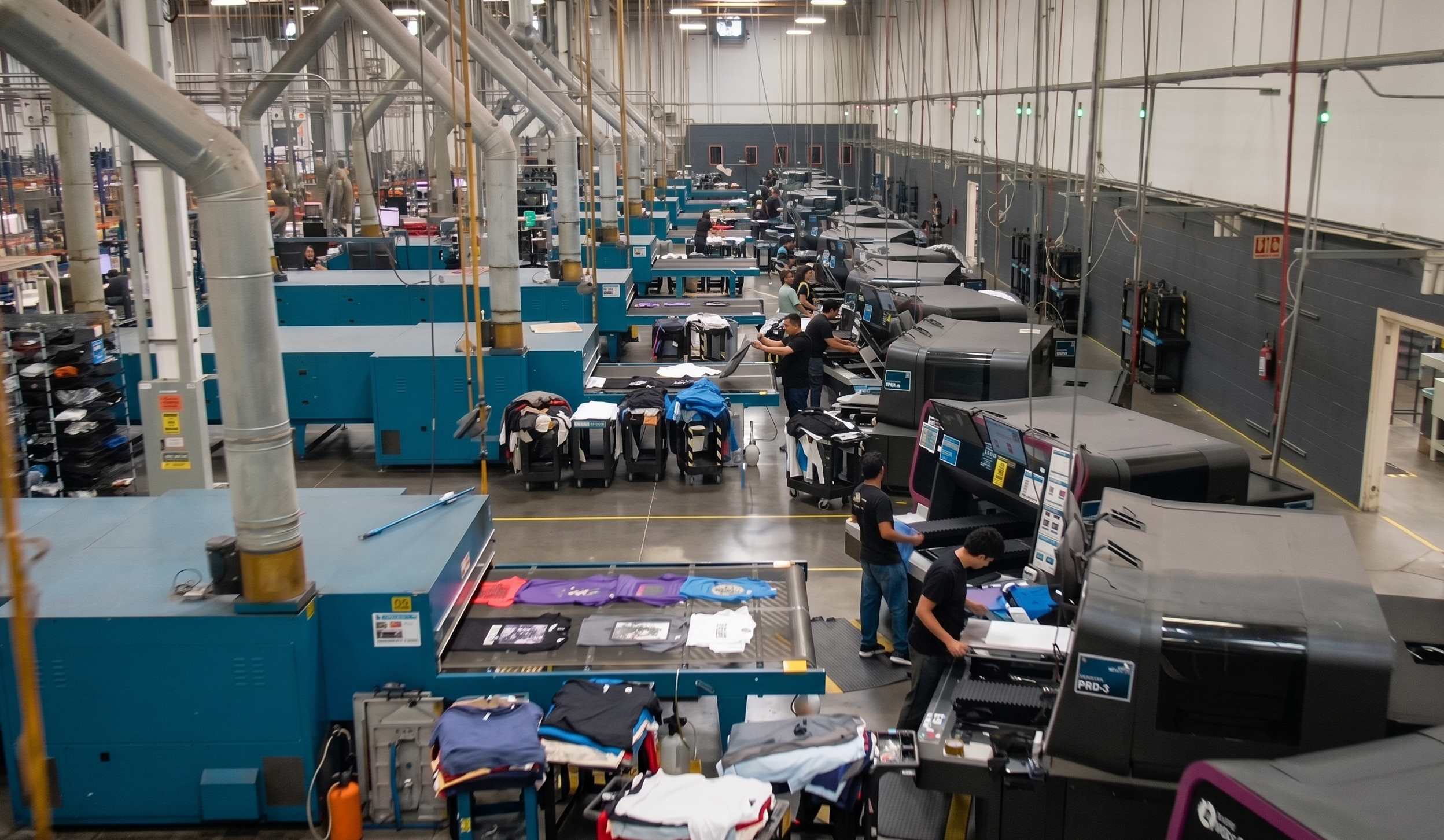
Starting a print on demand business in 2026 sounds easier than ever.
You create designs. Upload products. Connect an online store. Wait for orders. Then someone else prints, packs, and ships.
Simple, right?
Not exactly.
The print on demand model is still attractive because it removes one of the biggest risks in apparel: holding inventory. Products are made only after a customer places an order, which can reduce upfront costs and help sellers test ideas faster.
But easy entry creates a new problem.
More sellers are entering the market, so more designs are competing for attention. Meanwhile, more customers expect fast shipping and strong quality,
So, in 2026, the question is not only “Can I start a print on demand business?”
The better question is: How do I avoid multiple potential mistakes that come with the project?
Key Takeaways
- A print on demand business is easy to start, but much harder to grow.
- Choosing a niche is more important than uploading hundreds of random designs.
- Product quality, shipping, and customer experience can make or break the brand.
- The biggest rookie mistake is treating POD as a side tool instead of a real production model.
Why Print on Demand Still Matters in 2026
The global print on demand market is estimated at $13.06 billion in 2026, with apparel holding the largest product share in 2025 at 39.5%. The same report projects the market to grow at a 23.6% CAGR from 2026 to 2033.
That growth makes sense.
Customers want personalized products while creators want merchandise with brands willing to do whatever it takes to lower inventory risk.
But growth also means competition.
A print on demand business in 2026 needs more than “funny shirts” or a few AI-generated graphics. It needs positioning, quality control, smart fulfillment, and a plan for what happens after the first few sales.
Mistake #1: Starting With Products Instead of Audience
Many beginners start with the wrong question.
They ask: “What should I sell?”
A better question is: “Who am I selling to?”
A clear audience makes every decision easier. It shapes the designs, products, language, ads, visuals, pricing, and even the product photos.
In simple terms, a store for marathon runners should not look like a store for dog owners. A streetwear brand should not speak like a corporate gift shop.
Good POD niches are usually built around:
- Identity
- Lifestyle
- Community
- Humor
- Events
- Beliefs
- Hobbies
A weak niche creates weak marketing. And weak marketing usually means expensive customer acquisition.
Mistake #2: Uploading Too Many Designs Too Fast
It feels productive to upload 100 designs in one weekend. But more products do not always mean more sales. In many cases, they just create more clutter.
A new print on demand business should focus on building a small, strong collection first. Each product should have a reason to exist.
A better starting point is:
- 5–10 strong designs
- 2–3 core product types
- Clear product descriptions
- Clean mockups or real product photos
- A simple brand story
This gives the business something to learn from. If customers respond, expand. If they don’t, improve the offer before adding more noise.
Mistake #3: Ignoring Product Quality
In print on demand, the seller may not touch the product before the customer receives it. That is convenient but risky.
Customers don’t care that a third-party provider printed the shirt. They bought from your brand. If the print cracks, the color looks wrong, the fabric feels cheap, or the sizing is confusing, the brand takes the blame.
That is why samples matter.
Always order samples to check product quality and to test the full customer experience, from browsing to delivery.
Before launching, check:
- Print quality
- Fabric feel
- Sizing
- Color accuracy
- Packaging
- Wash durability
- Delivery timing
Skipping this step is one of the easiest ways to lose trust early.
Mistake #4: Forgetting About Shiping Expectations
Customers in 2026 are used to fast, clear delivery updates.
Print on demand does not always work like standard e-commerce. The product has to be produced before it ships. That means the delivery window includes both production time and shipping time.
This is where beginners often get into trouble in several ways:
- Advertising fast delivery without understanding the real timeline
- Hiding shipping details until checkout
-
Failing to explain why a custom product takes longer
That creates frustration.
A better approach is to be clear from the beginning. Always have a clear and detailed shipping page that talks about realistic delivery ranges. Make sure to explain that each product is made after the order is placed and send updates when possible.
The customer may accept a longer timeline if the expectation is clear. Surprises are the problem.
Mistake #5: Pricing Only by Product Cost
Many new POD sellers look at the base cost and add a small markup.
That is not enough.
A real price needs to cover more than production. It has to account for the all expenses, from ads to delivery. If the margin is too thin, the business may grow and still lose money.
Before launching, calculate the full picture:
- Product cost
- Shipping cost
- Platform fees
- Payment processing fees
- Marketing cost
- Return or replacement risk
- Your target profit
A print on demand business should not be priced like a hobby unless the goal is to stay a hobby.
Mistake #6: Treating POD Like a Passive Income Shortcut
This is the big one.
Print on demand can reduce inventory risk, but it does not remove the work.
You still need to build a brand. You still need to understand customers. You still need to create good products. You still need marketing, support, and operations.
The model may be low-inventory. But it’s hardly low-effort.
The businesses that last usually treat POD as a real business model, not a quick upload-and-wait tactic.
Mistake #7: Waiting Too Long to Think About Scale
At the beginning, the goal is to make the first sale. But once orders grow, new problems appear. Manual processes break while customer support gets slower and quality issues become more expensive.
This is why the backend matters.
A growing print on demand business needs systems that can support:
- Order routing
- Production visibility
- Consistent quality
- Fast fulfillment
- Product expansion
- International reach
- Repeatable workflows
This is the gap between launching a store and building an operation.
Start Small, But Think Like a Real Business
Starting a print on demand business in 2026 is still a strong opportunity. But the easy-entry stage is not the same as the growth stage.
The biggest rookie mistake is thinking the business begins and ends with uploading designs. It does not.
Print on demand gives apparel entrepreneurs a faster way to start. But smart systems, strong products, and reliable fulfillment are what help them stay.
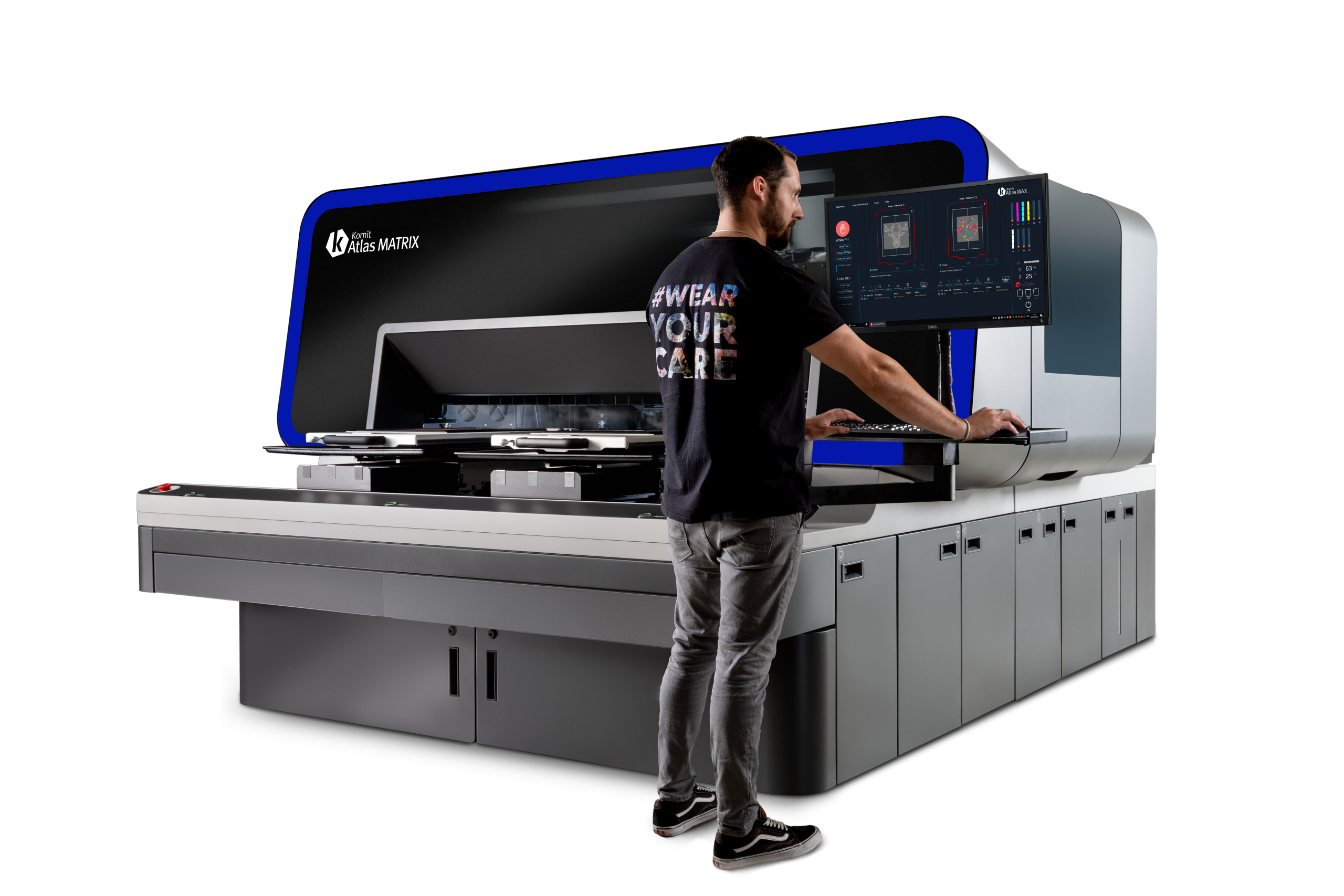
Want to learn more about Kornit’s systems supporting print on demand growth? Let’s talk.