The Environmental Impact of Digital T-Shirt Printing

Digital t-shirt printing is a significant part of the modern textile industry. Due to that, its sustainability potential deserves special attention. Kornit Digital, a leading manufacturer of equipment for sustainable textile printing makes it easier to implement eco-friendly practices in this field.
Let’s take a look at the environmental implications of various t-shirt printing methods.
Key Takeaways
- Textile production significantly affects the environment due to water usage and pollution.
- Traditional methods like screen printing and heat transfer lack sustainability.
- Direct-to-garment (DTG) printing offers eco-friendly advantages, especially with Kornit’s innovative technology.
- Kornit’s high-quality printers and inks reduce waste and environmental harm.
The General Impact of Textile Production on the Environment
The textile industry ranks among the most resource-intensive industries globally. Water consumption, chemical pollution, and carbon emissions contribute heavily to its environmental footprint. Producing a single cotton t-shirt, for instance, requires approximately 2,700 liters of water*—enough for one person to drink for over two years. At the same time, untreated dye and chemical runoff often pollute water systems, harming ecosystems and local communities.
Mass production exacerbates these issues because unsold inventory frequently ends up in landfills. This adds to textile waste significantly. While fast fashion and traditional manufacturing methods contribute to these problems, digital printing technologies offer a promising alternative.
Questioning the Sustainability of Screen Printing and Heat Transfer
Screen printing, a popular method for t-shirt production, involves excessive water usage and the application of plastisol ink. These inks contain harmful chemicals like phthalates and PVC. They can leach into the environment, posing risks to human health and wildlife. Moreover, the process generates significant waste, as screens must be cleaned and often discarded after limited use.
Similarly, heat transfer methods rely on large quantities of vinyl and adhesive materials, which are neither biodegradable nor easily recyclable. These processes’ energy-intensive nature further compounds their environmental drawbacks.
Environmental Benefits of the DTG Approach for Digital T-Shirt Printing
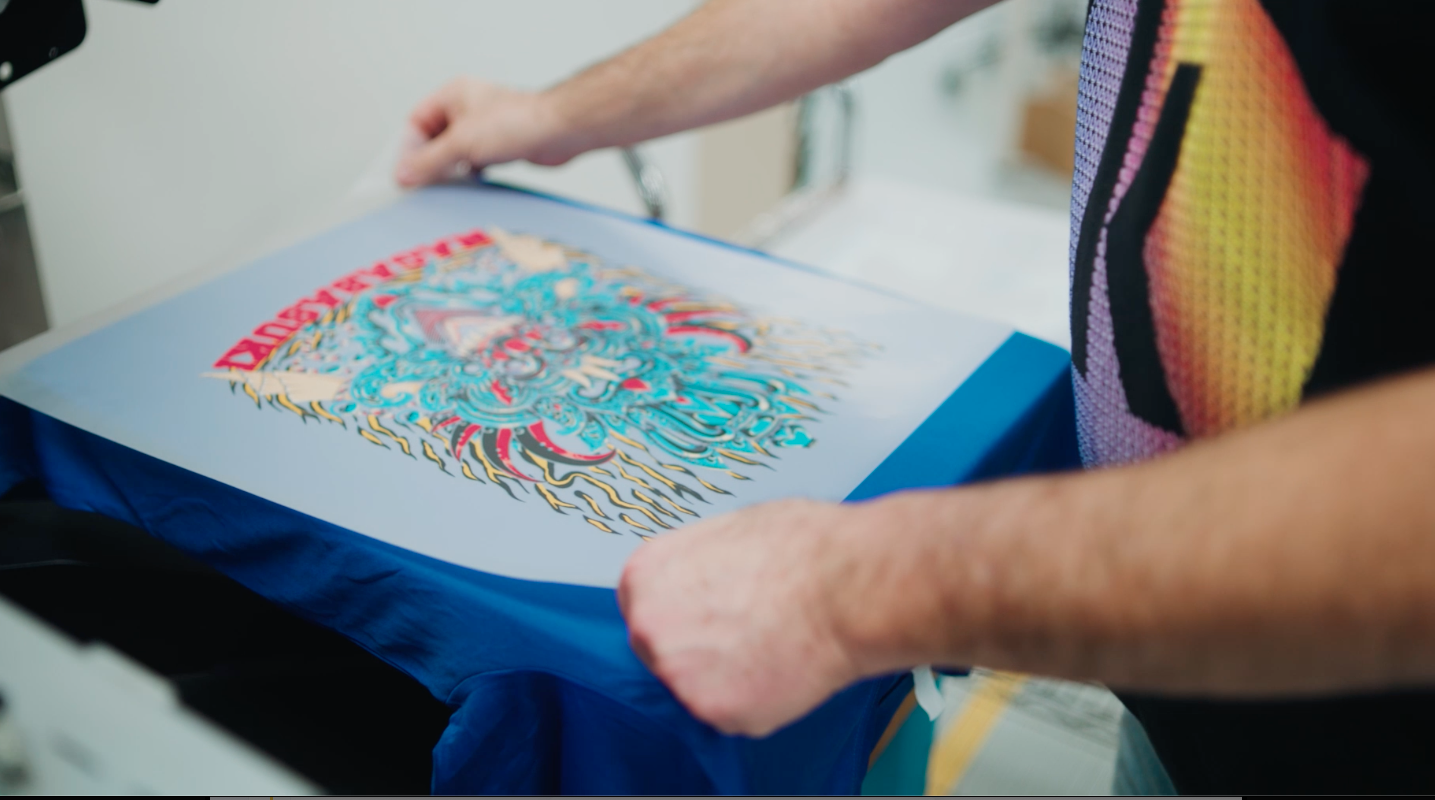
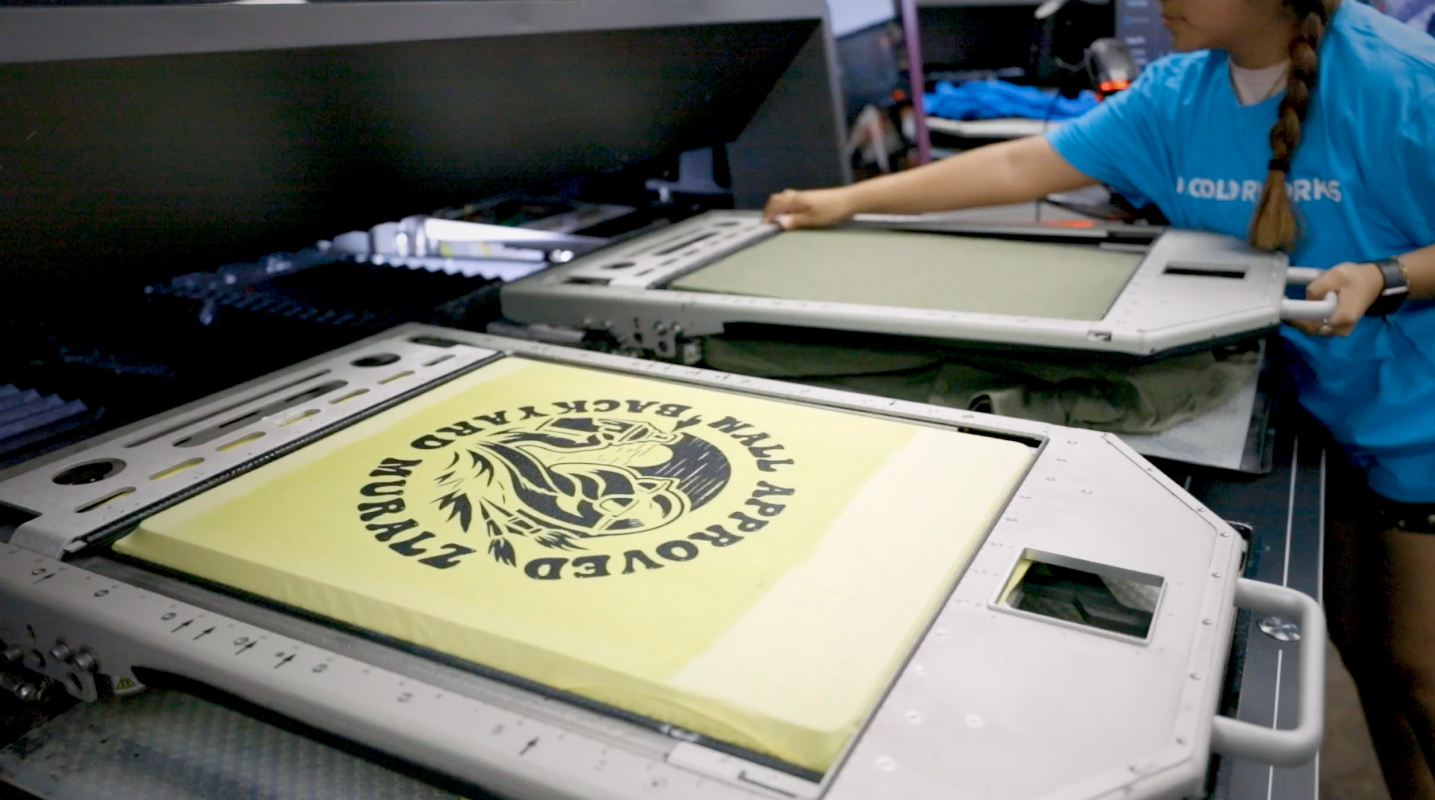
Direct-to-garment printing represents a more sustainable option for t-shirt production. Unlike traditional methods, DTG minimizes waste by printing designs directly onto fabric without the need for intermediate materials like screens or vinyl. Additionally, DTG printers use water-based inks, which are generally safer for the environment.
This method supports on-demand production, reducing the likelihood of overproduction and unsold inventory. As a result, digital printing on fabrics lowers waste and decreases the industry’s reliance on harmful materials.
Why Some DTG Printers are Less Environmentally Friendly Than Others
While DTG printing offers eco-friendly benefits, not all DTG printers are created equal. The type of inks used, printer quality, and operational efficiency determine how sustainable the process truly is.
- Inks: Many DTG printers use water-based inks, but not all are free of harmful chemicals. Kornit’s proprietary NeoPigment™ inks are eco-certified, free of heavy metals, and safe for the environment.
- Printer Quality: High-quality printers ensure precise ink application, minimizing waste. Kornit’s Avalanche HD6 printer delivers exceptional print quality while using less ink than competitors.
- Operational Efficiency: Kornit’s printers streamline workflows, reducing water and energy consumption during the printing process.
The dedication Kornit has to sustainability allows it to reduce the environmental impact significantly.
Recommendations for inserting this YouTube Video here: https://www.youtube.com/watch?v=STHqu8PIs4Q
Sustainable Digital T-Shirt Printing with Kornit
Kornit’s commitment to sustainability goes beyond its printers and inks. By enabling on-demand production, Kornit helps brands reduce waste. Its solutions cater to eco-conscious businesses seeking high-quality prints without compromising environmental responsibility.
Frequently Asked Questions about Digital T-Shirt Printing
Can you digitally print on a shirt?
Yes, digital printing allows you to print high-quality designs directly onto t-shirts using specialized DTG printers.
Does digitally printed fabric fade?
With high-quality inks and proper care, digitally printed fabrics retain their vibrant colors for a long time. Kornit’s NeoPigment™ inks are designed for durability and resistance to fading.
Which printing is best for t-shirts?
DTG printing is the best option for its precision, efficiency, and eco-friendliness. Kornit’s DTG printers stand out for their superior quality and sustainability features.
*https://www.globalsociety.earth/post/the-hidden-cost-of-a-cotton-t-shirt