Revolutionizing Textile Printing: From Silk Screening to Digital Innovation

Explore the transformative journey from traditional silk screen printing to the advanced, efficient, and versatile digital printing technology from Kornit.
The efficiency of the process made silk screening (also referred to as screen printing) popular among manufacturers and fashion brands. However, when it comes to textile printing, the industry is constantly changing.
Today, the efficiency and versatility of digital printing are upstaging the benefits of silk screening. However, many companies are still leveraging this method for some of their needs.
Let’s take a closer look at what silk screening is all about and whether it’s still worth your attention.
Key Takeaways
- Silk screening offers durable prints but requires a complex setup. It’s less efficient and has material limitations.
- Kornit’s digital printing technology reduces water and chemical usage, speeds up production, and supports a wide range of fabrics.
- Digital prints keep their brightness longer than silk-screened ones, which may fade over time.
- Digital printing is more cost-efficient in today’s fast-paced textile industry, especially for on-demand and small-batch production.
Silk Screening: An Elegant Anachronism
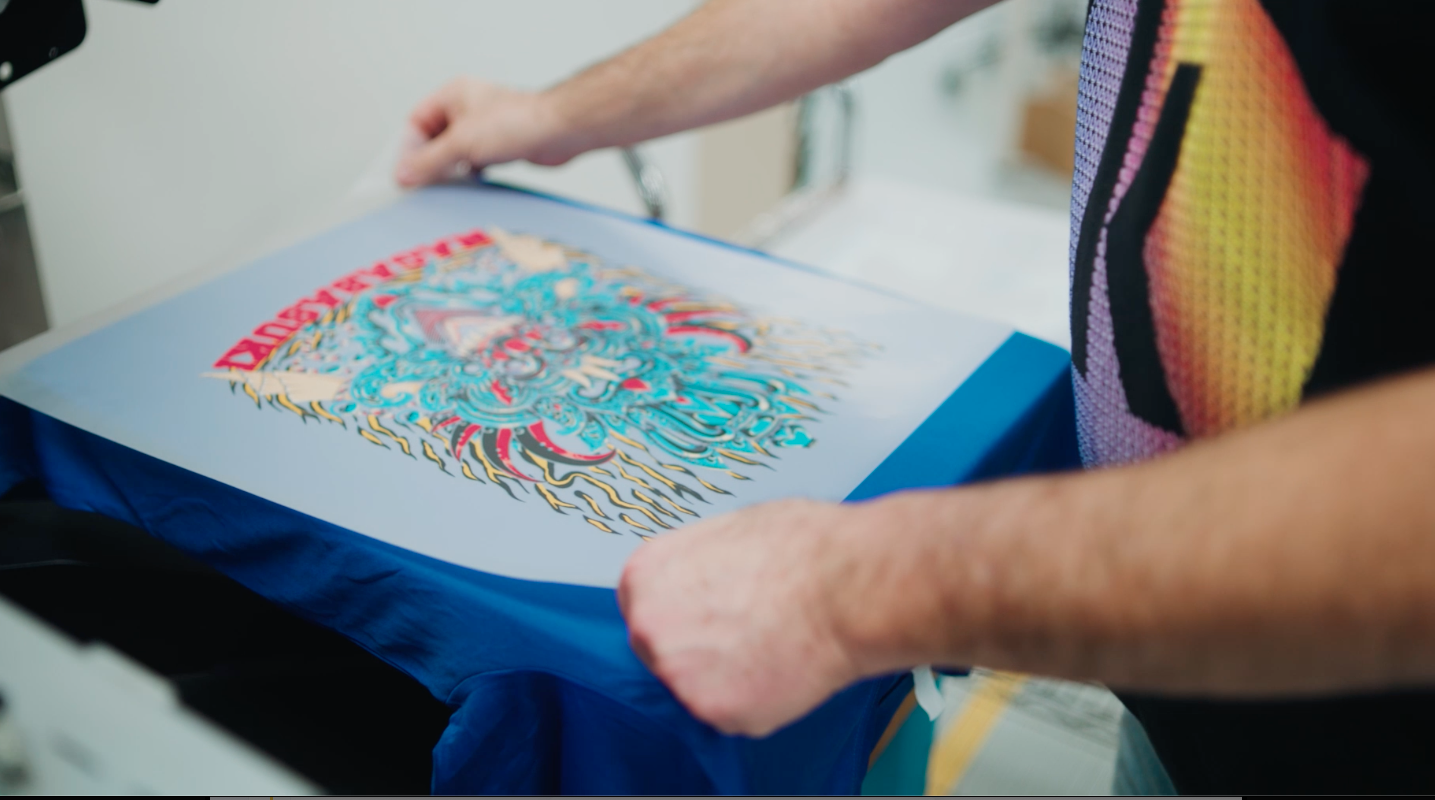
Silk screening dates back to ancient China. Since then, it has evolved into a symbol of meticulous craftsmanship. The process seems simple. The ink is pushed through a fine mesh to create a printed pattern on the fabric. However, its execution is anything but straightforward.
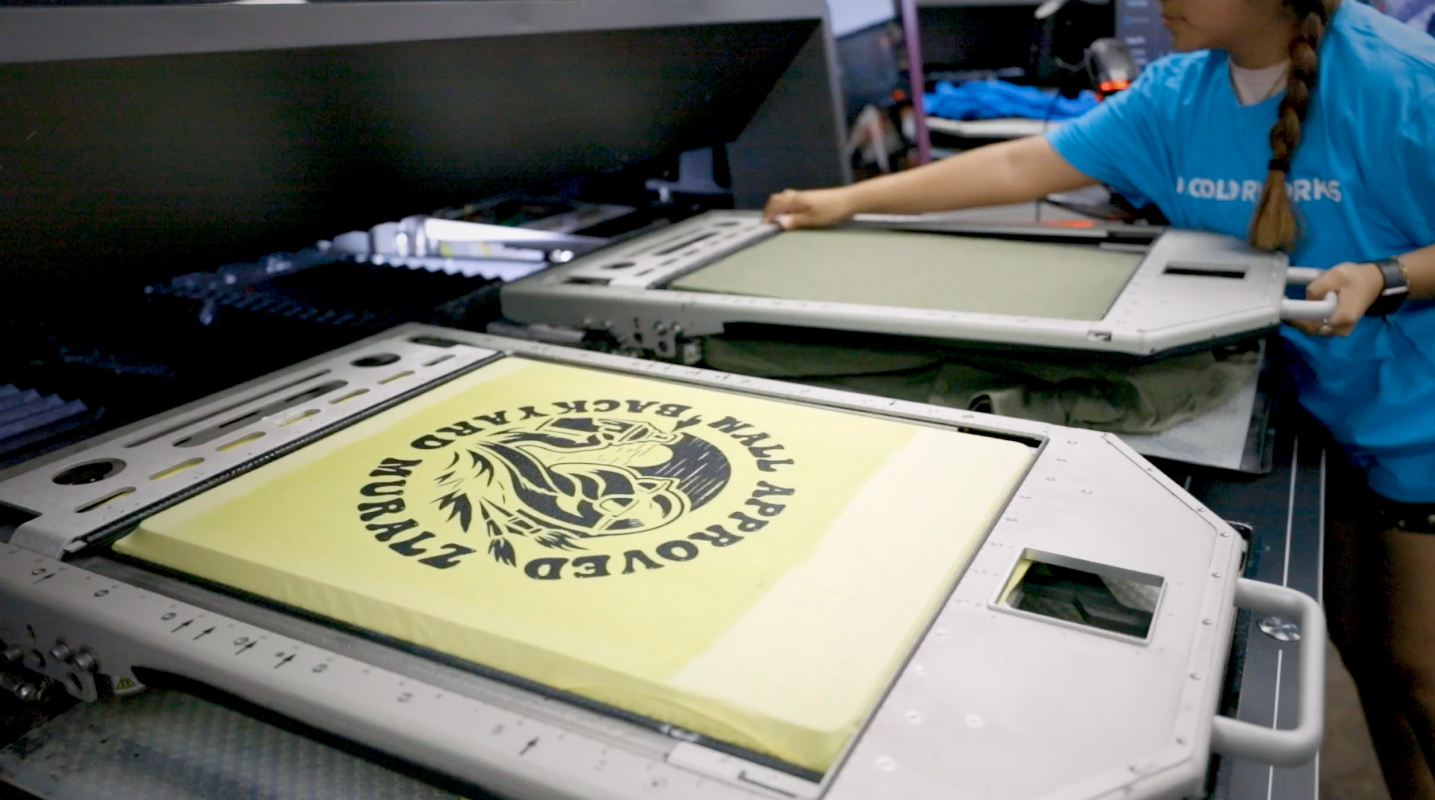
Each screen, coated with photosensitive emulsion, is exposed to light through a stencil, hardening the design onto the mesh. Then, the screen is carefully placed above the fabric, and ink is swept across it, pressing through the design to create a one-of-a-kind textile piece.
Transitioning to Tomorrow: The Arrival of Kornit’s Digital Printing Technology
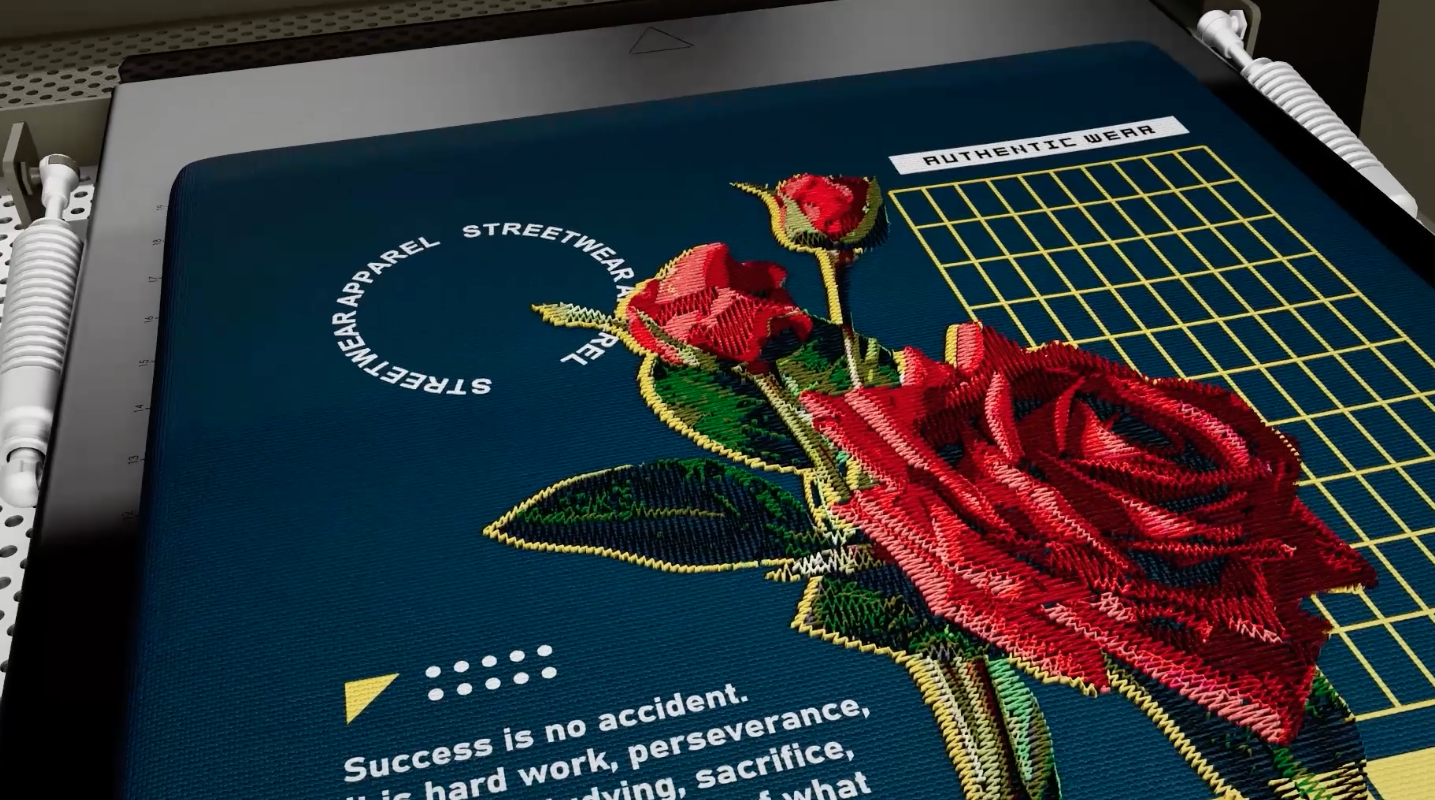
Kornit is the leading provider of printers that leverage the latest printing technologies to accommodate multiple printing needs. With digital technology infused into the fabric of textile production, Kornit’s DTG printers offer more than just versatility and vibrant print quality. It’s an innovative and sustainable alternative to the existing printing methods.
Designs created with digital printers also last longer. Textiles printed with Kornit’s printing solutions are resistant to the fading that often plagues their silk-screened counterparts.
The Green Revolution on Fabric
Environmental sustainability is not just a trend. It’s a necessity for the conscientious manufacturer. Kornit’s commitment to eco-friendly practices is apparent in its water-based inks and energy-efficient printers.
Silk Screening vs. Kornit Digital Printing
When comparing the craftsmanship of silk printing with the advanced capabilities of Kornit’s digital printing, it’s clear that both methods have their merits. However, in the age of sustainability and rapid production, digital printers appear to have the upper hand.
Material Compatibility
Silk screening machines have limitations when it comes to the variety of materials. It doesn’t work well for synthetics and synthetic blends. Meanwhile, Kornit doesn’t have these limitations. Their digital printers are compatible with a wide range of fabrics. This offers manufacturers the freedom to select the materials that best complement their designs.
Longevity
One of the key advantages of digital printing is the longevity of prints. Colors created by digital printing technologies remain bright and intact long after their silk-screened counterparts have begun to fade.
Production Speed
In the race against the clock, digital printing has the upper hand. Digital printers can print complex designs on demand, reducing turnaround times by a significant margin. This enhanced production speed isn’t just about meeting deadlines. It’s about redefining industry standards and gaining leadership.
Cost Efficiency
The digital revolution doesn’t just change the speed and quality of production. It reduces the costs. With fewer steps between design and printed fabric, Kornit’s technology has the potential to cut costs, making it an economically viable choice for manufacturers.
| Factor | Silk Screening | Kornit Digital Printing |
|---|---|---|
| Technology | Ink pushed through mesh stencils onto fabric | Digital inkjet prints directly onto textiles |
| Print Quality | Strong colors but limited in gradients and detail | High-resolution, vibrant, complex full-color designs |
| Durability | Durable, but colors may fade over time | Long-lasting prints with modern, eco-friendly inks |
| Production Speed | Slower; time-intensive setup with screens | Fast, on-demand production with minimal prep |
| Material Compatibility | Works mainly on cotton; limited to synthetics | Supports a wide variety of fabrics and blends |
| Sustainability | High water and chemical usage | Eco-friendly inks, reduced water and waste |
| Cost Efficiency | Cheaper in large bulk runs | Lower overall costs for diverse, on-demand jobs |
| Best Use Cases | Large runs, simple designs | Fashion, customization, small runs, sustainability-focused brands |
The Future Is Digital: Envisioning a New Era for Textile Printing with Kornit
The printing industry is undergoing a significant transformation, gradually transitioning from traditional silk screening equipment to digital printing technologies. This shift is driven by the demand for higher efficiency, versatility, and customization capabilities that digital printing offers.
Kornit’s vision is not to replace silk screening entirely, but to enhance it, offering a bridge to a broader, more sustainable future for textile printing. When you think of the textile printing development, think of the digital approach.
Ready to Elevate Your Printing Business? Explore Kornit’s Digital Printing Solutions
For manufacturers looking to make the leap from tradition to innovation, Kornit’s digital printing solutions could be the perfect vehicle. It’s more than just adopting new technology. It’s about crafting a future that blends the exquisite artistry of the past with the untapped potential of the present.
If you’re ready to explore how Kornit’s technology can revolutionize your printing business, the next step is to reach out and start a conversation. Make a decision that will not just change the way you print textiles but the very fabric of the industry itself.
Frequently Asked Questions about Silk Screening
What is silk screening?
Silk screening, also called screen printing, is a method where ink is pushed through a mesh stencil onto fabric to create designs.
How hard is silk screening?
Silk screening requires skill and setup. Each design needs a stencil, and the process involves multiple steps, making it more labor-intensive than digital printing.
What is the difference between screen printing and silk screening?
These are interchangeable terms.. Silk screening is the older term that stems from using silk for the mesh involved in the process. Today, synethetic threads are used.
Is silk screening still used?
Yes, many companies still use it for bulk orders and simple designs, but it’s gradually being replaced by digital methods due to speed and sustainability.
What’s better, silk screen or DTF?
Silk screen is durable and cost-effective for large runs, while DTF (direct-to-film) is more versatile, works on more fabrics, and is better suited for detailed designs and smaller batches.